Electrical failure in high-voltage infrastructure is not merely an inconvenience; it is a catastrophic event that results in massive operational downtime and severe safety hazards. When designing switchgear, transformers, or high-capacity traction motors, engineers cannot rely on generic insulation materials. The mechanical and thermal stress placed on structural insulators in these environments will rapidly degrade standard phenolic boards. To prevent arc tracking and structural shear, you must upgrade your material specifications. This is where EPGC201 enters the conversation.
From our experience supplying advanced materials to global manufacturing sectors, there is significant confusion regarding the exact grading of epoxy laminates. Many procurement departments assume that all green or yellow fiberglass sheets are identical. This is a dangerous assumption. Today, we will aggressively dissect the specific engineering properties and the Benefits of EPGC201 Epoxy Glass Fabric Laminates, explaining precisely why this specific IEC-graded material outperforms legacy alternatives, and whether you should integrate it into your production lines.
Quick Answer: Should You Use EPGC201?
Yes. In most professional situations involving high-voltage electrical insulation and extreme mechanical stress, EPGC201 is the superior choice. It is a halogen-free, flame-retardant epoxy glass laminate that delivers exceptional dielectric strength, thermal endurance (Class F to H), and dimensional stability under load.
The Verdict: For heavy-duty applications like generator slot wedges, high-voltage switchgear baffles, and structural transformer supports, we highly recommend upgrading to EPGC201. It ensures long-term safety compliance and eliminates the toxic smoke generation associated with older brominated FR4 materials during a thermal event.
Table of Contents
- What is EPGC201?
- How EPGC201 Works Under Stress
- The 5 Benefits of EPGC201 Epoxy Glass Fabric Laminates
- Limitations and Drawbacks
- Who Should Use It vs. Who Does Not Need It
- Common Mistakes in Specification and Machining
- Pros and Cons Table
- Comparison Table: EPGC201 vs Alternatives
- Buying Considerations for Procurement
- Expert Recommendation
- The Bottom Line
- Frequently Asked Questions (FAQ)
What is EPGC201?
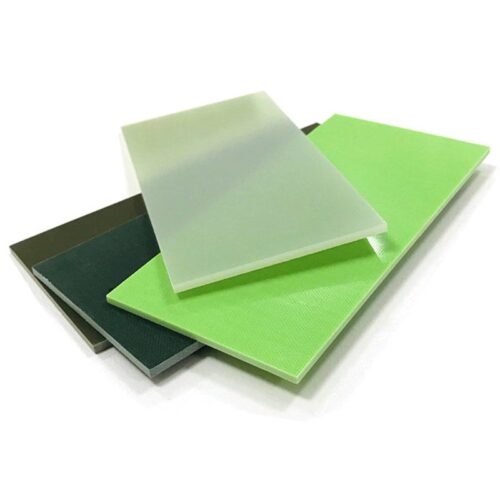
EPGC201 is a strict material designation under the IEC 60893 standard (specifically IEC 60893-3-2). The acronym breaks down precisely: “EP” stands for Epoxy resin, “GC” stands for Glass Cloth, and “201” designates its specific mechanical and electrical property classification. Essentially, it is a rigid composite material manufactured by impregnating woven electrical-grade alkali-free glass fiber fabric with a highly specialized, halogen-free epoxy resin binder.
Unlike generic fiberglass reinforced plastics types, EPGC201 is specifically engineered for the electrical and electromechanical industries. It is visually similar to the well-known NEMA grade FR-4, but with a critical distinction: EPGC201 achieves its V-0 flammability rating without the use of toxic halogens (like bromine). This makes it the modern standard for environmentally compliant, safe electrical infrastructure.
How EPGC201 Works Under Stress
The performance of this material relies on the synergistic relationship between its two core components. The woven glass fabric acts as the structural skeleton, providing immense tensile, flexural, and impact strength. The epoxy resin acts as the dielectric insulator and the binder that holds the matrix together. During manufacturing, these pre-impregnated layers (prepregs) are stacked and subjected to intense heat and hydraulic pressure. This process forces the epoxy to cross-link, transforming it into an infusible, solid thermoset plastic.
In our testing, when exposed to high-voltage fields, the densely cross-linked epoxy matrix resists the flow of electrons, preventing electrical arcing. Simultaneously, if the surrounding copper busbars generate intense heat, the high glass transition temperature (Tg) of the resin prevents the board from softening or warping. For a deeper understanding of this composite matrix behavior, we advise reading our comprehensive frp fiberglass reinforced plastic guide.
The 5 Benefits of EPGC201 Epoxy Glass Fabric Laminates
Evaluating the Benefits of EPGC201 Epoxy Glass Fabric Laminates requires looking past basic datasheets. Here are the five core reasons why industry leaders specify this material over legacy options.
1. Halogen-Free Flame Retardance
In the event of a catastrophic electrical fire inside a confined space (like a subway train or a data center server room), traditional FR4 materials release highly toxic, corrosive brominated gas. EPGC201 achieves a UL94 V-0 flammability rating without halogens. It self-extinguishes rapidly while emitting significantly less smoke and zero toxic halogens, protecting human life and preventing corrosive damage to adjacent sensitive electronics.
2. Exceptional Dielectric Strength at High Temperatures
Electrical insulators often perform well at room temperature but fail when the environment hits 130°C. One of the primary Benefits of EPGC201 Epoxy Glass Fabric Laminates is that it maintains high dielectric strength (resistance to electrical breakdown) even under continuous Class F (155°C) thermal loads. This ensures that phase-to-phase barriers in switchgear do not experience thermal runaway and subsequent arc tracking.
3. Superior Mechanical Stability Under Load
For heavy-duty applications such as structural supports in large transformers, the material cannot simply be a good insulator; it must bear immense physical weight and vibration. EPGC201 offers a flexural strength that rivals certain metallic alloys. It will not creep, bend, or shear under the intense mechanical forces generated by magnetic fields in heavy industrial motors.
4. Minimal Moisture Absorption
Moisture is the enemy of electrical insulation. Water ingress lowers electrical resistance and creates pathways for short circuits. The tightly cross-linked epoxy matrix of EPGC201 provides near-zero water absorption (typically less than 0.1%). This makes it highly reliable in humid environments, offshore wind turbines, and unconditioned exterior utility boxes.
5. Excellent Machinability and Dimensional Tolerances
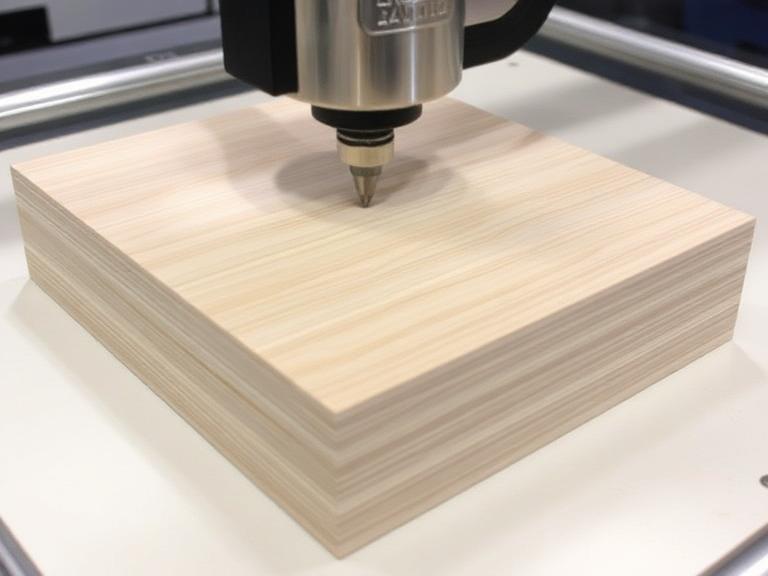
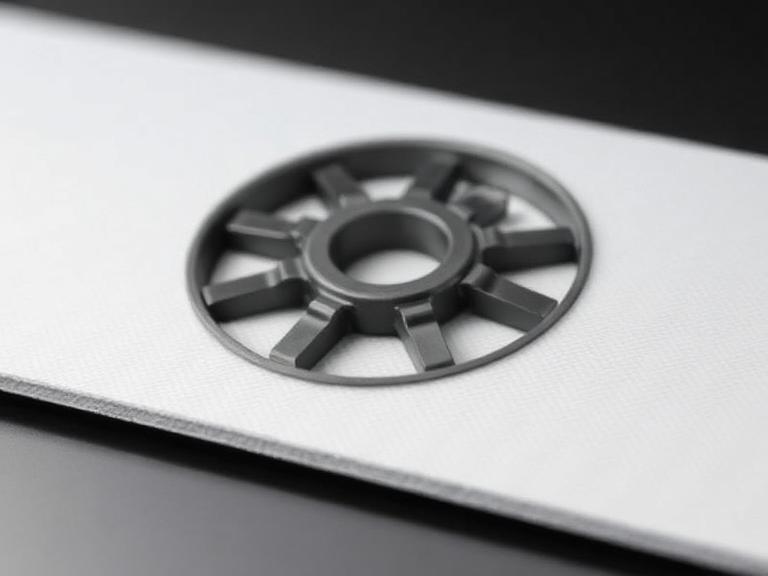
Despite its hardness, EPGC201 can be CNC machined to incredibly tight tolerances without delaminating or fracturing. This allows engineers to design intricate phase barriers, custom terminal boards, and precise generator slot wedges. It holds tapped threads well and maintains its exact dimensions over decades of thermal cycling.
Limitations and Drawbacks
To provide commercial and practical judgment, we must address where this material struggles. EPGC201 is difficult to machine without the proper equipment. Because it is heavily reinforced with glass fibers, it is highly abrasive to standard high-speed steel (HSS) tooling. Machining requires diamond-tipped or solid carbide tooling, and the process generates fine glass dust that mandates strict industrial ventilation and operator PPE.
Furthermore, it represents a higher initial capital cost compared to basic phenolic cotton or paper laminates. If your application does not require extreme mechanical strength or high-voltage resistance, over-specifying EPGC201 will unnecessarily inflate your bill of materials. In such cost-sensitive, low-voltage scenarios, exploring smc composite materials might yield a better financial return.
Who Should Use It vs. Who Does Not Need It
For commercial users and infrastructure engineers: You absolutely must use EPGC201 if you are manufacturing mass transit vehicles, marine electrical systems, high-voltage switchgear, or aerospace electronics. The halogen-free compliance is rapidly becoming a legal mandate in European and North American infrastructure projects.
For beginners and low-tier consumer electronics: Who does not need it? If you are building low-voltage hobby electronics, basic consumer appliances (like a toaster control board), or indoor signage, standard FR4 or even phenolic boards are perfectly adequate. You do not need the extreme thermal or halogen-free characteristics of EPGC201, and the cost difference cannot be justified.
Common Mistakes in Specification and Machining
From our experience auditing client manufacturing processes, the most common mistake is inadequate tooling. Attempting to drill or route EPGC201 with standard metalworking bits will result in rapid tool wear and severe edge delamination of the laminate. You must use specialized router bits designed for composites.
Another frequent error is ignoring the Comparative Tracking Index (CTI). While EPGC201 has good electrical properties, if your specific application is subject to heavy surface contamination and moisture (which promotes surface arcing), you must ensure you specify an EPGC grade specifically optimized for high CTI, or look toward specific composite panel applications that utilize anti-tracking coatings.
Pros and Cons Table
| Pros of EPGC201 | Cons of EPGC201 |
|---|---|
| Halogen-free; no toxic gas emissions during fires. | Higher material cost than standard FR4 or phenolic paper. |
| Maintains high dielectric strength at elevated temperatures (Class F). | Highly abrasive to cutting tools; requires carbide/diamond bits. |
| Exceptional mechanical strength; prevents structural shearing. | Machining generates hazardous fine glass dust requiring extraction. |
| Low moisture absorption ensures stable electrical resistance. | Not easily molded into complex 3D shapes (it is a flat laminate). |
Comparison Table: EPGC201 vs. FR4 vs. 3240 Epoxy
| Material Grade | Flame Retardant? | Halogen-Free? | Primary Use Case | Relative Cost |
|---|---|---|---|---|
| EPGC201 | Yes (V-0) | Yes | High-voltage infrastructure, enclosed mass transit. | Premium |
| FR-4 (NEMA) | Yes (V-0) | No (Contains Bromine) | Standard printed circuit boards (PCBs), general insulation. | Moderate |
| 3240 Epoxy | No | N/A | Low-cost mechanical supports, low-temperature jigs. | Low |
Buying Considerations for Procurement
When sourcing EPGC201, do not buy strictly on price per kilogram. You must evaluate the supplier’s quality control. In our testing, cheap laminates often suffer from “resin starvation” in the center of thick sheets, leading to internal voids that drastically lower dielectric breakdown voltage. Ask your supplier for test reports verifying the IEC 60893-3-2 standards.
Furthermore, monitor the global raw material markets. The cost of raw epoxy resins and glass yarn fluctuates. We recommend reviewing our epoxy sheet price analysis to time your bulk procurement effectively. Lastly, if you require a supplier capable of precise CNC processing before delivery, review our guide on the top 8 fiberglass plastic panels suppliers in 2026.
Expert Recommendation
The SjcncinSulation Verdict
From an engineering and manufacturing standpoint, we consider EPGC201 to be a non-negotiable upgrade for any company building heavy electrical infrastructure slated for modern urban environments or European markets. The shift toward halogen-free materials is no longer a luxury; it is a regulatory inevitability. We strongly recommend transitioning your bill of materials away from brominated FR4 to EPGC201 immediately to future-proof your product lines against upcoming environmental compliance audits. If you require bulk flat sheets or custom CNC-machined components, our facility guarantees strict adherence to IEC tolerances, ensuring your end product performs flawlessly.
The Bottom Line
Understanding the Benefits of EPGC201 Epoxy Glass Fabric Laminates fundamentally changes how you approach electrical safety and mechanical design. By combining extreme flexural strength, high-temperature dielectric stability, and life-saving halogen-free flame retardance, EPGC201 stands as the premier composite insulator for the modern grid. Make the commercial decision to protect your heavy-duty applications from catastrophic arc tracking and toxic fire events. Upgrade to EPGC201 and secure the long-term reliability of your high-voltage infrastructure.
Frequently Asked Questions (FAQ)
No, they are not identical, though they are visually and mechanically similar. Both are epoxy glass fabric laminates with a UL94 V-0 flame rating. However, traditional FR4 achieves its flame retardance using brominated (halogenated) compounds. EPGC201 is strictly halogen-free, making it significantly safer regarding toxic smoke emissions during a fire.
EPGC201 generally possesses a thermal endurance rating of Class F (155°C) to Class H (180°C), depending on the specific resin formulation from the manufacturer. It will maintain its structural integrity and dielectric strength continuously at these temperatures without severe degradation.
While EPGC201 has excellent moisture resistance, standard epoxy resins are susceptible to UV degradation (chalking and yellowing) over long-term direct sunlight exposure. If used outdoors, it should be housed inside an enclosure (like a utility box) or painted with a UV-resistant coating. For purely exposed outdoor structural use, other materials like a smc insulation board might be evaluated depending on the electrical requirements.
Authoritative Industry References
- International Electrotechnical Commission (IEC) – Defining the global 60893 standards for industrial rigid laminated sheets based on thermosetting resins for electrical purposes.
- National Electrical Manufacturers Association (NEMA) – The authoritative body establishing the baseline safety and performance characteristics for industrial electrical insulators and composite materials.
- Underwriters Laboratories (UL) – Providing the definitive safety certification and testing protocols (UL 94) for the flammability of plastic materials for parts in devices and appliances.