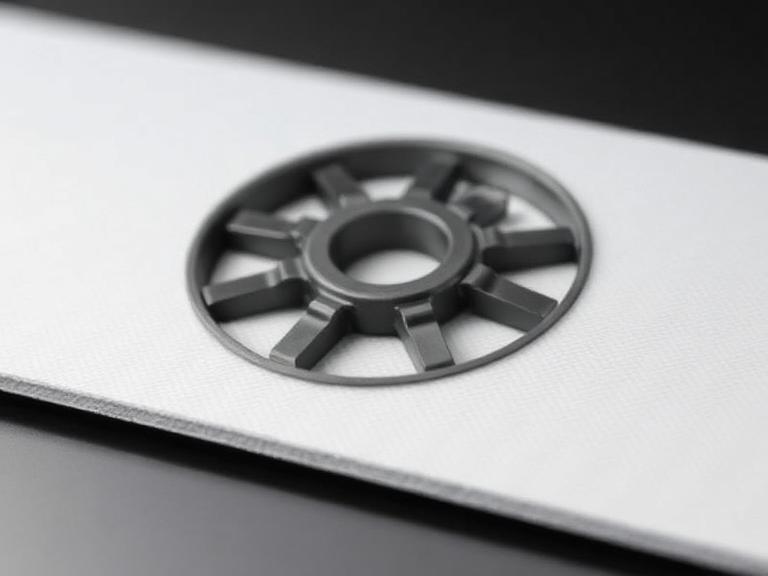
Why Cotton Fabric Laminates Are Ideal for Mechanical Components
Phenolic cotton laminate suits mechanical parts because its woven cotton reinforcement absorbs shock, resists wear and machines cleanly for gears, bushings and rollers.

Phenolic cotton laminate suits mechanical parts because its woven cotton reinforcement absorbs shock, resists wear and machines cleanly for gears, bushings and rollers.
Machining G10 fiberglass laminate: practical guidance on CNC cutting, drilling and milling, tooling, dust control and dimensional accuracy for insulation parts.
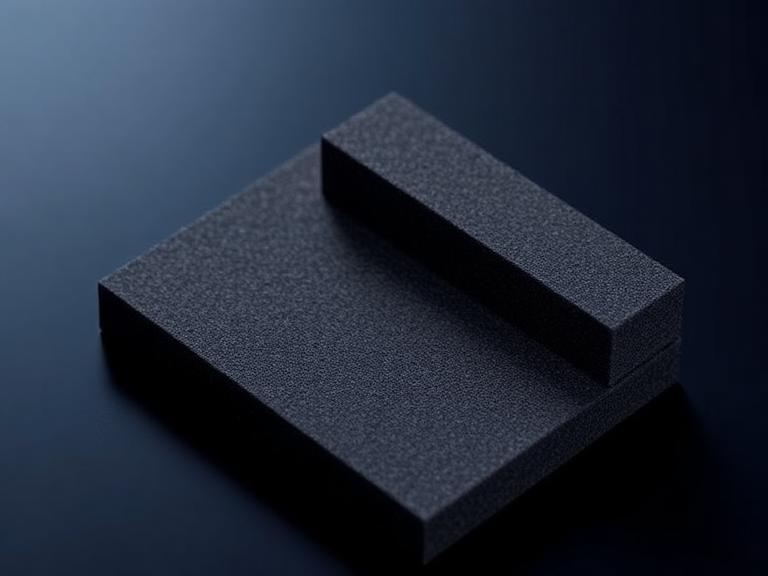
G10 density is about 1.8 g/cm³ (0.065 lb/in³). See how density relates to sheet weight, thickness tolerance, grade choice and CNC machining decisions.
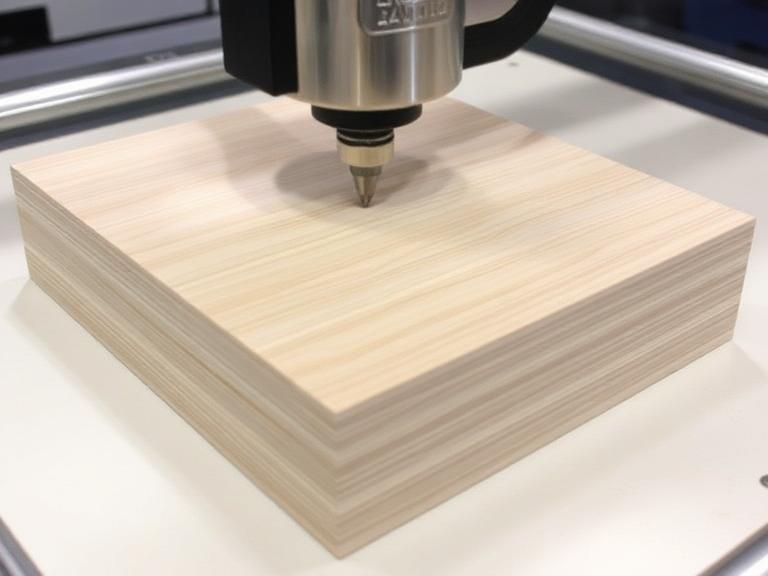
G10 machining explained: carbide or PCD tooling, dust extraction, heat control and practical CNC tips for FR4 and G10 insulation parts.
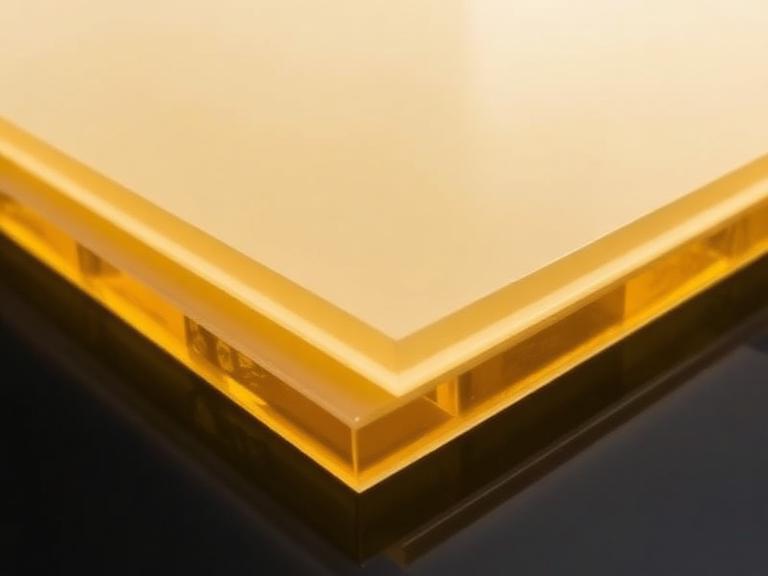
Compare phenolic board global suppliers for 2026: material grades, laminate types, CNC machining capability and sourcing checks for B2B buyers.
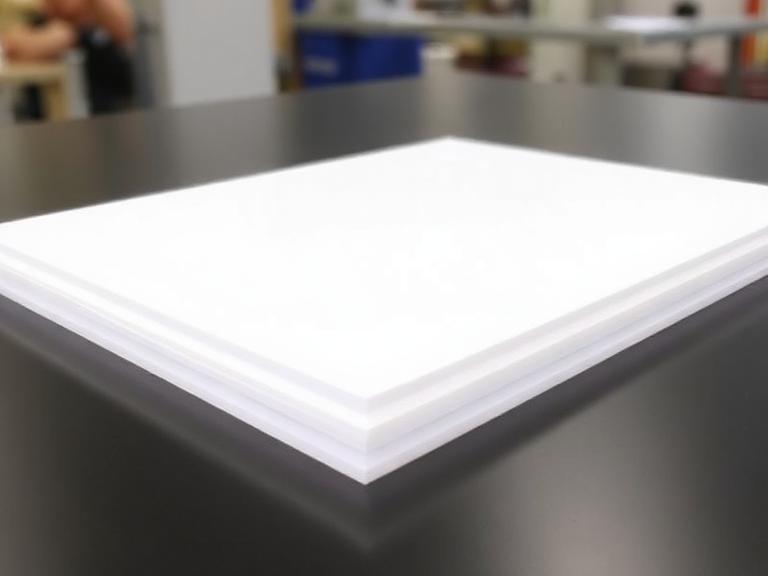
Compare 7 US FR4 sheet sources plus a checklist for grade, V-0, tolerances and CNC fabrication before requesting industrial FR4 insulation sheet quotes.
Source FR4 epoxy fiberglass sheets from a manufacturer: EPGC202 grades, 1020x1220 mm and 1220x2440 mm panels, cut-to-size and CNC-machined insulation parts.
– SjcncinSulation Frequently Asked Questions What is the minimum order quantity? There is no minimum order quantity for full sheets. For custom-machined parts, the minimum order quantity is 50 pieces per design. What full-sheet sizes…
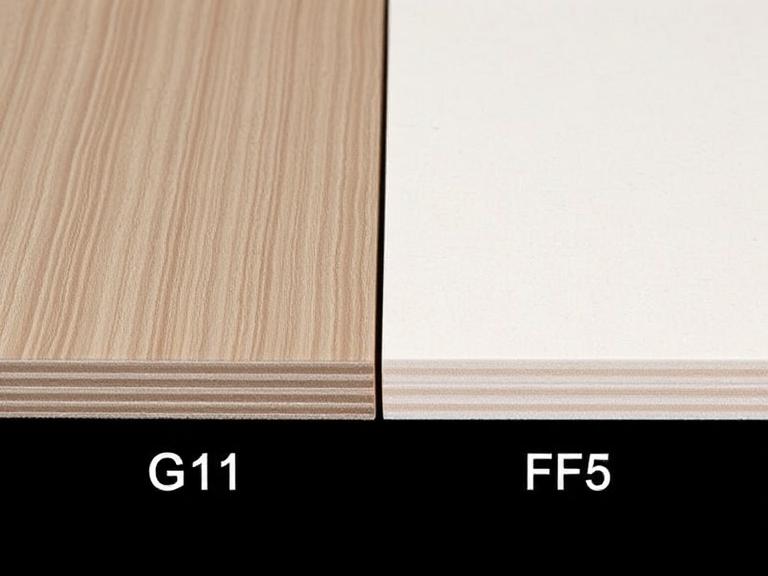
In the high-stakes world of industrial electrical engineering and aerospace manufacturing, material selection is not just a matter of preference—it is a matter of catastrophic failure versus operational success. As power densities increase and enclosures…

Electrostatic discharge (ESD) is the silent, invisible killer of modern electronics. A static shock so minor that a human operator cannot even feel it can instantaneously vaporize the microscopic silicon pathways inside a microprocessor. For…