
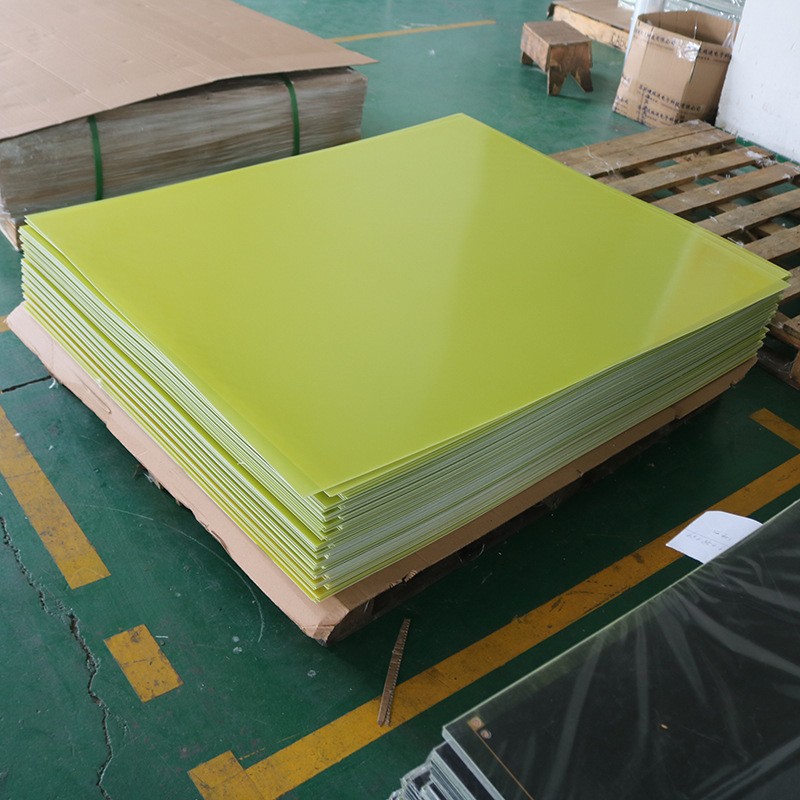
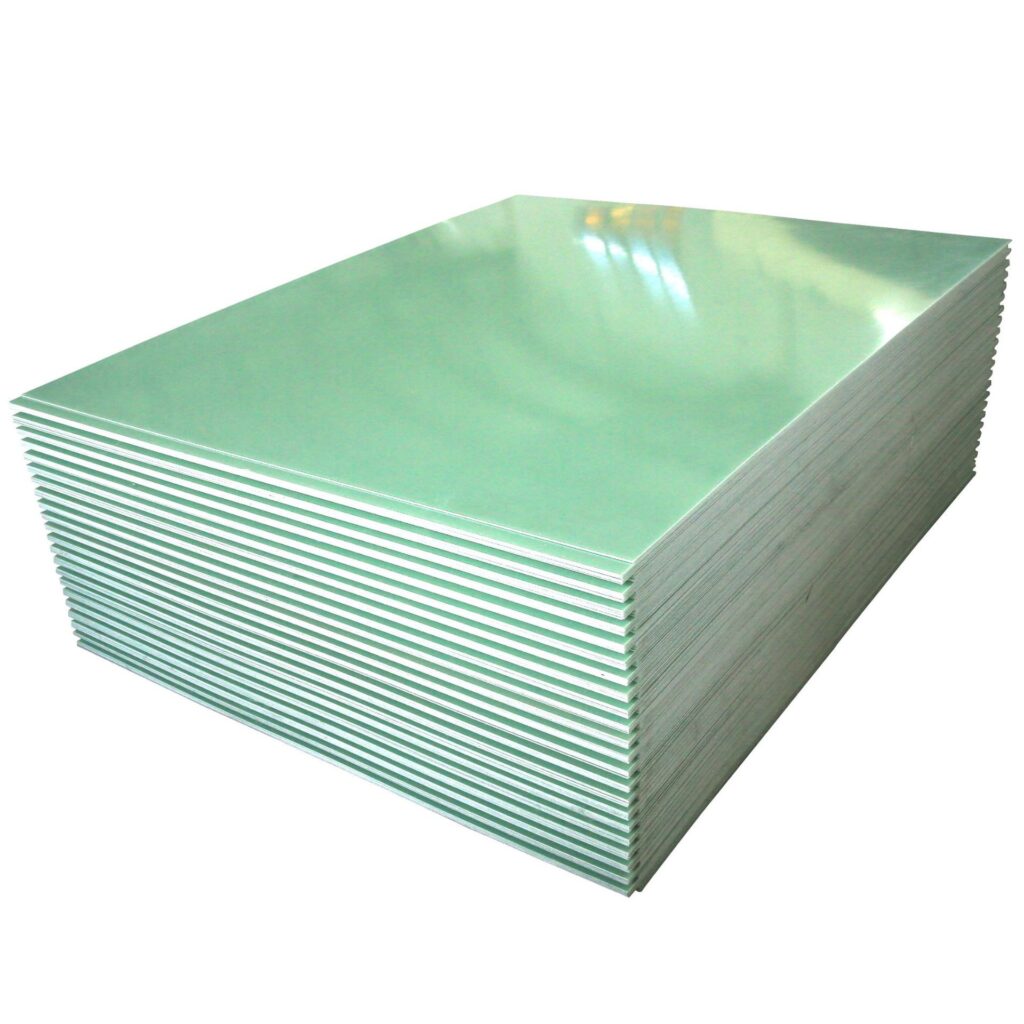
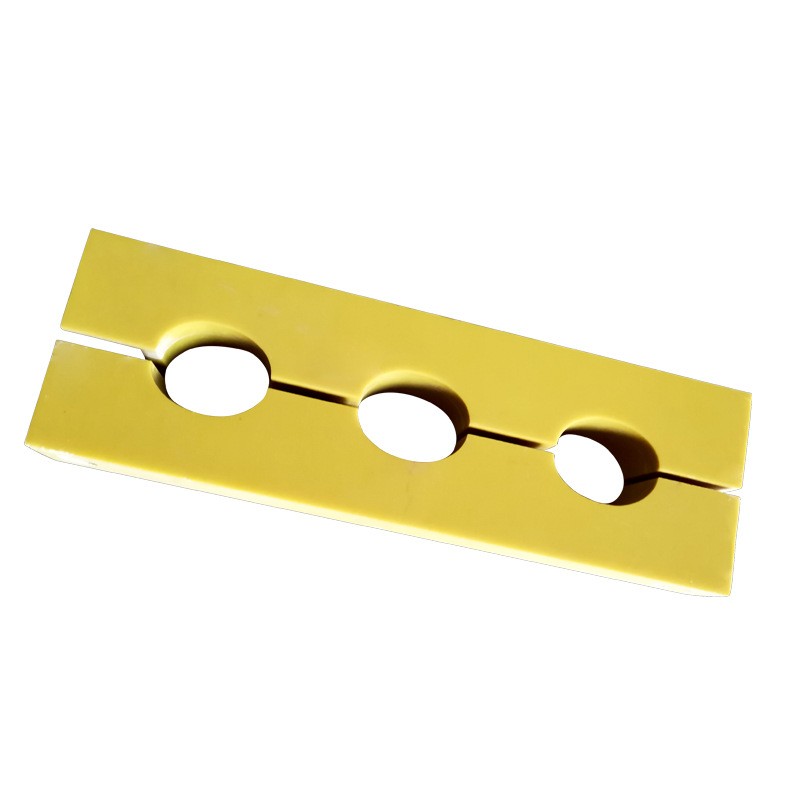
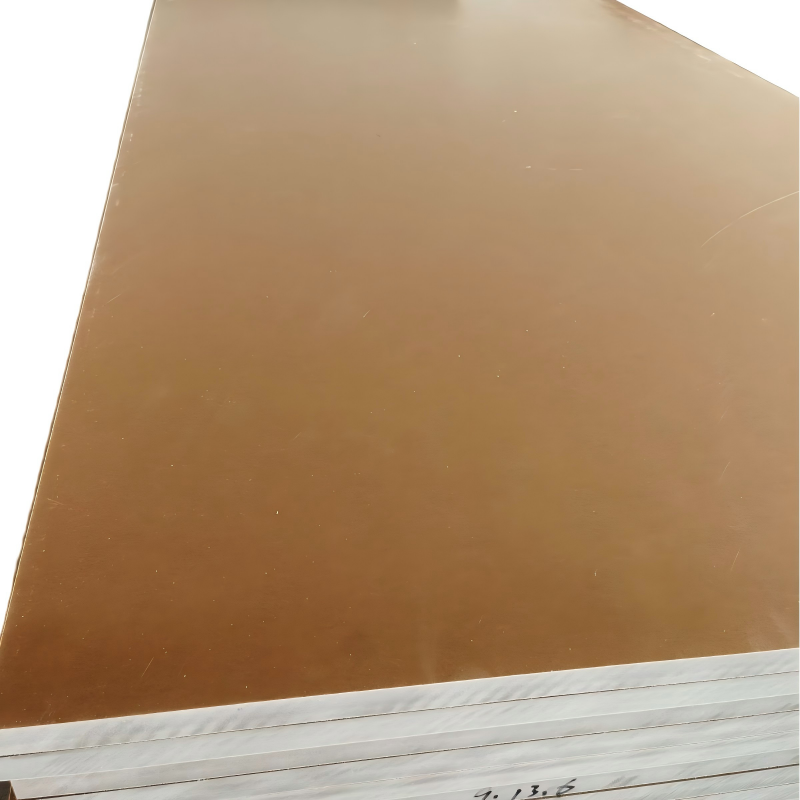
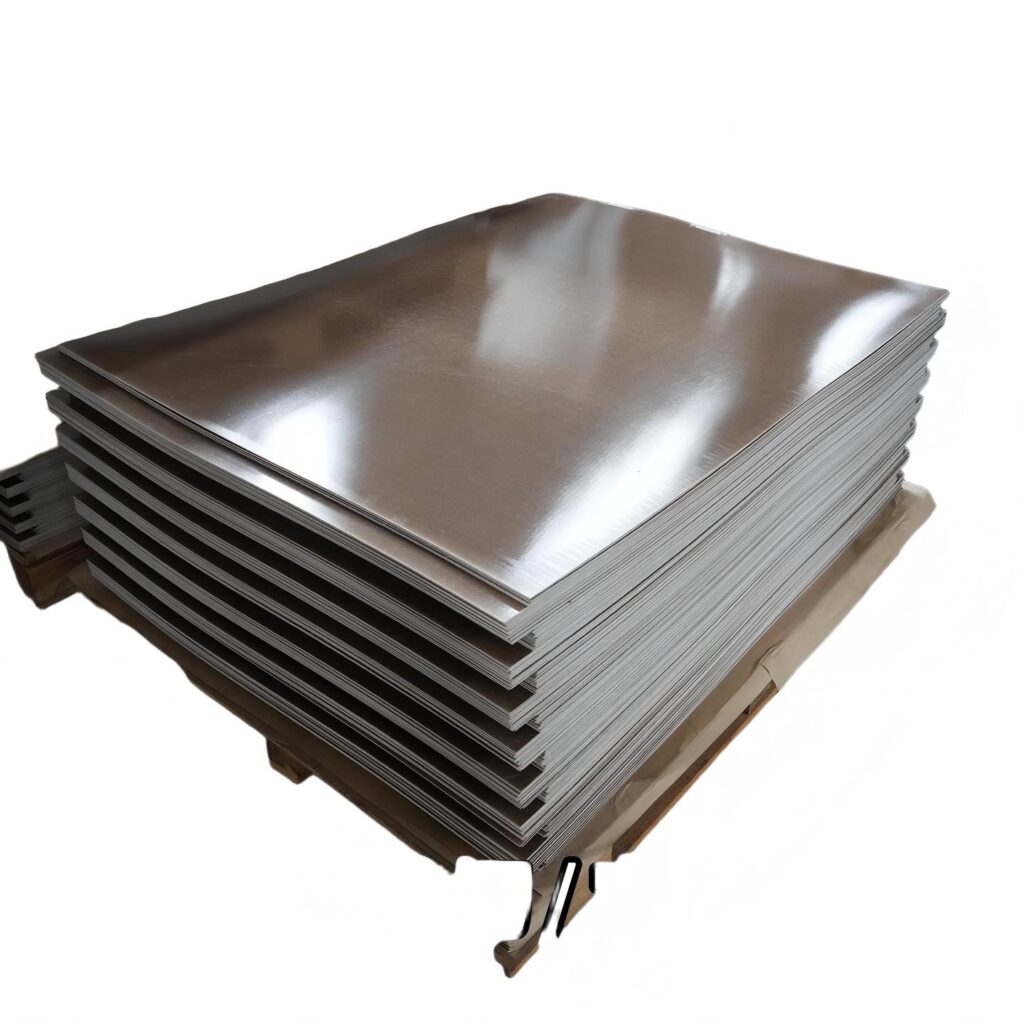
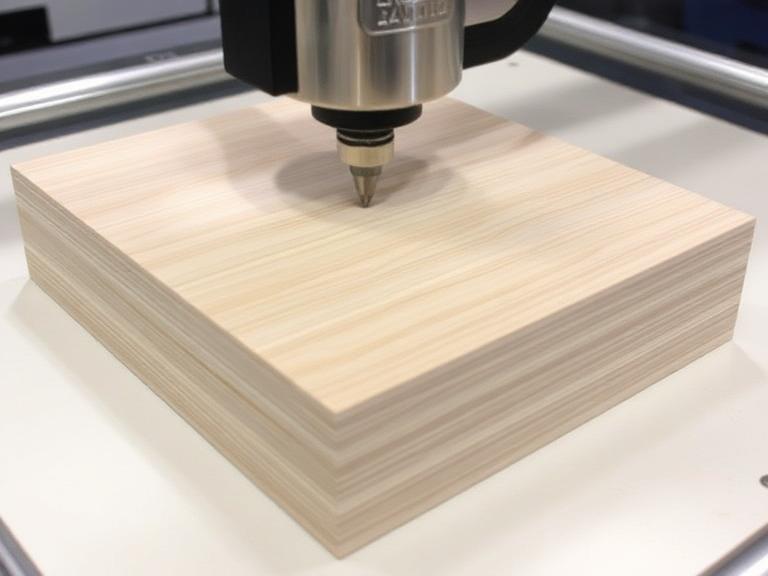
FR4 epoxy sheet EPGC202 is a flame-retardant electrical insulation laminate manufactured from woven glass fiber cloth impregnated with epoxy resin and laminated under controlled temperature and pressure.
The material combines high mechanical strength, reliable electrical insulation, low moisture absorption, dimensional stability and flame-retardant performance. It is widely used for electrical equipment, transformers, switchgear, motors, PCB fixtures, busbar supports, battery systems and precision-machined insulating components.
Get a quote: info@sjcncinsulation.com. WhatsApp: +8615950409403
EPGC201 G10 Epoxy Glass Cloth Laminate Sheet is a high-performance electrical insulation material manufactured by impregnating woven fiberglass cloth with epoxy resin as the bonding agent, followed by drying and hot pressing under high temperature and pressure.
This epoxy fiberglass laminate sheet features excellent mechanical strength, electrical insulation properties, moisture resistance, flame retardancy, and heat resistance. Even after water immersion, it maintains stable dielectric performance, making it suitable for various electrical insulation and mechanical applications.
E-mail: info@sjcncinsulation.com
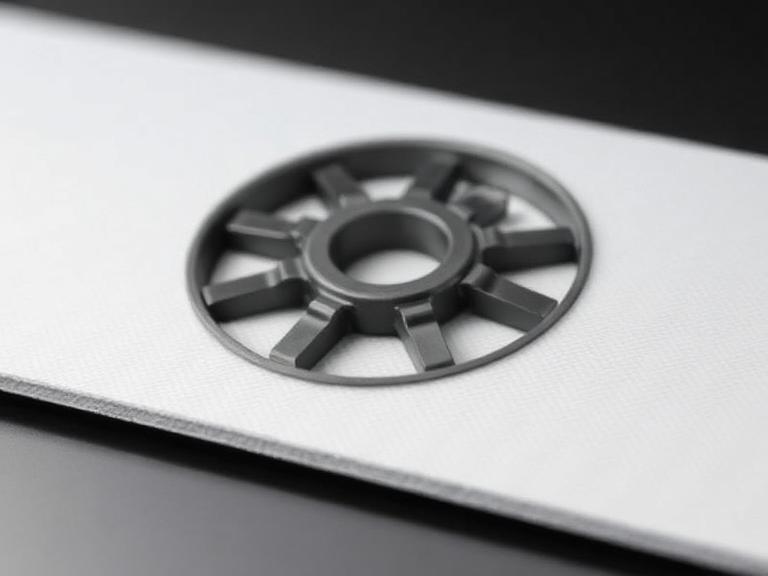
.DXF / .DWG (AutoCAD), .STEP / .STP (SolidWorks), or Physical Prototypes
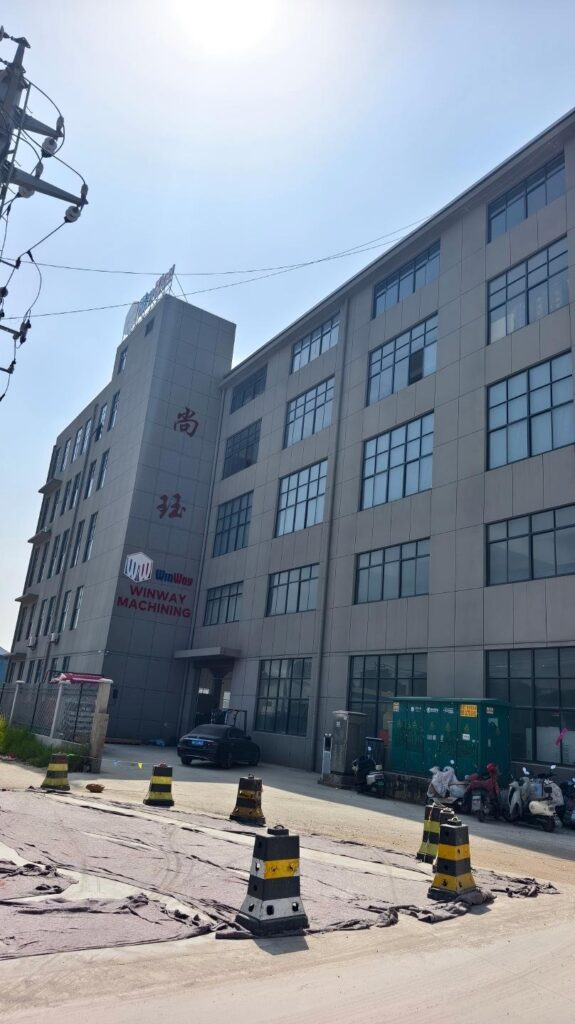
Wuxi Shangjue Technology Co., Ltd. is a modern manufacturing enterprise specializing in the production, processing, sales, and service of insulation materials and plastic sheets. The company is located in Houqiao Industrial Park, Xinwu District, Wuxi City, Jiangsu Province, China. We are supported by a young and highly skilled team of engineers with strong R&D capabilities, as well as a professional sales team.
What We Offer
Explore our full range of insulation materials, engineering plastics, and CNC machining services.
Here you’ll find product details, technical specifications, processing capabilities, and application solutions designed to support your projects from material selection to finished parts.
Strong, Lightweight, and Electrically Insulating
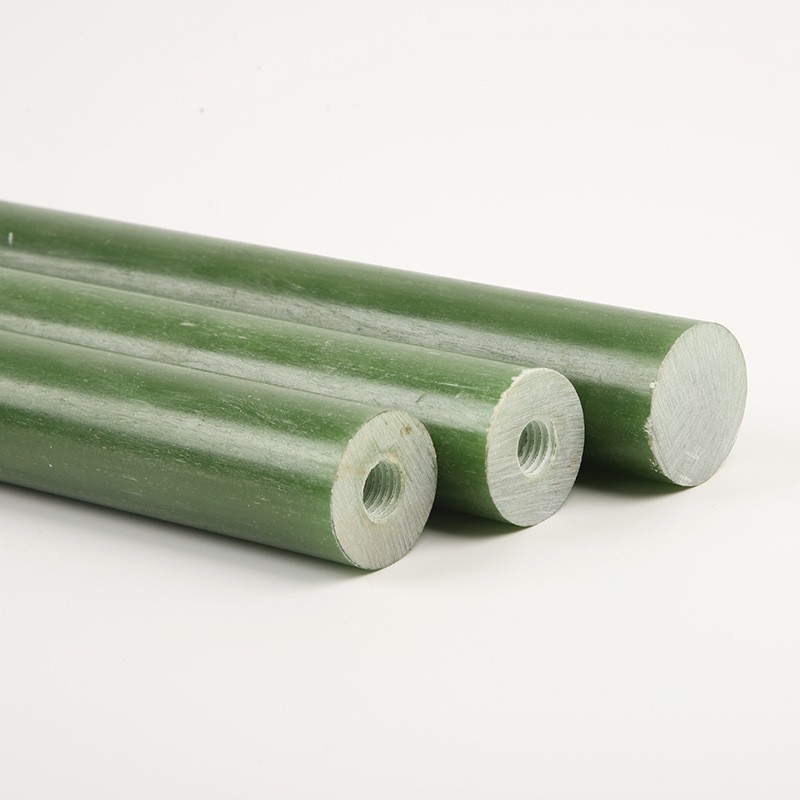
Fiberglass Board
Carving Out Excellence
Explore our complete range of insulation materials and engineering plastics, including epoxy boards, fiberglass boards, bakelite boards, and custom CNC-machined parts. Click to view full specifications, applications, and processing options on our product pages.
Our Capabilities
We provide comprehensive solutions for insulation materials and engineering plastics, including custom CNC machining, technical support, and quality-controlled production. Our services are designed to meet diverse industrial applications, helping you get reliable, high-performance components efficiently.
Comprehensive Material & Machining Solutions
Start Your Custom Project Today
Send us your drawings or requirements, and our experienced engineering team will provide fast evaluation, competitive pricing, and reliable production solutions for insulation materials and CNC-machined components.
Call us today at +86 159 5040 9403
Latest Articles

How to Choose Industrial Insulation Materials?
In the beating heart of modern manufacturing, petrochemical processing, and power generation, the selection of proper Industrial Insulation Materials dictates far more than basic energy efficiency. It is the definitive line of defense between operational stability and catastrophic, multi-million-dollar failures. From our experience auditing industrial facilities, the industry is smothered

6 Types and Applications of PFCC Materials Explained
Navigating the industrial composites market requires precision. Specifying the wrong structural or insulating material for a high-load or high-voltage application does not just risk component failure; it jeopardizes the safety of entire electromechanical systems. Among the foundational engineering plastics, Phenolic Fabric Cotton Cloth (PFCC) materials—often historically referred to as Bakelite,

6 Applications of PFCP201 Phenolic Paper Laminates: An Engineering Guide
In the highly specialized world of industrial electrical insulation, component failure is not an option. When an insulating material degrades, the resulting electrical arc can cause catastrophic fires, equipment destruction, and unacceptable production downtime. Engineers are constantly faced with the challenge of selecting materials that balance mechanical strength, dielectric properties,