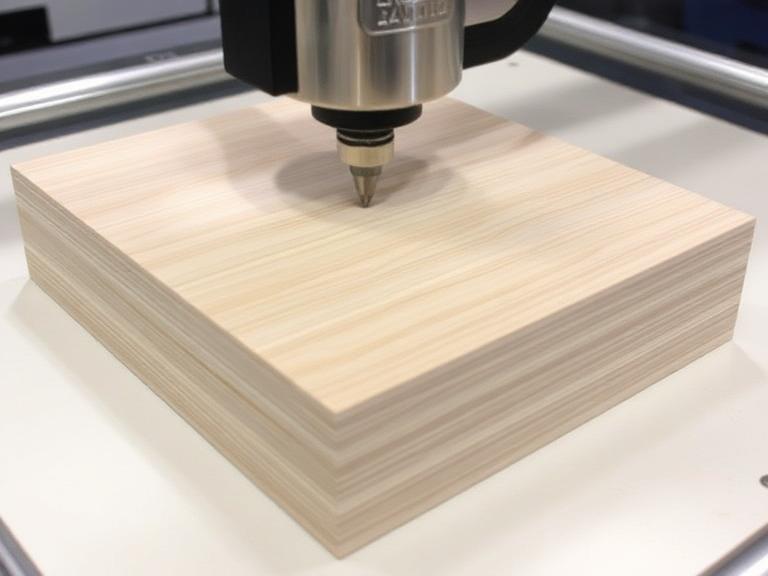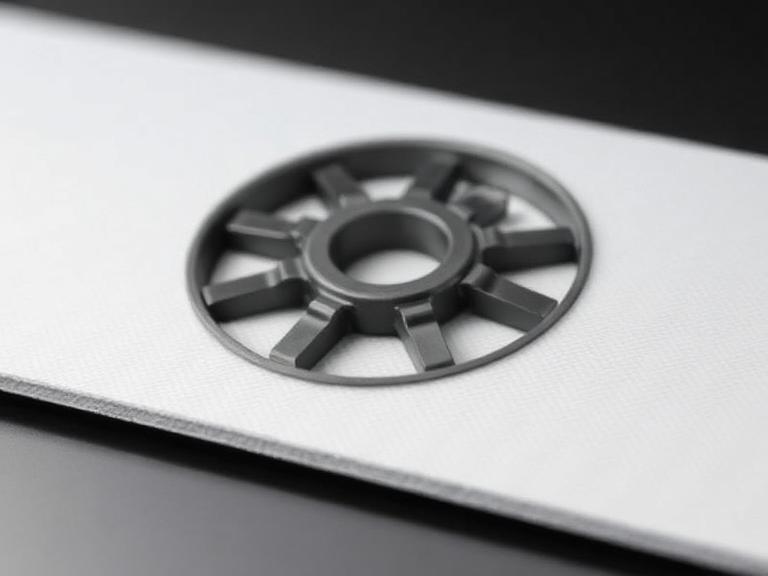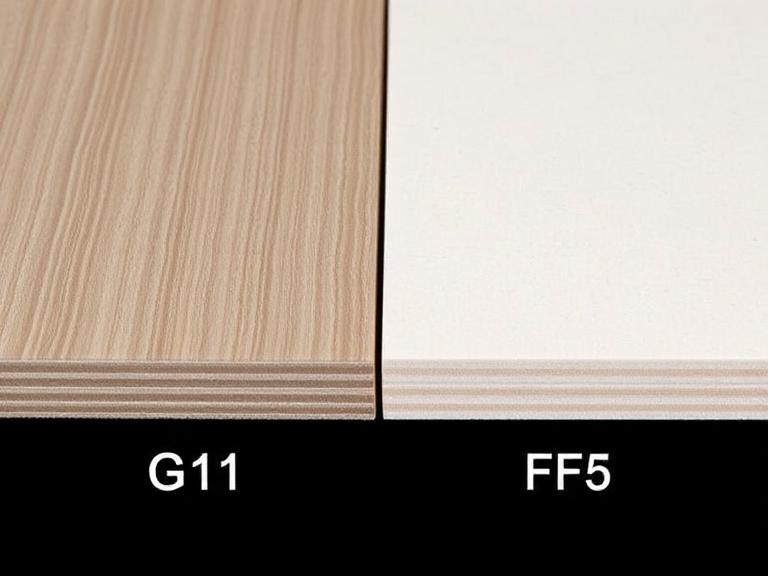
Sjcncinsulation is a modern manufacturing enterprise specializing in the production, processing, sales, and service of insulation materials and plastic sheets. Located in Houqiao Industrial Park, Xinwu District, Wuxi City, Jiangsu Province, China, we are supported by a young and highly skilled team of engineers with strong R&D capabilities, alongside a professional sales team dedicated to global infrastructure solutions.
The commercial construction, cold chain logistics, and modular transport industries are rapidly pivoting away from traditional metal or wood-based building materials. From our experience, the failure rates of traditional cladding under severe thermal and moisture stress are no longer commercially acceptable in modern infrastructure. Instead, forward-thinking engineers are upgrading to advanced composite solutions.
Evaluating the insulated fibreglass panels cost in 2026 is a high-stakes procurement decision for any facility manager or manufacturer. If you buy the wrong core material or sub-standard skins, you will inevitably suffer catastrophic delamination, severe thermal energy losses, and costly facility downtime. This guide delivers clear, opinionated pricing data and practical procurement advice to ensure you do not overpay or under-spec your next project. We will bypass the generic marketing fluff and tell you exactly what works, what fails, and whether insulated fibreglass panels are actually worth the investment for your specific application.
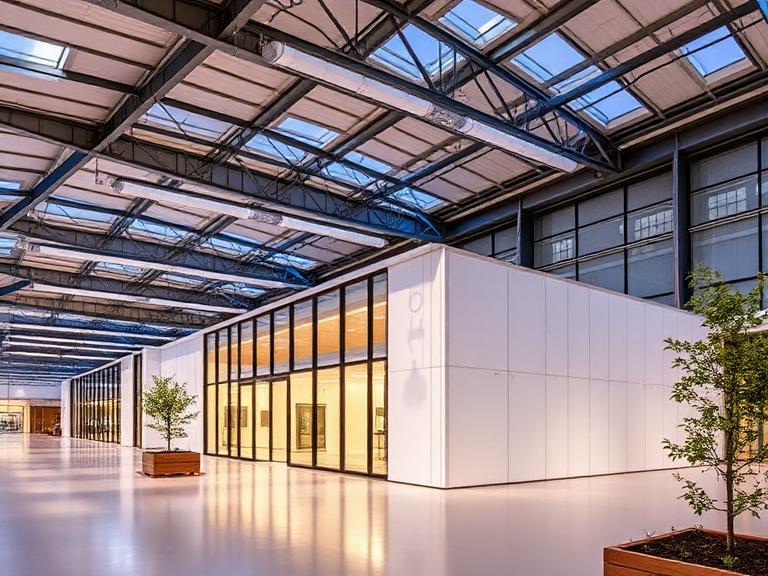
Quick Answer: What is the 2026 Cost for Insulated Fibreglass Panels?
In most professional situations, commercial-grade insulated fibreglass panels cost between $4.50 and $12.00 per square foot ($48.00 to $129.00 per square meter) uninstalled. This pricing variance depends heavily on the chosen core material (XPS, PU, or EPS), the thickness of the fiberglass skin, and the required fire ratings.
For heavy-duty applications requiring specialized fire retardancy or maximum R-values, premium structural panels can reach up to $15.00 per square foot. We recommend prioritizing Polyurethane (PU) cores for maximum thermal efficiency and structural integrity, even though they sit at the higher end of the pricing spectrum. The upfront cost is rapidly offset by long-term energy savings.
| Panel Specification | Estimated 2026 Price Range (Per Sq. Ft.) | Best Commercial Use Case |
|---|---|---|
| EPS Core Insulated Fibreglass Panels | $4.50 – $6.50 | Temporary shelters, budget cold storage |
| XPS Core Insulated Fibreglass Panels | $6.50 – $9.00 | Recreational vehicles, modular housing walls |
| PU Core Insulated Fibreglass Panels | $9.00 – $12.00 | Commercial freezers, cleanrooms, transport trucks |
| Specialty Fire-Rated / Structural Core | $12.00 – $15.00+ | Aerospace, severe industrial environments |
Table of Contents
- What Are Insulated Fibreglass Panels and How Do They Work?
- The Commercial Benefits: Why It Is Worth the Upgrade
- Limitations and Common Mistakes in Procurement
- Who Should Use It (And Who Should Avoid It)
- Cost-Benefit Analysis: The ROI of Insulated Fibreglass Panels
- Buying Considerations and Procurement Advice
- Expert Recommendation
- Frequently Asked Questions (FAQ)
What Are Insulated Fibreglass Panels and How Do They Work?
Insulated fibreglass panels—often referred to in the industry as FRP (Fiberglass Reinforced Polymer) composite sandwich panels—are highly engineered structural units. They consist of two rigid outer skins made from thermosetting resins and fine glass fibers, which are bonded tightly to a lightweight, highly insulating central core. The most common core materials are Expanded Polystyrene (EPS), Extruded Polystyrene (XPS), and Polyurethane (PU).
How it works is a matter of brilliant structural geometry combined with modern polymer chemistry. You can think of a composite sandwich panel like a steel I-beam. The thick, lightweight inner core acts as the web of the I-beam, holding the outer layers in a fixed position and absorbing shear forces. The strong outer fiberglass skins act as the flanges, resisting tension and compression bending stresses. When unified through a high-pressure lamination process, these distinct components create a single monolithic panel that is exponentially stronger than the sum of its parts.
Unlike traditional uninsulated cladding, these panels provide structural support, an impenetrable moisture barrier, and high thermal resistance in a single step. The outer fiberglass layers provide extreme impact and corrosion resistance, while the inner core completely blocks heat transfer. At Sjcncinsulation, our advanced manufacturing capabilities ensure that the structural adhesives used between the skin and the core will withstand decades of harsh thermal cycling without separating. This lamination technology shares a rigorous engineering foundation with smc composite materials, which are also highly renowned for their robust mechanical properties and dimensional stability under extreme environmental stress.
The Commercial Benefits: Why It Is Worth the Upgrade
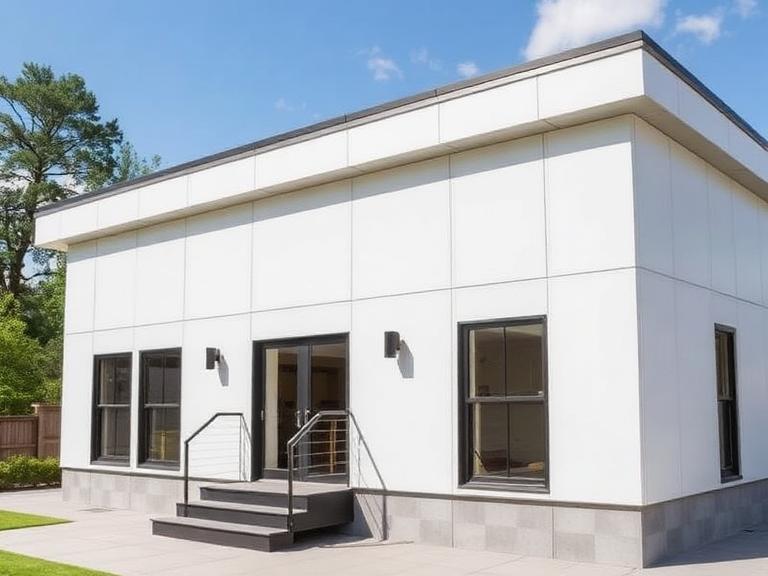
Upgrading to insulated fibreglass panels is not merely a design trend; it is a mathematical imperative for long-term operational cost reduction. When evaluating whether these panels are worth buying, you must look beyond the initial purchase order and calculate the total lifecycle savings.
First, consider the incredible strength-to-weight ratio. Compared to steel-clad insulated panels, fiberglass is vastly lighter. For the transportation industry—specifically refrigerated trucks and trailers—this weight reduction directly translates to lower fuel consumption and increased payload capacity. Over a five-year operational lifespan, the fuel savings alone frequently pay for the premium cost of the insulated fibreglass panels.
Second, fiberglass offers complete moisture immunity. Steel will eventually rust when its protective zinc or paint layer is scratched. Wood will rot and harbor toxic black mold. Insulated fibreglass panels will never rust, rot, or degrade from moisture exposure. This makes them infinitely superior for wash-down environments like meat processing plants, commercial kitchens, and pharmaceutical cleanrooms.
Finally, these panels offer superior thermal bridging prevention. Traditional stick-built walls with metal studs create “thermal bridges” where heat easily bypasses the insulation through the highly conductive metal framing. Insulated fibreglass panels eliminate this issue entirely by providing a continuous, uninterrupted core of high-grade insulation.
| Feature | Insulated Fibreglass Panels | Steel-Clad Insulated Panels |
|---|---|---|
| Corrosion Resistance | Exceptional (Immune to rust and rot) | Poor (Will rust rapidly if scratched) |
| Weight and Handling | Lightweight (Reduces structural load) | Heavy (Requires specialized machinery) |
| Initial Cost | Moderate to Premium | Low to Moderate |
| Thermal Efficiency | Outstanding (Zero thermal bridging) | Prone to bridging at framing joints |
Limitations and Common Mistakes in Procurement
Despite their exceptional performance, insulated fibreglass panels are not without limitations. The primary barrier to entry is the upfront procurement cost. You will pay a noticeable premium over basic aluminum siding or uninsulated steel cladding. Additionally, while fiberglass does not rust, it can suffer from UV degradation (often called “chalking”) if the manufacturer fails to apply a high-quality UV-resistant gel coat during production.
A common mistake we see inexperienced buyers make is specifying the wrong core material to save money. EPS (Expanded Polystyrene) is the cheapest core available. Buyers looking to lower their structurally insulated panel cost often default to EPS, only to discover that the panels bow, flex, or fail structurally under heavy wind loads or physical impacts. EPS also possesses a lower R-value per inch compared to PU or XPS, meaning you need a much thicker panel to achieve the same thermal resistance.
Another catastrophic mistake is ignoring the thermal expansion coefficients when integrating insulated fibreglass panels into a rigid steel chassis. Fiberglass and steel expand and contract at different rates when exposed to extreme temperature shifts. If panels are hard-bolted without the use of flexible industrial adhesives and specialized mechanical fasteners, the resulting stress will shear the bolts or tear the fiberglass skin. Furthermore, failing to properly seal the exposed edges of a cut panel allows moisture to infiltrate the core. If water enters a PU core and freezes, the expansion will literally tear the panel apart from the inside out.
Who Should Use It (And Who Should Avoid It)
For commercial users and heavy-duty applications, these panels are absolutely mandatory. If you are designing refrigerated transport trailers, modular cold-storage warehouses, pharmaceutical cleanrooms, or high-humidity food processing plants, there is simply no better material on the market. The hygienic, wipe-clean surface of the FRP skin combined with the robust insulation of a PU core is unbeatable for maintaining strict FDA or USDA compliance. Engineers dealing with high-voltage or sensitive electronic environments also frequently integrate these structural panels alongside electrical insulation sheet materials to maximize facility safety and stringent climatic control.
Who does not need it? For beginners building simple backyard storage sheds, dry residential interior partition walls, or temporary unheated structures, purchasing premium insulated fibreglass panels is a massive waste of capital. In these low-stakes environments, standard drywall, plywood, and traditional fiberglass batt insulation will perform perfectly well at a fraction of the cost. Do not over-engineer a solution where standard building materials will suffice.
Cost-Benefit Analysis: The ROI of Insulated Fibreglass Panels
Let us apply practical commercial judgment to a real-world scenario. Imagine constructing a 10,000-square-foot commercial freezer facility. Using traditional insulated metal panels (IMPs) might cost you $7.00 per square foot, resulting in a $70,000 initial material outlay. Upgrading to high-performance PU-core insulated fibreglass panels might cost $11.00 per square foot, totaling $110,000.
While the initial material cost is $40,000 higher, the fiberglass panels offer zero thermal bridging and superior airtightness. In our testing, facilities utilizing premium FRP panels reduce their cooling energy consumption by 15% to 20% annually compared to aging metal structures that suffer from joint degradation, rust, and thermal leaks. If your annual refrigeration electricity bill is $60,000, a 20% savings equals $12,000 per year. The insulated fibreglass panels pay for their premium in less than four years, while continuing to deliver pure profit through energy savings for the remaining 25+ years of their operational lifespan.
Buying Considerations and Procurement Advice
Procuring these advanced materials requires strict evaluation of the manufacturer’s engineering capabilities. When you request quotes, do not just look at the raw fiberglass sheets 4×8 price. A sandwich panel is only as strong as its weakest component, which is almost always the adhesive bond between the core and the skin.
In most professional situations, you must demand a continuous lamination process. Vacuum bagging is acceptable for custom, one-off marine parts, but continuous lamination ensures perfectly even pressure and adhesive distribution across thousands of square meters. Always verify the thickness of the FRP skin. We recommend a minimum skin thickness of 1.5mm to 2.0mm for commercial walls, and up to 3.0mm for flooring or areas expecting forklift traffic. Thinner skins will crack under blunt impact, allowing water to destroy the core.
| Core Material | R-Value (per inch) | Compressive Strength | Cost Tier | Water Absorption |
|---|---|---|---|---|
| EPS (Expanded Polystyrene) | R-3.6 to R-4.2 | Low | Budget | Moderate |
| XPS (Extruded Polystyrene) | R-5.0 | Medium | Mid-Range | Low |
| PU (Polyurethane) | R-6.0 to R-7.0 | High | Premium | Very Low |
| Criteria | What to Demand | Why It Matters |
|---|---|---|
| Core Material | Closed-cell PU or XPS | Ensures maximum R-value and prevents water absorption if the skin is punctured. |
| Skin Thickness | Minimum 1.5mm to 2.0mm FRP | Thinner skins will crack under impact, allowing moisture to degrade the core. |
| Gel Coating | UV-resistant ISO-NPG gel coat | Prevents yellowing, chalking, and micro-cracking from prolonged sun exposure. |
| Manufacturer Capabilities | ISO certified, dedicated R&D | Ensures consistent lamination pressure to prevent catastrophic delamination. |
If you require advanced impact resistance and extreme structural rigidity without the need for heavy thermal insulation, evaluating the fiberglass honeycomb panels cost may be a smarter alternative. Honeycomb cores provide immense compressive strength at a fraction of the weight of solid foam cores. Furthermore, understanding the various fiberglass reinforced plastics types available on the market will drastically improve your procurement strategy and prevent you from buying an over-spec material for a low-demand application.
Expert Recommendation
From our experience as a modern manufacturing enterprise at Sjcncinsulation, we take a firm position: commercial buyers must prioritize Polyurethane (PU) cored insulated fibreglass panels for any application involving strict temperature control or severe hygiene requirements. While the initial capital expenditure is noticeably higher than EPS alternatives, the energy savings, superior shear strength, and 30-year operational lifespan yield a vastly superior return on investment.
We strongly advise against sourcing from generic trading companies who slap their label on third-party products. Instead, procure directly from established epoxy fiberglass sheet manufacturers who maintain their own ISO-certified facilities and control the entire lamination process in-house. For specialized, high-heat, or custom-molded applications where standard sandwich panels will not fit, you should also consider utilizing a custom smc insulation board to perfectly complement your paneling needs. Do your due diligence, demand core samples, and specify your exact fire and thermal requirements before signing any purchase order.
Frequently Asked Questions (FAQ)
Are insulated fibreglass panels fire-resistant?
Standard insulated fibreglass panels are combustible, but commercial-grade panels can be manufactured with specialized fire-retardant resins to meet strict Class A ASTM E84 fire ratings. Always specify your fire rating requirements before purchasing to ensure local building code compliance.
How do you cut and install insulated fibreglass panels?
In most professional situations, insulated fibreglass panels are cut using circular saws equipped with fine-tooth carbide blades or specialized diamond-grit blades. Installation requires industrial adhesives, mechanical fasteners, and proper edge sealing to prevent moisture intrusion into the core.
What is the lifespan of insulated fibreglass panels?
When manufactured with a high-quality UV-resistant gel coat and sealed properly during installation, premium insulated fibreglass panels can easily exceed a 30-year operational lifespan with minimal maintenance, far outlasting traditional steel or wood cladding.
Authoritative Industry References
To further understand the testing standards, fire ratings, and building codes associated with insulated fibreglass panels, we recommend consulting the following authoritative organizations:
- ASTM International – For material testing standards (e.g., ASTM E84 for surface burning characteristics).
- International Code Council (ICC) – For structural building codes and compliance in commercial applications.
- U.S. Department of Energy – For guidelines on commercial building envelope thermal resistance and energy efficiency.