As we navigate through 2026, the demand for lightweight, high-strength structural materials continues to surge across the aerospace, marine, automotive, and architectural sectors. Understanding the nuances of the Fiberglass honeycomb panels cost is critical for procurement managers, structural engineers, and project leads looking to balance performance with budget constraints. From our experience at SjcncinSulation, the current economic climate demands a rigorous analysis of supply chain variables and material specifications to accurately forecast project expenses.
Authored by SjcncinSulation — A modern manufacturing enterprise specializing in the production, processing, sales, and service of insulation materials and plastic sheets. Located in Houqiao Industrial Park, Xinwu District, Wuxi City, Jiangsu Province, China. Our young and highly skilled team of engineers offers strong R&D capabilities to deliver premium composite solutions globally.
Table of Contents
- 1. Introduction to the 2026 Composites Market
- 2. Key Factors Influencing Fiberglass Honeycomb Panels Cost
- 3. Material Selection: How Cores and Skins Impact Pricing
- 4. Comparing Costs: Fiberglass vs. Carbon Fiber and Phenolic Laminates
- 5. The Role of Custom Machining in Final Procurement Costs
- 6. Expert Strategies for Cost Optimization
- 7. Summary Table: Expected 2026 Cost Benchmarks
- 8. Frequently Asked Questions (FAQs)
- 9. References
1. Introduction to the 2026 Composites Market
Fiberglass honeycomb panels are renowned for their exceptional strength-to-weight ratio, superior rigidity, and excellent corrosion resistance. However, the Fiberglass honeycomb panels cost in 2026 is far from a static figure. It is heavily influenced by the specific type of core material utilized, the quality of the fiberglass skins, the bonding resins applied, and the complexity of the manufacturing process. In this comprehensive guide, we will leverage our professional expertise in Special Insulation Materials and Engineering Plastics to dissect every variable that dictates the modern Fiberglass honeycomb panels cost.
2. Key Factors Influencing Fiberglass Honeycomb Panels Cost
The global composites market is subject to macroeconomic shifts, environmental regulations, and technological advancements. To accurately predict your Fiberglass honeycomb panels cost for upcoming projects, it is imperative to understand the underlying mechanics of the supply chain.
2.1 Raw Material Price Fluctuations
The primary components of these structural sandwich panels are the fiberglass reinforced plastic (FRP) skins and the honeycomb core. The resins used to impregnate the fiberglass—such as polyester, vinyl ester, or epoxy—are petrochemical derivatives. Consequently, the Fiberglass honeycomb panels cost is intrinsically linked to global oil prices and refining capacities. In 2026, we observe a steady stabilization in base resin costs, although premium epoxy systems continue to command higher prices due to their superior mechanical and thermal properties.
We recommend clients closely monitor the pricing of specialized resins. At SjcncinSulation, our deep expertise in producing high-grade Epoxy Fiberglass Laminates allows us to mitigate some of these market volatilities through strategic raw material sourcing and advanced formulation techniques. By optimizing the resin matrix, we can positively impact the overall Fiberglass honeycomb panels cost without compromising structural integrity.
2.2 Manufacturing and Processing Innovations
The production of honeycomb panels involves precise lamination, vacuum bagging, or continuous pressing techniques to ensure a flawless bond between the core and the skins. The Fiberglass honeycomb panels cost is heavily determined by the chosen production methodology. Batch processing via vacuum infusion yields exceptionally high-quality panels with minimal void content, yet it drives up the labor and time components of the Fiberglass honeycomb panels cost.
Conversely, automated continuous lamination lines reduce per-square-meter expenses but require massive upfront capital and are typically restricted to standardized panel sizes. From our experience, projects requiring highly customized dimensions or specialized structural inserts will see a proportional increase in their Fiberglass honeycomb panels cost due to the bespoke nature of the manufacturing process.
3. Material Selection: How Cores and Skins Impact Pricing
Not all fiberglass panels are created equal. The internal core geometry and material formulation are arguably the most significant cost drivers.
- Polypropylene (PP) Honeycomb Cores: These are the most economical option, highly valued for commercial transportation and basic architectural cladding. Choosing a PP core will yield the lowest base Fiberglass honeycomb panels cost, typically ranging from $25 to $45 per square meter depending on thickness.
- Aluminum Honeycomb Cores: Offering superior shear strength and fire retardancy, aluminum cores layered with fiberglass skins present a mid-tier price point. The Fiberglass honeycomb panels cost here is sensitive to global aluminum commodity pricing, averaging between $50 and $85 per square meter in 2026.
- Aramid (Nomex) Honeycomb Cores: Designed for aerospace and high-performance marine applications, aramid cores offer unparalleled structural properties. Naturally, specifying an aramid core will result in the highest Fiberglass honeycomb panels cost, frequently exceeding $150 per square meter.
4. Comparing Costs: Fiberglass vs. Carbon Fiber and Phenolic Laminates
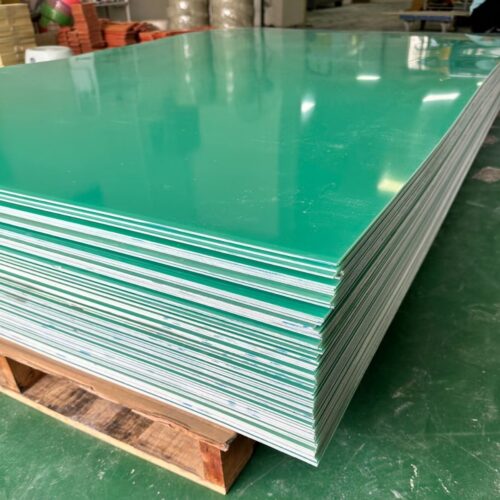
To contextualize the Fiberglass honeycomb panels cost, it is useful to compare it against other advanced composites available in the 2026 market. As a manufacturer offering a diverse portfolio—including Carbon Fiber Plate, Phenolic Resin Laminates, and Insulating Tape / Film—SjcncinSulation provides a unique vantage point on material substitution.
When utmost stiffness and minimal weight are required, Carbon Fiber Plates are the undisputed champions. However, the raw material and processing costs of carbon fiber significantly outpace fiberglass. While a high-end Fiberglass honeycomb panels cost might cap around $120 per square meter for commercial grades, a similarly dimensioned carbon fiber honeycomb panel can easily cost three to five times that amount. We recommend fiberglass honeycomb configurations for projects where budget optimization is just as critical as weight reduction.
Alternatively, for applications demanding extreme thermal resistance and flame retardancy, Phenolic Resin Laminates are often specified. Phenolic panels are dense and highly durable, but they do not offer the lightweight advantages of a honeycomb structure. Integrating phenolic resins into the fiberglass skins of a honeycomb panel is a hybrid approach that provides excellent fire ratings, though it will elevate the standard Fiberglass honeycomb panels cost due to the complexity of curing phenolic systems.
| Material Type | Average 2026 Cost ($/sqm) | Primary Advantage | Ideal Application |
|---|---|---|---|
| Fiberglass PP Honeycomb | $25 – $45 | Highly Cost-Effective, Lightweight | Truck bodies, RVs, basic partitions |
| Fiberglass Aluminum Honeycomb | $50 – $85 | High Shear Strength, Fire Resistance | Marine interiors, architectural facades |
| Phenolic Resin Laminates (Solid) | $40 – $70 | Extreme Flame and Heat Resistance | Electrical insulation, transit flooring |
| Carbon Fiber Plate (Solid) | $200 – $400+ | Maximum Stiffness-to-Weight Ratio | Aerospace, high-performance automotive |
5. The Role of Custom Machining in Final Procurement Costs
Procuring raw panels is only one phase of the supply chain. Integrating these panels into a finished assembly requires precision cutting, edge sealing, routing, and the installation of structural hard points. From our experience, buyers frequently underestimate how post-production processing affects the final Fiberglass honeycomb panels cost.
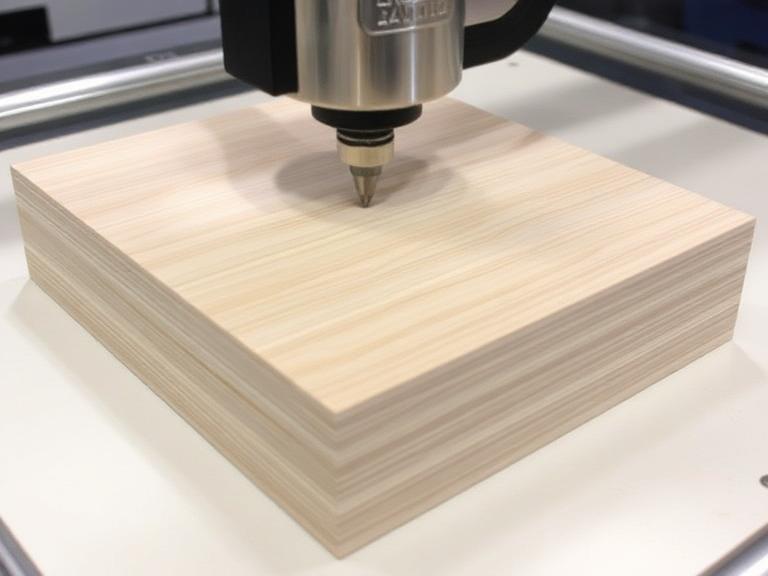
At SjcncinSulation, our Custom Machining services form a core pillar of our operations in Wuxi City. Utilizing state-of-the-art CNC equipment, our highly skilled team of engineers can precisely machine fiberglass skins and delicate honeycomb cores without causing delamination. Outsourcing your custom machining directly to the panel manufacturer significantly reduces the total landed Fiberglass honeycomb panels cost. It eliminates secondary shipping expenses, reduces material waste, and ensures that edge closures and inserts are bonded under ideal factory conditions. If you only look at the raw material price, your calculated Fiberglass honeycomb panels cost will fail to reflect the true financial reality of the finished assembly.
6. Expert Strategies for Cost Optimization
To aggressively manage your total Fiberglass honeycomb panels cost in 2026, we recommend adopting a holistic procurement strategy. First, partner with a manufacturer that possesses strong R&D capabilities. A competent engineering team can often suggest slight modifications to panel thickness or skin layups that drastically reduce the Fiberglass honeycomb panels cost without sacrificing mechanical performance.
Second, consider the lifecycle cost. While standard Engineering Plastics or solid wood might present a lower initial purchase price, the immense weight savings offered by fiberglass honeycomb structures yield ongoing financial benefits in transportation and energy consumption. Over a five-year lifecycle, the higher initial Fiberglass honeycomb panels cost is frequently offset by reduced fuel expenditures in transit applications or lower structural load requirements in construction.
7. Summary Table: Expected 2026 Cost Benchmarks
The following table summarizes the anticipated base and custom-machined Fiberglass honeycomb panels cost based on current 2026 market projections. Please note that exact pricing relies heavily on volume metrics and global shipping rates.
| Specification Category | Core Material | Estimated Base Cost (USD/sqm) | Estimated Cost with Custom Machining (USD/sqm) |
|---|---|---|---|
| Standard Commercial Grade | Polypropylene (PP) | $25.00 – $45.00 | $40.00 – $65.00 |
| Industrial / Marine Grade | Aluminum | $50.00 – $85.00 | $75.00 – $115.00 |
| High-Performance / Transit | Aramid (Nomex) | $150.00 – $220.00 | $190.00 – $280.00 |
| Fire-Retardant Hybrid | Phenolic/Aluminum | $90.00 – $140.00 | $120.00 – $180.00 |