Authored by the Engineering Team at SjcncinSulation, a modern manufacturing enterprise specializing in the production, processing, sales, and service of elite insulation materials and plastic sheets. Based in Houqiao Industrial Park, Xinwu District, Wuxi City, Jiangsu Province, China, our young and highly skilled team of engineers drives continuous R&D to deliver uncompromising material quality to global industries.
From our experience at SjcncinSulation, the nomenclature surrounding these fiberglass epoxies is frequently misunderstood, leading to sub-optimal material selection in critical structural components. The terms G10 and FR4 are often used interchangeably in commercial markets, yet they represent distinct formulations with highly specific thermal and flammability ratings. In this authoritative technical guide, we will dissect the foundational G10 FR4 material properties, explore the nuanced differences between our EPGC201 and EPGC202 specifications, and provide actionable recommendations for integrating these laminates into your precision-machined projects.
Table of Contents
- 1. Understanding the Fundamentals of G10 FR4 Material
- 2. Core Mechanical G10 FR4 Material Properties
- 3. Superior Electrical Insulation Characteristics
- 4. Thermal Endurance and Environmental Stability
- 5. Comparing SjcncinSulation Laminate Grades
- 6. Expert Recommendations for Machining G10 FR4 Material
- 7. Summary Table: G10 FR4 Material Properties
- 8. Frequently Asked Questions (FAQs)
- 9. Industry and Academic References
1. Understanding the Fundamentals of G10 FR4 Material
The G10 FR4 material is fundamentally a composite laminate manufactured by impregnating woven continuous glass fiber cloth with an epoxy resin binder, which is subsequently cured under extreme heat and pressure. This thermosetting process yields a rigid, dense sheet that possesses extraordinary dimensional stability over a wide temperature range.
To be precise in our engineering definitions, G10 designates a standard glass-epoxy laminate that meets National Electrical Manufacturers Association (NEMA) G10 specifications. At SjcncinSulation, our specific designation for this grade is G10 (EPGC201) Epoxy Fiberglass Laminates. FR4, on the other hand, is a nearly identical composite but incorporates brominated flame retardants into the epoxy matrix to meet UL94 V-0 flammability standards. Our designation for this highly sought-after variant is FR4 (EPGC202) Epoxy Fiberglass Laminates. Because FR4 safely encompasses all the structural and electrical G10 FR4 material properties while adding vital fire resistance, it has largely superseded standard G10 in modern commercial applications. However, we continue to manufacture strict EPGC201 grades for legacy aerospace and military applications where halogenated flame retardants are strictly prohibited.
2. Core Mechanical G10 FR4 Material Properties
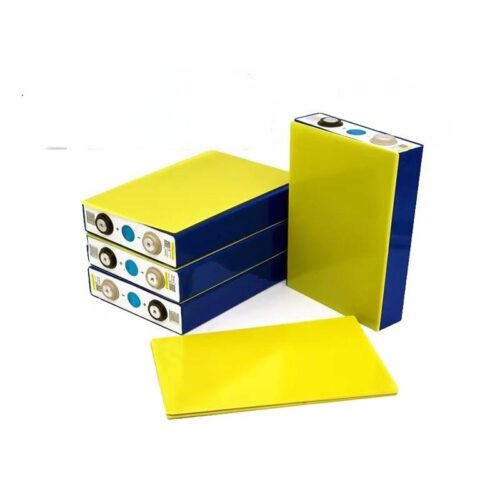
When structural engineers specify a substrate for heavy-duty switchgear or deep-sea structural housings, mechanical resilience is paramount. The G10 FR4 material properties exhibit an outstanding strength-to-weight ratio, rivaling many metallic alloys while completely negating the risk of galvanic corrosion.
From our experience conducting rigorous internal stress tests, the tensile strength of our premium G10 FR4 material exceeds 300 MPa in the lengthwise direction. This impressive metric ensures that the laminate will not deform or fracture under severe tension. Furthermore, the flexural strength is exceptionally high, often exceeding 400 MPa, allowing these sheets to serve as load-bearing structural supports in industrial power transformers without bowing or failing over decades of continuous use.
The impact resistance of the G10 FR4 material is largely attributed to the continuous woven glass fabric base. Unlike isotropic plastics that can shatter under sudden kinetic shock, the intertwined fiberglass network dissipates impact energy laterally across the sheet. We recommend specifying G10 FR4 material in environments subjected to high vibrational stresses, such as railway transit electrical enclosures or marine propulsion control systems, as it fundamentally resists fatigue cracking.
3. Superior Electrical Insulation Characteristics
The primary industrial imperative for utilizing G10 FR4 material revolves around its unparalleled dielectric capabilities. The epoxy resin acts as a perfect insulator, while the glass fibers provide the physical matrix to prevent electrical arcing across physical distances. Among the most critical G10 FR4 material properties is its dielectric strength, which reliably measures above 20 kV/mm. This means that even a relatively thin cross-section of our FR4 (EPGC202) Epoxy Fiberglass Laminates can isolate immensely high voltages without suffering from electrical breakdown.
Surface resistivity and volume resistivity remain exceptionally stable even in highly humid environments. We routinely supply G10 FR4 material to telecommunications infrastructure manufacturers specifically because the composite refuses to absorb atmospheric moisture. When a material absorbs water, its insulation resistance plummets. The extremely low water absorption rate of G10 FR4 material (typically less than 0.1% over 24 hours) guarantees that the electrical properties you engineer in a dry laboratory will perform identically in a tropical, high-humidity field deployment.
4. Thermal Endurance and Environmental Stability
Heat dissipation and thermal endurance are critical limiting factors in modern high-density power electronics. The thermal G10 FR4 material properties define the operational ceiling of the components they house. Standard FR4 (EPGC202) laminates maintain a maximum continuous operating temperature of approximately 130 degrees Celsius (Class B insulation). Up to this thermal threshold, the material will not blister, delaminate, or suffer significant degradation in its flexural modulus.
It is important to note the glass transition temperature (Tg) when evaluating G10 FR4 material properties. The Tg is the temperature point where the rigid epoxy matrix begins to transition into a softer, more pliable state. Standard G10 FR4 material typically exhibits a Tg of 130 to 140 degrees Celsius. For environments demanding higher thermal envelopes, we recommend upgrading to our G11 (EPGC203) Epoxy Fiberglass Laminates, which are engineered to sustain continuous operating temperatures up to 155 degrees Celsius (Class F insulation) while maintaining superior mechanical strength at elevated temperatures.
5. Comparing SjcncinSulation Laminate Grades
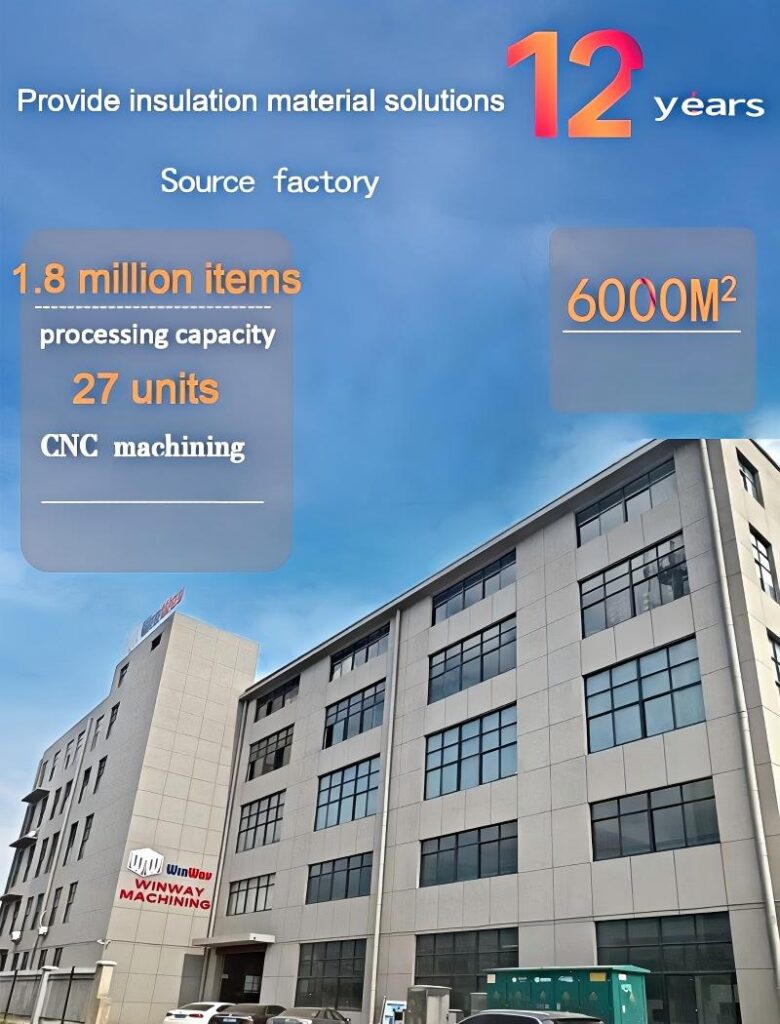
As a leading manufacturer in Wuxi City, we recognize that no single composite fits every engineering requirement. Therefore, we produce a highly controlled spectrum of epoxy fiberglass products. Understanding how standard G10 FR4 material properties compare to our other specialized laminates is critical for optimal procurement.
- 3240 Epoxy Fiberglass Laminates: This is a highly cost-effective, general-purpose electrical insulation board. While it provides excellent mechanical strength, its dimensional stability and moisture resistance are slightly lower than the EPGC series. We recommend 3240 for standard electrical motor components and generic switchboard panels.
- G10 (EPGC201) Epoxy Fiberglass Laminates: The ultimate halogen-free structural laminate. It offers the highest raw mechanical strength in our lineup and is preferred in aerospace and cryogenic applications where flame retardants are contraindicated.
- FR4 (EPGC202) Epoxy Fiberglass Laminates: The industry standard. It combines all the strength and moisture resistance of G10 with critical UL94 V-0 flame retardancy. This is the material we supply most frequently for PCB manufacturing, high-voltage relays, and structural electrical isolators.
- G11 (EPGC203) Epoxy Fiberglass Laminates: The high-temperature specialist. It retains over 50% of its room-temperature flexural strength even when subjected to 150 degrees Celsius, making it mandatory for heavy-duty generators and advanced aerospace structural components.
6. Expert Recommendations for Machining G10 FR4 Material
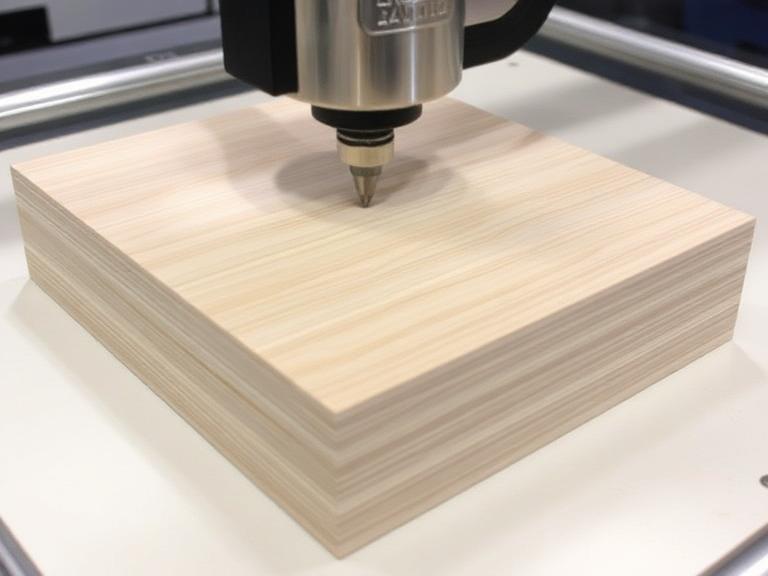
While the G10 FR4 material properties make it an exceptional end-use product, its highly abrasive nature presents unique challenges during the CNC machining phase. The continuous glass fibers act as a microscopic grinding wheel against standard high-speed steel (HSS) cutting tools, dulling them in a matter of minutes.
From our extensive processing experience at SjcncinSulation, we strictly recommend utilizing solid carbide or diamond-coated (CVD or PCD) tooling when routing, drilling, or milling G10 FR4 material. Feed rates should be kept high, and spindle speeds moderately low to prevent excessive heat buildup, which can burn the epoxy resin matrix. Furthermore, dust extraction is an absolute necessity. Machining this composite produces highly abrasive and irritating fine glass dust. Advanced vacuum extraction systems must be deployed directly at the cutting spindle to protect both the machinery guide rails and the respiratory health of the operators.
7. Summary Table: G10 FR4 Material Properties
Below is a quick-reference matrix outlining the definitive G10 FR4 material properties based on our EPGC202 specifications. Please note that exact values may fluctuate slightly based on the specific thickness of the laminate ordered.
| Property Characteristic | Testing Standard | Typical Value for FR4 (EPGC202) |
|---|---|---|
| Density | ISO 1183 | 1.85 – 2.00 g/cm³ |
| Water Absorption (24 hrs) | ISO 62 | < 0.1% |
| Flexural Strength (Lengthwise) | ISO 178 | > 340 MPa |
| Tensile Strength | ISO 527 | > 300 MPa |
| Dielectric Strength (Parallel to layers) | IEC 60243 | > 35 kV |
| Glass Transition Temperature (Tg) | DSC | 130°C – 140°C |
| Flammability Rating | UL 94 | V-0 |
8. Frequently Asked Questions (FAQs)
The primary distinction lies in flame retardancy. The G10 FR4 material properties are structurally and electrically almost identical, but FR4 contains a brominated epoxy resin that allows it to self-extinguish when exposed to an open flame, achieving a UL94 V-0 rating. Pure G10 (EPGC201) does not contain these flame retardants.
While the moisture resistance and mechanical G10 FR4 material properties are excellent, the epoxy resin binder is susceptible to ultraviolet (UV) degradation over long periods. Prolonged exposure to direct sunlight will cause the surface to chalk and yellow. We recommend applying a UV-resistant conformal coating or paint if the material will be permanently deployed outdoors.
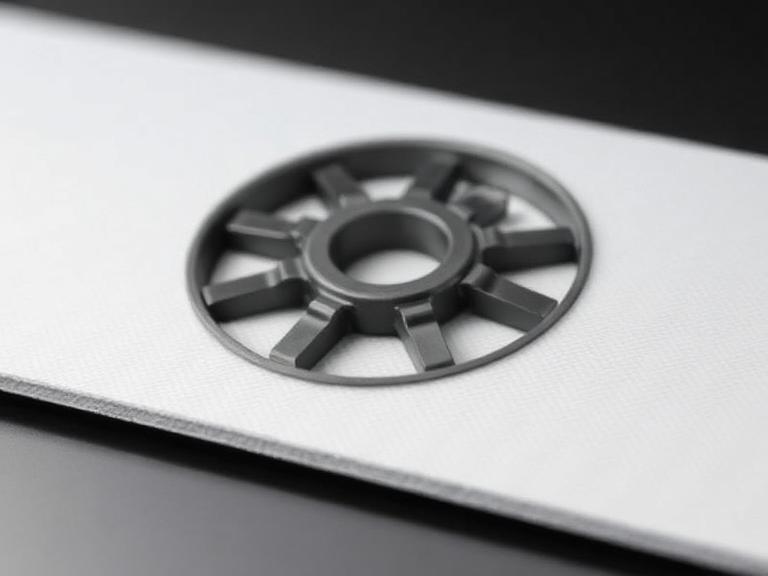
Yes. Supported by a young and highly skilled team of engineers, SjcncinSulation is not only a raw material manufacturer but a comprehensive processing enterprise. We provide highly accurate, custom-machined components cut to your exact CAD specifications, ensuring flawless integration into your final assembly.
9. Industry and Academic References
- National Electrical Manufacturers Association (NEMA) – Industrial Laminate Standards
- National Institute of Standards and Technology (NIST) – Dielectric Properties of Industrial Materials
- ASTM International – Standard Test Methods for Rigid Electrical Insulation
- International Electrotechnical Commission (IEC) – EPGC Standard Specifications