From our experience at SjcncinSulation, having spent years deeply embedded in the research, development, and custom machining of these advanced matrices, we recognize that procurement teams and industrial designers often require a clear delineation of capabilities. What exactly is the purpose of composite panels when compared to traditional metals, woods, or unreinforced plastics? The answer lies in their highly engineered versatility. We recommend transitioning to specialized laminates and composite sheets whenever an application demands simultaneous protection against multiple environmental stressors. In this authoritative technical guide, we will dissect the 5 primary purpose of composite panels, analyzing the specific material science that makes them indispensable to the 21st-century manufacturing sector.
Table of Contents
- 1. Superior Dielectric Strength and Electrical Insulation
- 2. Unmatched Strength-to-Weight Ratios for Structural Support
- 3. Advanced Thermal Resistance and Fire Retardancy
- 4. Extreme Chemical and Corrosion Resistance
- 5. Dimensional Stability for High-Precision Machining
- 6. Summary Table: Material Selection Matrix
- 7. Frequently Asked Questions (FAQs)
- 8. Industry and Academic References
1. Superior Dielectric Strength and Electrical Insulation
In power distribution grids, heavy rail transit, and high-voltage transformer manufacturing, the primary purpose of composite panels is to prevent catastrophic electrical arcing and short circuits. Metals are inherently conductive, and standard plastics can degrade or melt under high-voltage thermal loads. Composite insulation panels are specifically engineered to provide an impenetrable dielectric barrier.
We recommend utilizing our Epoxy Fiberglass Laminates (such as FR4 and G10) for these critical applications. The purpose of composite panels in this context is fulfilled by weaving continuous fiberglass cloth and impregnating it with an epoxy resin binder under extreme heat and pressure. This process yields a panel with extraordinary dielectric strength, meaning it can withstand immense electrical voltage without breaking down. Additionally, Phenolic Resin Laminates (like Bakelite) serve a similar purpose of composite panels in lower voltage switchgear, providing excellent electrical insulation combined with rigid mechanical support. From our experience, replacing legacy ceramic insulators with these lightweight, shatter-proof composites drastically reduces maintenance downtime and improves overall grid safety.
2. Unmatched Strength-to-Weight Ratios for Structural Support
When engineers in the aerospace, automotive, and robotics sectors ask about the structural purpose of composite panels, the conversation immediately turns to the strength-to-weight ratio. Traditional steel is incredibly strong but carries a massive weight penalty, reducing fuel efficiency and payload capacity. Aluminum is lighter but lacks the ultimate tensile strength required for high-stress cyclic loading.
A central purpose of composite panels is to provide load-bearing capabilities that rival or exceed steel at a fraction of the weight. This is perfectly exemplified by our Carbon Fiber Plate offerings. Carbon fiber composites consist of microscopic carbon atoms bonded together in crystals aligned parallel to the long axis of the fiber. When suspended in a polymer matrix, this creates a panel that exhibits incredible stiffness and tensile strength. We recommend Carbon Fiber Plates for drone chassis, robotic arms, and high-performance automotive components. In these applications, the purpose of composite panels is to drastically reduce inertial mass, thereby allowing machinery to operate faster, with greater precision, and with significantly less energy consumption.
3. Advanced Thermal Resistance and Fire Retardancy
Industrial environments frequently subject components to extreme thermal cycling and direct flame exposure. Another vital purpose of composite panels is to act as a thermal barrier, protecting sensitive internal electronics or human operators from intense heat. Unmodified plastics warp, melt, and emit toxic gasses when exposed to fire, while metals rapidly conduct heat, transferring the danger to adjacent components.
To address this, our highly skilled R&D team has developed Special Insulation Materials that fulfill the exact purpose of composite panels required in metallurgical plants, foundries, and aerospace engine bays. These specialized laminates integrate heat-resistant resins (like silicone, polyimide, or advanced phenolics) that maintain their structural integrity even when subjected to temperatures exceeding 250 degrees Celsius. Furthermore, for flexible thermal management, we manufacture Insulating Tape / Film that can be wrapped around complex geometries. The purpose of composite panels and films in these scenarios is not just to survive the heat, but to actively retard flame spread, possessing self-extinguishing properties (such as UL94 V-0 ratings) that ensure compliance with rigorous international safety protocols.
4. Extreme Chemical and Corrosion Resistance
In petrochemical refineries, water treatment facilities, and marine engineering, components are constantly bombarded by caustic acids, alkaline solutions, and saline environments. The primary purpose of composite panels deployed in these sectors is to resist chemical degradation that would otherwise obliterate standard metals through oxidation and corrosion.
We recommend our comprehensive line of Engineering Plastics (such as PTFE, POM, and specialized nylon composites) for these harsh environments. The purpose of composite panels made from these highly inert polymers is to provide a non-reactive surface. Unlike steel that rusts, or aluminum that galvanically corrodes, advanced engineering plastics do not react with most industrial solvents. From our experience, utilizing these panels for chemical storage tank linings, pump housings, and marine decking saves millions in replacement costs over a facility’s operational lifecycle. The purpose of composite panels here is purely economic and operational longevity: building infrastructure that simply does not rust.
5. Dimensional Stability for High-Precision Machining
Finally, a highly technical purpose of composite panels is to provide a stable, warp-free substrate for the creation of intricate, bespoke parts. In semiconductor manufacturing, medical device housing, and customized testing jigs, the material cannot expand, contract, or warp under varying environmental conditions. If a material’s coefficient of thermal expansion is too high, the machined tolerances will drift, rendering the component useless.
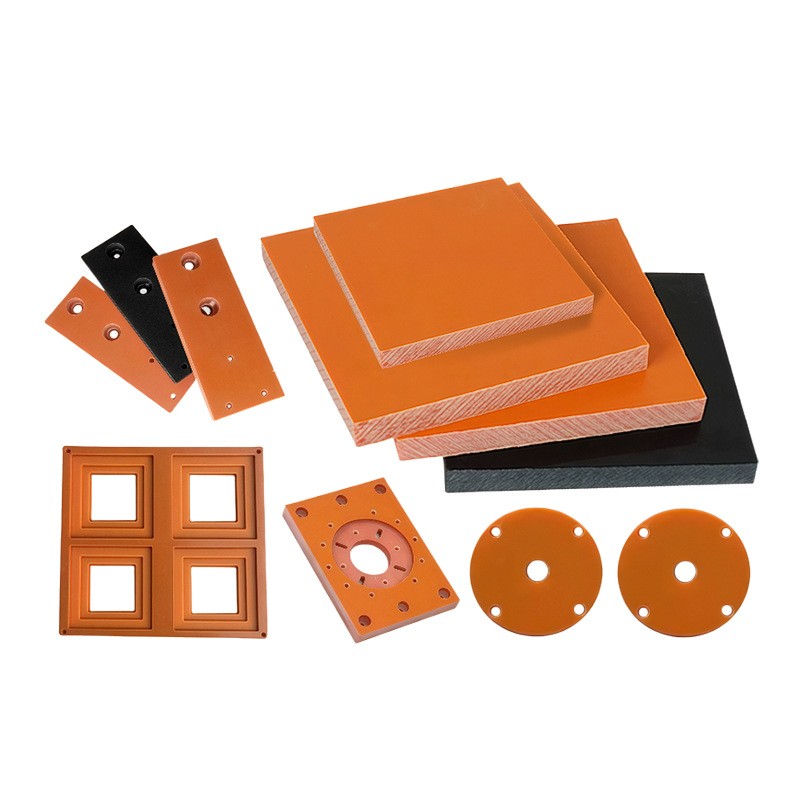
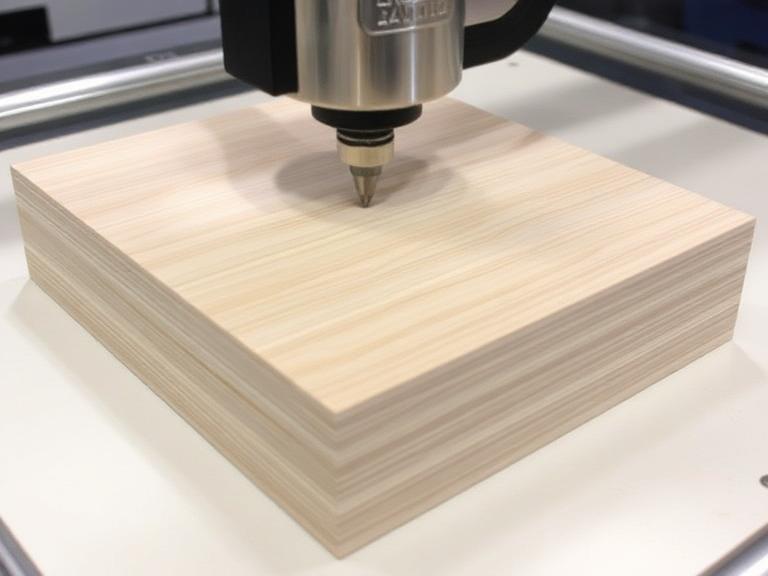
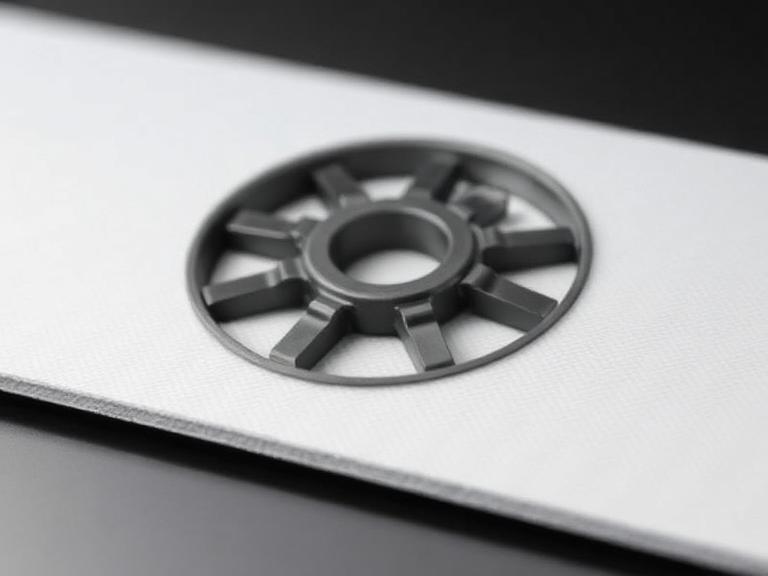
At SjcncinSulation, our professional sales and engineering teams frequently consult with clients who require our Custom Machining services. The underlying purpose of composite panels like Epoxy Fiberglass Laminates in custom machining is their exceptional dimensional stability. Because the fiberglass matrix physically locks the epoxy resin in place, the panel experiences near-zero shrinkage or expansion. We utilize high-speed CNC routers, precision waterjets, and advanced milling centers to carve complex geometries out of these panels. The purpose of composite panels in this ecosystem is to provide a blank canvas that holds tolerances down to the micron, ensuring that every custom-machined gear, spacer, or insulating bracket fits perfectly into the client’s overarching assembly.
6. Summary Table: Material Selection Matrix
To assist procurement engineers in matching the exact purpose of composite panels to our specific product lines, we have developed the following technical matrix based on our manufacturing capabilities in Wuxi City.
| Primary Purpose of Composite Panels | Engineering Requirement | Recommended SjcncinSulation Product | Typical Industry Application |
|---|---|---|---|
| 1. Electrical Insulation | High Dielectric Strength, Arc Resistance | Epoxy Fiberglass Laminates (FR4/G10), Phenolic Resin Laminates | Switchgear, Transformers, PCB Manufacturing |
| 2. Structural Support | High Tensile Strength, Low Weight | Carbon Fiber Plate | Aerospace, Robotics, Automotive Chassis |
| 3. Thermal Resistance | Flame Retardancy, Low Thermal Conductivity | Special Insulation Materials, Insulating Tape / Film | Foundries, Engine Bays, High-Heat Enclosures |
| 4. Chemical Resistance | Inertness to Acids/Alkalis, Zero Oxidation | Engineering Plastics (PTFE, POM) | Petrochemical Plants, Marine Engineering, Water Treatment |
| 5. Precision Engineering | Dimensional Stability, Machinability | Custom Machining on Rigid Laminates | Semiconductors, Testing Jigs, Medical Devices |
7. Frequently Asked Questions (FAQs)
What defines the primary purpose of composite panels in comparison to traditional metals?
From our experience, the main purpose of composite panels compared to metals is achieving specific performance traits—such as electrical insulation, chemical resistance, or a higher strength-to-weight ratio—without the vulnerabilities of metals, like conductivity, rust, and heavy mass.
How does SjcncinSulation ensure the purpose of composite panels is met during manufacturing?
Our facility in Houqiao Industrial Park leverages a highly skilled team of engineers with strong R&D capabilities. We rigorously test our Epoxy Fiberglass Laminates and Carbon Fiber Plates for dielectric breakdown, tensile strength, and thermal thresholds to guarantee that every sheet perfectly fulfills the intended purpose of composite panels for our global clients.
Can the purpose of composite panels be customized for unique projects?
Absolutely. The greatest advantage of composites is their tunable nature. Through our Custom Machining department, we can alter the resin matrix, fiber orientation, and physical dimensions. We recommend reaching out to our professional sales team so we can engineer a specific Special Insulation Material that matches your precise operational demands.
8. Industry and Academic References
To further understand the material science, testing standards, and advanced applications dictating the purpose of composite panels in global infrastructure, we encourage consulting the following authoritative bodies: