Authored by SjcncinSulation. We are a modern manufacturing enterprise specializing in the production, processing, sales, and service of advanced insulation materials and composite sheets. Located in Houqiao Industrial Park, Xinwu District, Wuxi City, Jiangsu Province, China, we are supported by a highly skilled team of engineers with formidable R&D capabilities. Our deep understanding of fiberglass, resins, and engineering plastics informs our authoritative perspective on composite building materials.
From our experience engineering advanced composite structures, we recognize that the physical properties of building materials dictate both their initial procurement cost and their long-term return on investment. The fiberglass siding cost in 2026 reflects the sophisticated manufacturing processes required to bind glass fibers with premium thermosetting resins. We recommend looking beyond the initial sticker price to evaluate the total lifecycle cost, including thermal insulation benefits, impact resistance, and weatherability. In this comprehensive technical guide, we will analyze the precise metrics that determine the fiberglass siding cost, compare it rigorously against competing materials, and provide a definitive roadmap for your 2026 cladding projects.
Table of Contents
- 1. The Baseline: Average Fiberglass Siding Cost in 2026
- 2. Key Variables Influencing the Fiberglass Siding Cost
- 3. The Engineering Behind Fiberglass Siding Durability
- 4. Comparative Analysis: Fiberglass vs. Alternative Materials
- 5. Summary Table: Fiberglass Siding Cost Breakdown
- 6. Long-Term ROI: Justifying the Fiberglass Siding Cost
- 7. Frequently Asked Questions (FAQs)
- 8. Industry and Academic References
1. The Baseline: Average Fiberglass Siding Cost in 2026
To accurately address the fiberglass siding cost in the current market, it is necessary to divide the expenditure into two primary categories: uninstalled material costs and professional installation fees. Due to inflationary pressures and supply chain adjustments in global resin manufacturing over the past few years, the baseline pricing has shifted. In 2026, the national average fiberglass siding cost ranges between $9.00 and $15.00 per square foot, fully installed.
If we isolate the materials, the pure fiberglass siding cost for the panels themselves typically runs between $4.50 and $8.50 per square foot. The remaining expenditure is allocated to labor, specialized fastening systems, and preparatory weather-resistive barriers. For a standard 2,000-square-foot residential exterior, property owners should anticipate a total fiberglass siding cost ranging from $18,000 to $30,000. While this places fiberglass in the premium tier of exterior cladding, the superior dimensional stability and impact resistance provided by continuous glass fibers justify the investment.
2. Key Variables Influencing the Fiberglass Siding Cost
The variance in the fiberglass siding cost is not arbitrary; it is dictated by specific engineering, manufacturing, and logistical parameters. From our experience in industrial manufacturing, the following variables profoundly impact the final project estimate.
Material Quality and Resin Formulation
Not all fiberglass is manufactured equally. The ratio of glass fiber to polymer resin, as well as the specific type of resin utilized, dictates the rigidity and thermal expansion properties of the siding. Manufacturers utilizing high-grade thermosetting resins produce siding that resists warping under extreme temperature fluctuations. This mirrors the rigorous manufacturing standards we apply to our Epoxy Fiberglass Laminates and Phenolic Resin Laminates, where precision chemical bonding is required to achieve structural integrity. Siding with superior resin formulations will naturally carry a higher fiberglass siding cost but offers unparalleled longevity.
Profile Complexity and Aesthetic Finish
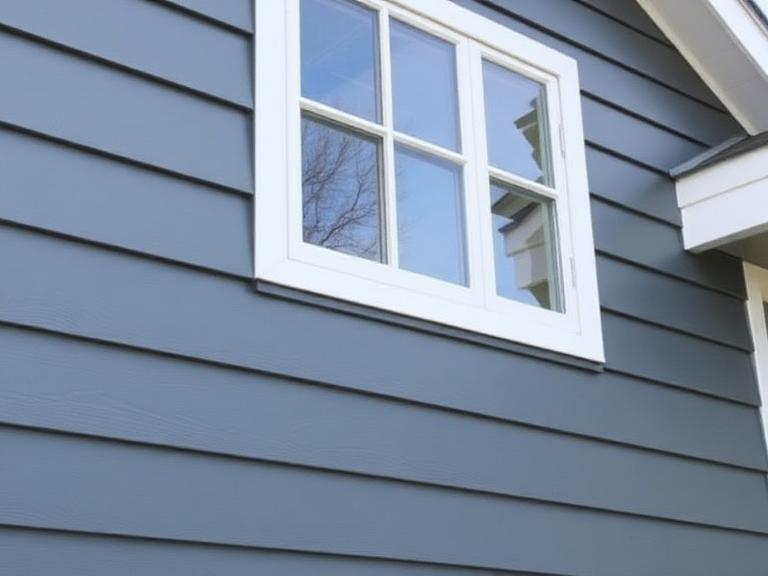
Fiberglass siding is manufactured through a pultrusion process. The complexity of the extrusion die—whether producing traditional lap siding, complex architectural shakes, or board-and-batten profiles—affects production speed and, consequently, the fiberglass siding cost. Additionally, factory-applied finishes that utilize advanced acrylic colorants or specialized UV-cured coatings increase the material price but eliminate the need for painting for up to two decades.
Labor and Regional Installation Rates
Fiberglass siding requires specialized cutting tools. Unlike vinyl, which can be scored and snapped, fiberglass must be cut with diamond-tipped or carbide blades to prevent splintering and inhalation hazards. Contractors charge a premium for this specialized labor, which can elevate the total fiberglass siding cost by $4.50 to $6.50 per square foot depending on your geographic location and the architectural complexity of the structure.
3. The Engineering Behind Fiberglass Siding Durability
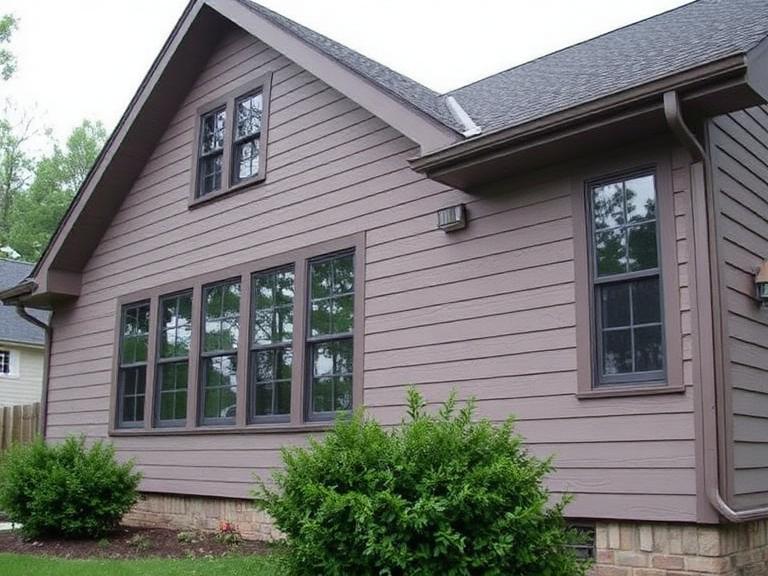
To fully understand why the fiberglass siding cost commands a premium, one must appreciate the engineering behind the material. Fiberglass composites are virtually impervious to moisture, preventing the rot, swelling, and delamination that plague traditional wood siding. Furthermore, fiberglass is inert to pest infestations, including termites and carpenter ants.
From an engineering standpoint, the tensile strength of fiberglass is extraordinary. Just as we utilize advanced composite matrices in our Carbon Fiber Plate and Engineering Plastics to solve heavy-duty industrial challenges, the glass fiber reinforcing the siding panel prevents it from becoming brittle in sub-zero temperatures or softening during severe heatwaves. We recommend fiberglass siding for climates subject to severe weather patterns, as its impact resistance allows it to withstand significant hail damage without cracking or denting.
Additionally, modern building codes increasingly demand superior thermal envelopes. Many fiberglass siding systems are designed to accommodate backing insulation. For maximum thermal efficiency, integrating premium insulation materials is crucial. This aligns with our expertise in producing Special Insulation Materials and Insulating Tape / Film, which effectively halt thermal bridging and moisture ingress, thereby maximizing the energy efficiency of the building envelope.
4. Comparative Analysis: Fiberglass vs. Alternative Materials
When assessing the fiberglass siding cost, it is essential to contextualize it against competing exterior cladding options.
Fiberglass vs. Vinyl Siding
Vinyl siding is significantly cheaper, typically ranging from $4 to $8 per square foot installed. However, vinyl is susceptible to thermal expansion, causing it to warp or melt if exposed to intense reflected sunlight. Vinyl also becomes brittle and prone to shattering in freezing temperatures. The higher fiberglass siding cost is offset by its structural rigidity, zero thermal expansion, and seamless visual joints.
Fiberglass vs. Fiber Cement Siding
Fiber cement (such as HardiePlank) is the closest competitor to fiberglass. Both occupy the premium cladding space, with fiber cement costing slightly less ($7 to $13 per square foot installed). However, fiber cement is incredibly heavy and highly porous. If the paint sealant fails, fiber cement will absorb water and delaminate. From our experience, we recommend fiberglass over fiber cement because fiberglass is lightweight, non-porous, and exerts significantly less structural dead-weight on the building framing.
Fiberglass vs. Natural Wood Siding
Premium natural wood siding, such as cedar, often exceeds the fiberglass siding cost, reaching $12 to $20 per square foot installed. While wood offers organic beauty, it demands relentless maintenance, including regular staining, sealing, and pest control. Fiberglass siding utilizes actual wood molds during the pultrusion process, capturing the exact grain texture of cedar without the perpetual maintenance liabilities.
5. Summary Table: Fiberglass Siding Cost Breakdown
To assist in your procurement planning, we have compiled a definitive summary matrix outlining the components that comprise the total fiberglass siding cost for a standard 2,000 sq. ft. installation in 2026.
| Cost Component | Price per Square Foot (2026 Average) | Estimated Cost for 2,000 Sq. Ft. Project |
|---|---|---|
| Materials (Fiberglass Panels) | $4.50 – $8.50 | $9,000 – $17,000 |
| Labor & Installation | $3.50 – $5.00 | $7,000 – $10,000 |
| Fasteners, Trim & Weather Barrier | $1.00 – $1.50 | $2,000 – $3,000 |
| Total Installed Fiberglass Siding Cost | $9.00 – $15.00 | $18,000 – $30,000 |
6. Long-Term ROI: Justifying the Fiberglass Siding Cost
Capital expenditure on exterior cladding must be viewed through the lens of long-term Return on Investment (ROI). The initial fiberglass siding cost may induce hesitation, but the lifecycle economics are undeniably favorable. Fiberglass siding systems typically carry 50-year to lifetime limited warranties, underscoring the manufacturer’s confidence in the material’s durability.
Over a 20-year period, a homeowner utilizing natural wood or fiber cement will spend thousands of dollars on exterior repainting, rot repair, and pest remediation. Because fiberglass siding utilizes factory-bonded colorants and is chemically inert, these recurring maintenance costs are effectively eliminated. When factoring in the increase in property appraisal value and the reduction in home insurance premiums (due to the fire-resistant properties of the composite resins), the high initial fiberglass siding cost is rapidly amortized, making it an exceptionally prudent architectural investment.
7. Frequently Asked Questions (FAQs)
The fiberglass siding cost is higher because of the raw materials and the complex manufacturing process. Vinyl is extruded from relatively inexpensive PVC plastic. Fiberglass is pultruded by pulling continuous glass fibers through a bath of advanced thermosetting resins and curing them under intense heat. This process creates a material that is exponentially stronger, more dimensionally stable, and far more durable than standard plastics.
Fiberglass itself has a lower thermal conductivity than metal, meaning it does not transfer heat or cold readily into the home. However, to maximize energy efficiency, we recommend pairing the siding with high-quality foam backing or rigid insulation boards. Our expertise in manufacturing sophisticated insulation matrices confirms that preventing thermal bridging is the key to minimizing HVAC energy consumption.
Yes. While one of the benefits of the initial fiberglass siding cost is the factory-applied, maintenance-free finish, fiberglass can be successfully painted. We recommend using a high-quality 100% acrylic exterior latex paint. Unlike wood, fiberglass does not absorb moisture, so the paint will not peel or blister due to internal moisture escaping.
When reviewing a contractor’s estimate for the fiberglass siding cost, ensure it encompasses the removal and disposal of your old siding, the installation of a breathable house wrap or vapor barrier, and the cost of specialized diamond-tipped saw blades required to cut the composite material. Clarifying these elements upfront prevents unexpected budget overruns.
8. Industry and Academic References
To ensure a comprehensive understanding of composite building materials, structural insulation standards, and the economic variables driving the fiberglass siding cost, we highly recommend consulting the following authoritative sources: