In the high-stakes world of industrial manufacturing and engineering design, specifying the correct material for moving parts is a constant challenge. In most professional situations, engineers instinctively default to traditional metals like steel, brass, or bronze when designing gears, pulleys, and wear strips. However, from our experience, this metallurgical bias is often a critical over-engineering mistake. When metal parts grind against metal parts, the result is excessive noise, rapid abrasive wear, and an absolute dependency on constant lubrication.
This is where thermoset composite plastics change the game. Specifically, phenolic resins reinforced with continuous woven cotton cloth—often referred to under their NEMA designations such as Grade C (Canvas) and Grade L (Linen)—offer a superior engineering alternative. Finding a material that balances toughness, machinability, and friction reduction is difficult, but the unique physical properties of these thermoset plastics make them absolutely Ideal for Mechanical Components. In this guide, we will break down the chemistry, the practical applications, and the commercial realities of utilizing cotton phenolic laminates in your next engineering project.
Quick Answer: The Engineering Verdict
Cotton fabric laminates are Ideal for Mechanical Components because their unique interlocked woven structure distributes impact shock across the entire part, preventing catastrophic brittle failure. Furthermore, they are up to 50% lighter than aluminum, significantly dampen operational noise, require zero external lubrication in many sliding applications, and will not cause abrasive damage to mating metal components. For structural wear pads, heavy-duty gears, and bushings, they deliver a lower total cost of ownership than both steel and standard thermoplastic alternatives.
Table of Contents
What Are Cotton Fabric Phenolic Laminates?
Before we can understand why they are Ideal for Mechanical Components, we must look at what these materials actually are. Cotton phenolic laminates are high-density thermoset composite plastics. They are manufactured by taking multiple layers of continuous woven cotton fabric and impregnating them with an un-cured phenolic resin. These saturated layers are stacked and placed into a massive hydraulic press under immense heat and pressure. This process initiates a chemical cross-linking reaction (polymerization) that permanently fuses the layers into a solid, infusible block or sheet.
Unlike standard thermoplastics (like PVC or Nylon) that will melt if reheated, a thermoset phenolic laminate cannot be melted once it is cured. It will maintain its structural integrity up to its maximum operating temperature—typically around 275°F (135°C). Because the base resin is phenolic, these materials possess excellent dielectric properties, which is why engineers frequently consult the electrical insulation sheet materials list when sourcing them for electromechanical switchgear.
How It Works: The Mechanics of the Weave
In our testing, the secret to the immense toughness of this material lies entirely in the reinforcement substrate. Pure phenolic resin is incredibly hard but dangerously brittle. If you hit a block of pure cured phenolic with a hammer, it shatters like glass. However, when you embed an interlocked woven cotton fabric into the resin, the physics change entirely.
When a mechanical shock hits the laminate, the stress forces are intercepted by the continuous cotton threads. The warp-and-fill weave distributes the impact load throughout the entire fiber network rather than allowing the force to concentrate at a single micro-crack. This dramatically increases the Izod impact strength compared to cheaper paper-based phenolics (like NEMA XX or XXX). This internal shock-absorption architecture is precisely what makes the canvas grades so Ideal for Mechanical Components that experience sudden, violent starting and stopping forces in industrial machinery.
4 Reasons Why They Are Ideal for Mechanical Components
If you are evaluating whether this material is worth buying for your production line, you must look at commercial longevity. Here is why substituting metal for cotton phenolic makes practical sense:
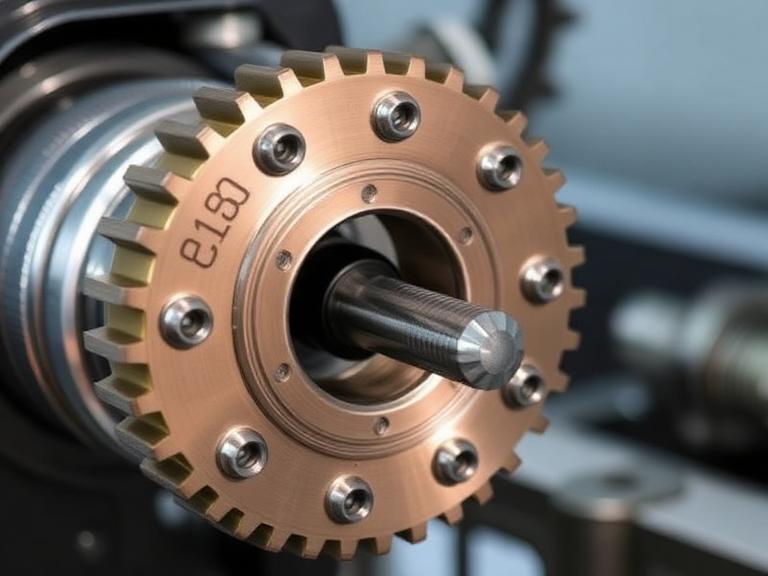
- Massive Noise Reduction: In gear trains, metal-on-metal contact creates a deafening, high-frequency whine. Phenolic gears act as a natural acoustic dampener. In most professional situations, replacing just one metal idler gear with a NEMA C canvas gear will quiet the entire system, improving workplace safety and reducing harmonic vibrations.
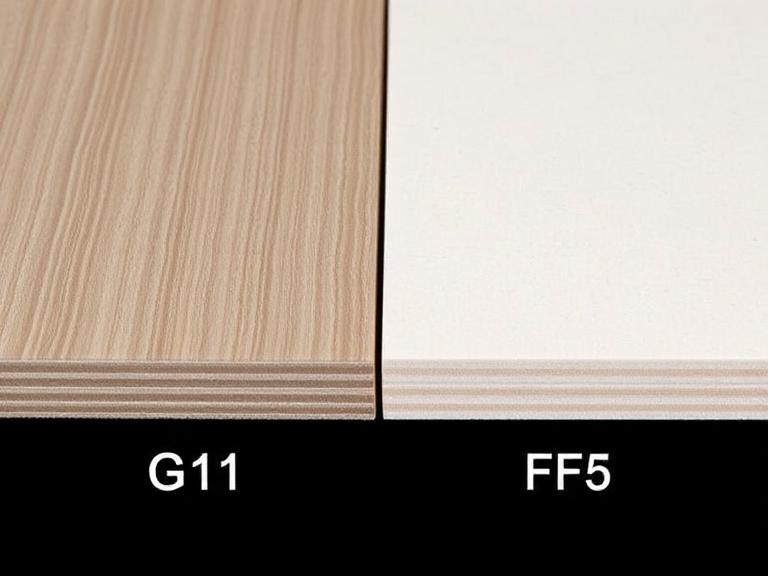
- Non-Abrasive Wear Characteristics: Unlike fiberglass-reinforced materials which contain microscopic glass shards, cotton fibers are completely non-abrasive. If you are curious about the alternatives, looking at g10 material properties will show you that while G10 is stronger, it will rapidly chew up a mating steel shaft. Cotton phenolic acts as a sacrificial wear part, saving your vastly more expensive metal drive shafts and housings from abrasive destruction.
- Non-Sparking Safety: For commercial users operating in explosive environments—such as grain elevators, oil refineries, and chemical plants—stray sparks from metal friction can cause catastrophic explosions. Cotton fabric laminates are 100% non-sparking when struck, making them Ideal for Mechanical Components in hazardous locations.
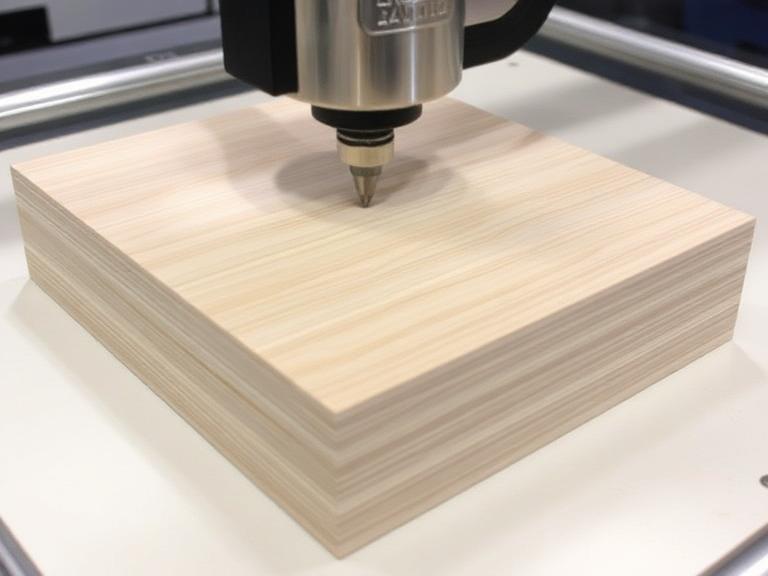
- Superb Machinability: While metals require slow feed rates, heavy flood coolant, and expensive rigid tooling, cotton phenolics machine beautifully. They do not smear or melt like soft plastics, and they shear cleanly under standard carbide tooling, allowing for rapid production cycles.
Limitations: When You Should Avoid Them
We believe in commercial realism, which means acknowledging where a material fails. While cotton phenolics are Ideal for Mechanical Components in dry or oil-lubricated environments, they have two distinct limitations.
First, cotton is highly hydrophilic (it loves water). In environments with extreme humidity or complete submersion in water, the exposed cotton fibers on the machined edges will absorb moisture, leading to minor dimensional swelling. If you require zero water absorption, you should pivot to epoxy glass laminates. You can consult with fr4 sheet manufacturers for materials that offer superior dimensional stability in water.
Second, their maximum continuous operating temperature is roughly 275°F (135°C). For heavy-duty applications inside blast furnaces or high-heat engines, this material will char, degrade, and eventually fail. In those specific scenarios, they are not worth using.
Who Should Use Them (And Who Does Not Need Them)
For commercial users: Plant managers dealing with massive conveyor indexing systems, industrial printing presses, and heavy agricultural equipment should heavily utilize NEMA C and NEMA L components. The reduction in maintenance downtime and the elimination of complex lubrication systems offer an immediate return on investment.
For beginners: If you are a hobbyist building light-duty robotics or simple DIY projects at home, industrial-grade thermoset laminates are likely overkill. Standard extruded Delrin (Acetal) or 3D-printed PETG will serve you well at a fraction of the cost, without the need for specialized dust extraction during machining.
Common Mistakes in Sourcing and Machining
In our testing of client failures, the most common mistake is specifying the wrong weave density. Buyers often assume “phenolic is phenolic” and purchase the cheapest grade available. If you attempt to machine a very small, fine-tooth gear out of NEMA Grade C (Canvas), the coarse woven threads will cause the gear teeth to fray and snap off. You must specify NEMA Grade L (Linen) for intricate, fine-detail machining.
Another major mistake during fabrication is ignoring dust extraction. Machining phenolic resin creates a fine, irritating dust rather than heavy chips. You must use high-velocity vacuum systems at the cutting spindle, otherwise, the dust will destroy your CNC machine’s linear rails and pose an inhalation risk to operators.
Buying Considerations: Canvas (C/CE) vs. Linen (L/LE)
When you sit down to issue a purchase order, understanding the NEMA designations is paramount to ensuring the material is actually Ideal for Mechanical Components.
- Grade C (Canvas): Utilizes a heavy cotton canvas fabric (typically 8-12 oz/yd²). It offers the highest impact strength and is designed strictly for structural and mechanical parts like large gears and heavy load-bearing pulleys.
- Grade CE (Canvas Electrical): Same heavy canvas base, but impregnated with an electrically insulating resin formula. Use this when the mechanical part must also prevent electrical voltage tracking.
- Grade L (Linen): Utilizes a fine-weave cotton linen fabric. It has slightly lower bulk impact strength than Canvas, but allows for razor-sharp machined edges and fine threading.
- Grade LE (Linen Electrical): The premium grade combining fine linen weave with high-grade electrical resin. Provides excellent moisture resistance and pinpoint machining accuracy.
To understand how the pricing of these specialized grades stacks up against other composites, we recommend reviewing a comprehensive fiberglass sheets cost guide to properly budget your raw material expenditures.
Technical Specifications & Comparison Tables
| NEMA Grade | Fabric Base | Primary Advantage | Best For |
|---|---|---|---|
| Grade C | Coarse Canvas | Maximum impact strength & toughness | Large structural gears, heavy wear pads |
| Grade CE | Coarse Canvas | Toughness + Electrical Insulation | High-voltage switchgear components |
| Grade L | Fine Linen | Superior machinability & sharp edges | Small, fine-tooth gears, threaded parts |
| Grade LE | Fine Linen | Dimensional stability + Insulation | Precision electrical insulators, intricate bushings |
| Material Property | Cotton Phenolic (NEMA C) | Fiberglass Epoxy (G10/FR4) | Carbon Steel (1018) |
|---|---|---|---|
| Impact Resistance | High (Absorbs shock) | Very High (Rigid) | Extreme (Ductile) |
| Mating Part Wear | Non-Abrasive (Sacrificial) | Highly Abrasive | High Friction (Requires oil) |
| Operational Noise | Very Low (Vibration dampening) | Medium | High (Ringing/Whining) |
| Spark Risk | Zero (Non-sparking) | Zero | High (Sparks when struck) |
By analyzing this data, it becomes clear why many engineers prefer fiberglass reinforced plastics types for pure static structural rigidity, but pivot immediately to cotton phenolics for kinetic, sliding, and rotating applications.
| Pros (Benefits) | Cons (Limitations) |
|---|---|
| Dramatically reduces operational machine noise. | Absorbs moisture in highly humid environments. |
| Extends the lifespan of expensive metal mating parts. | Cannot withstand continuous temperatures above 275°F. |
| Safe for use in explosion-proof environments (No sparks). | Produces hazardous fine dust during dry machining. |
| Machines faster and cleaner than most structural metals. | Lower ultimate tensile strength than fiberglass epoxies. |
| Application Requirement | What You Should Specify on PO | Why This Matters |
|---|---|---|
| Parts subjected to heavy blunt impact | Specify: NEMA Grade C | Coarse canvas absorbs heavy shock better than fine linen. |
| Parts with tapped holes or fine teeth | Specify: NEMA Grade L | Linen weave prevents threads from chipping and fraying. |
| Parts used in wet or submerged environments | Do Not Buy Cotton Phenolic | Switch to an epoxy fiberglass material like FR4 to prevent swelling. Explore epoxy fiberglass sheet manufacturers. |
Our Expert Manufacturing Recommendation
At Sjcncinsulation, located in the high-tech manufacturing hub of Wuxi City, our engineering team routinely evaluates client blueprints that are destined to fail due to incorrect material selection. We recommend that if your design involves high-friction sliding action, gears, or wear strips against a metal surface, you immediately abandon steel and transition to NEMA Grade C or L.
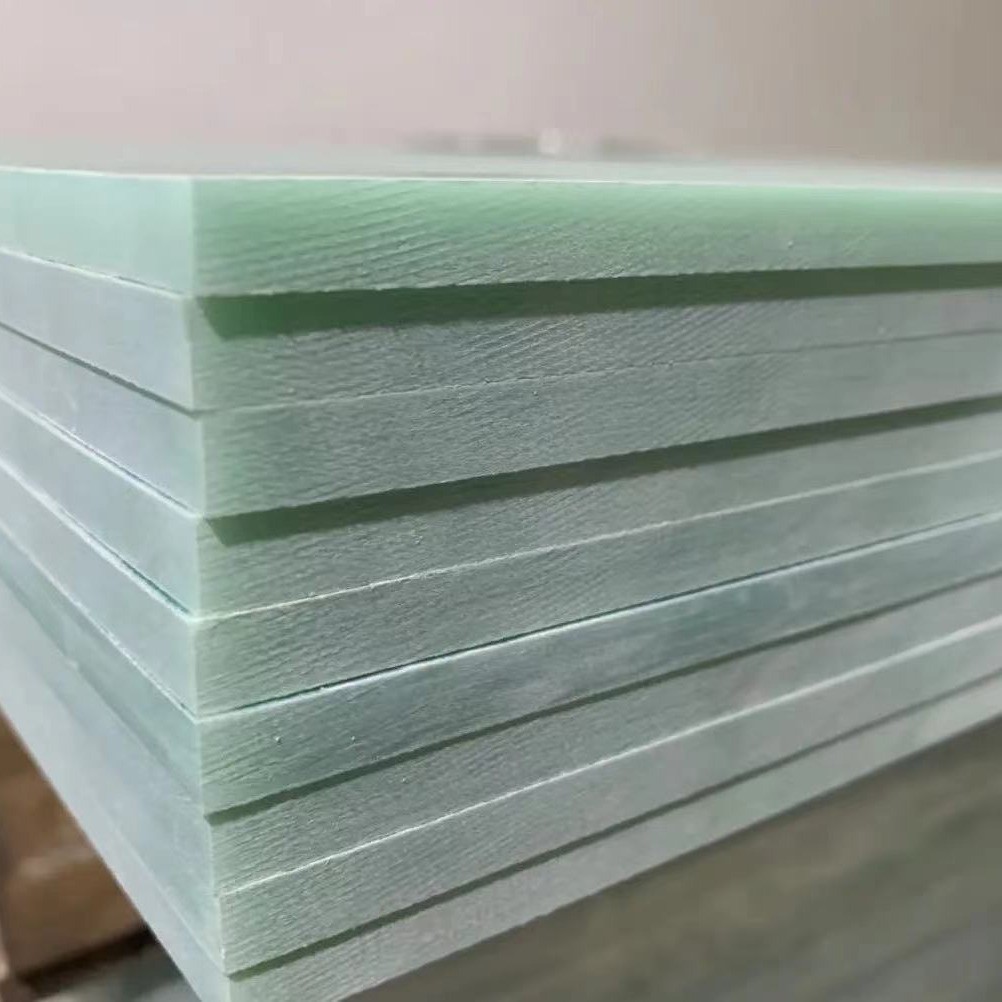
This material is unequivocally Ideal for Mechanical Components because it acts as a sacrificial, noise-dampening barrier that protects your most expensive structural assets. It is absolutely worth the investment to upgrade your wear parts to precision-machined cotton phenolics.
Frequently Asked Questions (FAQ)
Why are cotton fabric laminates Ideal for Mechanical Components compared to steel?
Cotton fabric laminates are Ideal for Mechanical Components because they provide natural vibration dampening, operate significantly quieter than steel, and will not cause abrasive wear to mating metal shafts or gears. They also run effectively without external lubrication in many sliding applications.
What is the difference between NEMA Grade C and NEMA Grade L?
NEMA Grade C uses a coarse canvas cotton weave, making it highly impact-resistant and suitable for large, rugged gears. NEMA Grade L utilizes a fine linen weave, which provides better dimensional stability and allows for the intricate machining required for fine-tooth gears and small components.
Are phenolic cotton laminates safe for hazardous environments?
Yes. One of the primary reasons they are Ideal for Mechanical Components in explosive environments is that they are completely non-sparking when struck, making them standard for mining, oil, and gas processing applications.
Authoritative Industry References
To ensure engineering accuracy, the data and specifications discussed in this article are aligned with the following global standards organizations:
- National Electrical Manufacturers Association (NEMA) – The authoritative body establishing the classification, testing, and performance standards for Grade C, CE, L, and LE industrial laminates.
- ASTM International – Specifically referencing ASTM D709, the Standard Specification for Laminated Thermosetting Materials used to benchmark mechanical impact and tensile properties.
- Society of Manufacturing Engineers (SME) – Providing advanced technical guidance on the tooling, feed rates, and dust extraction protocols required for precision machining of composite polymers.