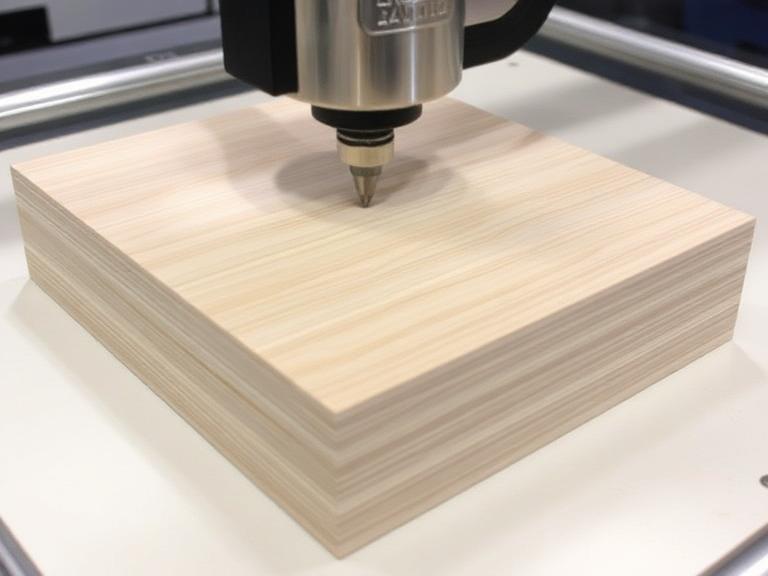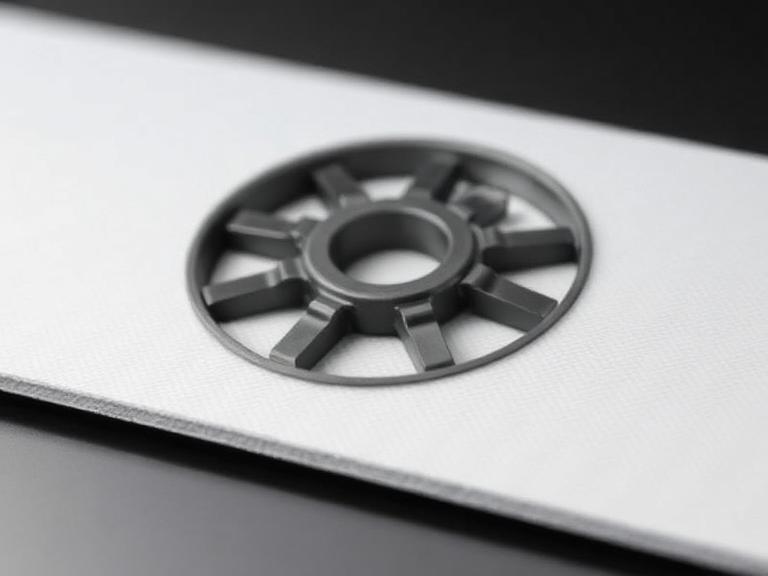
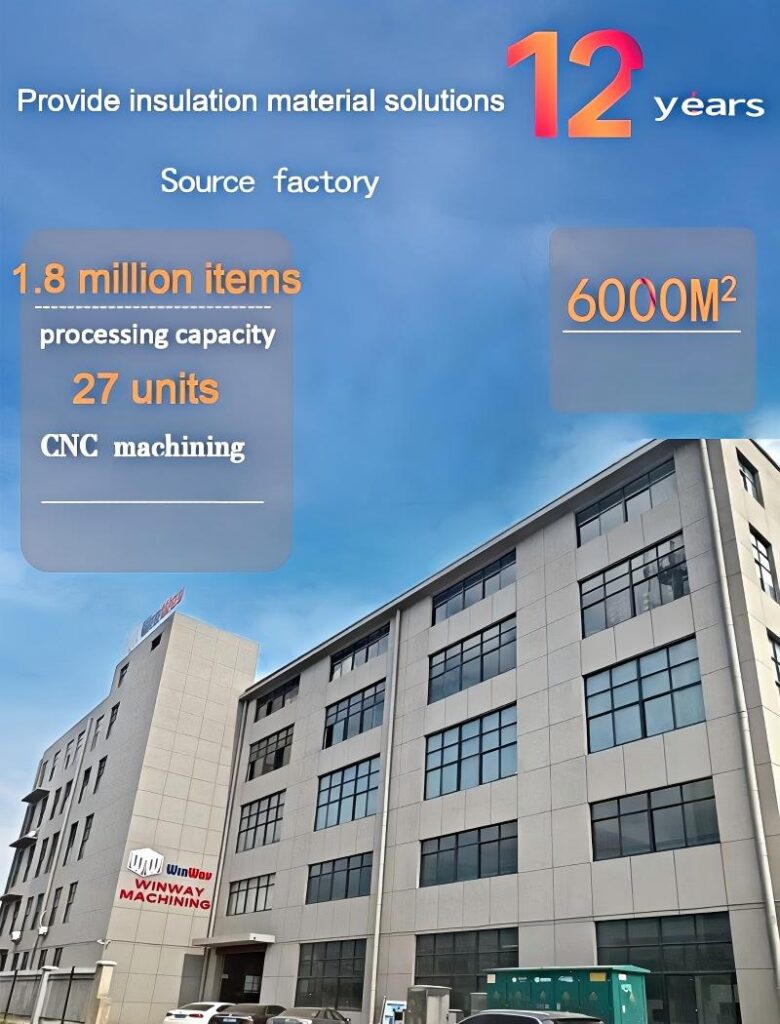
Welcome to the comprehensive engineering guide on G10 material properties, presented by SjcncinSulation. We are a modern manufacturing enterprise specializing in the production, processing, sales, and service of advanced insulation materials and precision plastic sheets. Located in the highly developed Houqiao Industrial Park, Xinwu District, Wuxi City, Jiangsu Province, China, our operations sit at the forefront of global composite manufacturing. We are supported by a young and highly skilled team of engineers with strong R&D capabilities, as well as a professional sales team dedicated to solving the most complex material challenges faced by our international clients.
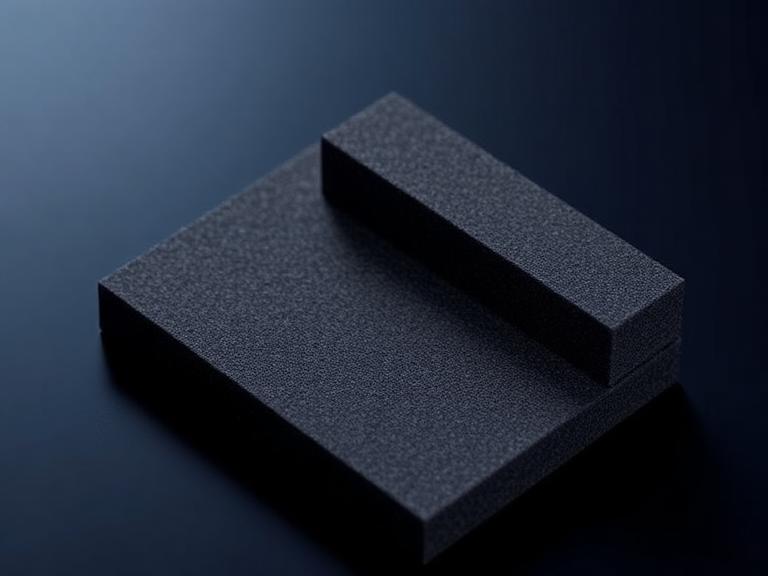
From our experience supplying critical components to the aerospace, electrical, and marine industries, engineers frequently encounter operational failures simply because the chosen insulating laminates cannot withstand compounding environmental or mechanical stresses. Understanding exact G10 material properties is the crucial first step toward designing durable, fail-safe components. In this authoritative analysis, we will explore the precise mechanical, electrical, and thermal specifications of G10, compare it against our broader product lineup, and share practical machining recommendations drawn directly from our production floor.
Table of Contents
- 1. What is G10 Material? An Overview
- 2. Summary Table of Key G10 Material Properties
- 3. Deep Dive into Mechanical Strength and Durability
- 4. Electrical and Thermal Insulation Capabilities
- 5. Chemical Resistance and Environmental Stability
- 6. The SjcncinSulation Portfolio: 3240, FR4, G10, and G11
- 7. Expert Recommendations for Machining G10
- 8. Common Industrial Applications
- 9. Frequently Asked Questions (FAQs)
- 10. References
1. What is G10 Material? An Overview
G10 is a high-pressure thermosetting industrial laminate consisting of a continuous filament woven glass cloth material bound within a highly specialized epoxy resin matrix. Originally developed in the 1950s, the “G” stands for glass fiber, while “10” represents the specific sequential grade defined by the National Electrical Manufacturers Association (NEMA). In international standards, specifically IEC 60893, G10 is formally classified as EPGC201.
During the manufacturing process, layers of alkali-free E-glass fabric are thoroughly impregnated with epoxy resin. These layers are then stacked and subjected to extreme heat and pressure in a controlled curing press. This sophisticated cross-linking process creates a dense, rigid composite that exhibits practically zero void content. From our experience at SjcncinSulation, the exceptional synergy between the high-tensile glass fibers and the chemically resistant epoxy binder is exactly what gives G10 its world-renowned dimensional stability and insulating prowess.
It is important to note that while G10 shares many structural similarities with FR4, they are not strictly identical. G10 is traditionally a non-flame retardant composite. If your application strictly requires UL94 V-0 flammability compliance, we recommend transitioning to FR4, which incorporates halogenated or non-halogenated flame retardants into the resin matrix.
2. Summary Table of Key G10 Material Properties
To assist procurement managers and mechanical engineers in rapid material qualification, our R&D team has compiled this quick-reference chart detailing the standard G10 material properties. These values reflect typical baseline performance metrics for G10 (EPGC201) manufactured at our Wuxi City facility.
| Property Category | Specific Parameter | Typical Value | Standard / Test Method |
|---|---|---|---|
| Mechanical | Tensile Strength (Lengthwise) | 310 – 380 MPa (45,000 – 55,000 psi) | ISO 527-4 |
| Mechanical | Flexural Strength (Perpendicular) | ≥ 340 MPa (up to 450 MPa) | ISO 178 |
| Mechanical | Compressive Strength (Perpendicular) | ≥ 350 MPa | ISO 604 |
| Physical | Density / Specific Gravity | 1.80 – 1.95 g/cm³ | ISO 1183 |
| Physical | Water Absorption (24 hrs, 3mm thick) | ≤ 0.1% (typically around 30 mg) | ISO 62 |
| Electrical | Dielectric Strength (in oil at 90°C) | 19 – 50 kV/mm | IEC 60243-1 |
| Electrical | Permittivity (Dielectric Constant at 1MHz) | ≤ 5.5 | IEC 60250 |
| Electrical | Dissipation Factor (1MHz) | ≤ 0.04 | IEC 60250 |
| Thermal | Thermal Endurance (Continuous) | 130 °C (Thermal Class B) | IEC 60216 |
| Thermal | Glass Transition Temperature (Tg) | 130 °C – 140 °C | DSC Method |
3. Deep Dive into Mechanical Strength and Durability
When assessing G10 material properties, mechanical robustness is unequivocally its standout feature. In structural engineering applications where metals would conduct unwanted electricity and standard plastics would warp or shatter under pressure, G10 serves as the ultimate substitute.
Tensile and Flexural Strength
G10 exhibits a remarkable tensile strength ranging from 310 to 380 MPa, meaning it possesses extraordinary resistance to pulling forces. This is heavily attributed to the continuous filament glass cloth reinforcement. Unlike thermoplastic materials that stretch and deform under load, G10 boasts a very low elongation at break (typically between 2% and 3%). Furthermore, its flexural strength regularly exceeds 340 MPa, allowing it to resist severe bending forces without structural failure. From our experience, this makes G10 highly desirable for load-bearing electrical brackets and heavy-duty chassis components.
Compressive Strength and Dimensional Stability
With a compressive strength rating that can exceed 350 MPa, G10 sheets and rods can withstand immense crushing forces. This high compressive threshold, combined with extremely low cold flow (creep), ensures that the material will not lose its shape or thickness when bolted tightly into an assembly over years of service. For applications like precision gaskets, pipeline flanges, and structural spacers, this dimensional stability is absolutely vital to preventing mechanical loosening and subsequent system failure.
4. Electrical and Thermal Insulation Capabilities
As an industrial laminate originally defined by the National Electrical Manufacturers Association, the electrical insulating features of G10 are world-class. G10 effectively isolates high-voltage currents, preventing catastrophic short circuits and protecting delicate adjacent components.
Dielectric Strength and High-Frequency Performance
The dielectric strength of G10—the maximum voltage a material can withstand before electrical breakdown occurs—ranges impressively from 19 to 50 kV/mm depending on sheet thickness and operating conditions. Beyond mere voltage resistance, G10 material properties include a low dissipation factor (≤ 0.04 at 1MHz) and stable permittivity. We highly recommend G10 for high-frequency telecommunications equipment and printed circuit boards (PCBs) where signal loss and electrical interference must be strictly minimized.
Thermal Endurance
Under continuous load, G10 operates flawlessly in environments up to 130 °C (266 °F), classifying it as a Thermal Class B insulator. Because G10 is a thermoset plastic, it will not melt when exposed to brief thermal spikes above its rating; however, prolonged exposure above 130 °C can lead to resin charring, oxidation, and a gradual reduction in mechanical integrity. If your project demands continuous exposure to temperatures exceeding 130 °C, our R&D team advises upgrading to our high-temperature G11 laminate.
5. Chemical Resistance and Environmental Stability
A critical, yet occasionally overlooked, aspect of G10 material properties is its extraordinary resistance to environmental degradation. SjcncinSulation engineers frequently field questions regarding the performance of composite materials in harsh, corrosive settings.
G10 possesses an incredibly low water absorption rate (typically less than 0.1% over a 24-hour immersion test). Because the epoxy resin completely seals the microscopic gaps between the glass fibers, moisture cannot penetrate the laminate matrix. Consequently, G10 maintains its high dielectric strength and dimensional accuracy whether utilized in bone-dry deserts, deeply humid tropical climates, or fully submerged underwater maritime equipment. Additionally, the cured epoxy resin renders G10 highly resistant to a wide spectrum of chemicals, including weak acids, alkalis, hydrocarbon solvents, and lubricating oils.
6. The SjcncinSulation Portfolio: 3240, FR4, G10, and G11
At SjcncinSulation, we recognize that no single composite is the universal answer to every engineering challenge. To provide our global clientele with precise, cost-effective solutions, our product catalog features a meticulously graded hierarchy of epoxy-glass laminates. We recommend comparing these options to ensure your procurement aligns perfectly with your technical requirements:
- 3240: This is a traditional epoxy glass cloth laminated sheet widely used in the Asian market. It offers good mechanical and electrical properties at a highly economical price point. We recommend 3240 for general-purpose structural insulation where the stringent tolerances of NEMA-grade materials are not strictly mandatory.
- FR4 (EPGC202): Sharing near-identical mechanical strength and electrical resistance with G10, FR4 includes brominated (or halogen-free) flame retardants. If your industry regulations demand UL94 V-0 self-extinguishing properties—as is standard in consumer electronics and commercial PCBs—FR4 is the mandated choice.
- G10 (EPGC201): The subject of this guide. It provides ultimate mechanical strength, superior chemical resistance, and excellent machinability. As a non-flame retardant grade, it is often utilized in military, aerospace, and mechanical tooling applications where raw physical performance supersedes flammability concerns.
- G11 (EPGC203): Formulated with a highly specialized, heat-resistant epoxy resin, G11 retains high flexural strength at elevated temperatures. With a continuous thermal endurance rating of 155 °C to 180 °C (Thermal Class F/H), G11 is the superior upgrade for high-heat generator slots, heavy-duty transformers, and demanding cryogenic-to-high-heat cycling environments.
7. Expert Recommendations for Machining G10
Transforming raw G10 sheets and rods into precision components requires advanced machining techniques. Because G10 is heavily reinforced with abrasive glass fibers, it poses unique challenges on the production floor. Supported by our young and highly skilled team of engineers, SjcncinSulation has perfected the art of processing these materials. From our experience, we strongly recommend the following machining protocols:
- Tooling Selection: Standard high-speed steel (HSS) tools will wear down within minutes. You must utilize solid carbide, tungsten carbide-tipped, or diamond-coated (PCD) cutting tools to withstand the abrasive nature of the glass fibers and achieve a clean, dimensionally accurate cut.
- Speeds and Feeds: CNC milling operations should utilize high spindle speeds (e.g., 6,000 to 12,000 RPM) combined with moderate, controlled feed rates. A heavy depth of cut should be avoided to prevent delamination of the composite layers. We recommend mist lubrication or air-cooling to dissipate heat and prevent resin burn.
- Health and Safety Protocols: Machining G10 generates extremely fine, abrasive fiberglass dust that can irritate the respiratory system and skin. All routing, drilling, and sawing operations must be conducted under high-velocity industrial dust extraction systems. Operators should always wear appropriate PPE, including N95/P100 respirators and protective clothing.
- Water Jet and Wire EDM: For highly intricate geometries or ultra-thick plates, abrasive water jet cutting is an excellent alternative to mechanical milling, as it completely eliminates heat generation and dust. Wire EDM can also be utilized, provided specific setup criteria are met.
8. Common Industrial Applications
Leveraging the comprehensive suite of G10 material properties, industries across the globe rely on this laminate for critical infrastructure. Common applications include:
- Electrical Engineering: High-voltage switchgear barriers, terminal blocks, transformer spacers, and robust printed circuit boards.
- Aerospace & Defense: Lightweight structural supports, antenna insulators, and components requiring extreme dimensional stability during drastic atmospheric changes.
- Cryogenics: Because G10 retains its structural integrity without becoming dangerously brittle at sub-zero temperatures, it is heavily used in cryogenic pipe supports and liquid natural gas (LNG) insulation systems.
- Marine & Underwater: Due to its nearly zero moisture absorption and resistance to saltwater corrosion, G10 is an ideal material for underwater ROV (Remotely Operated Vehicle) components and marine sensor housings.
- Mechanical Manufacturing: Precision test jigs, welding fixtures, heavy-duty washers, and customized tool handles.
9. Frequently Asked Questions (FAQs)
What is the main difference between G10 and FR4?
From an engineering perspective, the primary difference is flammability. FR4 contains flame-retardant additives allowing it to pass the UL94 V-0 standard. G10 lacks these additives, making it non-flame retardant. Mechanically and electrically, their properties are virtually indistinguishable.
Is G10 material waterproof?
While no material is absolutely impervious under infinite pressure, G10 is highly water-resistant. With a water absorption rate of less than 0.1%, it performs exceptionally well in high humidity, outdoor environments, and direct submerged applications without swelling or losing dielectric strength.
Can G10 be used in high-temperature applications?
G10 is rated for a continuous operating temperature of 130 °C (266 °F). If your application consistently exceeds this limit, the epoxy resin will begin to degrade. For high-temperature environments, we recommend utilizing our G11 (EPGC203) laminate, which is engineered to withstand up to 180 °C.
Why should I source G10 from SjcncinSulation?
Located in the heart of China’s advanced manufacturing sector in Wuxi City, SjcncinSulation offers unparalleled quality control, a comprehensive product catalog (including 3240, FR4, G10, and G11), and competitive factory-direct pricing. Our professional sales team and dedicated R&D engineers work closely with clients to ensure seamless material specification and reliable global delivery.
10. References
For more detailed regulatory and standardized testing information regarding industrial laminates, we encourage engineers to review the foundational documentation provided by global standards organizations:
- National Institute of Standards and Technology (NIST) – Advanced Composites and Materials Research
- National Electrical Manufacturers Association (NEMA) – Standards for Industrial Laminated Thermosetting Products (NEMA LI-1)
- International Electrotechnical Commission (IEC) – Standard 60893 for Insulating Materials
“`