In the rapidly evolving landscape of electrical engineering, aerospace, and high-performance mechanical manufacturing, the demand for reliable insulation materials has reached unprecedented heights. Among these critical materials, continuous woven glass fabric laminated with an epoxy resin binder remains a cornerstone for structural integrity and electrical isolation. As project managers and procurement officers plan their budgets for the upcoming fiscal year, understanding the dynamics behind the G10 fiberglass board price has become an essential aspect of strategic sourcing.
As a modern manufacturing enterprise specializing in the production, processing, sales, and service of insulation materials and plastic sheets, Sjcncinsulation is deeply embedded in these market fluctuations. Located in Houqiao Industrial Park, Xinwu District, Wuxi City, Jiangsu Province, China, our company closely monitors raw material indices and global supply chain shifts. Supported by a young and highly skilled team of engineers with strong R&D capabilities, as well as a professional sales team, we aim to provide our global partners with clarity. In this comprehensive guide, we will explore the core factors influencing the G10 fiberglass board price in 2026, comparative material costs, and how dimensional specifications drive market valuations.
Table of Contents
- 1. Key Drivers Influencing the G10 Fiberglass Board Price in 2026
- 2. Material Properties Justifying the Cost
- 3. Comparative Cost Analysis: G10 vs. Alternative Insulators
- 4. How Dimensions and Custom Machining Impact the G10 Fiberglass Board Price
- 5. Summary Table: Estimated G10 Fiberglass Board Price Breakdown
- 6. Strategic Procurement Recommendations
- 7. Frequently Asked Questions (FAQs)
- 8. Authoritative References
1. Key Drivers Influencing the G10 Fiberglass Board Price in 2026
The global industrial plastics and composites market is subject to macroeconomic variables. When analyzing the G10 fiberglass board price for 2026, several interconnected factors emerge. First, the cost of raw epoxy resins is heavily tied to petrochemical markets. Volatility in global oil prices directly impacts the downstream chemical synthesis required to produce the high-grade epoxy binders used in G10 sheets. From our experience, even a slight fluctuation in crude oil indices can trigger adjustments in the manufacturing costs of thermosetting resins.
Secondly, the production of electrical-grade, alkali-free continuous glass woven fabric requires significant energy consumption. As global manufacturing hubs pivot toward greener energy alternatives, the transitional costs are occasionally reflected in the raw material overhead. However, advancements in automated lamination and curing technologies have optimized production efficiency. Our young and highly skilled team of engineers continuously refines our pressing processes, which helps stabilize the G10 fiberglass board price for our clients despite external inflationary pressures.
Lastly, global logistics and freight rates remain a crucial component of the final landed cost. The G10 fiberglass board price quoted at the factory gate in Wuxi City will differ from the delivered cost in North America or Europe. Procurement managers must factor in shipping container availability and local import tariffs when forecasting their total expenditure for insulation materials.
2. Material Properties Justifying the Cost
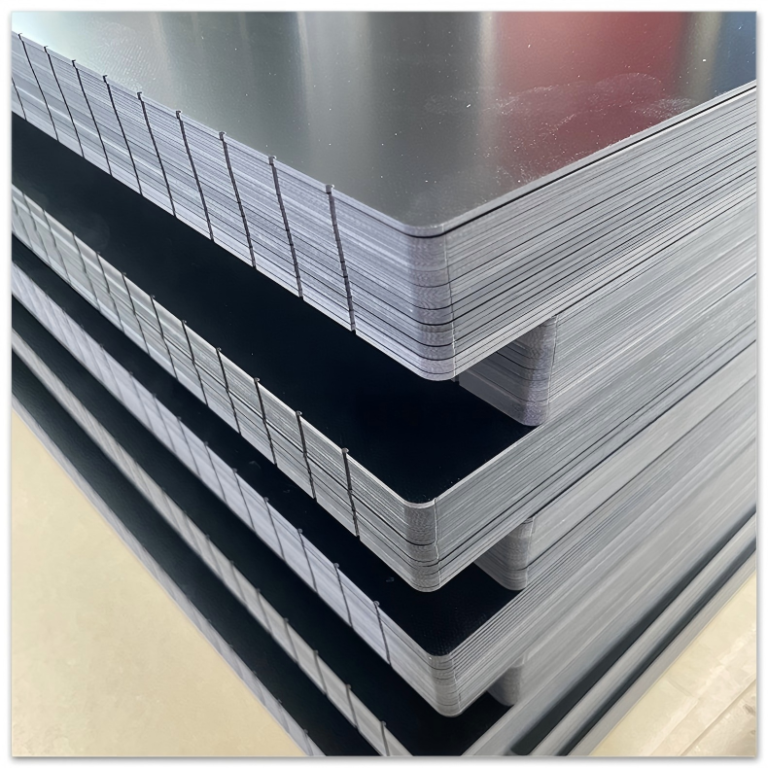
To accurately assess whether the G10 fiberglass board price aligns with your project budget, one must understand the inherent value of the material. G10 is renowned for its extreme mechanical strength, low water absorption, and superior electrical insulating characteristics across a wide range of temperatures and humidities. Unlike standard plastics, the woven glass substrate provides exceptional dimensional stability.
For a detailed technical breakdown, engineers frequently consult resources outlining g10 material properties to ensure the material meets specific NEMA (National Electrical Manufacturers Association) standards. The stringent quality control required to achieve these properties—such as vacuum hot pressing to eliminate internal voids—adds to the manufacturing cost. We recommend prioritizing these certified properties for critical applications like switchgear components, transformers, and heavy machinery wear pads, as the initial G10 fiberglass board price is offset by the longevity and reliability of the final product.
3. Comparative Cost Analysis: G10 vs. Alternative Insulators
A frequent question handled by our professional sales team revolves around alternative materials. How does the G10 fiberglass board price compare to other composites? The most common comparison is between G10 and FR4. While mechanically similar, FR4 contains a brominated flame retardant, making it self-extinguishing. Because of the additional chemical processing, FR4 is often slightly more expensive. Buyers looking into fire-rated applications often review guides from top fr4 sheet manufacturers to balance safety requirements against budget constraints.
When compared to phenolic paper or cotton laminates, the G10 fiberglass board price is notably higher. Phenolic sheets, such as Bakelite, are excellent for low-voltage applications and are generally more cost-effective. Purchasing agents often source from specialized phenolic resin sheet suppliers when mechanical demands are lower. However, phenolics cannot match the tensile strength and moisture resistance of epoxy-glass laminates. For a broader perspective on the composite market, referencing an epoxy sheet price analysis provides valuable context on where G10 sits within the hierarchy of electrical insulation sheet materials.
4. How Dimensions and Custom Machining Impact the G10 Fiberglass Board Price
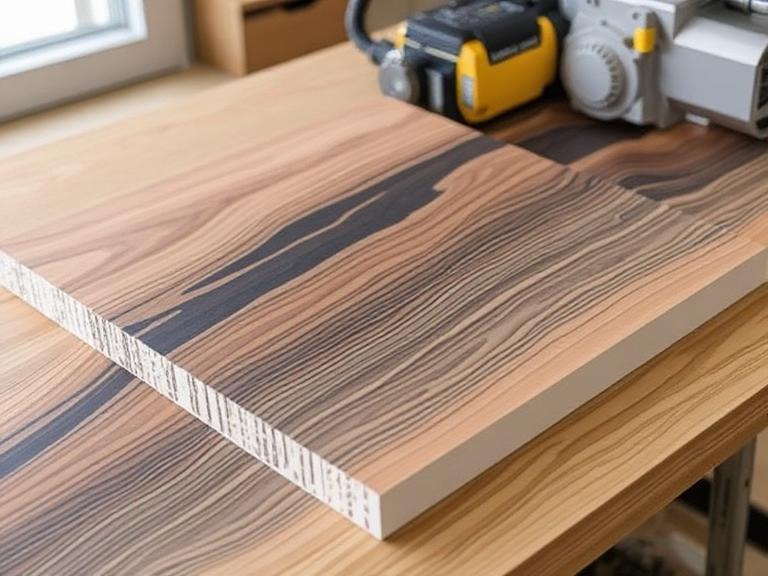
The standard raw dimensions of industrial laminates significantly dictate pricing structures. A prevalent standard in the global market is the 4×8 foot sheet. When evaluating the overall expenditure, the fiberglass sheets 4×8 price provides a baseline metric for material cost per square foot. However, thickness is the primary variable. A 1mm thick sheet requires less resin and glass fabric than a 50mm thick block, directly affecting the G10 fiberglass board price.
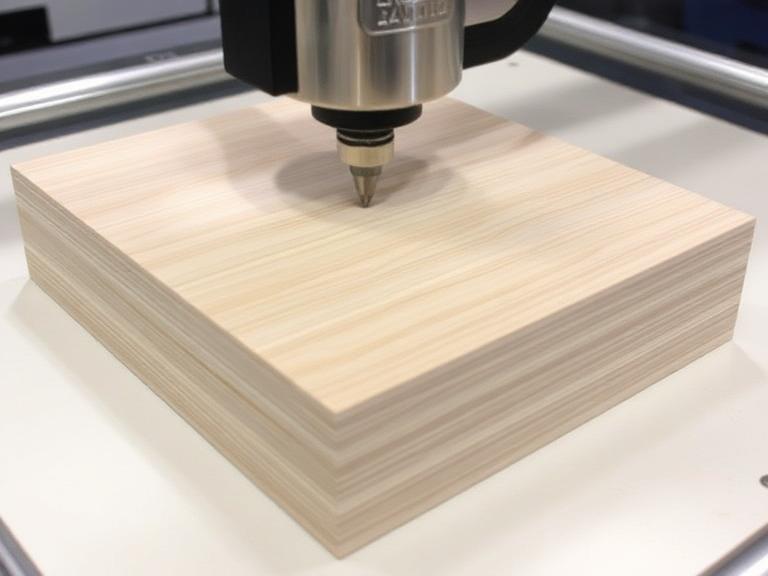
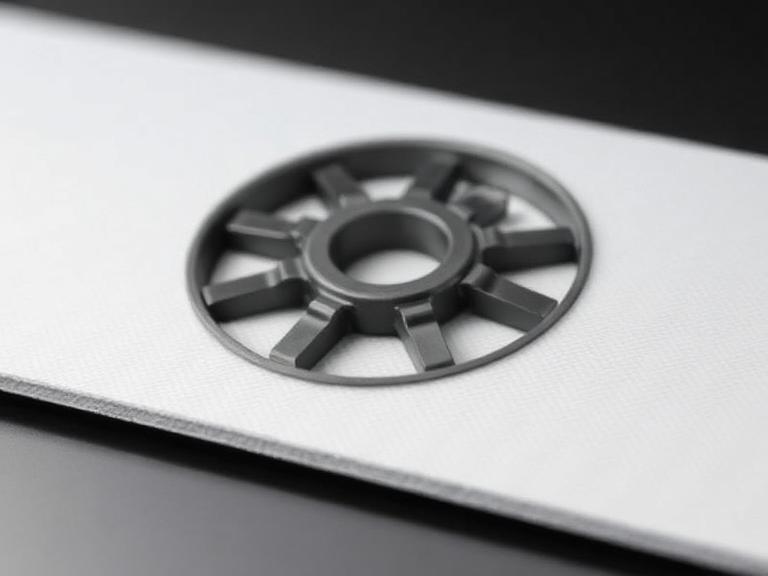
Furthermore, standard sheets often require secondary processing. Sjcncinsulation specializes not only in the production of these sheets but also in their precise CNC machining. From our experience, attempting to machine G10 in-house without the proper diamond-tooled equipment leads to rapid tool wear and hazardous dust generation. We recommend outsourcing the fabrication. While adding CNC routing, drilling, or milling services will increase the initial G10 fiberglass board price per component, it drastically reduces internal labor costs, minimizes material waste, and ensures strict adherence to geometrical tolerances.
For a deeper dive into standard dimension pricing, our fiberglass sheets cost guide offers detailed matrices based on thickness and volume metrics.
5. Summary Table: Estimated G10 Fiberglass Board Price Breakdown
To assist your procurement planning, the following table provides an estimated structural breakdown of the G10 fiberglass board price based on standard market trends anticipated for 2026. Please note that prices are subject to raw material fluctuations and minimum order quantities (MOQ).
| Thickness Range (mm) | Standard Dimension | Estimated Market Price Range (USD per Sheet) | Primary Industrial Application |
|---|---|---|---|
| 0.5mm – 3.0mm | 1020mm x 1220mm (approx 40″ x 48″) | $15.00 – $45.00 | Electrical washers, thin insulation barriers, PCB backing |
| 4.0mm – 10.0mm | 1020mm x 1220mm | $50.00 – $120.00 | Terminal boards, switchgear structural supports |
| 12.0mm – 25.0mm | 1220mm x 2440mm (approx 4′ x 8′) | $200.00 – $450.00 | Heavy-duty structural components, mechanical wear pads |
| 30.0mm – 50.0mm+ | 1220mm x 2440mm | $500.00 – $950.00+ | High-stress cryogenic insulators, heavy machinery bases |
6. Strategic Procurement Recommendations
Securing a favorable G10 fiberglass board price requires a strategic approach to sourcing. From our experience, establishing long-term relationships with reputable epoxy fiberglass sheet manufacturers yields the best economic results. Direct factory sourcing bypasses distribution markups and allows for custom manufacturing tolerances.
We recommend consolidating your material requirements. For instance, if your facility utilizes multiple fiberglass reinforced plastics types or specialized structural elements like those detailed in our fiberglass honeycomb panels cost guide, ordering them simultaneously can significantly reduce freight overhead. Sjcncinsulation, positioned in the strategic manufacturing hub of Wuxi City, is equipped to bundle these specialized insulation materials, ensuring that our clients receive a highly competitive G10 fiberglass board price without compromising on NEMA-grade quality.
7. Frequently Asked Questions (FAQs)
8. Authoritative References
To ensure your engineering specifications and procurement standards align with global regulations, we recommend consulting the following authoritative bodies regarding electrical insulation materials:
- National Electrical Manufacturers Association (NEMA) – Provides definitive standards for the classification, testing, and performance requirements of industrial laminated thermosetting products.
- ASTM International – Offers rigorous testing protocols for determining the dielectric breakdown voltage, flexural strength, and thermal endurance of solid electrical insulating materials.
- Institute of Electrical and Electronics Engineers (IEEE) – Publishes peer-reviewed research and global guidelines on the application of composite insulators in high-voltage engineering environments.