Marine engineering demands materials that can withstand relentless hydrostatic pressure, constant exposure to saltwater, ultraviolet radiation, and dynamic physical stress. In the modern boat building and restoration industry, selecting the Best fiberglass sheets for boats is not merely a matter of preference; it is a critical engineering decision that dictates the vessel’s longevity, safety, and performance. From our experience at SjcncinSulation, the structural integrity of a marine craft heavily relies on the precise chemical and physical properties of the composite panels utilized in its construction.
We recommend that marine architects, boat builders, and restoration enthusiasts carefully evaluate the resin matrix and fiber architecture of their chosen materials. The Best fiberglass sheets for boats must offer an optimal strength-to-weight ratio while remaining impervious to osmotic blistering. In this comprehensive technical guide, we will analyze the six premier fiberglass sheet options available in the market today, detailing their mechanical properties, ideal marine applications, and manufacturing technologies.
Table of Contents
Understanding Marine Material Requirements
Before identifying the Best fiberglass sheets for boats, it is essential to understand the hostile environment in which these materials operate. Marine environments expose hulls, decks, and bulkheads to continuous cyclical loading from wave impacts. This requires materials with high flexural fatigue resistance. Furthermore, the constant presence of moisture necessitates substrates that exhibit zero capillary action, preventing water ingress that leads to delamination and structural failure.
From our experience engineering advanced polymers in Wuxi City, we know that standard industrial plastics are insufficient for marine use. The Best fiberglass sheets for boats are engineered using specialized cross-linked polymers, such as vinyl ester or epoxy resins, reinforced with meticulously aligned glass fibers. These combinations prevent the micro-cracking that often plagues inferior materials under marine torsion.
The 6 Best Fiberglass Sheets for Boats
1. SMC Composite Marine Boards
Sheet Molding Compound (SMC) boards represent a pinnacle in high-volume, precision marine manufacturing. When searching for the Best fiberglass sheets for boats, SMC materials consistently rank highly due to their exceptional dimensional stability and isotropic strength. These sheets are manufactured under high heat and immense pressure, resulting in a dense, void-free composite.
We recommend utilizing these highly engineered smc composite materials for structural bulkheads, transom reinforcements, and engine mount substrates. Because the fiberglass is evenly dispersed within the thermoset resin, the resulting smc insulation board offers unparalleled resistance to corrosive marine fuels, oils, and continuous moisture exposure. Furthermore, the smooth surface finish out of the mold reduces the need for extensive secondary gel coating.
2. G10/FR4 Epoxy Glass Laminates
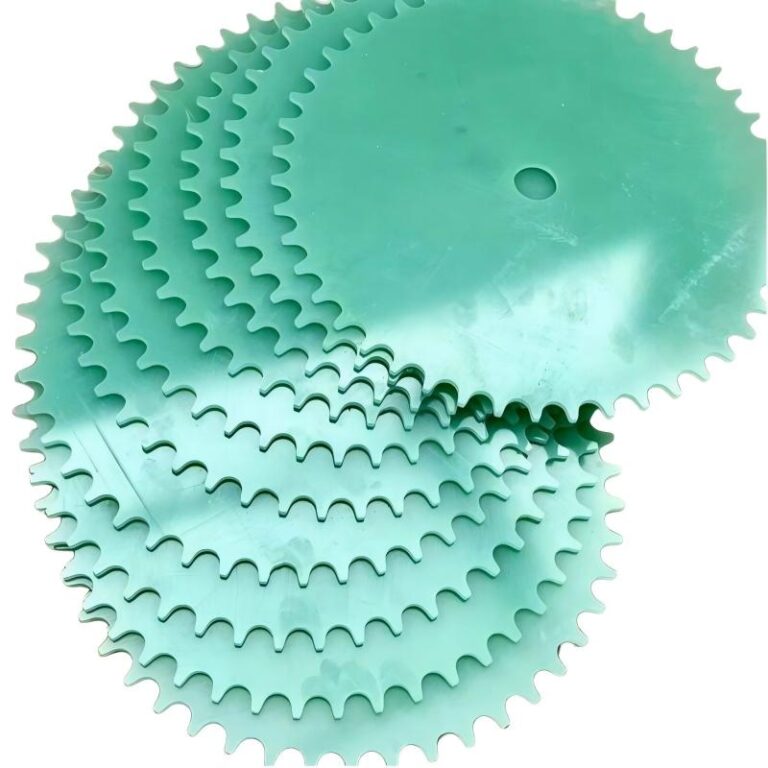
G10 and FR4 sheets are high-pressure thermoset plastic laminate grades consisting of a continuous woven glass fabric base impregnated with an epoxy resin binder. While traditionally known for electrical insulation, they are widely recognized as some of the Best fiberglass sheets for boats when extreme mechanical strength is required in localized areas.
From our experience, G10 sheets are the absolute optimal choice for backing plates behind cleats, winches, and stanchions. They possess immense compressive strength, preventing hardware from crushing the fiberglass hull under heavy load. Although they are heavier than foam-cored panels, their ability to hold a tapped thread and resist water absorption makes them an indispensable material in marine engineering.
3. FRP Fiberglass Reinforced Plastic Panels
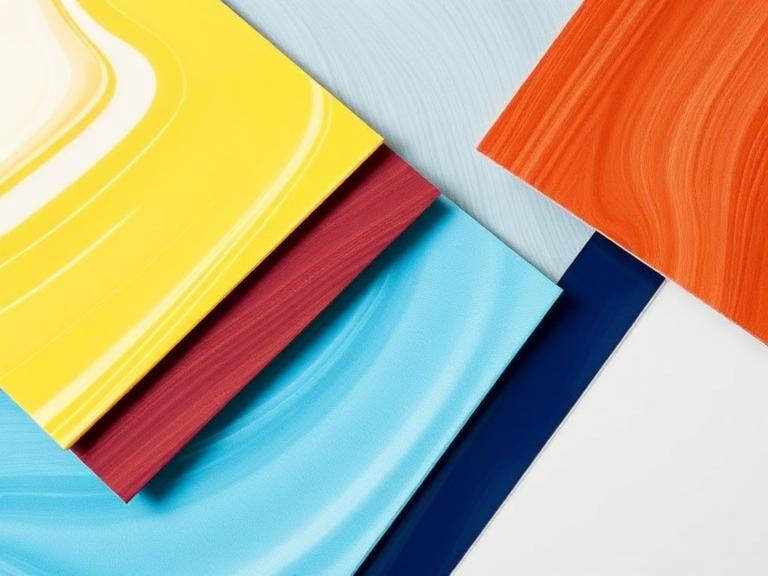
FRP panels are the versatile workhorses of the marine industry. Composed of a polymer matrix reinforced with glass fibers, they are lightweight, non-corrosive, and easily manipulated. For builders constructing cabin interiors, shower enclosures, or non-structural decking surfaces, FRP represents the Best fiberglass sheets for boats available for general fabrication.
To fully leverage these materials, builders must understand their specific resin formulations. We strongly advise reading our comprehensive frp fiberglass reinforced plastic guide before commencing any large-scale project. Sourcing from reputable fiberglass plastic panel suppliers ensures the FRP features a high-quality UV-resistant gel coat, preventing the chalking and degradation common in lower-grade plastics exposed to harsh marine sunlight.
4. Honeycomb Core Fiberglass Panels
Weight reduction is a critical objective in modern boat design, directly impacting fuel efficiency, speed, and draft. Honeycomb core panels sandwich a lightweight polypropylene or aluminum honeycomb structure between two rigid fiberglass skins. This geometry creates one of the Best fiberglass sheets for boats regarding the stiffness-to-weight ratio.
We recommend honeycomb panels for cabinetry, sole boards, and hardtops. They provide the rigidity of a solid fiberglass sheet at a fraction of the weight. Understanding the composite panel applications is vital for marine architects looking to optimize the center of gravity in performance vessels.
5. Polyurethane (PU) Foam Core Fiberglass Sheets
Similar to honeycomb panels, PU foam core sheets utilize a sandwich construction. However, the core is a high-density closed-cell polyurethane foam. These are undeniably the Best fiberglass sheets for boats where thermal insulation and positive buoyancy are strict requirements. The closed-cell nature of the foam means that even if the outer fiberglass skin is breached, the core will not absorb water.
These panels are extensively used in the construction of refrigerated fish holds, live wells, and structurally insulated cabin walls. While assessing the project budget, builders should review the structurally insulated panel cost to balance the initial investment against the long-term energy savings and safety benefits provided by the foam core architecture.
6. Chopped Strand Mat (CSM) Integrated Sheets
Chopped Strand Mat sheets are manufactured using short glass fibers randomly distributed and bound together with a styrene-soluble binder. While they do not offer the tensile strength of woven fabrics, they are highly regarded as the Best fiberglass sheets for boats requiring complex molding and quick thickness building.
From our experience, CSM sheets are exceptional for rapid hull repairs, waterproofing wooden stringers, and creating watertight fillets in bilges. The random orientation of the fibers ensures equal strength in all directions within the two-dimensional plane, providing a reliable, cost-effective solution for secondary structural bonding.
Engineering Considerations When Selecting Panels
Choosing the Best fiberglass sheets for boats requires matching the material’s specifications to the specific hydrodynamic and environmental loads of the application. We recommend evaluating the following parameters:
- Resin Matrix: Ensure the sheet utilizes an orthophthalic, isophthalic, vinyl ester, or epoxy resin suitable for the intended exposure. Vinyl ester and epoxy offer superior osmotic resistance compared to standard polyester.
- Flexural Modulus: This measures the panel’s tendency to bend under load. Decking panels require a high flexural modulus to prevent a spongy feel underfoot.
- Water Absorption Rate: The Best fiberglass sheets for boats must have a water absorption rate of less than 0.5% over 24 hours to prevent weight gain and structural degradation.
- UV Stability: Exterior panels must incorporate UV inhibitors in their resin or feature an aliphatic polyurethane topcoat to prevent yellowing and fiber blooming.
Summary Comparison Table
| Fiberglass Sheet Type | Primary Marine Application | Key Engineering Advantage | Relative Weight |
|---|---|---|---|
| SMC Composite Marine Boards | Transoms, Engine Mounts | Isotropic strength, chemical resistance | Heavy |
| G10/FR4 Epoxy Laminates | Hardware Backing Plates | Extreme compressive strength | Heavy |
| FRP Panels | Cabin Interiors, Showers | Corrosion resistance, easy cleaning | Medium |
| Honeycomb Core Panels | Hardtops, Cabinetry | Maximum stiffness-to-weight ratio | Very Light |
| PU Foam Core Sheets | Live Wells, Insulated Cabins | Thermal insulation, positive buoyancy | Light |
| CSM Integrated Sheets | Quick Repairs, Bilge Fillets | Multi-directional bonding strength | Medium |
Frequently Asked Questions (FAQs)
References
- United States Department of Energy: Advanced Composite Materials Research
- National Institute of Standards and Technology (NIST): Polymer Matrix Composites
- SjcncinSulation Internal Engineering and R&D Technical Specifications
In conclusion, sourcing the Best fiberglass sheets for boats requires a deep understanding of marine loads and material science. By partnering with a modern manufacturing enterprise equipped with strong R&D capabilities, builders can access the exact composite solutions required to ensure their vessels are safe, efficient, and exceptionally durable.