In modern industrial manufacturing and structural engineering, selecting the correct material substrate dictates the ultimate success, longevity, and safety of a project. Engineers and designers continuously seek materials that offer an optimal balance of strength, weight reduction, and environmental resistance. Over the past few decades, the decision to Use FRP (Fiberglass Reinforced Plastic) has revolutionized sectors ranging from aerospace and marine to heavy electrical engineering and civil infrastructure. At Sjcncin Sulation, located in Houqiao Industrial Park, Xinwu District, Wuxi City, Jiangsu Province, China, we operate as a modern manufacturing enterprise specializing in the production, processing, sales, and service of insulation materials and plastic sheets. Supported by a young and highly skilled team of engineers with strong R&D capabilities, we navigate the complex specifications of composite materials daily.
From our experience, while many procurement officers and design engineers choose to Use FRP to solve immediate mechanical or electrical challenges, they often overlook the nuanced properties that maximize the material’s potential. Understanding the interaction between the glass reinforcement fibers and the polymer matrix is critical. We recommend a thorough technical evaluation before substituting traditional metals or unreinforced plastics with composites. In this authoritative guide, we will detail the 11 critical things you need to know when you Use FRP, ensuring your next engineering project benefits from absolute structural integrity and cost efficiency.
Table of Contents
1. Fundamental Properties When You Use FRP
To successfully Use FRP, one must first understand its composite nature. It is not a single material, but a synergistic combination of high-tensile fiberglass reinforcement bound within a durable polymer resin matrix. The glass provides the load-bearing strength, while the plastic distributes the stress and protects the fibers.
1.1 Understand the Strength-to-Weight Ratio
One of the primary reasons engineers choose to Use FRP is its exceptional strength-to-weight ratio. Pound for pound, specific fiberglass laminates can exceed the tensile strength of carbon steel while weighing roughly one-quarter as much. This translates to significantly lower transportation costs, easier installation without heavy lifting equipment, and reduced dead weight in structural designs. When you Use FRP in transit or aerospace applications, the resulting weight savings directly improve fuel efficiency and payload capacity.
1.2 Recognize Excellent Corrosion Resistance
Unlike steel, which rusts, or aluminum, which suffers from galvanic corrosion, you do not have to worry about oxidation when you Use FRP. The polymer matrix is inherently resistant to a broad spectrum of chemicals, including acids, alkalis, and harsh saline environments. We recommend facilities operating in chemical processing, wastewater treatment, or offshore marine environments heavily Use FRP for their grating, handrails, and structural supports to eliminate the constant need for protective painting and rust remediation.
1.3 Leverage Superior Electrical Insulation
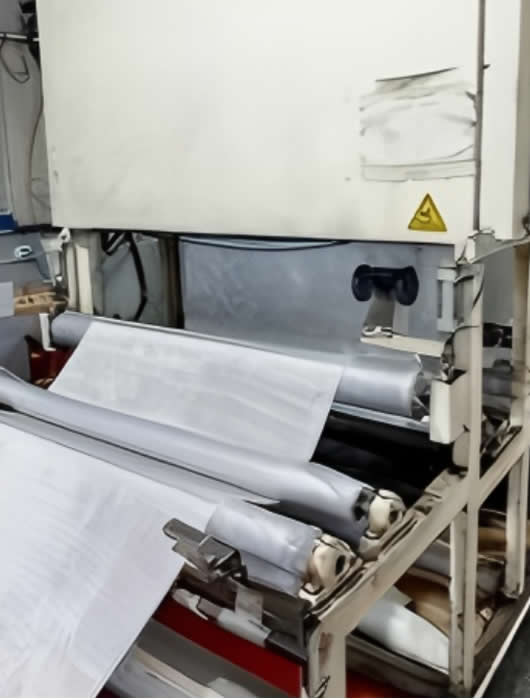
Metals are highly conductive, posing severe electrocution risks in high-voltage environments. Conversely, when you Use FRP, you are utilizing a material with naturally high dielectric strength. At Sjcncin Sulation, we manufacture specialized Special Insulation Materials and Engineering Plastics specifically for this purpose. Because FRP does not conduct electricity, it is the mandatory choice for electrical switchgear components, transformer housings, and utility poles. By supplementing rigid structures with our Insulating Tape / Film, engineers can guarantee complete electrical isolation and arc resistance.
2. Material Selection and Application Guidelines
Choosing to Use FRP is only the first step. The true engineering challenge lies in specifying the exact composition of the laminate to meet the environmental and mechanical stresses of your specific application.
1.4 Match the Resin System to the Application
The performance of the composite relies heavily on the chosen resin matrix. You must specify the correct binder when you Use FRP. Our product catalog includes both Epoxy Fiberglass Laminates and Phenolic Resin Laminates to address different engineering needs. We recommend Epoxy Fiberglass Laminates (such as FR4 or G10) for applications requiring supreme mechanical strength, low water absorption, and excellent electrical properties at room temperature. However, if your application involves high heat or requires strict smoke and toxicity compliance (such as in rail transit interiors), we recommend Phenolic Resin Laminates, which offer superior fire resistance and high-temperature stability.
1.5 Factor in Thermal Endurance and Expansion
Metals expand significantly under heat, which can warp precision machinery. When you Use FRP, you benefit from a significantly lower coefficient of thermal expansion (CTE). This dimensional stability is crucial for components operating in fluctuating temperatures. However, engineers must respect the Glass Transition Temperature (Tg) of the specific resin used. Exceeding the Tg will cause the matrix to soften, compromising the structural integrity of the fiberglass. Always cross-reference the continuous operating temperature requirements of your project with the technical data sheets of your chosen laminates.
1.6 Consider Electromagnetic Transparency
In modern telecommunications, radar installations, and 5G/6G cellular tower infrastructure, signal interference is unacceptable. Metals block and reflect radio frequency (RF) signals. You must Use FRP if you are constructing radomes, antenna enclosures, or any housing that requires electromagnetic transparency (EMI/RFI invisibility). The non-magnetic and RF-transparent nature of these composites ensures zero signal attenuation, maximizing the performance of sensitive transmitting equipment.
1.7 Optimize for Custom Machining and Fabrication
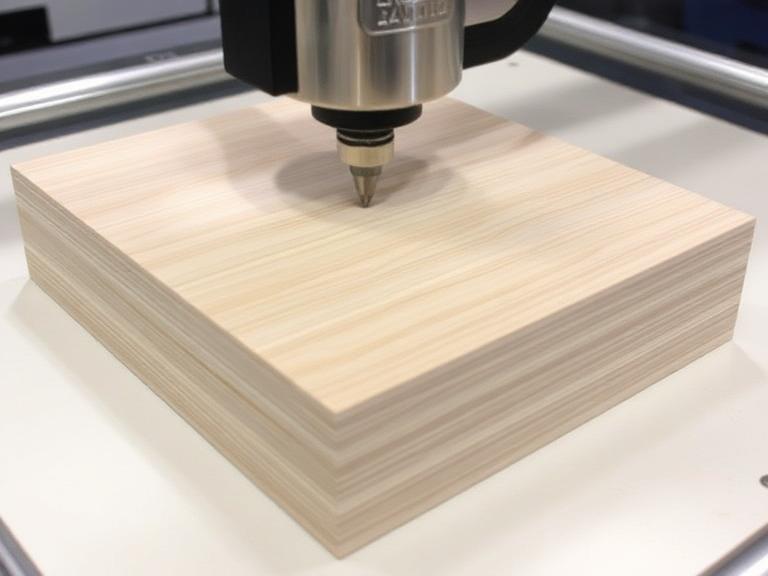
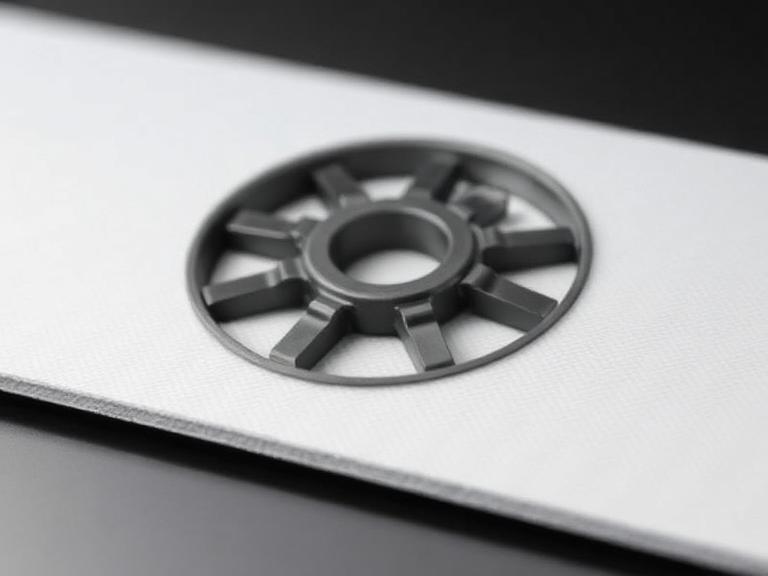
From our experience, one of the main hurdles companies face when they decide to Use FRP is the fabrication process. The highly abrasive nature of the glass fibers will rapidly dull standard high-speed steel (HSS) cutting tools. Machining these composites requires solid carbide or diamond-tooled drill bits and routers. To alleviate this burden for our clients, Sjcncin Sulation offers comprehensive Custom Machining services. Our state-of-the-art CNC routing and milling centers ensure that your Epoxy Fiberglass Laminates and Engineering Plastics are cut to exact microscopic tolerances, preventing delamination and edge fraying during assembly.
3. Long-Term Maintenance and Cost Efficiency
Evaluating a material based solely on its initial purchase price is a flawed procurement strategy. You must look at the macro-economics over the lifespan of the installation to truly appreciate why industries increasingly Use FRP.
1.8 Evaluate Total Life-Cycle Costs When You Use FRP
The initial material cost to Use FRP may sometimes be higher than standard carbon steel or cheap injection-molded plastics. However, the total life-cycle cost is drastically lower. Because FRP components do not require periodic sandblasting, repainting, or galvanizing, the maintenance budget is nearly zero. Furthermore, the extended service life—often exceeding 50 years in harsh environments—means that the replacement cycle is significantly longer than that of traditional metals.
1.9 Implement Proper Handling and Storage
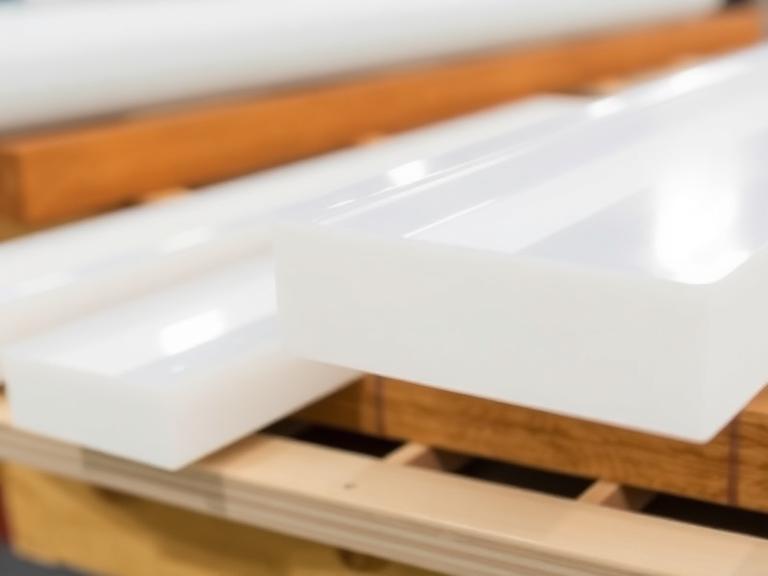
While exceptionally durable once installed, you must exercise care during the logistics phase when you Use FRP. Heavy impacts on the edges of unmachined laminates can cause localized micro-fractures or delamination. We recommend storing raw FRP sheets flat on supported pallets in a dry environment to prevent warping. When handling large panels, utilize lifting straps rather than steel chains to protect the surface finish.
1.10 Understand UV Resistance and Weatherability
If your project involves outdoor exposure, you must consider ultraviolet (UV) degradation when you Use FRP. Prolonged exposure to intense sunlight can cause the surface resin to undergo a process called “fiber bloom,” where the matrix chalks and exposes the underlying glass fibers. To combat this, we recommend specifying an outer gel coat with UV inhibitors or applying a protective polyurethane coating to the finished structure to guarantee decades of pristine aesthetic and structural performance.
1.11 Navigate Environmental and Safety Compliance
Finally, modern manufacturing requires adherence to strict environmental and safety regulations. When you cut or sand composites, fine glass dust is generated. Any facility that chooses to Use FRP internally must utilize proper dust extraction systems and provide operators with appropriate respiratory PPE. However, once the product is finished and installed, FRP is completely inert, non-toxic, and poses no leaching hazards to groundwater, making it an environmentally safe choice for water infrastructure and agricultural applications.
4. Summary Table: The 11 Core Considerations
To assist your engineering and procurement teams in their decision-making process, we have summarized the critical factors you must evaluate when you Use FRP.
| Consideration Category | Key Engineering Factor | Primary Benefit / Action Required |
|---|---|---|
| Mechanical | Strength-to-Weight Ratio | Reduces dead weight while matching metal strength. |
| Chemical | Corrosion Resistance | Eliminates rust and reduces maintenance in harsh environments. |
| Electrical | Electrical Insulation | Provides inherent safety via high dielectric strength. |
| Material Science | Resin System Selection | Match Epoxies for strength or Phenolics for high heat. |
| Thermal | Thermal Endurance | Offers dimensional stability; respect the Glass Transition Temp. |
| Telecommunications | Electromagnetic Transparency | Guarantees zero RF signal interference for radomes. |
| Manufacturing | Custom Machining | Utilize Sjcncin Sulation’s CNC services to prevent tool wear. |
| Economics | Total Life-Cycle Costs | Higher initial cost is offset by zero long-term maintenance. |
| Logistics | Handling and Storage | Store flat and protect edges from impact delamination. |
| Environmental | UV Resistance | Specify UV-inhibited gel coats for outdoor longevity. |
| Safety | Safety Compliance | Manage dust during fabrication; enjoy inert safety post-install. |
5. Frequently Asked Questions (FAQs)
Why should I Use FRP instead of stainless steel?
From our experience, while stainless steel is highly durable, it is incredibly heavy and expensive. You should Use FRP because it provides equivalent structural integrity at a fraction of the weight, offers superior chemical resistance to a wider range of acids and chlorides, and possesses natural electrical insulation that steel cannot provide.
What is the difference between Epoxy Fiberglass Laminates and Phenolic Resin Laminates?
The difference lies in the resin matrix. We recommend Epoxy Fiberglass Laminates (like FR-4) for applications requiring the highest mechanical strength, tightest machining tolerances, and extreme electrical insulation in standard temperature ranges. We recommend Phenolic Resin Laminates when the primary concern is fire resistance, low smoke emission, and operating in continuous high-temperature environments.
Is it difficult to machine parts when I Use FRP?
Yes, if you lack the correct tooling. The glass fibers are highly abrasive and will destroy standard steel tooling rapidly. To guarantee precision and prevent material waste, we highly recommend utilizing our Custom Machining services at Sjcncin Sulation, where we utilize specialized diamond-cutters and advanced CNC routing technology.
Can I Use FRP in outdoor, high-sunlight environments?
Absolutely. While raw resin can degrade under intense UV light, when you Use FRP for outdoor applications, the manufacturer will incorporate specific UV inhibitors into the resin matrix or apply a protective gel coat. This ensures the material maintains its structural and aesthetic properties for decades without chalking or fiber blooming.
6. Industry References
To further expand your knowledge regarding material science, testing standards, and advanced engineering protocols for composites, we recommend consulting the following authoritative organizations: