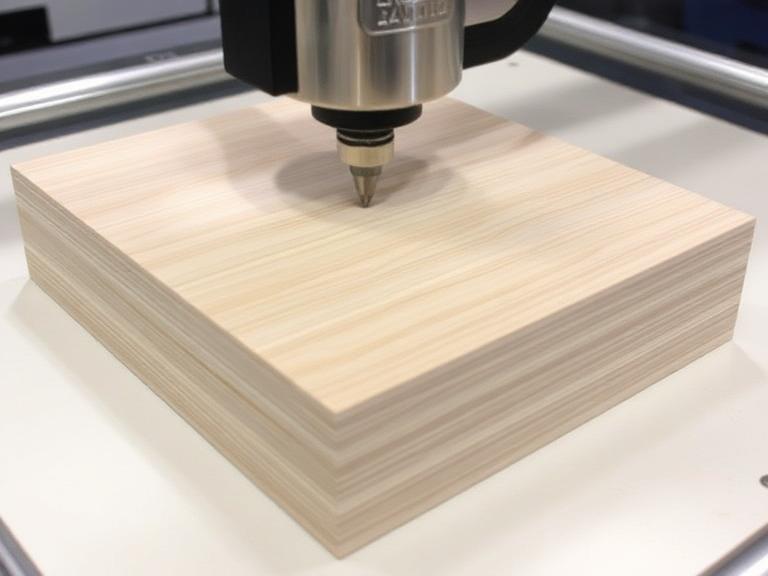
In modern industrial engineering, structural lamination, and thermal insulation applications, fiberglass-reinforced substrates are selected for their high strength-to-weight ratios, excellent dielectric properties, and corrosion resistance. However, the mechanical modification of these glass-reinforced polymers generates fine, abrasive particulates and airborne glass microfibers. Failing to implement proper control protocols during fabrication stages presents immediate respiratory, ocular, and dermal health hazards to operators, while degrading workshop air quality metrics.
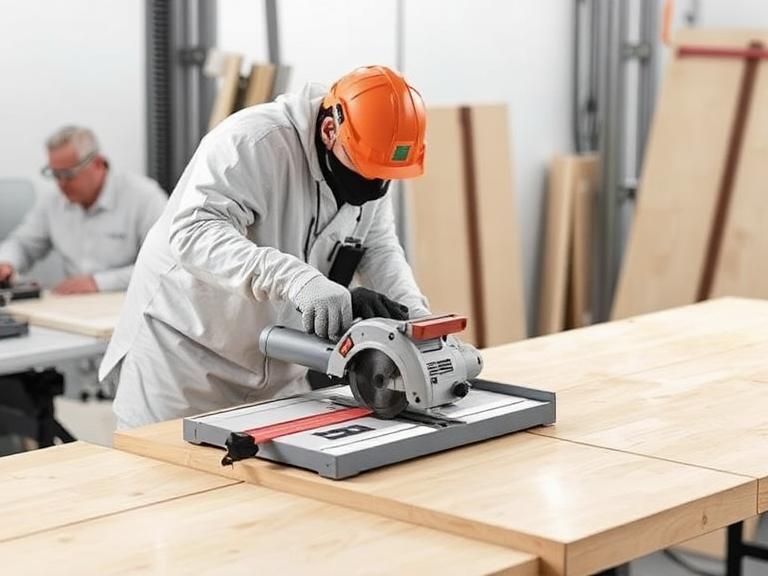
From our experience at Sjcncin Sulation, structural material failures or worker downtime are rarely caused by unpredictable equipment errors. Instead, they trace back to inadequate safety practices and bad ventilation choices during cutting and machining phases. Implementing a strict safety framework protects your fabrication technicians and ensures structural components are prepared cleanly without compromising composite boundaries. This technical analysis outlines the six core safety precautions when cutting or handling fiberglass boards to optimize your workshop operations.
Table of Contents
- 1. The Biological and Physical Mechanics of Fiberglass Dust
- 2. 6 Critical Precautions When Cutting or Handling Fiberglass Boards
- 3. Safety Management and Risk Mitigation Summary Matrix
- 4. Tool Selection and Machining Parameters for Composite Substrates
- 5. Post-Execution Cleanup and Proper Material Disposal Protocols
- 6. Sustainable Composite Engineering: The Sjcncin Sulation Advantage
- 7. Frequently Asked Questions (FAQs)
- 8. Industrial and Occupational Health References
1. The Biological and Physical Mechanics of Fiberglass Dust
To accurately configure safety protocols, production managers must first examine the physical structure of fiberglass fragments. Fiberglass boards are composed of fine glass filaments embedded within a polymer matrix, such as epoxy, polyester, or phenolic resin. When mechanical tools slide across these boards, the action shatters the brittle glass fibers into microscopic, needle-like shards.
We recommend establishing comprehensive air quality baselines in your cutting areas before beginning large fabrication runs. If these glass fragments are allowed to suspend in the air, they cause mechanical irritation to human tissue upon contact. Dermal contact leads to severe itching and micro-abrasions, while breathing in these fibers damages delicate respiratory linings. Enforcing the correct precautions when cutting or handling fiberglass boards prevents these physical hazards, ensuring a clean and regulatory-compliant working environment.
2. 6 Critical Precautions When Cutting or Handling Fiberglass Boards
The following detailed directives identify the six foundational protective strategies that must be executed by technicians during any composite profiling or lamination phase.
1. Deployment of Advanced Respiratory Protection
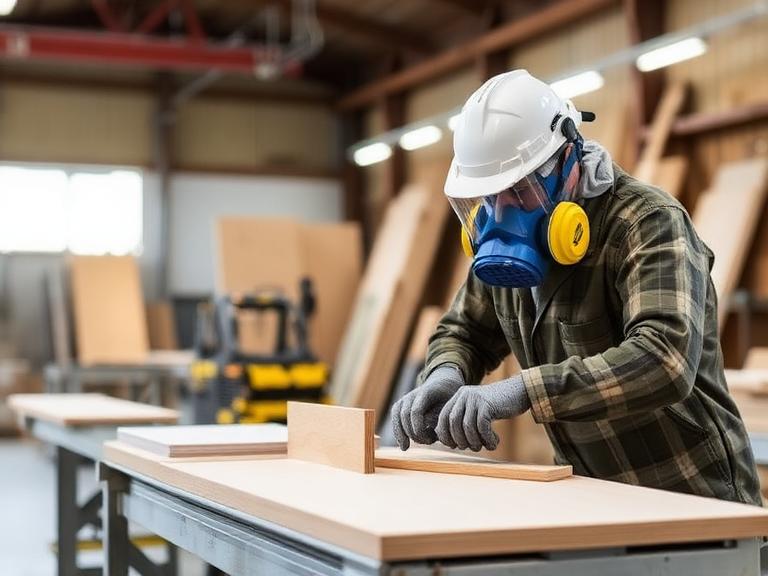
Standard paper dust masks are completely inadequate for blocking micro-glass fragments. These basic fibers can easily slip past loose seals or through porous paper substrates, entering the worker’s respiratory system. From our experience, keeping workplace air safe requires high-performance filtration masks.
We recommend mandating NIOSH-certified N95 or higher particulate respirators for all cutting jobs. For high-volume industrial processing or enclosed cutting bays, workers should use half-mask elastomeric respirators fitted with P100 particulate filters. This protective equipment forms a reliable airtight seal, blocking microscopic glass shards from entering the respiratory tract.
2. Utilization of Source-Capture Local Exhaust Ventilation (LEV)
Allowing glass dust to drift freely across a room creates secondary exposure hazards for other personnel hours after the cutting job is complete. The single most effective engineering control is capturing the dust directly at the cutting edge before it can disperse.
The cutting machinery should be connected directly to an industrial dust collection system equipped with certified High-Efficiency Particulate Air (HEPA) filters. Utilizing specialized source-capture hoods or vacuum shroud attachments captures over 99% of glass shards instantly as they are cut away, preventing dust accumulation across your facility.
3. Mandating Sealed Ocular Protection

Standard open-sided safety glasses provide insufficient protection against airborne fiberglass dust. High-velocity cutting blades throw off glass shards that can bounce off walls or clothes, bypassing side shields and landing directly on the operator’s eyes, causing painful corneal abrasions.
We recommend mandating completely sealed chemical splash or dust goggles that form a solid protective seal around the upper face. If the cutting station generates large amounts of debris, combining these sealed goggles with a high-impact full face shield provides total facial protection against flying composite fragments.
4. Enforcement of Non-Porous Dermal Barriers
When microscopic glass needles land on exposed skin, they lodge in the pores, causing intense irritation, contact dermatitis, and secondary skin infections. Traditional loose woven cotton clothing allows these fibers to pass straight through, trapping the glass particles against the skin.
Technicians must wear disposable, high-density Tyvek protective suits fitted with elastic wrists and ankles. Pair these suits with heavy-duty nitrile or leather gloves to keep hands safe from sharp board edges. We recommend instructing workers to rinse their skin with cold water after a shift to wash away any stray fibers before warm water can open skin pores further.
5. Optimization of Tool Speeds and Blade Profiles
Using improper cutting tools or running machinery at incorrect speeds can overheat the composite material, burning the polymer matrix and releasing toxic chemical vapors alongside glass shards. It also dulls blades rapidly, which fractures the board edges and throws off excess dust.
We recommend utilizing diamond-grit or carbide-tipped saw blades engineered explicitly for abrasive composites. Run your cutting machines at low speeds and high feed rates to score the material cleanly. This operational profile slices through glass fibers smoothly, reducing the volume of fine airborne dust and preventing edge delamination.
6. Establishment of Dedicated Controlled Cutting Zones
Mixing composite processing with general manual assembly lines or packaging areas introduces unnecessary contamination risks across your entire production floor. Glass shards can settle onto finished products or sensitive packaging materials, creating unexpected problems down the line.
All fiberglass profiling, routing, and drilling tasks must be isolated within a designated, enclosed workshop space. This controlled area should maintain negative air pressure to prevent dust from drifting into adjacent rooms, ensuring that high-exposure tasks remain completely contained within a safe, filtered space.
3. Safety Management and Risk Mitigation Summary Matrix
To assist environmental health and safety (EHS) officers and workshop managers in structuring their safety protocols, the following responsive table outlines how these critical precautions when cutting or handling fiberglass boards counter specific production hazards.
| Safety Precaution | Targeted Production Hazard | Required Equipment Standard | Core Operational Advantage |
|---|---|---|---|
| Advanced Respiratory Protection | Micro-glass fiber inhalation & lung irritation | NIOSH N95 / P100 Elastomeric | Blocks sub-micron shards from respiratory tracts |
| Source-Capture LEV Systems | Ambient dust accumulation & cross-zone travel | Industrial HEPA Extraction Assemblies | Traps over 99% of processing dust at the blade edge |
| Sealed Ocular Protection | High-velocity glass impacts & corneal abrasions | ANSI Z87.1+ Sealed Dust Goggles | Eliminates side-angle particulate entry into eyes |
| Non-Porous Dermal Barriers | Glass shard penetration & severe skin itching | Disposable Tyvek Suits & Nitrile Gloves | Prevents abrasive particles from embedding in skin pores |
| Tooling & Speed Optimization | Matrix burning, toxic fumes, & heavy dust loads | Diamond-Grit / Carbide-Tipped Blades | Ensures clean composite borders with minimal micro-fines |
| Dedicated Cutting Zones | Cross-contamination of assembly & packing areas | Negative Pressure Isolated Enclosures | Contains all composite debris within a single filtered space |
4. Tool Selection and Machining Parameters for Composite Substrates
Achieving a clean, professional finish on an industrial fiberglass sheet requires precise technical planning. Standard steel or high-speed steel (HSS) blades dull almost instantly when contacting glass strands, tearing the material instead of cutting it. This tearing action damages the board edges and creates a massive cloud of abrasive dust.
We recommend using specialized continuous-rim diamond blades or solid carbide routers with downward spiral flutes. The downward pressure of the spiral flute keeps the composite layers compressed tightly together during the cut, preventing edge fuzz and interlayer peeling. This tooling choice yields smooth, burr-free edges that meet tight assembly specifications while significantly lowering the volume of airborne micro-fines.
5. Post-Execution Cleanup and Proper Material Disposal Protocols
Safety management doesn’t end when the cutting machines stop. The way a workshop cleans up accumulated composite dust plays a massive role in maintaining long-term air safety. Sweeping with standard dry brooms is dangerous because it tosses settled glass fibers back into the air, creating a secondary inhalation hazard for everyone in the room.
Technicians must clean all surfaces using certified industrial vacuum cleaners equipped with HEPA filtration setups, or use wet-wiping techniques to track down fine dust. All collected fiberglass off-cuts, used sanding discs, and contaminated protective suits must be placed into heavy-duty, sealed plastic waste bags. Label these bags clearly according to local environmental regulations before sending them to authorized industrial disposal facilities.
6. Sustainable Composite Engineering: The Sjcncin Sulation Advantage
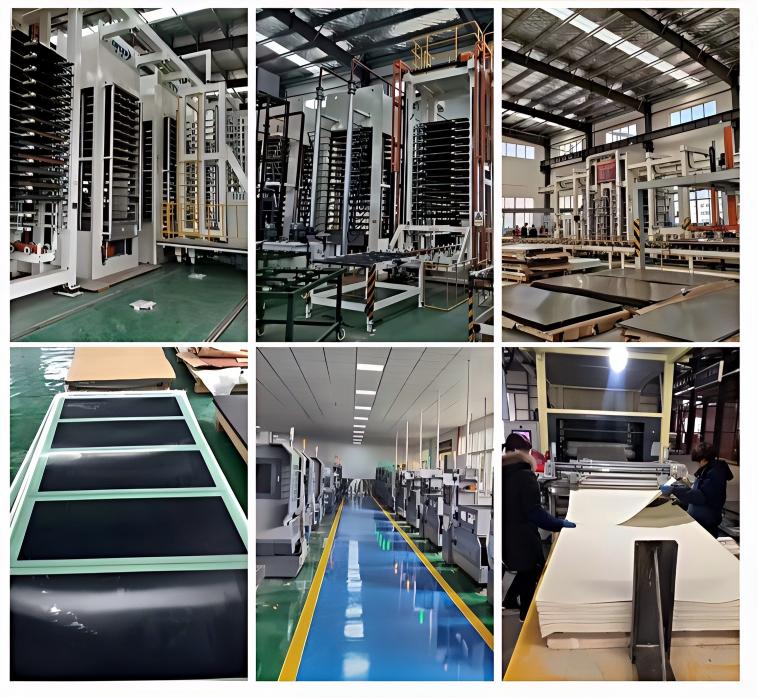
While establishing strict safety rules is essential for workshop health, finding a high-quality supplier is what guarantees long-term material performance. Sjcncin Sulation is a modern manufacturing enterprise specializing in the production, processing, sales, and service of insulation materials and plastic sheets. The company is located in Houqiao Industrial Park, Xinwu District, Wuxi City, Jiangsu Province, China. We are supported by a young and highly skilled team of engineers with strong R&D capabilities, as well as a professional sales team.
By operating modern automated precision milling lines and maintaining strict chemical quality checks, we ensure our high-performance panels meet tight tolerances with minimal edge processing requirements. For engineering departments designing architectural layouts or structural frameworks, we recommend reviewing our comprehensive analysis of structurally insulated panel cost to optimize your financial budgeting. Procurement directors can also explore our advanced compounding technologies by studying our dedicated report on smc composite materials.
Furthermore, matching the proper composite to your unique environmental challenges requires a solid grasp of structural properties. For high-voltage electrical spacing or heavy thermal barriers, engineers can view our specialized configurations for smc insulation board components. Sourcing managers can also explore how different panels perform under structural loads by checking our engineering summary on composite panel applications.
Ultimately, long-term plant safety and product quality depend on your manufacturer’s technical track record. For high-volume projects, teams can review our global report on top fiberglass plastic panel suppliers. To ensure your technicians understand how to store, clean, and install these advanced polymers safely, we recommend reading our master user manual, titled frp fiberglass reinforced plastic guide, to protect your team and optimize your manufacturing operations.
7. Frequently Asked Questions (FAQs)
8. Industrial and Occupational Health References
1. Occupational Safety and Health Administration. (2022). Air Contaminants and Synthetic Mineral Fibers Handling Regulations (OSHA Standard No. 1910.1000). Washington, DC. Available via https://www.osha.gov/)
2. International Organization for Standardization. (2021). Plastics — Glass-reinforced materials — Determination of mechanical and structural properties (ISO Standard No. 1268-1). Available via https://www.iso.org/)
3. National Institute for Occupational Safety and Health (NIOSH). (2024). Criteria for a Recommended Standard: Occupational Exposure to Synthetic Vitreous Fibers. Government Health Assessment Network.