The global industrial construction and architectural daylighting sectors in 2026 are experiencing a profound technological shift toward high-performance composite building envelopes. Modern manufacturing plants, agricultural complexes, commercial atriums, and residential projects increasingly specify advanced translucent fiberglass reinforced plastics (FRP) to balance light transmission with structural integrity. Unlike traditional glass, which remains vulnerable to physical impacts and exhibits high thermal conductivity, or basic polycarbonate sheets susceptible to rapid UV degradation, specialized fiberglass panels provide complete structural stability, non-corrosive performance, and optimized soft-light diffusion.

From our experience at SjcncinSulation, navigating commercial construction budgets requires a deep understanding of core chemical formulations, glass-to-resin weight ratios, and advanced gel-coat preservation technology. Project managers frequently make the structural mistake of evaluating materials solely on initial procurement expenses, failing to realize that sub-standard chemical curing processes lead to severe fiber blooming, yellowing, and mechanical failure within twenty-four months. Analyzing the primary variables governing the translucent fiberglass panels price per square meter ensures that architectural fit-outs, industrial roofing projects, and material distribution operations remain highly cost-efficient and structurally sound over decades of continuous environmental exposure.
Table of Contents
- 1. Current Market Drivers and Thermodynamic Realities in 2026
- 2. Breakdown of the Translucent Fiberglass Panels Price per Square Meter
- 3. Comprehensive Cost Matrix and Technical Specification Summary Table
- 4. Core Engineering Variables Affecting Market Valuation
- 5. Industrial Procurement Guidelines: Avoiding Costly Material Selection Pitfalls
- 6. Manufacturing Integration and Advanced Insulation Material Logistics: The SjcncinSulation Advantage
- 7. Frequently Asked Questions (FAQs)
- 8. Technical and International Metrology References
1. Current Market Drivers and Thermodynamic Realities in 2026
To accurately plan macro-construction investments, engineering teams must evaluate the global raw material supply chains shaping the translucent fiberglass panels price structures in 2026. Global manufacturing costs are heavily tied to the pricing of unsaturated polyester resins, specialized acrylic additives, and high-purity E-glass roving fibers. The expanding demand for eco-friendly building designs that lower day-time electrical consumption through natural lighting has driven high production volumes across automated cross-linking lines worldwide.
We recommend establishing a long-term sourcing strategy that accounts for localized aramid, resin, and logistical variations. In heavy commercial roofing setups, choosing panels with calibrated light diffusion values lowers the overall internal solar heat gain coefficient (SHGC). This thermal optimization directly minimizes HVAC power demands, transforming a high-performance translucent panel shell into a vital asset that reduces operational expenditures while maximizing structural longevity across demanding chemical or marine environments.
2. Breakdown of the Translucent Fiberglass Panels Price per Square Meter
Sourcing these advanced industrial composites requires a technical evaluation across distinct performance tiers, since material density, structural weight indicators, and protective surface layers vary to meet specific engineering demands.
Standard Commercial Grade Panels (1.2mm – 1.5mm Thickness)
Standard panels are primarily utilized in industrial warehouse skylights, basic agricultural green-housing, and generic outer awnings where environmental conditions are mild. In the 2026 international marketplace, the typical translucent fiberglass panels price per square meter for this introductory tier ranges from 12 USD to 18 USD, depending on order volumes and custom color specifications.
While this configuration represents a highly cost-efficient initial step, we recommend maintaining strict oversight of the raw fiber placement. These entry-level panels usually feature a standard light transmission rate between 65% and 80%, providing decent visibility but lacking the advanced thermal barriers or high impact resistances required by extreme industrial blast zones or regions prone to heavy hail storms.
Heavy-Duty Industrial Grade Panels (2.0mm – 2.5mm Thickness)
Industrial operations, chemical processing plants, and severe coastal ports require thicker composite barriers that handle cyclic wind loads and corrosive chemical plumes safely. The market cost for these reinforced structures typically varies between 22 USD and 35 USD per square meter.
This premium valuation reflects the increased glass reinforcement content, which routinely matches or exceeds 30% by weight. These heavy profiles are integrated with specialized chemical-resistant resins and protective UV-blocking film linings on both sides, ensuring the underlying material layer remains completely safe from surface erosion, micro-fracturing, and yellowing over extended lifecycles.
High-Performance Architectural Structural Panels (3.0mm+ / Insulated Systems)
At the highest end of the market are specialized architectural systems, complex translucent panels incorporating structural gel-coats, custom fire-retardant chemistry, or internal insulated geometric grids. These high-tier architectural materials command prices from 45 USD to over 85 USD per square meter in 2026.
These complex units are engineered to comply with strict international fire safety standards (such as Class A flame spread ratings) while offering exceptional insulation values. They are highly favored for building facades, large-span atriums, and public infrastructure projects where combining extreme mechanical structural strength with precise light-scattering control is an absolute architectural mandate.
3. Comprehensive Cost Matrix and Technical Specification Summary Table
To help industrial procurement directors, structural engineers, and logistics managers select the ideal material layout, the following responsive table compares the core attributes and pricing boundaries of translucent fiberglass panels in 2026.
| Material Classification Tier | Nominal Thickness Profile | Average Price Range (per m², 2026) | Glass Reinforcement Content | Primary Architectural Application Space |
|---|---|---|---|---|
| Standard Commercial Daylighting | 1.2mm – 1.5mm | 12 USD – 18 USD | 22% – 25% Base Roving | Warehouse skylights, residential pergolas, awnings |
| Heavy-Duty Industrial Corrosive | 2.0mm – 2.5mm | 22 USD – 35 USD | 28% – 33% Reinforced E-Glass | Chemical processing structures, sea-port warehouses |
| High-Performance Architectural | 3.0mm+ / Custom Grid | 45 USD – 85+ USD | Premium High-Tensile Mat | Commercial facades, public airports, luxury atriums |
4. Core Engineering Variables Affecting Market Valuation
When executing mass procurement operations, it is vital to recognize that the final translucent fiberglass panels price per square meter is determined by several core physical variables that dictate long-term durability:
- Resin Matrix and Gel-Coat Quality: Premium components use advanced isophthalic neopentyl glycol (ISO-NPG) resins or acrylic-modified blends capped with a heavy-duty protective gel-coat layer. This chemical barrier blocks destructive UV rays, preventing the polymer bonds from breaking down and yellowing under intense daily sunlight.
- Structural Profile Geometry: Flat sheets require different manufacturing steps than complex corrugated shapes (such as sinusoidal or trapezoidal profiles). Corrugated variations display significantly higher load-bearing capacities, enabling them to span wide roof purlin distances safely without sagging under winter snow loads.
- Fire Retardant Chemistry Additives: Integrating brominated resins or antimony trioxide compounds to achieve strict flame-spread ratings raises chemical processing costs. However, this addition is an absolute safety requirement for panels deployed across indoor public assembly spaces or high-risk refining facilities.
- Custom Light Diffusion Enhancers: Incorporating specialized micro-glass spheres or advanced tinting pigments alters how light passes through the panel. This enhancement diffuses direct glare into smooth, non-shadowing illumination that covers wide internal work floors, preventing blinding hotspots for your assembly workers.
5. Industrial Procurement Guidelines: Avoiding Costly Material Selection Pitfalls
Sourcing high-volume structural composites requires an asset management approach that looks far deeper than basic retail pricing points. In large-scale construction frameworks, calculating total cost boundaries means balancing initial acquisition outlays against long-term operational performance. For example, when structuring expansive industrial facility upgrades, design teams must carefully verify material size parameters. We recommend reviewing a professional fiberglass sheets 4×8 price summary to benchmark standard dimension costs against custom multi-meter corrugated runs, avoiding unexpected manufacturing premiums.
Furthermore, managing project expenses requires keeping a close eye on raw thickness tolerances. Savvy contractors consult a verified fiberglass sheets cost guide to see how slight increases in structural mill thickness expand wind-load resistance thresholds. For projects that combine translucent daylighting sections with heavy structural frameworks, engineering teams must evaluate alternative compound options. This evaluation can be completed by studying the diverse fiberglass reinforced plastics types to ensure full material compatibility across all structural purlin interfaces.
6. Manufacturing Integration and Advanced Insulation Material Logistics: The SjcncinSulation Advantage
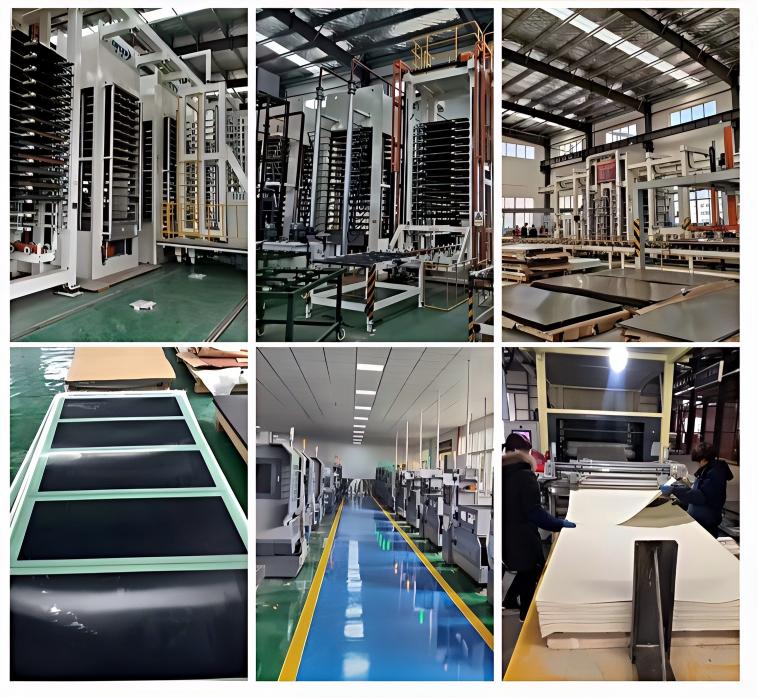
While mastering the specific market parameters of translucent composites is essential for proper asset management, securing a reliable, long-term project lifecycle depends on selecting a proven manufacturing partner. SjcncinSulation is a modern manufacturing enterprise specializing in the production, processing, sales, and service of insulation materials and plastic sheets. The company is located in Houqiao Industrial Park, Xinwu District, Wuxi City, Jiangsu Province, China. We are supported by a young and highly skilled team of engineers with strong R&D capabilities, as well as a professional sales team. Our state-of-the-art production lines utilize high-precision automated curing chambers to deliver exceptional material density and uniform glass-to-resin distributions across every production run.
Our deep manufacturing versatility allows us to deliver high-performance solutions for heavy-duty construction and extreme electrical engineering projects alike. For example, power grid contractors and industrial machine designers can access our certified electrical insulation sheet materials arrays to build reliable arc-shielding layouts. When balancing strict facility budgets against high-strength weight parameters, your procurement teams can explore our detailed epoxy sheet price analysis logs.
Finally, for aerospace manufacturing or specialized marine superstructures that demand maximum compression stiffness at a minimal weight footprint, engineers can specify our advanced fiberglass honeycomb panels cost modules. Sourcing directly from our centralized, quality-certified manufacturing facilities eliminates intermediate retail markups, shortens project engineering lead times, and guarantees fully traceable performance metrics to safeguard your global industrial infrastructure investments.
7. Frequently Asked Questions (FAQs)
8. Technical and International Metrology References
1. International Organization for Standardization. (2024). Plastics — Fiber-reinforced composites — Determination of flexural properties and long-term environmental degradation characteristics (ISO Standard No. 14125:1998). Available via https://www.iso.org/)
2. American Society for Testing and Materials (ASTM). (2025). Standard Specification for Glass-Fiber-Reinforced Polyester Plastic Panels for Daylighting and Severe Industrial Applications (ASTM D3841). Technical Performance Manual Portfolio.
3. National Fire Protection Association. (2026). Standard Method of Test of Surface Burning Characteristics of Building Materials and Structural Poly-Composites (NFPA 255 / Class A Validation). Government Safety Reference Database.