In the highly technical realms of electrical engineering, aerospace manufacturing, and advanced electronics, the reliability of insulating substrates dictates the safety and longevity of the final product. As we navigate the complex procurement landscape of 2026, understanding the variables that influence the Epoxy sheet price is a critical competency for supply chain managers and project engineers alike. An epoxy sheet is not a mere commodity; it is a highly engineered composite material, and its valuation is tethered to raw material availability, processing technologies, and rigorous international electrical standards.

From our experience operating out of the Houqiao Industrial Park, the global demand for high-voltage insulation has forced a significant evolution in manufacturing. Buyers are no longer seeking basic laminates; they require high-glass-transition temperature (Tg) materials, precise dimensional stability, and halogen-free flame retardancy. Consequently, the Epoxy sheet price in 2026 reflects these advanced engineering requirements. In this comprehensive technical guide, we will dissect the macroeconomic factors, material grades, and custom processing variables that determine the true Epoxy sheet price, ensuring your procurement strategy remains resilient and cost-effective.
Table of Contents
- 1. Macroeconomic Drivers Impacting the Epoxy Sheet Price in 2026
- 2. How Quality Grades and Specifications Alter the Epoxy Sheet Price
- 3. Manufacturing Variables: Lamination and Curing Costs
- 4. The Financial Impact of Custom Machining and Fabrication
- 5. Evaluating Alternative and Complementary Insulation Materials
- 6. Summary Table: 2026 Epoxy Sheet Price Estimates
- 7. Frequently Asked Questions (FAQs)
- 8. Industry and Scientific References
1. Macroeconomic Drivers Impacting the Epoxy Sheet Price in 2026
To accurately forecast the Epoxy sheet price, one must first analyze the fundamental petrochemical and textile supply chains. Epoxy fiberglass laminates are composites consisting of continuous woven glass fabric impregnated with an epoxy resin binder. Therefore, the baseline Epoxy sheet price is highly sensitive to the global crude oil index, which dictates the cost of the bisphenol-A and epichlorohydrin feedstocks used to synthesize liquid epoxy resin.
Furthermore, the energy-intensive process of manufacturing electronic-grade fiberglass yarn plays a massive role in the final Epoxy sheet price. In 2026, stringent environmental regulations regarding carbon emissions in glass melting furnaces have slightly elevated the production costs of raw fiberglass. However, continuous advancements in automated weaving and resin impregnation have largely offset these raw material increases. We recommend that large-volume purchasers monitor petrochemical futures closely, as a disruption in the resin supply chain will immediately trigger volatility in the global Epoxy sheet price.
2. How Quality Grades and Specifications Alter the Epoxy Sheet Price
Not all insulation sheets are created equal. The most significant determinant of the Epoxy sheet price is the specific industrial grade required for your application. Each grade is engineered to meet distinct NEMA (National Electrical Manufacturers Association) or IEC standards regarding dielectric breakdown voltage, flexural strength, and thermal endurance.
The standard 3240 grade remains highly popular for standard electromechanical applications, offering a baseline Epoxy sheet price that is highly economical for switchgear and transformer baffles. However, when transitioning to FR4—the ubiquitous standard for printed circuit boards and high-end insulation—the Epoxy sheet price increases. FR4 mandates the inclusion of brominated or halogen-free flame retardants to achieve a UL94 V-0 flammability rating. The complex chemistry required to maintain dielectric integrity while adding fire resistance directly elevates the manufacturing cost.
For extreme environments, G10 and G11 grades dominate the market. G11, in particular, is formulated with high-temperature epoxy resins capable of maintaining structural integrity at operating temperatures exceeding 155 degrees Celsius (Class F insulation). The specialized high-Tg resins and prolonged curing cycles required for G11 naturally result in a premium Epoxy sheet price. From our experience, over-specifying material grades is a common procurement error. We recommend collaborating directly with our R&D engineers to select a grade that meets your safety parameters without unnecessarily inflating your Epoxy sheet price.
3. Manufacturing Variables: Lamination and Curing Costs
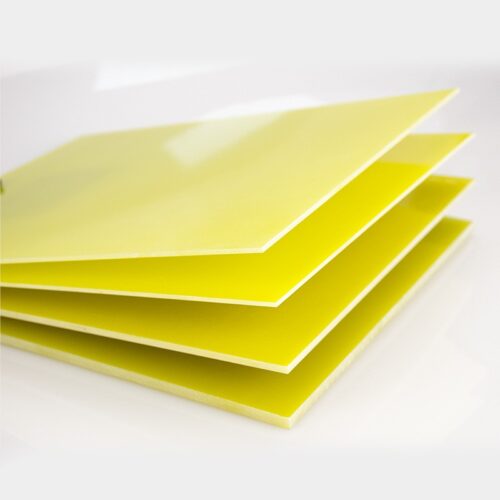
The production of our Epoxy Fiberglass Laminates involves passing the woven fiberglass through a resin bath, followed by a B-stage pre-curing oven to create “prepregs”. These prepregs are then stacked to the desired thickness and placed inside massive hydraulic heated presses. The pressing cycle—involving immense pressure and temperatures exceeding 180 degrees Celsius for several hours—is the critical phase that determines the density and void-free nature of the final sheet.
The thickness of the ordered material directly influences the Epoxy sheet price. Thicker sheets require exponentially longer pressing times to ensure the core reaches the optimal curing temperature without degrading the outer layers. This extended machine time reduces overall factory throughput, thereby increasing the per-kilogram or per-square-meter Epoxy sheet price. When sourcing thick insulating blocks for heavy machinery, buyers must account for these fundamental thermodynamic manufacturing constraints.
4. The Financial Impact of Custom Machining and Fabrication
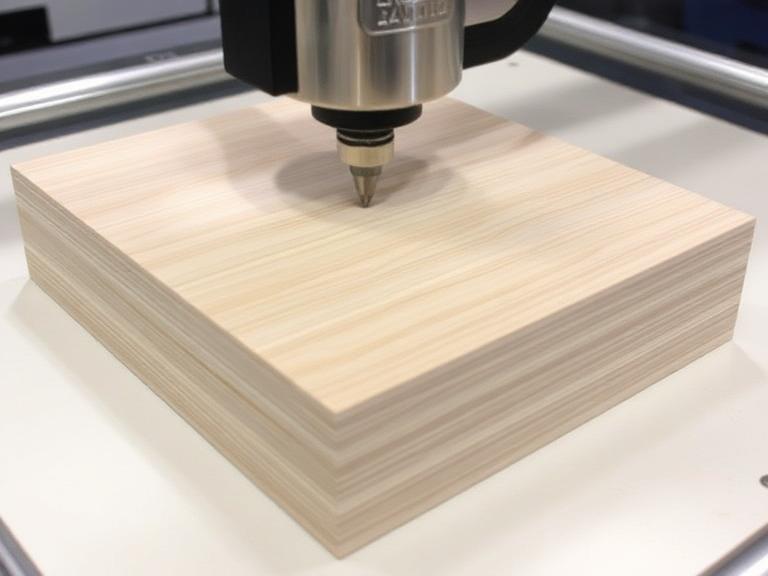
Procuring raw sheets is only the first step in the manufacturing pipeline. In modern assembly, components must arrive ready for immediate installation. The baseline Epoxy sheet price does not typically account for the intricate milling, drilling, and routing required to turn a raw panel into a functional insulating bracket or terminal board.
At SjcncinSulation, our Custom Machining department utilizes state-of-the-art CNC (Computer Numerical Control) routing centers capable of holding tolerances down to the hundredth of a millimeter. Epoxy fiberglass is notoriously abrasive; the high glass content destroys standard cutting tools rapidly. We must utilize solid carbide or diamond-coated end mills, which factor into the final delivered cost. We recommend that clients consolidate their supply chain by utilizing our in-house Custom Machining services. Purchasing finished parts directly from the manufacturer avoids secondary logistics costs and material waste, often resulting in a more favorable effective Epoxy sheet price than outsourcing the machining to a third-party shop.
5. Evaluating Alternative and Complementary Insulation Materials
While analyzing the Epoxy sheet price, it is critical to evaluate if an epoxy composite is the absolute necessity for your specific application. In scenarios where extreme mechanical strength and moisture resistance are not paramount, alternative materials can offer significant cost savings.
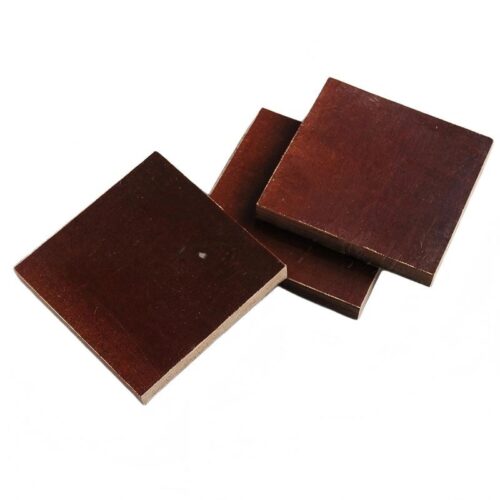
For low-voltage applications or high-temperature environments where dimensional stability is less critical, Phenolic Resin Laminates (often referred to as Bakelite) provide an excellent alternative. Phenolic paper or cotton laminates are considerably easier to machine and offer a highly competitive price point compared to the standard Epoxy sheet price. Furthermore, for wrapping and localized insulation, utilizing our high-grade Insulating Tape / Film provides dielectric protection without the structural bulk of a rigid board.
In highly specialized chemical or wear-resistant environments, standard thermoset laminates may need to be replaced entirely by our Engineering Plastics (such as POM, PEEK, or PTFE) or our Special Insulation Materials designed for extreme niche applications. Engaging with our sales team allows you to navigate these material options, ensuring you are not paying a premium Epoxy sheet price when a different polymer architecture would suffice.
6. Summary Table: 2026 Epoxy Sheet Price Estimates
To assist your procurement planning, we have compiled an estimated baseline index representing the relative Epoxy sheet price across various industrial grades in the 2026 market. Please note that exact pricing fluctuates based on global raw material indexes, thickness requirements, and order volume.
| Material Grade | Resin System | Key Characteristics | Relative Epoxy Sheet Price Index (2026) |
|---|---|---|---|
| 3240 Epoxy Glass | Standard Epoxy | Good mechanical strength, standard electrical insulation. | Baseline (Lowest Cost) |
| FR4 (Standard Tg) | Flame Retardant Epoxy | UL94 V-0 rated, excellent dielectric properties. | Moderate Premium over 3240 |
| G10 (Halogen-Free) | High-Purity Epoxy | Superior mechanical properties in high humidity, non-toxic burn. | High Premium |
| G11 (High Tg) | High-Temperature Epoxy | Class F insulation (155°C+), retains structural strength at heat. | Highest Premium |
| Phenolic Laminate (Bakelite) | Phenolic / Paper base | Easy to machine, low voltage applications. | Lower than Baseline Epoxy |
7. Frequently Asked Questions (FAQs)
The Epoxy sheet price is directly tied to the petrochemical industry. The liquid epoxy resins used to bind the fiberglass are derived from petroleum feedstocks like bisphenol-A. When global crude oil prices experience volatility, or when environmental regulations impact the output of chemical processing plants, the manufacturing costs and the final Epoxy sheet price adjust accordingly.
Yes, thickness is a major cost driver. Thicker sheets require more raw materials (layers of prepreg) and exponentially longer curing times in the hydraulic press to ensure the core is fully polymerized without burning the exterior. This increased machine time reduces production efficiency, thereby raising the per-unit Epoxy sheet price.
FR4 contains flame-retardant additives (historically bromine, but increasingly halogen-free in 2026) to achieve a UL94 V-0 safety rating. G10 is a similar high-strength epoxy laminate but lacks these specific flame-retardant chemicals. The complex formulation of environmentally compliant FR4 typically results in a slightly higher Epoxy sheet price compared to standard G10.
From our experience, offering an integrated supply chain is the best way to optimize costs. Because we offer in-house Custom Machining alongside raw material production, we eliminate middleman markups and shipping inefficiencies. Furthermore, our highly skilled engineers can audit your specifications to ensure you are not paying a premium Epoxy sheet price for an over-engineered grade when a standard 3240 or Phenolic Resin Laminate would perform perfectly.
8. Industry and Scientific References
To further understand the testing protocols, electrical standards, and material sciences governing dielectric composites, we recommend consulting the following authoritative bodies: