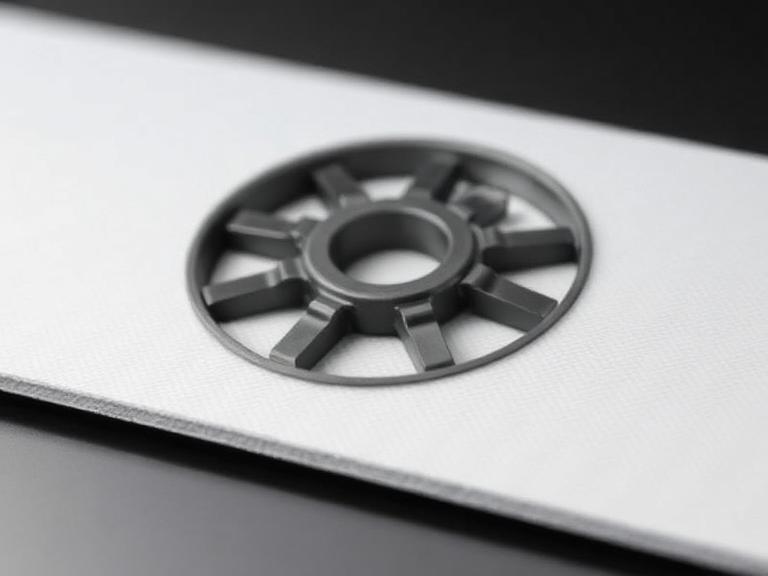
Machining woven glass-reinforced epoxy laminates is notoriously unforgiving. If you treat these composites like standard thermoplastics or aluminum, you will destroy your tooling, ruin your machine’s ball screws, and potentially expose your operators to severe respiratory hazards. From our experience, successfully processing these materials requires a complete overhaul of your standard operating procedures. You cannot simply guess your feeds and speeds.
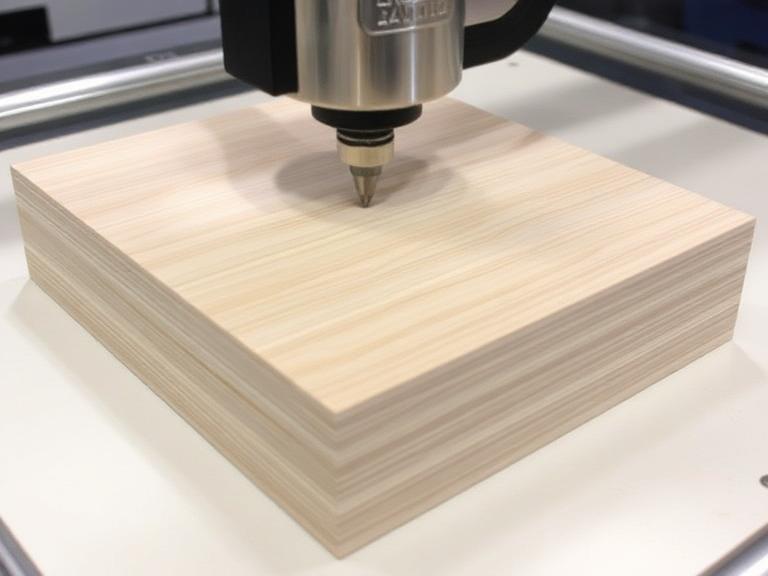
This comprehensive CNC Machining Guide for FR4 and G10 is engineered to cut through the noise. We will detail the brutal realities of abrasive wear, explain the exact tooling geometries required to prevent delamination, and establish whether your facility is actually equipped to handle these laminates in-house. By utilizing practical, commercial judgment, we will help you reduce scrap rates, extend tool life, and deliver dimensionally accurate components for high-voltage and structural applications.
Quick Answer: How Do You Successfully Machine FR4 and G10?
To successfully machine FR4 and G10, you must utilize Polycrystalline Diamond (PCD) or solid carbide router bits with a specialized “diamond-cut” (chip breaker) flute geometry. High-Speed Steel (HSS) tools will dull within minutes due to the highly abrasive glass fibers. We recommend running high spindle speeds (15,000 – 20,000 RPM) combined with aggressive feed rates to evacuate heat quickly, preventing the epoxy resin from melting. Machining must be done dry (without liquid coolant) if the part is intended for electrical insulation, making high-velocity industrial vacuum dust extraction strictly mandatory to protect both the machine ways and operator health.
Table of Contents
What It Is: Understanding FR4 and G10
Before diving deep into the technical parameters of this CNC Machining Guide for FR4, it is critical to understand the material matrix. Both FR4 and G10 are high-pressure thermoset plastic laminate grades consisting of a woven fiberglass cloth matrix impregnated with an epoxy resin binder.
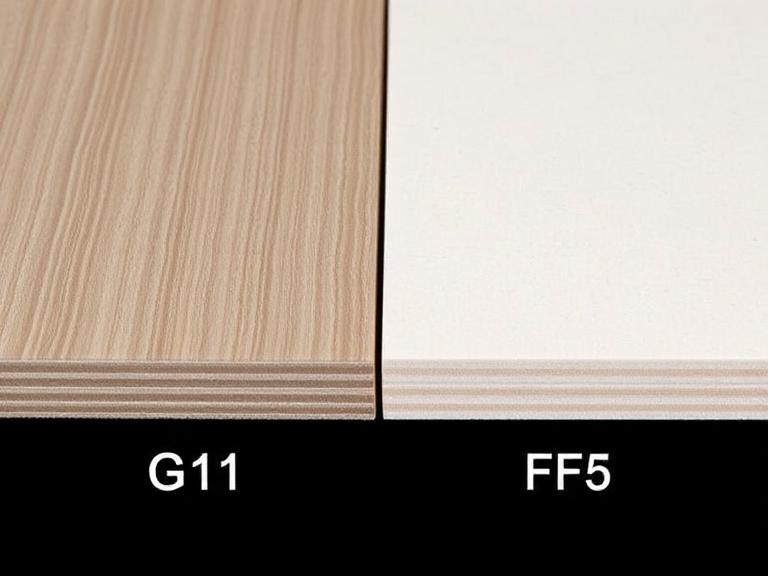
While often used interchangeably in machine shops, they are not identical. G10 is the predecessor. FR4 is essentially G10 with bromine added to the epoxy chemistry to make it flame retardant (hence “FR”). Today, FR4 has largely replaced G10 in the market. Understanding these G10 material properties is vital because the combination of abrasive glass and heat-sensitive epoxy creates a unique manufacturing challenge. You are simultaneously trying to cut microscopic glass shards while trying not to melt the glue holding them together.
How It Works: Machining Mechanics and Strategy
When executing the principles laid out in this CNC Machining Guide for FR4, your primary enemy is heat. Heat causes the epoxy to smear, burning the material edge and instantly ruining the tool’s cutting edge.
Tooling Selection
Stop using High-Speed Steel (HSS) immediately. In our testing, an HSS end mill machining FR4 will lose its edge in under 10 linear feet of cutting. You must upgrade to solid carbide at a minimum. For commercial users running high-volume production, Polycrystalline Diamond (PCD) tooling is the only financially viable option. A diamond-cut (burr-style) router bit is ideal because it breaks the glass fibers into a fine dust rather than pulling and delaminating the woven layers.
Feeds, Speeds, and Strategy
You must maintain a high chip load to carry heat away from the cut.
- Spindle Speed: 15,000 to 20,000 RPM.
- Feed Rate: 100 to 150 inches per minute (IPM), depending on the tool diameter and machine rigidity.
- Tool Path: Always utilize climb milling. Conventional milling tends to pull the laminate apart, causing fraying at the top and bottom edges.
- Drilling: Use solid carbide drill bits with a 118-degree point angle. Utilize a fast peck-drilling cycle to clear the highly abrasive dust from the flutes quickly.
| Operation | Recommended Tooling | Speed (RPM) | Feed Rate (IPM) | Coolant Strategy |
|---|---|---|---|---|
| Profiling / Routing | PCD or Solid Carbide Burr | 15,000 – 20,000 | 100 – 150 | Dry (High Vacuum) |
| Drilling | Carbide 118° Point | 5,000 – 10,000 | 30 – 50 (Peck Cycle) | Dry (High Vacuum) |
| Facing | Carbide Insert Face Mill | 8,000 – 12,000 | 80 – 120 | Dry (High Vacuum) |
Benefits of Utilizing FR4 and G10
Why put up with the nightmare of machining fiberglass? Because the engineering benefits are unparalleled. For heavy-duty applications, FR4 boasts incredible mechanical strength, high dielectric properties, and near-zero water absorption. This makes it the undisputed champion for terminal boards, printed circuit boards (PCBs), transformer standoffs, and cryogenic insulation.
When you explore various composite panel applications, you will find that very few materials can offer a tensile strength of over 40,000 PSI while simultaneously blocking thousands of volts of electrical current in a wet environment.
Limitations: The Harsh Reality of Fiberglass
Despite its structural superiority, FR4 is a hostile material for any machine shop. The primary limitation is the dust. Machining FR4 creates an ultra-fine, abrasive glass dust that will infiltrate your CNC machine’s linear guides and ball screws, acting like a grinding paste that destroys the machine’s accuracy in months.
Furthermore, if operators inhale this dust, it poses a severe respiratory hazard (silicosis). Therefore, adhering to a strict CNC Machining Guide for FR4 means investing heavily in industrial, HEPA-filtered dust collection systems installed directly at the spindle. If you cannot afford the proper extraction infrastructure, you should not be machining this material.
Who Should Machine This In-House? (And Who Should Not)
For commercial users: High-volume manufacturers producing custom electrical switchgear, aerospace components, and specialized jigs should process FR4 in-house. If your facility is equipped with fully enclosed CNC routers, robust vacuum tables, and centralized dust collection, machining FR4 is highly profitable.
For beginners and hobbyists: Do not attempt to machine FR4 or G10 in your garage or on a desktop CNC router without a commercial-grade enclosure and vacuum system. The hazardous dust will contaminate your workspace and lungs. For basic structural needs where electrical insulation is not required, we recommend using Acetal (Delrin) or standard aluminum instead.
Common Mistakes in Composite Machining
In most professional situations, we see shops make critical errors when first encountering glass-reinforced epoxies. If you are following a proper CNC Machining Guide for FR4, avoid these pitfalls:
- Using Liquid Coolant: Do not use water-soluble coolant. The FR4 dust mixes with the coolant to form an abrasive sludge that sets like concrete. Furthermore, if the FR4 part is intended for electrical insulation, the coolant can absorb into micro-fractures on the machined edge, permanently ruining the material’s dielectric strength.
- Slow Feed Rates: Operators often slow down out of fear. A slow feed rate rubs the material rather than cutting it, generating massive amounts of heat that burns the epoxy resin black and emits toxic fumes.
- Lack of Backup Board: When drilling through FR4, the exit hole will splinter and delaminate massively if you do not use a rigid sacrificial backup board beneath the workpiece.
| Material Attribute | FR4 / G10 | Acetal (Delrin) | Polycarbonate |
|---|---|---|---|
| Machinability | Very Difficult (Highly Abrasive) | Excellent (Cuts like butter) | Good (Requires sharp tools) |
| Tensile Strength | ~40,000+ PSI | ~10,000 PSI | ~9,000 PSI |
| Tool Wear Rate | Extreme | Very Low | Low |
| Dielectric Strength | Superior (High Voltage) | Moderate | Moderate |
Buying Considerations and Sourcing
When you commit to manufacturing with composites, raw material consistency is everything. Voids in the fiberglass weave or poor resin saturation will cause catastrophic tool breakage during CNC machining. Therefore, sourcing your sheets from top-tier epoxy fiberglass sheet manufacturers is a non-negotiable requirement.
You must also evaluate the financial viability of bulk purchasing. Understanding the market dynamics, such as the average fiberglass sheets 4×8 price, allows you to quote jobs accurately. Cheaper imports often use low-grade resins that emit horrific odors during machining and delaminate easily.
| Strategy | Pros | Cons |
|---|---|---|
| In-House Machining | Maximum control over lead times; higher profit margins on volume runs; agile prototyping. | Massive wear on CNC equipment; requires expensive PCD tooling and HEPA dust extraction. |
| Outsourcing | Zero equipment wear; no hazardous dust in your facility; guaranteed part quality. | Longer lead times; reduced profit margins; shipping costs for heavy composite parts. |
Expert Recommendation
Our position is clear: FR4 and G10 are exceptional materials that require uncompromising machining discipline. If you are going to machine these laminates, you must commit fully to the tooling and safety infrastructure required. Buy solid carbide burr routers, program aggressive feed rates to keep the heat down, and extract the dust at the source.
Partner with the Experts at Sjcncinsulation
If the abrasive wear and dust mitigation requirements outlined in this CNC Machining Guide for FR4 exceed your current shop capabilities, we highly recommend utilizing a dedicated manufacturing partner.
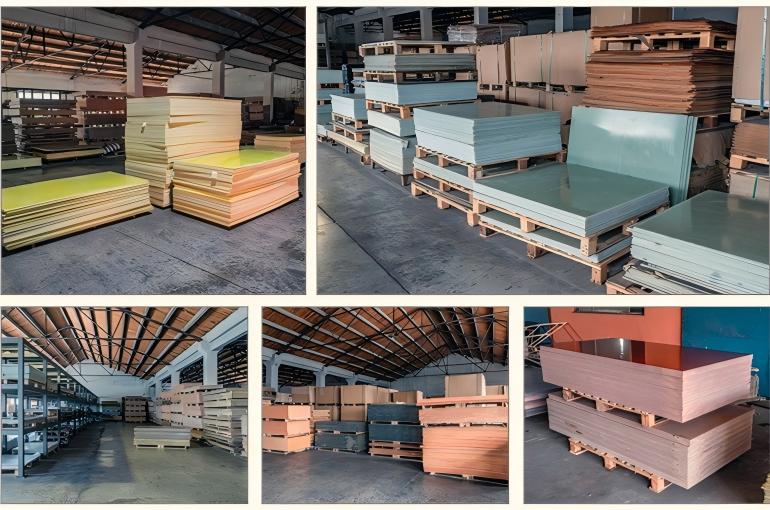
Sjcncinsulation is a modern manufacturing enterprise specializing in the production, processing, sales, and service of insulation materials and plastic sheets. The company is located in Houqiao Industrial Park, Xinwu District, Wuxi City, Jiangsu Province, China. We are supported by a young and highly skilled team of engineers with strong R&D capabilities, as well as a professional sales team.
Whether you require raw FR4 epoxy fiberglass rod stock or require fully finished, precision CNC-machined components, relying on a specialized FR4 sheet manufacturer ensures your parts meet strict NEMA standards without destroying your internal equipment.
Frequently Asked Questions (FAQ)
Authoritative References
To ensure your manufacturing processes align with recognized industry standards and safety regulations, we recommend consulting the following authoritative sources:
- National Electrical Manufacturers Association (NEMA): NEMA Standards for Industrial Laminates – Defines the exact material property requirements for FR4 and G10 electrical insulation grades.
- Occupational Safety and Health Administration (OSHA): Crystalline Silica Exposure Guidelines – Federal regulations outlining the mandatory dust extraction and respiratory protection required when machining glass-filled composites.
- Plastics International: Machining Guidelines for Thermoset Composites – Engineering data regarding speeds, feeds, and tooling geometries for aggressive glass-epoxy laminates.