In the high-stakes world of industrial electrical engineering and aerospace manufacturing, material selection is not just a matter of preference—it is a matter of catastrophic failure versus operational success. As power densities increase and enclosures become more compact, the thermal management demands placed on structural insulating materials have reached unprecedented levels. When standard materials fail, engineers are frequently forced to choose between premium high-temperature composite laminates.
The debate surrounding the G11 vs FR5 insulation material choice is one we encounter constantly. Both of these advanced epoxy fiberglass laminates represent a massive thermal upgrade over industry-standard FR4, yet they are engineered for distinctly different regulatory and operational environments. Navigating the nuances between these two NEMA-grade materials requires more than just reading a spec sheet; it requires commercial and practical judgment to ensure you are not overpaying for unnecessary chemical additives or risking compliance failures.
Quick Answer: The Core Difference
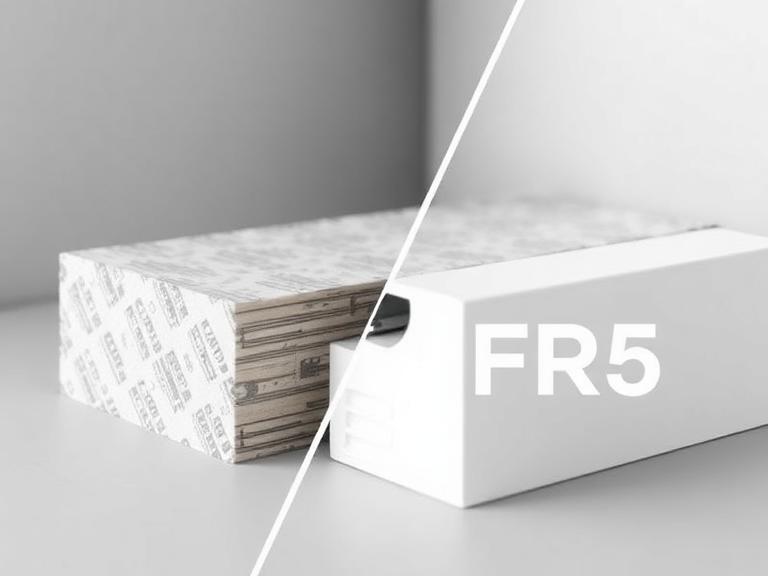
In the G11 vs FR5 comparison, the critical distinction lies entirely in flame retardancy. Both materials are woven glass-cloth reinforced epoxy laminates engineered to withstand continuous operating temperatures of 155°C and retain immense mechanical strength under thermal load. However, FR5 contains specific flame-retardant additives to achieve a stringent UL 94 V-0 rating, meaning it will self-extinguish when exposed to fire. G11 does not contain these flame-retardant additives, making it slightly more cost-effective and occasionally offering marginally higher pure mechanical rigidity. Choose FR5 when fire safety compliance is legally mandated; choose G11 for pure high-temperature mechanical performance.
Table of Contents
- Direct Answer: G11 vs FR5 Decoded
- What It Is: Understanding the NEMA Grades
- How It Works: Thermal Dynamics and Polymer Physics
- The Benefits of Upgrading
- Limitations and Machining Challenges
- Who Should Use It
- Who Does Not Need It
- Common Procurement Mistakes
- Critical Buying Considerations
- Engineering and Comparison Tables
- Expert Recommendation
- Frequently Asked Questions
- Authoritative References
Direct Answer: G11 vs FR5 Decoded
To cut through the technical jargon, you must view the G11 vs FR5 debate through a lens of regulatory necessity versus structural necessity. If you are designing an electrical switchgear enclosure or a high-voltage transformer terminal board that will operate continuously in environments reaching 150°C, both materials will survive effortlessly without warping, blistering, or delaminating.
However, if the National Electrical Code or an aviation authority dictates that every non-metallic component inside that enclosure must be certified as self-extinguishing to prevent the spread of an internal electrical fire, you must purchase FR5. If there is no such regulatory mandate, G11 is the superior choice. From our experience, the halogenated or chemical additives required to make FR5 flame retardant can subtly interrupt the cross-linking of the epoxy resin matrix. This means pure G11 often exhibits slightly superior flexural strength and dielectric tracking resistance under extreme heat compared to its FR5 counterpart.
What It Is: Understanding the NEMA Grades
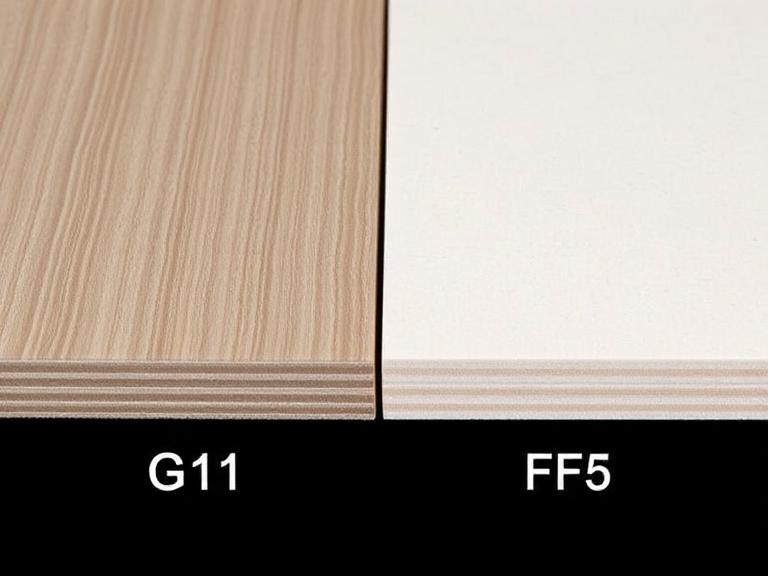
Both G11 and FR5 belong to a family of industrial laminates designated by the National Electrical Manufacturers Association (NEMA). They are composite materials, meaning they are created by combining two distinct substances to produce a final product with properties superior to either individual component.
Specifically, both sheets consist of multiple layers of a specialized electrical-grade continuous woven glass fabric. This fabric is impregnated with a high-temperature thermosetting epoxy resin. Once the fabric layers are stacked, they are subjected to immense heat and hydraulic pressure, curing the resin and fusing the layers into a solid, monolithic block or sheet. When navigating an epoxy sheet price analysis, you will notice that both G11 and FR5 command a premium over standard FR4 because the specialized high-temperature resin systems require more complex chemical processing and longer curing cycles.
How It Works: Thermal Dynamics and Polymer Physics
The true magic of the G11 vs FR5 technology lies in the Glass Transition Temperature (Tg) of their epoxy resins. Standard FR4 has a Tg of approximately 130°C to 140°C. Once the ambient temperature exceeds this threshold, the epoxy transitions from a hard, glassy state into a softer, rubbery state. Structural integrity plummets, and the fiberglass layers begin to shear apart (delamination).
G11 and FR5 utilize highly cross-linked cycloaliphatic or specialized novolac epoxy resins that push the Tg up to 170°C or even 180°C. This allows both materials to retain at least 50% of their room-temperature flexural strength even while baking at 150°C. In the case of FR5, the resin formulation also includes flame-quenching compounds. When exposed to an open arc or direct flame, these additives react endothermically to absorb heat, release inert gases to choke off ambient oxygen, and form a localized carbon char barrier that insulates the underlying material from further combustion.
The Benefits of Upgrading
Why spend the extra capital to upgrade to these advanced laminates? The primary benefit is absolute operational reliability in hostile environments. When you utilize G11 or FR5, you eliminate the risk of thermal runaway causing structural collapse in your assemblies.
- Unmatched High-Temperature Mechanical Strength: They do not sag or deform under load when hot.
- Superior Dielectric Properties: They prevent electrical arcing and tracking even when exposed to high voltages in elevated temperatures.
- Dimensional Stability: They boast an extremely low coefficient of thermal expansion, meaning precise machined tolerances hold true whether the machine is at room temperature or running at maximum thermal capacity.
In our testing of various composite panel applications, we consistently observe that incorporating high-temp epoxy laminates drastically extends the maintenance lifecycle of heavy machinery.
Limitations and Machining Challenges
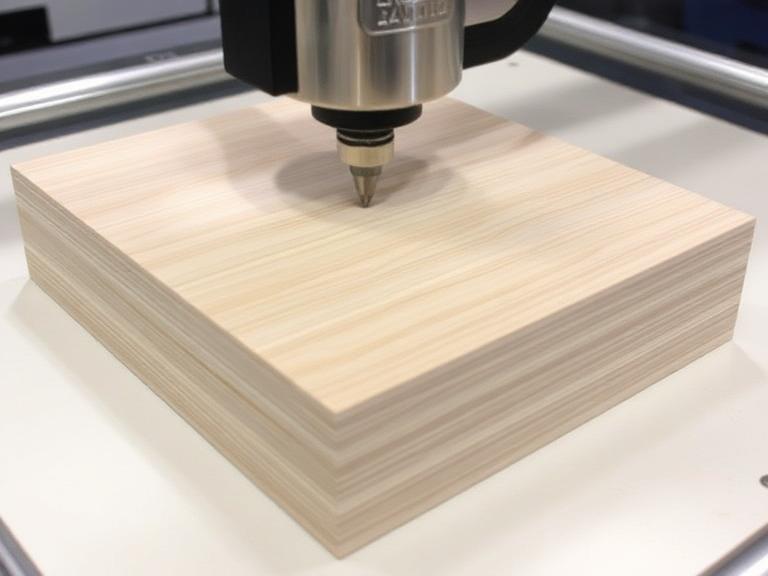
We must apply commercial and practical judgment when recommending these materials; they are not without significant drawbacks. The most prominent limitation is the abrasive nature of the material. The dense woven glass matrix is notoriously brutal on cutting tools. Standard high-speed steel (HSS) drill bits will dull within seconds of contacting G11 or FR5. You must utilize specialized solid carbide or diamond-coated tooling, and employ climb milling techniques to prevent delaminating the edges during CNC operations.
Furthermore, if you are looking for complex molded shapes rather than flat sheets, you might need to investigate smc composite materials instead, as G11 and FR5 are strictly laminated shapes (sheets, rods, and tubes) and cannot be injection molded.
Who Should Use It
For commercial users, G11 and FR5 are non-negotiable for specific sectors. You should absolutely procure these materials if you manufacture:
- Aerospace structural insulators and terminal boards.
- High-performance electric vehicle (EV) battery pack isolators.
- Heavy-duty industrial electric motors, generators, and stators operating in Class F or Class H temperature ranges.
- Power generation switchgear and high-voltage circuit breakers.
Who Does Not Need It
For beginners, hobbyists, or manufacturers of standard consumer electronics, paying the premium for G11 or FR5 is an unnecessary waste of resources. If your application operates at room temperature or does not exceed 130°C, a standard FR4 sheet or a standard fr4 epoxy fiberglass rod is more than sufficient. Standard FR4 is cheaper, easier to source, and marginally easier on your machining tools. Explain not only WHAT something is, but WHETHER it is actually worth using, buying, or upgrading—and in low-temperature scenarios, the upgrade to G11/FR5 provides absolutely zero functional return on investment.
Common Procurement Mistakes
The most dangerous mistake we see in the industry is the interchangeable treatment of these two grades. A purchasing agent might see that G11 is cheaper and swap it in place of an FR5 specification to save money, completely oblivious to the fact that they just voided the UL fire safety certification of their entire product line. Conversely, engineers frequently over-specify FR5 for structural parts deep inside a machine where flame retardancy is not legally required, needlessly inflating their bill of materials.
Critical Buying Considerations
When you are ready to place an order, you must scrutinize the manufacturer’s technical data sheets. In most professional situations, you should demand certifiable proof of the material’s Glass Transition Temperature (Tg) and its NEMA certification status. Ensure that the thickness tolerances meet your specific machining requirements, as cheap laminates often suffer from high thickness variations across the span of a single sheet.
Additionally, verify the material’s performance under humid conditions. High-quality G11 and FR5 will boast incredibly low water absorption rates, ensuring that their dielectric strength does not plummet in high-humidity environments. If you are sourcing cylindrical insulators, ensure your epoxy fiberglass rod supplier is providing genuine centerless ground stock to guarantee perfect concentricity.
Engineering and Comparison Tables
| Feature | NEMA G11 | NEMA FR5 |
|---|---|---|
| Primary Resin Base | High-Temp Epoxy | High-Temp Epoxy |
| Reinforcement | Woven Fiberglass Cloth | Woven Fiberglass Cloth |
| Flame Retardancy | Not Rated / Halogen-Free | UL 94 V-0 (Self-Extinguishing) |
| Max Continuous Operating Temp | 155°C – 180°C | 155°C – 160°C |
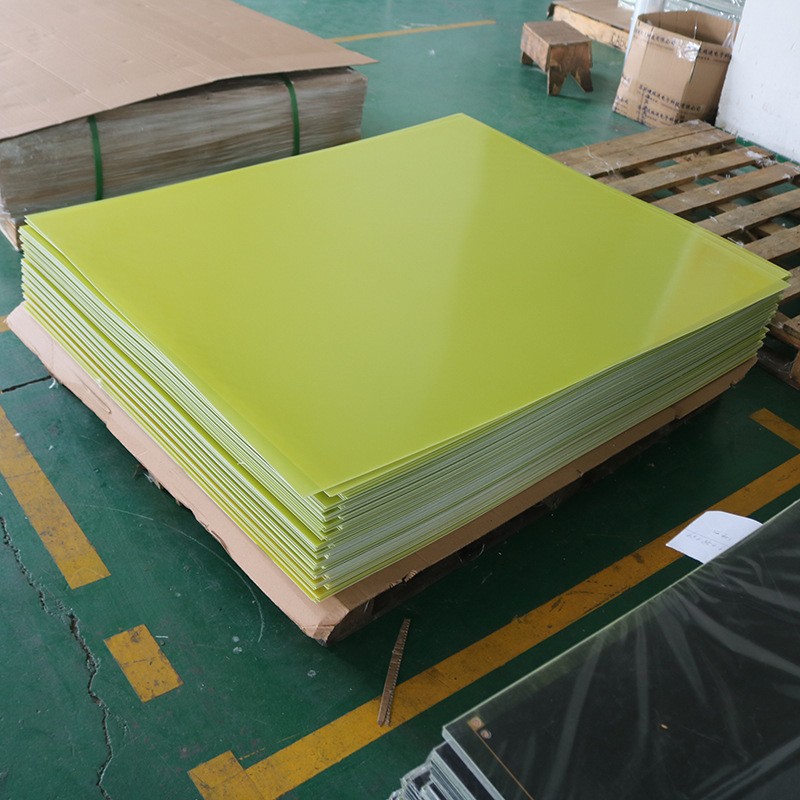
| Color (Typical) | Yellow-Green to Amber | Yellow-Green to Amber |
| Specification | Standard FR4 | NEMA G11 | NEMA FR5 |
|---|---|---|---|
| Glass Transition Temp (Tg) | ~130°C to 140°C | ~170°C to 180°C+ | ~170°C to 180°C |
| Flexural Strength Retention at 150°C | Poor (Rapidly softens) | Excellent (>50% retained) | Excellent (>50% retained) |
| Machinability | Difficult | Extremely Difficult | Extremely Difficult |
| Relative Cost | Baseline (1x) | Premium (~1.5x – 2x) | Premium (~1.8x – 2.2x) |
| Material | Pros (Advantages) | Cons (Disadvantages) |
|---|---|---|
| G11 Epoxy | Maximum mechanical strength; higher pure thermal stability; generally halogen-free. | Lacks UL 94 V-0 flame rating; abrasive on tooling; higher cost than standard materials. |
| FR5 Epoxy | UL 94 V-0 compliant for strict fire safety; excellent high-temp structural support. | Flame retardant additives slightly weaken pure flexural strength; highest price point; abrasive on tooling. |
| Application Scenario | Recommended Material | Why We Recommend It |
|---|---|---|
| Consumer PCB operating under 100°C | Standard FR4 | Cost-effective and perfectly adequate for low thermal loads. |
| High-voltage motor slot wedges (Class H) | NEMA G11 | Requires extreme mechanical strength at high heat without strict fire-retardant mandates. |
| Aerospace power distribution panels | NEMA FR5 | Aviation authorities strictly mandate self-extinguishing (UL 94 V-0) materials in high-heat zones. |
| Heavy-duty applications requiring molded shapes | SMC Composites | G11/FR5 cannot be molded. SMC offers high strength for complex 3D geometries. |
Expert Recommendation
In the fiercely competitive landscape of industrial composites, theoretical knowledge must be backed by manufacturing precision. If you are operating in environments where failure risks human life or millions of dollars in infrastructure, compromising on your insulation substrate is unacceptable.
At Sjcncinsulation, we understand that true quality control begins at the resin formulation level. Located in Houqiao Industrial Park, Xinwu District, Wuxi City, Jiangsu Province, China, our modern manufacturing enterprise specializes in the production, processing, sales, and service of elite insulation materials. Backed by a young, highly skilled team of engineers with formidable R&D capabilities, we strictly control the curing cycles and pressing pressures of our G11 and FR5 laminates. We recommend that you conduct a thorough audit of your operational thermal loads. If you require UL 94 V-0 certification coupled with 150°C continuous performance, our FR5 is the definitive choice. If pure mechanical rigidity under intense thermal stress is your objective, our high-density G11 will exceed your expectations. Before finalizing your machining protocols, we heavily advise reviewing our frp fiberglass reinforced plastic guide to optimize your tool life and prevent edge delamination.
Frequently Asked Questions
The primary difference between G11 and FR5 is flame retardancy. FR5 contains specialized chemical additives to achieve a UL 94 V-0 flammability rating, making it self-extinguishing. G11 lacks these flame-retardant additives, but often provides slightly higher pure mechanical strength at elevated temperatures.
You can use G11 instead of FR5 only if your industry regulations or internal safety compliance guidelines do not strictly require a UL 94 V-0 flame retardant material. If high heat resistance without mandated fire suppression is the goal, G11 is highly effective and often slightly cheaper.
FR5 is engineered with an advanced, high-temperature epoxy resin system that allows it to maintain structural integrity and electrical insulation properties at temperatures up to 155°C-160°C. Standard FR4 resins begin to degrade and delaminate when exposed to continuous temperatures above 130°C. The complex chemical formulation and extended manufacturing curing times drive up the cost of FR5.
Authoritative References
To ensure total compliance and accuracy in your engineering specifications, we refer to the following authoritative standards bodies:
- National Electrical Manufacturers Association (NEMA) – Provides the definitive baseline grading system and mechanical requirement specifications for industrial laminate materials, including G-11 and FR-5.
- Underwriters Laboratories (UL) – The global safety certification company responsible for the UL 94 flammability testing standard, which dictates the V-0 self-extinguishing rating required for FR5 compliance.
- Institute of Electrical and Electronics Engineers (IEEE) – Establishes the international thermal insulation class ratings (such as Class F and Class H) that dictate the maximum safe operating temperatures for electrical insulating materials in motors and transformers.