In the field of modern industrial manufacturing and electrical engineering, the demand for materials that offer unparalleled mechanical strength, thermal stability, and electrical insulation continues to grow. Engineers and procurement specialists constantly seek optimal composite solutions to meet rigorous operational standards. A fundamental question that frequently arises during material selection is exactly what types of plastics are reinforced with fiberglass to achieve these high-performance characteristics.
At Sjcncinsulation, a modern manufacturing enterprise specializing in the production, processing, sales, and service of insulation materials and plastic sheets, we understand the critical nature of composite engineering. Located in the Houqiao Industrial Park, Xinwu District, Wuxi City, Jiangsu Province, China, our company is supported by a young and highly skilled team of engineers with strong R&D capabilities, alongside a professional sales team. From our experience, selecting the correct polymer matrix to pair with glass fibers dictates the success of the final application. This comprehensive guide will explore the specific types of plastics are reinforced with fiberglass, examining their unique properties, manufacturing synergies, and optimal industrial applications.
Table of Contents
- 1. Understanding Fiberglass Reinforced Plastics (FRP)
- 2. Thermosetting Plastics: The Structural Backbone
- 3. Thermoplastics: Versatility and Recyclability
- 4. The Role of Epoxy Fiberglass Laminates
- 5. Phenolic Resin Laminates in High-Heat Environments
- 6. Special Insulation Materials and Engineering Plastics
- 7. Summary Table: Properties of Reinforced Plastics
- 8. Frequently Asked Questions (FAQs)
- 9. References
1. Understanding Fiberglass Reinforced Plastics (FRP)
Fiberglass Reinforced Plastics, commonly referred to as FRP or glass-reinforced plastic (GRP), constitute a category of composite materials comprising a polymer matrix reinforced with fine fibers of glass. The glass fibers provide tensile strength and dimensional stability, while the plastic matrix protects the fibers from environmental degradation and transfers applied loads across the composite structure. To determine the most effective applications, one must analyze which types of plastics are reinforced with fiberglass, as the plastic matrix defines the chemical resistance, thermal endurance, and electrical insulating capabilities of the final product.
We recommend approaching FRP selection by categorizing the plastic matrices into two primary groups: thermosetting plastics and thermoplastics. Each category behaves differently under thermal stress and mechanical loading, making them suitable for vastly different industrial environments.
2. Thermosetting Plastics: The Structural Backbone
When industrial applications require materials that maintain their structural integrity under extreme heat without melting or deforming, thermosetting polymers are the standard choice. Once cured through a chemical reaction (often induced by heat and a hardener), these plastics form irreversible cross-linked molecular structures.
Epoxy Resins
Epoxy is undeniably one of the most critical polymers in the composites industry. When discussing what types of plastics are reinforced with fiberglass, epoxy resins are consistently at the top of the list. They offer exceptional adhesion to glass fibers, resulting in laminates with superior mechanical strength, low moisture absorption, and outstanding electrical insulation. At Sjcncinsulation, our Epoxy Fiberglass Laminates are engineered precisely using this matrix, ensuring high reliability in electrical transformers, switchgears, and precision mechanical components.
Phenolic Resins
Phenolic resins are recognized for their exceptional flame retardancy, minimal smoke emission, and high-temperature resistance. When reinforced with fiberglass, they create rigid, heat-resistant composites. From our experience, Phenolic Resin Laminates are indispensable in environments where fire safety and thermal stability are non-negotiable, such as in aerospace interiors, mass transit components, and specialized electrical insulators.
Polyester and Vinyl Ester Resins
Unsaturated polyester resins are the most widely used matrix in general-purpose FRP applications due to their cost-effectiveness and ease of processing. They are commonly found in marine construction, automotive body panels, and corrosive chemical storage tanks. Vinyl ester, a closely related polymer, offers enhanced chemical resistance and mechanical toughness, acting as a bridge between standard polyester and premium epoxy.
3. Thermoplastics: Versatility and Recyclability
Unlike thermosets, thermoplastics can be melted, reshaped, and cooled repeatedly without undergoing chemical alteration. The integration of short or long glass fibers into these matrices significantly boosts their structural capacities. When evaluating what types of plastics are reinforced with fiberglass for injection molding or extrusion processes, the following thermoplastics dominate the landscape:
Polyamide (Nylon)
Nylon is incredibly tough and highly resistant to wear and abrasion. However, it can lack structural rigidity in high-stress applications. By reinforcing nylon with fiberglass, manufacturers drastically increase its tensile strength and heat deflection temperature. We recommend glass-filled nylon for automotive under-the-hood components, power tool housings, and industrial gears.
Polycarbonate (PC)
Polycarbonate is naturally transparent and highly impact-resistant. When glass fibers are introduced to polycarbonate, the material trades some of its transparency for immense rigidity and dimensional stability. This reinforced plastic is frequently utilized in electronic component housings and heavy-duty structural enclosures.
Polypropylene (PP)
Polypropylene is a versatile, lightweight, and highly chemical-resistant polymer. Fiberglass reinforced polypropylene provides an excellent strength-to-weight ratio, making it a preferred material in the automotive industry for interior panels, battery trays, and structural supports, contributing significantly to vehicle lightweighting.
4. The Role of Epoxy Fiberglass Laminates
At Sjcncinsulation, our flagship products revolve around advanced thermosetting composites. Our Epoxy Fiberglass Laminates (such as G10 and FR4 grades) are manufactured by impregnating woven glass fabric with premium epoxy resin under high heat and pressure.
From our experience, the resulting laminate exhibits near-zero water absorption, making it an exceptional electrical insulator even in highly humid environments. Furthermore, the immense shear strength and flexural strength of these laminates make them ideal for structural parts in generators, heavy machinery, and printed circuit board (PCB) substrates. We highly recommend consulting with our R&D engineers to tailor the specific thickness and resin content of our Epoxy Fiberglass Laminates to meet your exact operational load requirements.
5. Phenolic Resin Laminates in High-Heat Environments
In scenarios where extreme thermal endurance is the primary concern, Phenolic Resin Laminates excel. While phenolic resins can be reinforced with paper or cotton fabric, reinforcing them with fiberglass elevates their performance to meet stringent industrial demands.
These laminates are exceptionally hard and resistant to creep under mechanical load. They do not soften significantly when exposed to elevated temperatures, making them ideal for structural insulation parts in metallurgical plants, oil and gas exploration tools, and high-voltage electrical distribution systems. Our highly skilled team ensures that every batch of Phenolic Resin Laminates produced at our Wuxi City facility adheres strictly to international quality and safety standards.
6. Special Insulation Materials and Engineering Plastics
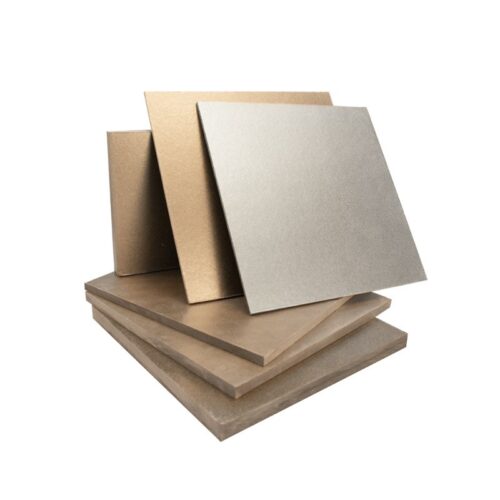
Beyond standard laminates, modern industrial applications often require bespoke solutions. At Sjcncinsulation, our portfolio extends to Special Insulation Materials, Insulating Tape / Film, and a wide array of Engineering Plastics.
Understanding exactly what types of plastics are reinforced with fiberglass allows us to guide our clients toward the most efficient material choice. For instance, if an application requires excellent electrical tracking resistance combined with moderate mechanical strength, we might recommend specific glass-reinforced polyester profiles. If the requirement involves slot insulation in electric motors, our specialized Insulating Tape / Film products provide the necessary dielectric barriers. Our Engineering Plastics division continuously innovates to supply custom-machined components that leverage the exact mechanical properties required by our global clientele.
7. Summary Table: Properties of Reinforced Plastics
To assist procurement professionals and design engineers, we have compiled a summary table detailing the primary types of plastics reinforced with fiberglass and their typical industrial attributes.
| Polymer Matrix Category | Specific Plastic Type | Key Reinforced Properties | Primary Industrial Applications |
|---|---|---|---|
| Thermosetting | Epoxy Resin | Exceptional electrical insulation, high mechanical strength, low moisture absorption. | Epoxy Fiberglass Laminates, PCB substrates, generator insulation, aerospace parts. |
| Thermosetting | Phenolic Resin | Superior heat resistance, excellent flame retardancy, low smoke emission. | Phenolic Resin Laminates, high-temperature structural insulators, mass transit components. |
| Thermosetting | Polyester / Vinyl Ester | Cost-effective, good chemical resistance, easy large-scale molding. | Marine hulls, chemical storage tanks, automotive body panels. |
| Thermoplastic | Polyamide (Nylon) | High abrasion resistance, increased heat deflection, superior toughness. | Power tool housings, automotive under-hood components, industrial gears. |
| Thermoplastic | Polycarbonate (PC) | Extreme impact resistance, high dimensional stability, rigidity. | Heavy-duty electronic enclosures, structural brackets. |
| Thermoplastic | Polypropylene (PP) | Lightweight, excellent chemical resistance, favorable strength-to-weight ratio. | Automotive interior structures, battery trays, consumer appliances. |
8. Frequently Asked Questions (FAQs)
9. References
To further explore the material science and engineering principles governing fiberglass reinforced composites, we recommend consulting the following authoritative industry resources: