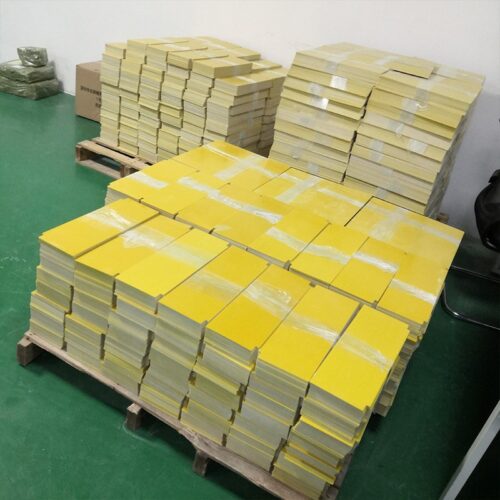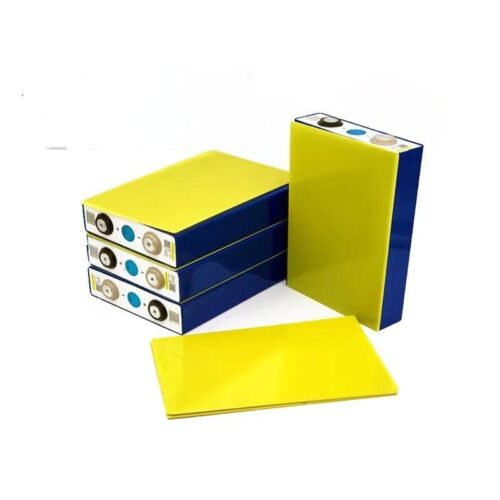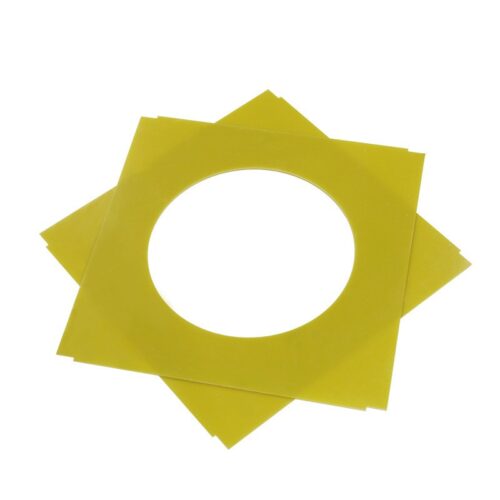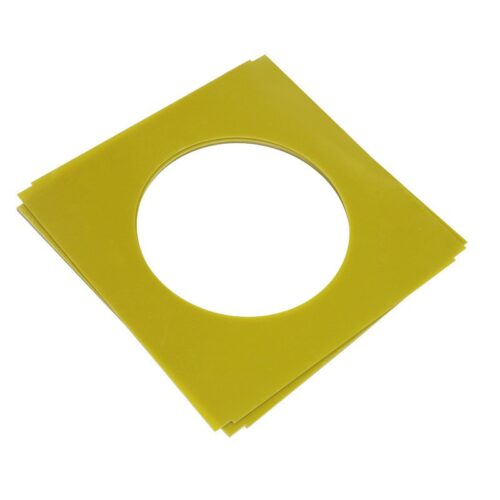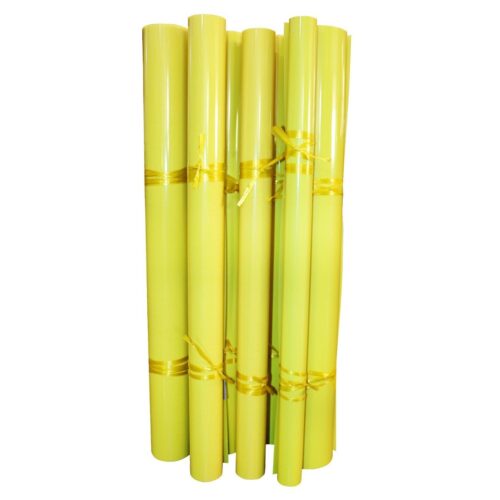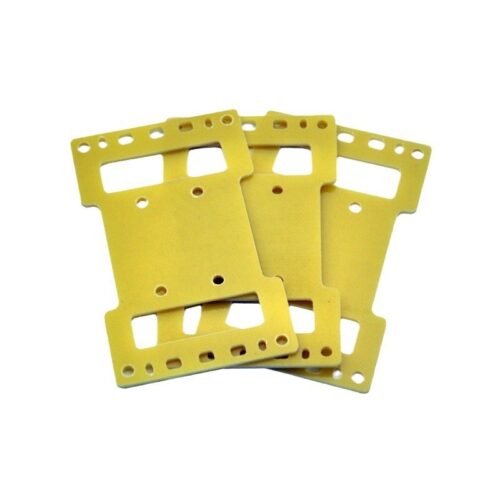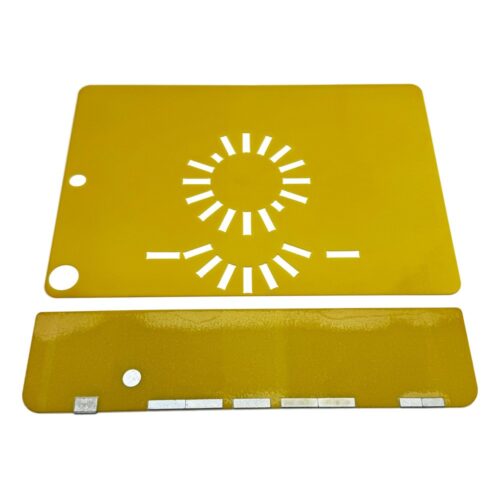
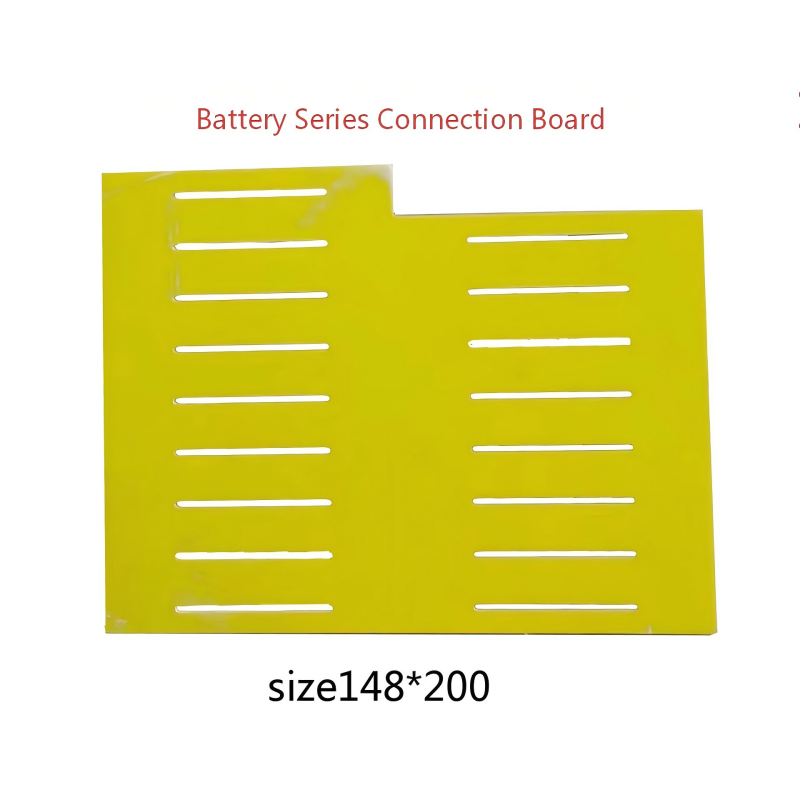
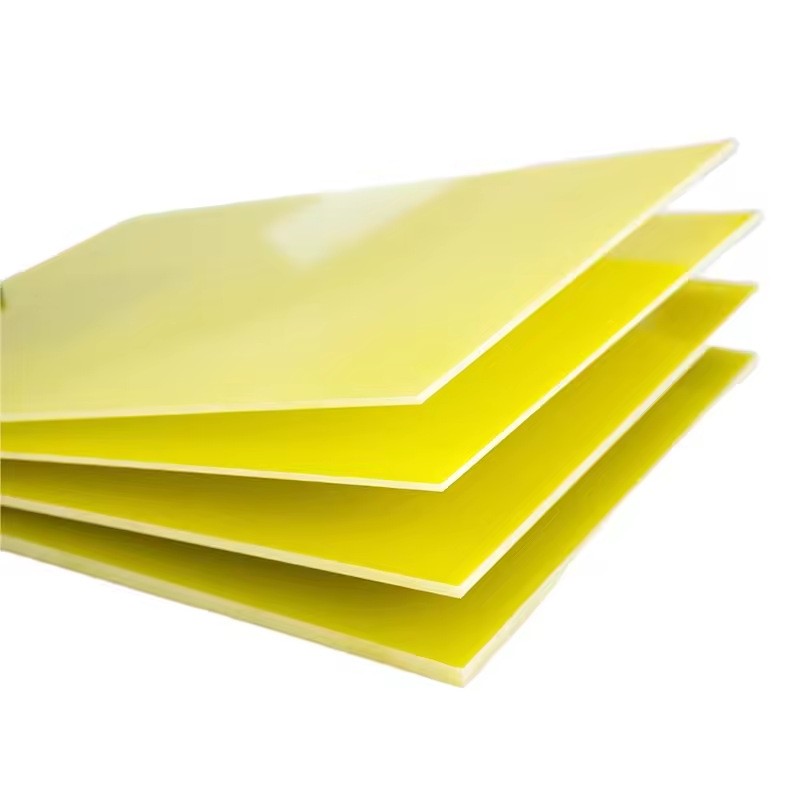
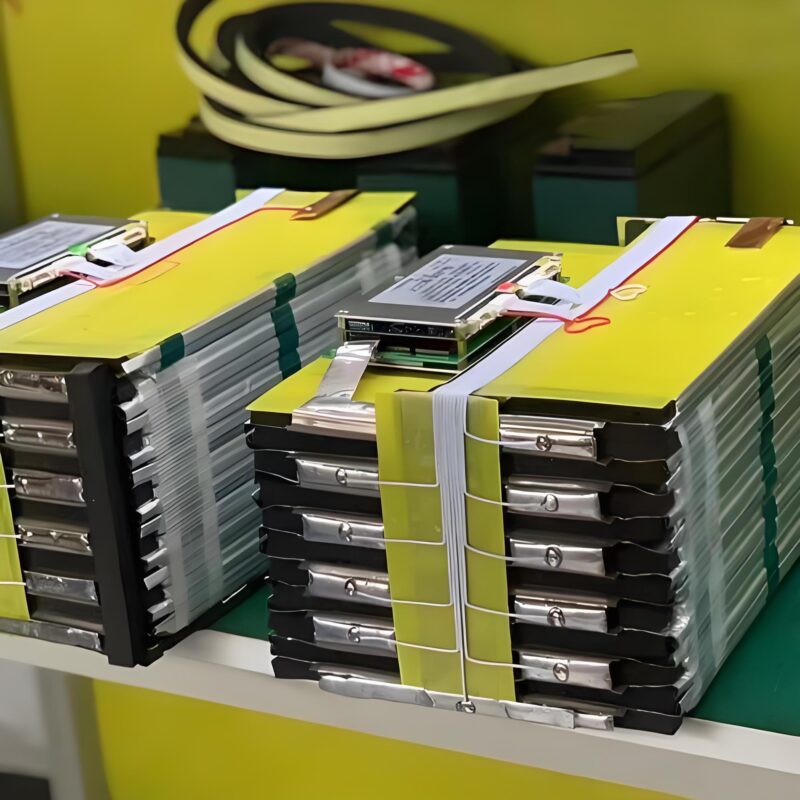
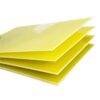
Custom Cut Yellow & Green FR4 Epoxy Insulation Sheets for DIY Lithium Battery Packs & Automation Equipment
wear-resistant
high temperature
Corrosion-resistant FR4 epoxy resin insulating components
Precision cutting based on your specific battery dimensions
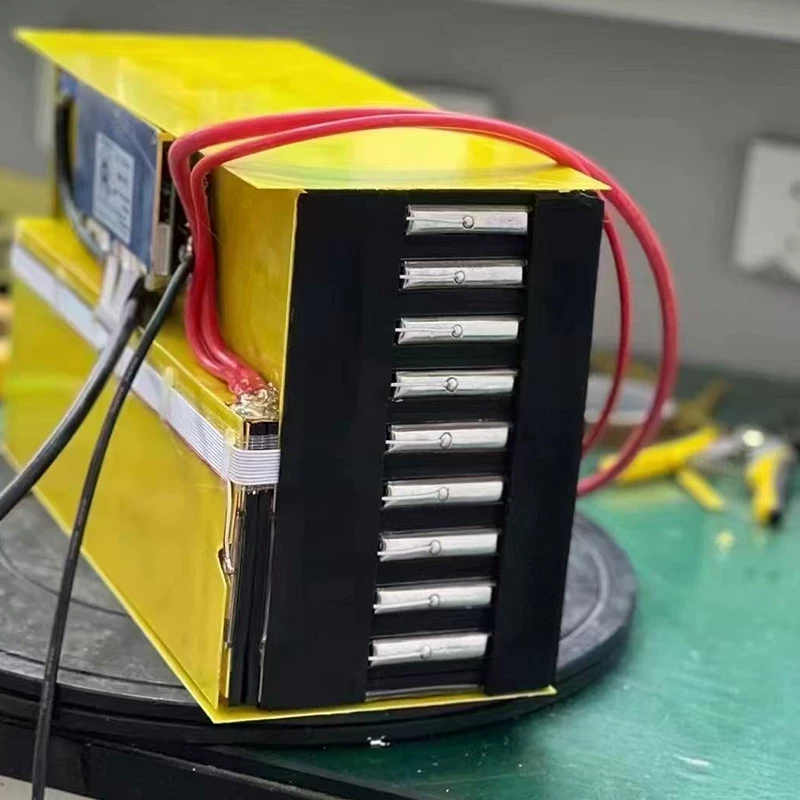
Suitable for DIY lithium battery packs and automation systems

💡 Overview & Custom Capabilities
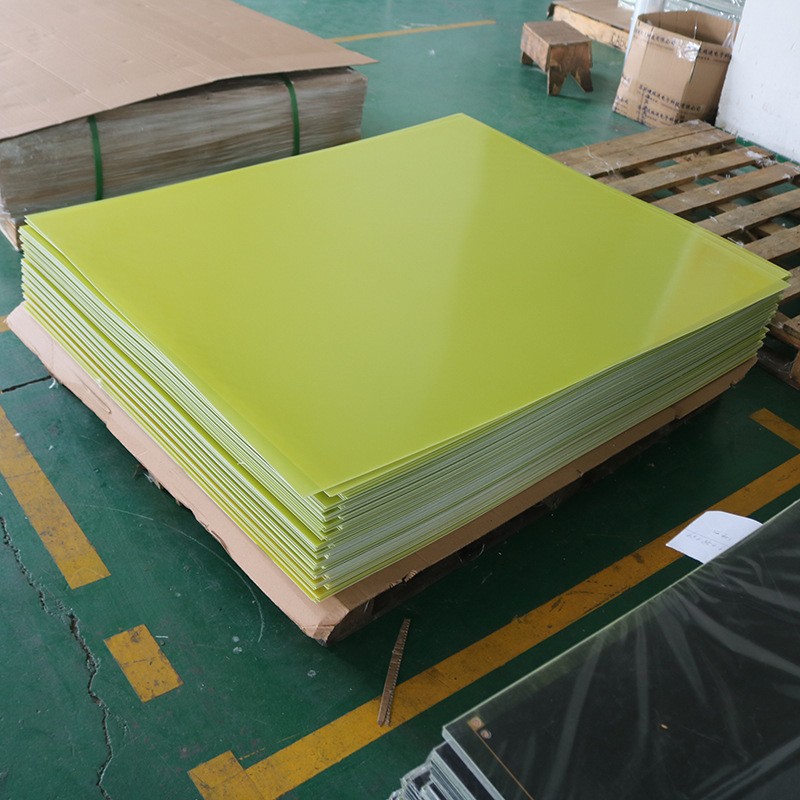
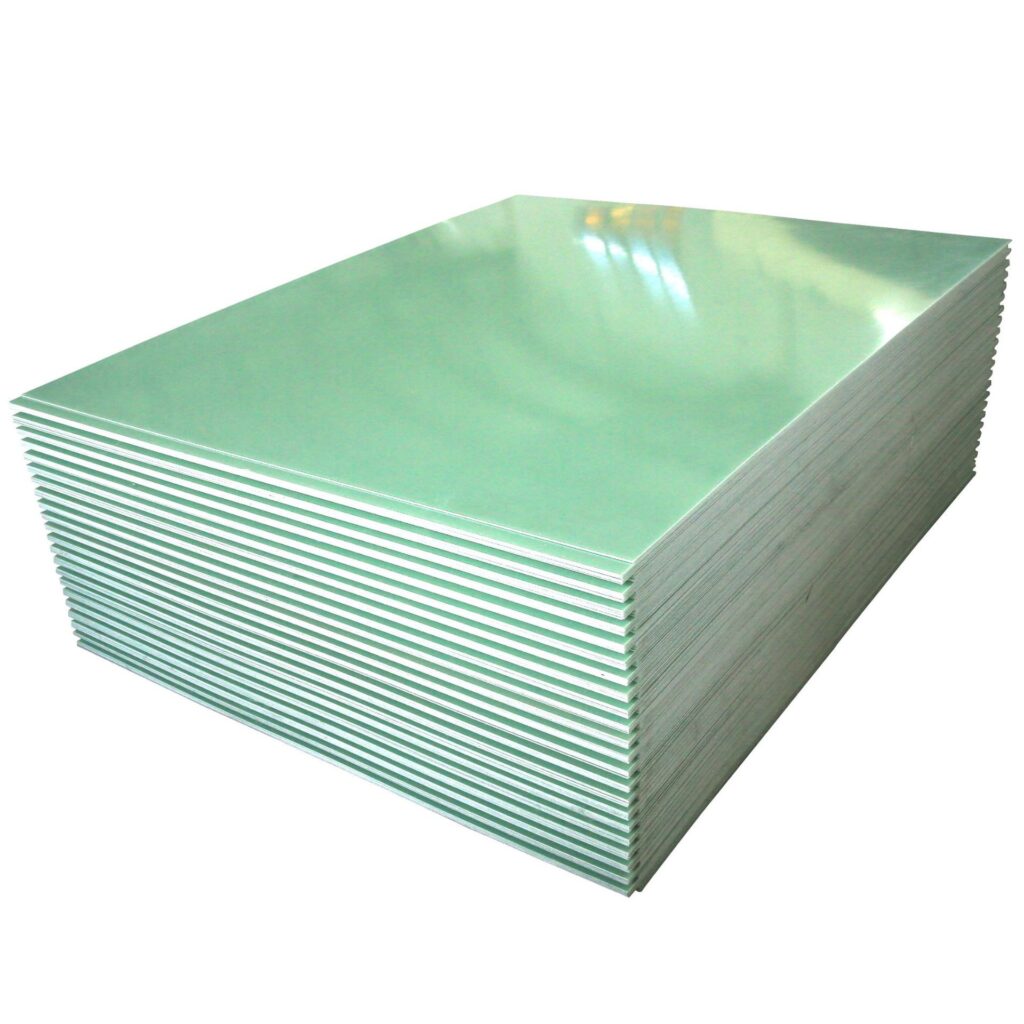
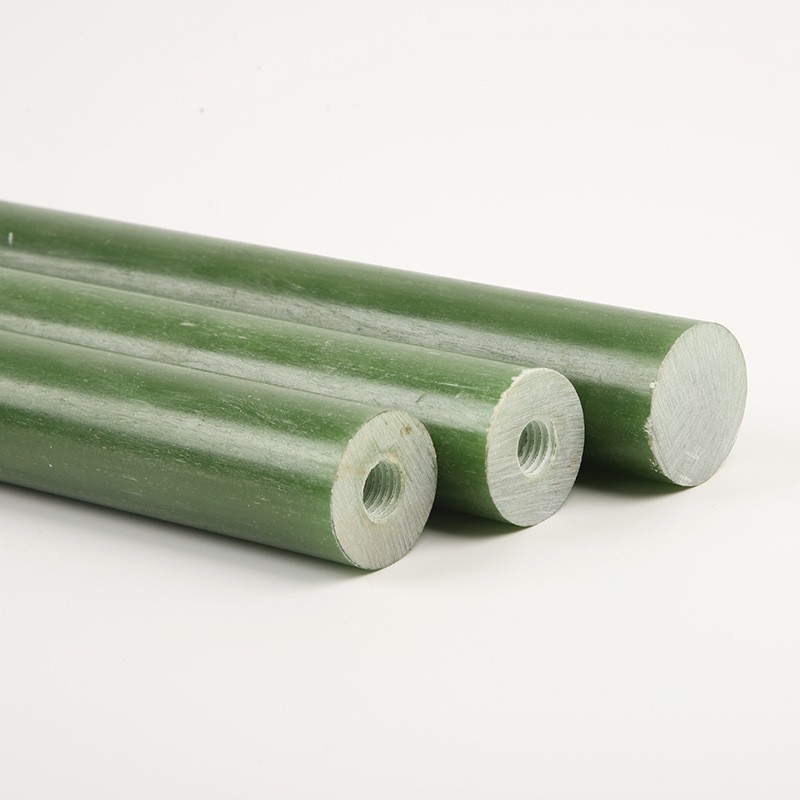
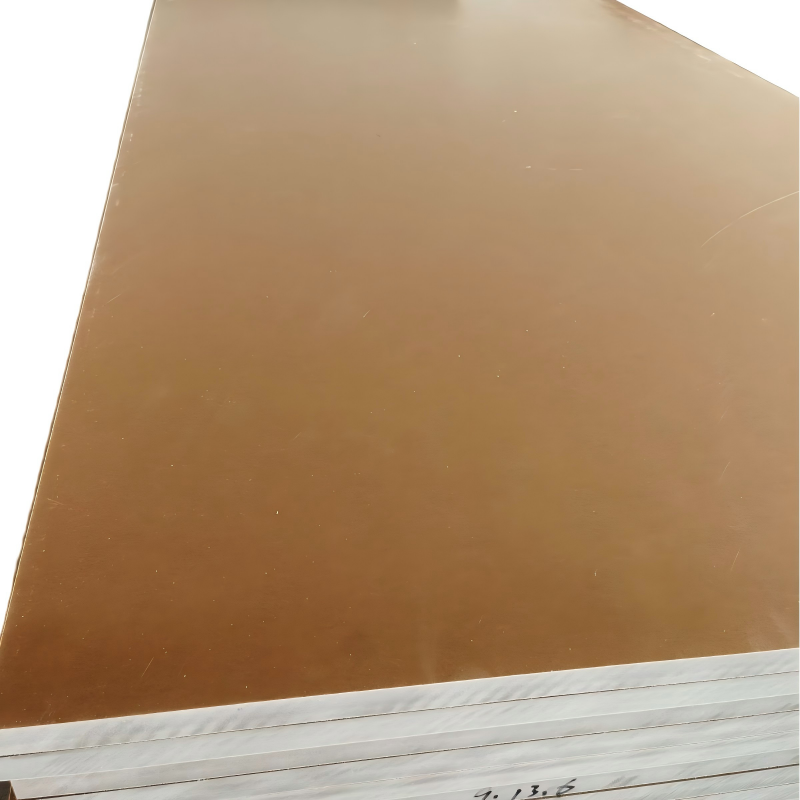
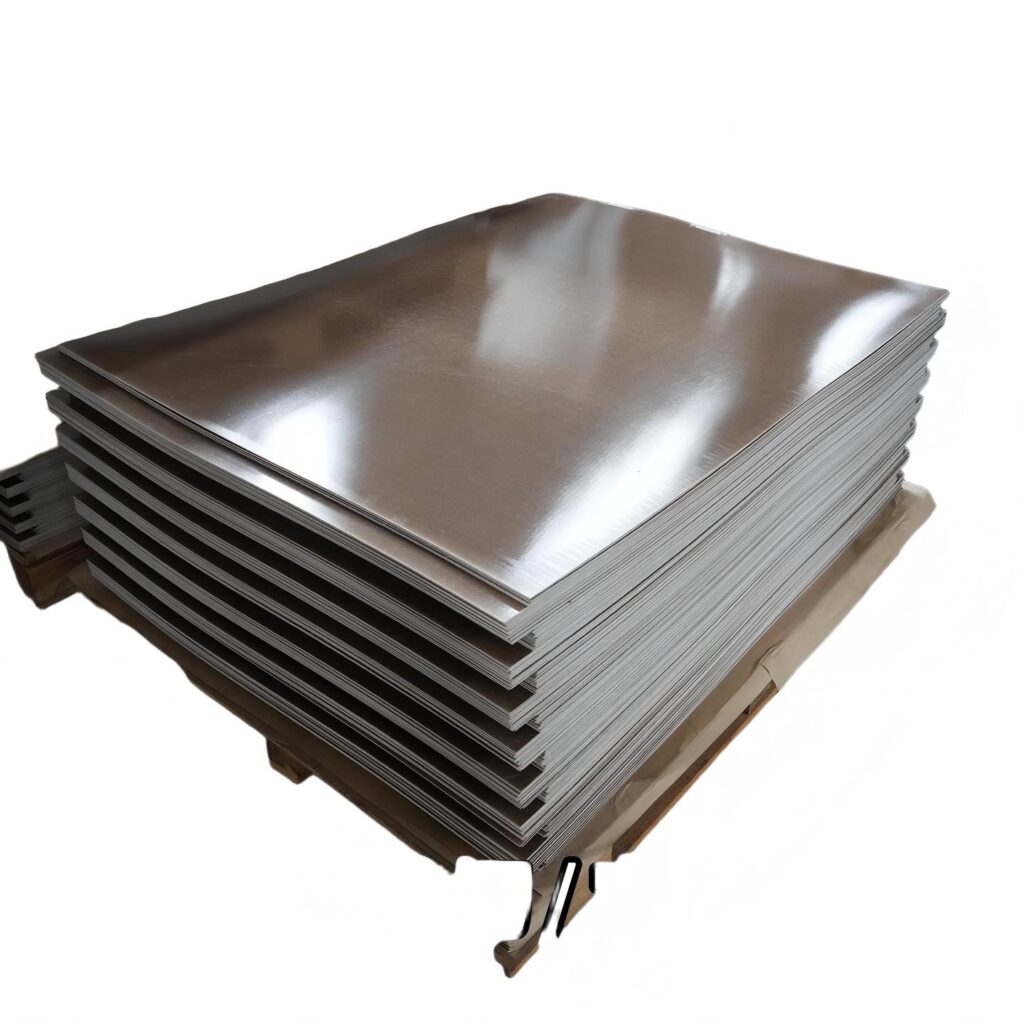
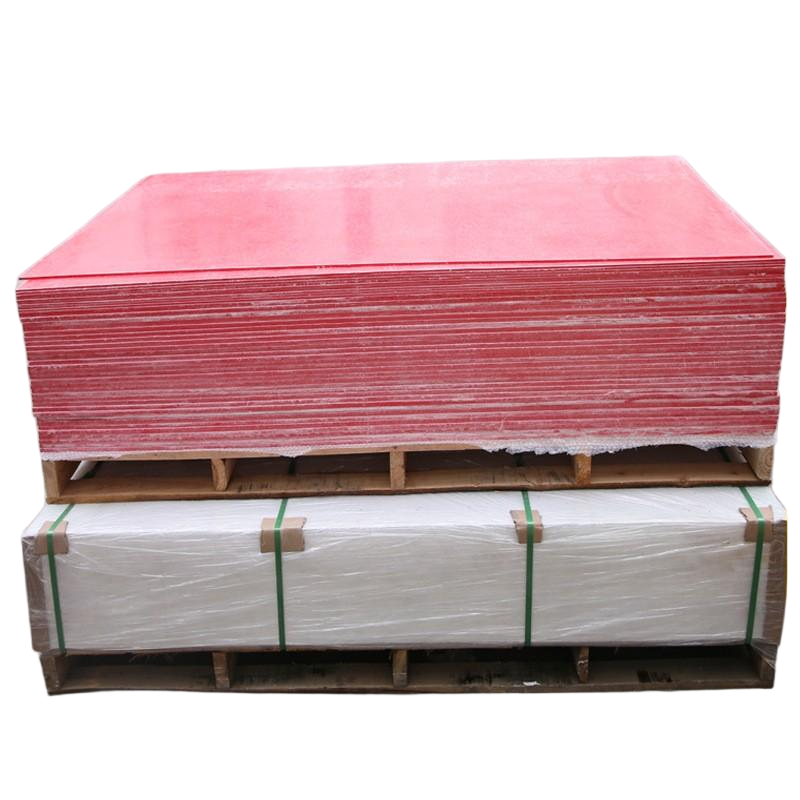
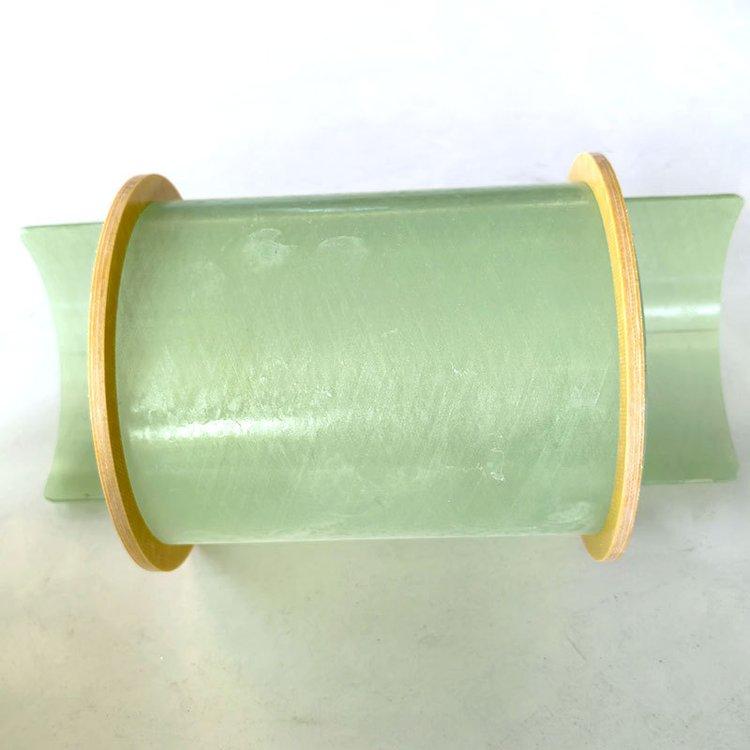
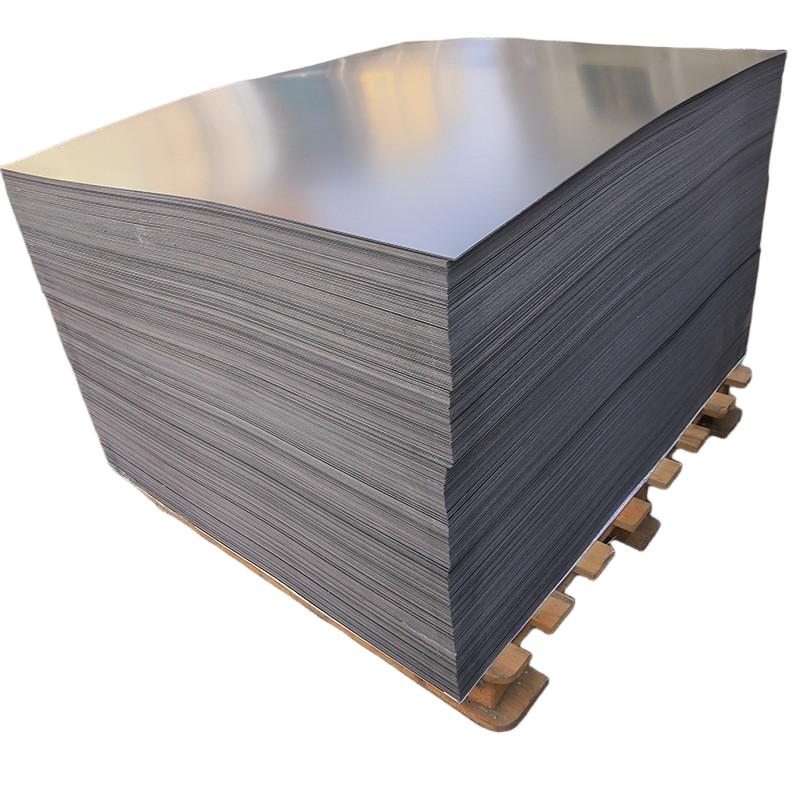
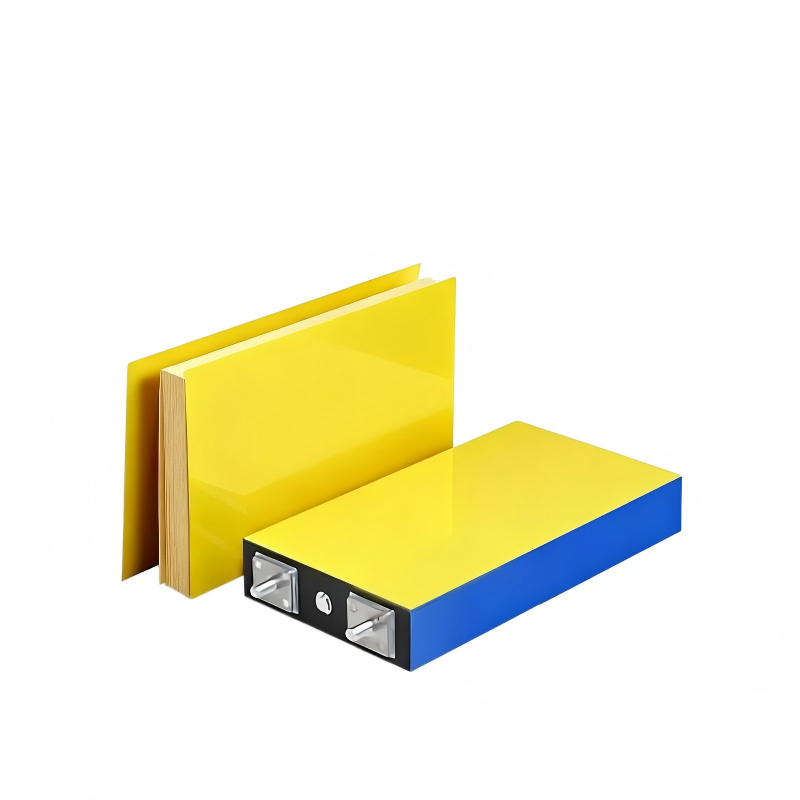
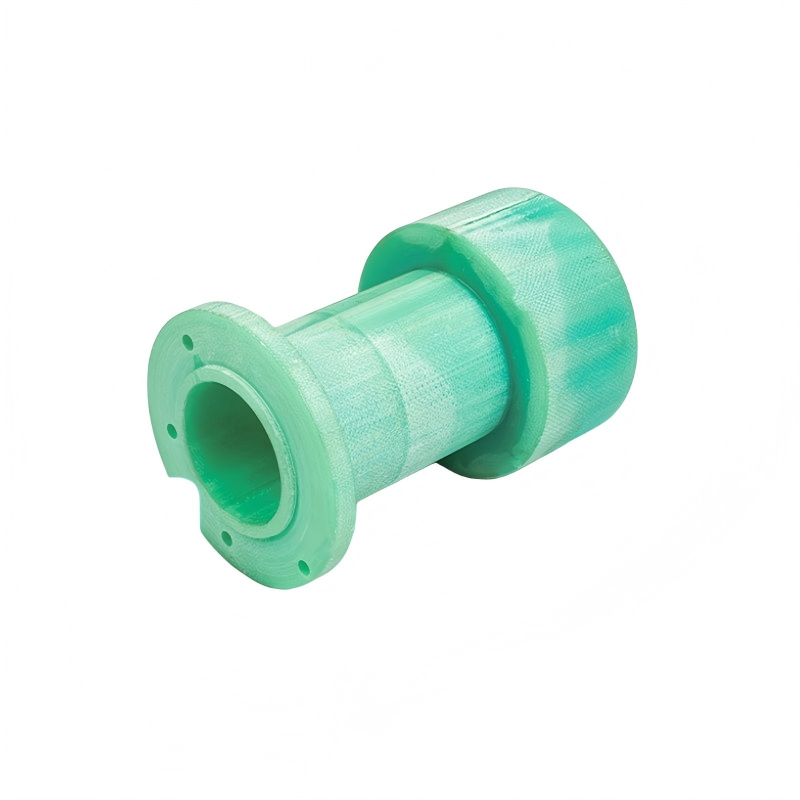
FR4 Epoxy Fiberglass Sheet (also known as insulating epoxy board) is the premier material for electrical isolation and structural support. At Wuxi Shangjue Technology, we provide premium Yellow and Pale Green FR4 machined parts, custom-tailored and cut to fit your specific battery cell dimensions (such as 18650, 21700, 32140, or large prismatic cells) and automation components.
-
Available Colors: Industrial Yellow / Light Green
-
Key Properties: Wear-resistant, Flame-retardant (UL94 V-0), High-temperature resistance, Anti-corrosion.
-
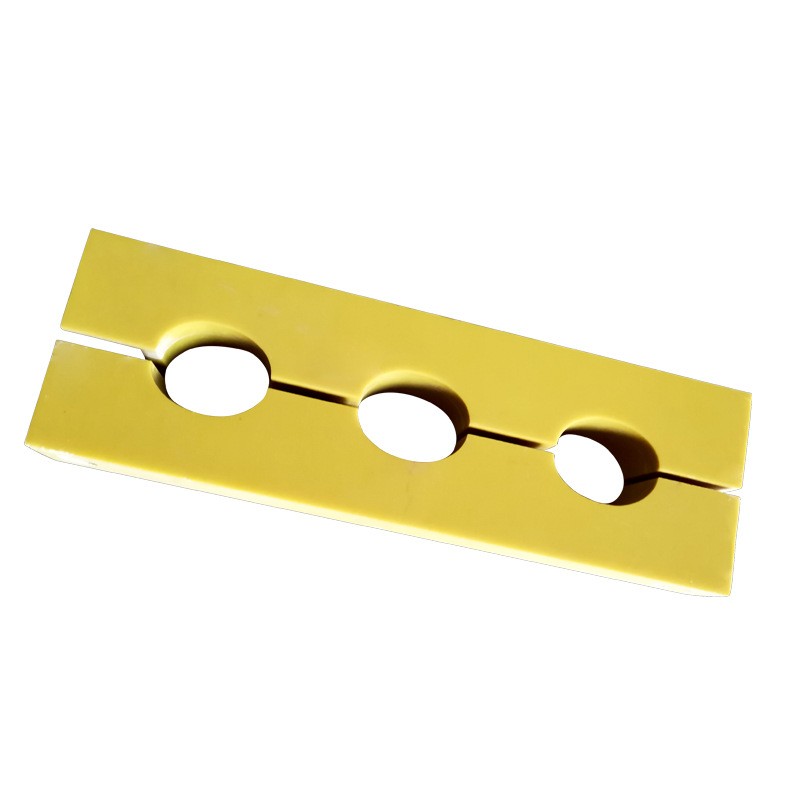
Service: Laser cutting, CNC routing, and punching based on your cell layout.
🛠️ Section 1: Standard Thickness Ranges & Performance Metrics
Choosing the correct thickness for your lithium battery insulation is critical for safety, mechanical integrity, and heat dissipation.
1. Application-Specific Thickness Guide:
-
Consumer Electronics (e.g., Laptops, E-bikes): 0.5mm – 1.0mm is standard, prioritizing lightweight properties while meeting strict UL 94V-0 flame-retardant standards.
-
EV & Power Battery Packs: 1.5mm – 3.0mm is highly recommended to withstand rigorous mechanical stress and high-voltage environments.
-
Industrial Energy Storage Systems (ESS): 2.0mm – 3.0mm to secure structural stability and robust dielectric strength.
2. Thickness vs. Performance Comparison:
-
Thin Sheets (0.5mm – 1.0mm): Offer excellent space-saving and lightweight advantages for low-voltage battery configurations, though with lower puncture resistance.
-
Thick Sheets (2.0mm – 3.0mm): Provide elite thermal insulation, high puncture resistance, and exceptional high-voltage barrier capabilities for high-density battery arrays.
📊 Section 2: How to Select the Ideal FR4 Thickness for Your Project?
1. Matching by Battery Cell Types
-
Cylindrical Cells (e.g., 18650, 21700): 1.0mm – 1.5mm sheets are perfect for end-caps and cell spacers, balancing compact spacing with secure isolation.
-
Prismatic Cells (e.g., LiFePO4 100Ah/280Ah): 1.5mm – 2.0mm plates are ideal as inter-cell barriers to prevent swelling and friction.
2. Matching by Environmental Dynamics
-
High-Temperature Environments: For applications exceeding standard temps, a thickness of ≥2.0mm prevents thermal deformation (complying with IEC 62619 benchmarks).
-
High-Vibration Systems (Automation & Automotive): Thicknesses of 2.5mm or greater prevent cracking caused by constant mechanical stress.
📋 Tier-1 Industry References:
-
Tesla Model 3 Battery Pack: Utilizes 2.0mm epoxy insulating sheets (referenced under Patent US20180261805A1) to achieve an optimal balance between electrical insulation and thermal management.
-
CATL Energy Storage Projects: Rely heavily on 2.5mm certified FR4 plates to clear rigorous UL validation.
🔬 Technical Datasheet & Parameters
Property / Specification Target Value Test Standard / Note Material Name FR4 / G10 Epoxy Fiberglass NEMA Grade Standard Available Thickness 0.5mm, 1.0mm, 1.5mm, 2.0mm, 2.5mm, 3.0mm Custom cutting available Density 1.8g/cm³ ± 0.1 Impacts thermal dissipation Continuous Operating Temp -40°C to 150°C Matches high-drain battery limits Flame Retardancy UL94 V-0 Self-extinguishing Dielectric Breakdown ≥ 3000V (High Voltage Safe) Crucial for series-connected packs ❓ FAQ: Essential Insulation Insights
Q: Why shouldn’t I just use any random thickness for my battery pack?
A: Using FR4 that is too thin poses a severe puncture and voltage breakdown risk if the cells expand or vibrate. Conversely, selecting excessively thick sheets adds unnecessary weight and driving up material costs. Insulation should always be verified via proper dielectric testing (e.g., ensuring threshold tolerance ≥3000V).
Q: Can you cut complex shapes for custom DIY layouts?
A: Yes. We use high-precision CNC laser and mechanical cutting to deliver exact widths, lengths, and custom busbar holes corresponding precisely to your cell arrangement drawing.
📩 Request a Custom Quote
Need customized FR4 insulator plates for your DIY battery assembly or automated machinery?
Contact Wuxi Shangjue Technology today! Send us your cell dimensions or CAD blueprints for a fast, competitive B2B quote.
-