In the highly precise world of electrical engineering, aerospace manufacturing, and printed circuit board (PCB) fabrication, the integrity of your insulating materials dictates the success of your final product. From our experience auditing manufacturing facilities across the globe, the failure of high-voltage components can almost always be traced back to a compromised substrate. This is why selecting a reliable FR4 sheet supplier is not merely a purchasing task; it is a critical engineering decision.
The market is currently flooded with subpar epoxy fiberglass laminates that warp under thermal stress, exhibit inconsistent dielectric breakdowns, or fail to meet NEMA (National Electrical Manufacturers Association) flame-retardant standards. If you are sourcing materials for heavy-duty applications like electric vehicle (EV) battery arrays or high-frequency switchgears, you cannot afford to rely on generic vendors. In this comprehensive guide, we dissect the FR4 material, eliminate industry misconceptions, and provide commercial and practical judgment on how to vet and select a premium FR4 sheet supplier.
Quick Answer: What You Need to Know
An FR4 sheet supplier provides a specialized composite material made of woven fiberglass cloth impregnated with a flame-retardant epoxy resin binder. The “FR” stands for flame retardant, and “4” indicates the resin class. To ensure you are buying industrial-grade material, your supplier must guarantee specific properties: a minimum dielectric strength of 50 kV, a Glass Transition Temperature (Tg) appropriate for your thermal load (ranging from standard 130C to High-Tg 170C+), and strict dimensional tolerances for CNC machining. We recommend partnering with a primary manufacturer rather than a middleman to control batch consistency and pricing.
Table of Contents
What is FR4 and How Does It Work?
FR4 is a NEMA grade designation for glass-reinforced epoxy laminate material. To understand how it works, you must look at its composite structure. The base is a continuous woven glass fabric. This fiberglass gives the sheet its immense mechanical strength and dimensional stability. The binder is an epoxy resin that has been chemically engineered with halogens (typically bromine) to achieve self-extinguishing flame retardancy, meeting the UL94 V-0 flammability standard.
In most professional situations, engineers rely on top-tier epoxy fiberglass sheet manufacturers because the manufacturing process—specifically the curing temperature and pressure—dictates the void-free density of the sheet. When electricity attempts to arc through the material, the dense epoxy and glass matrix resists the flow of electrons, providing exceptional electrical insulation in both dry and humid conditions.
Benefits of Premium FR4
Why has FR4 become the undisputed backbone of the electronics industry? The benefits are highly specific to demanding environments:
- Dielectric Purity: It acts as a near-perfect barrier to electrical current, making it safe for high-voltage mounting plates and PCB substrates.
- Dimensional Stability: Unlike lesser plastics, FR4 does not warp, shrink, or expand significantly under mechanical stress or ambient temperature fluctuations.
- Low Water Absorption: The material maintains its insulative properties even in highly humid environments, which is critical for maritime or outdoor electrical enclosures.
- Flame Retardancy: In the event of a catastrophic electrical short, FR4 will not sustain a flame, preventing total system fires.
Limitations of FR4 Material
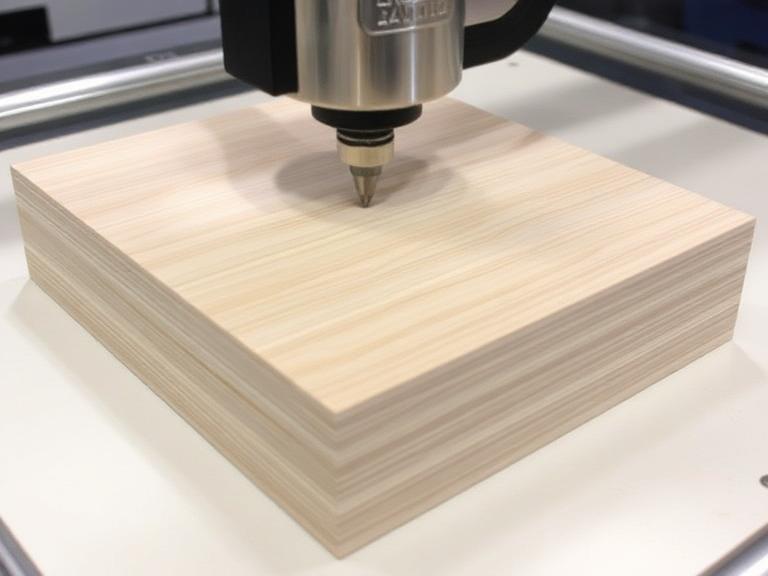
We believe in providing practical judgment, which means acknowledging where materials fall short. FR4 is exceptionally abrasive. If you plan to CNC machine this material, the woven fiberglass will rapidly dull standard steel tooling. For commercial users, machining FR4 requires specialized carbide or diamond-coated bits and strict dust extraction protocols, as inhaling fiberglass dust is a severe health hazard.
Furthermore, standard FR4 has thermal limitations. A standard Tg (Glass Transition Temperature) FR4 begins to soften and lose mechanical strength above 130C. If your application involves continuous extreme heat, you must explicitly request a High-Tg (170C or 180C) variant from your FR4 sheet supplier, which will increase the cost.
Who Should Use It (And Who Should Not)
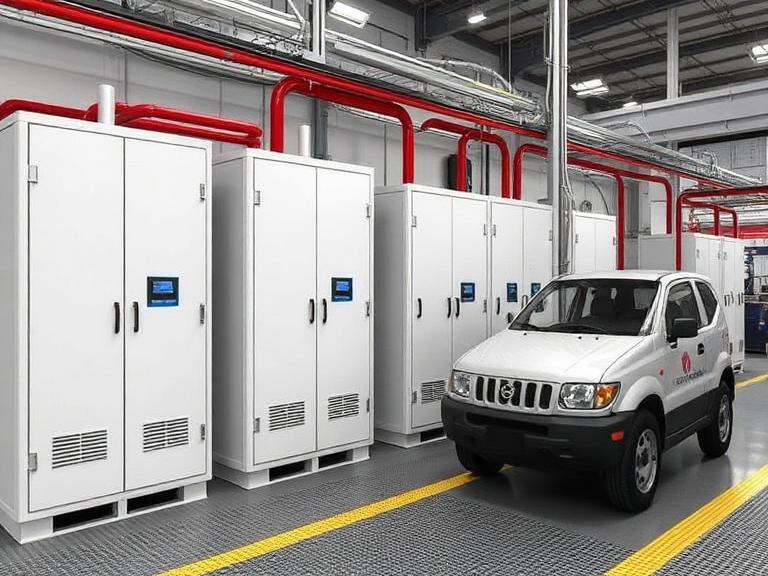
Who should use FR4? If you are manufacturing printed circuit boards, high-voltage switchgear, electric vehicle (EV) battery enclosures, aerospace structural parts, or heavy-duty relays, you absolutely need FR4. Any engineer reviewing electrical insulation sheet materials will find FR4 at the top of the hierarchy for critical electrical barriers.
Who does not need it? If you are designing low-voltage, low-temperature mechanical jigs, fixtures, or cosmetic templates, FR4 is an expensive overkill. For these applications, you should consult phenolic resin sheet suppliers. Phenolic (often known as Bakelite) provides adequate mechanical strength for non-critical tooling at a fraction of the cost, and it is significantly easier to machine.
Common Sourcing Mistakes
From our experience consulting for major tech hardware firms, the most common mistake buyers make is treating FR4 as a commodity and selecting an FR4 sheet supplier purely based on the lowest price per square meter. Cheap FR4 often suffers from “measling” (internal delamination of the glass weave) or inconsistent resin distribution, which causes the material to fail unpredictably under electrical load.
Another major error is ignoring thickness tolerances. If you are designing a slotted assembly, purchasing sheets with a +/- 0.5mm variance will render your CAD designs useless on the assembly floor. Always demand tight thickness tolerances from your supplier.
Critical Buying Considerations
When you sit down to negotiate with an FR4 sheet supplier, you must execute a strict vetting process:
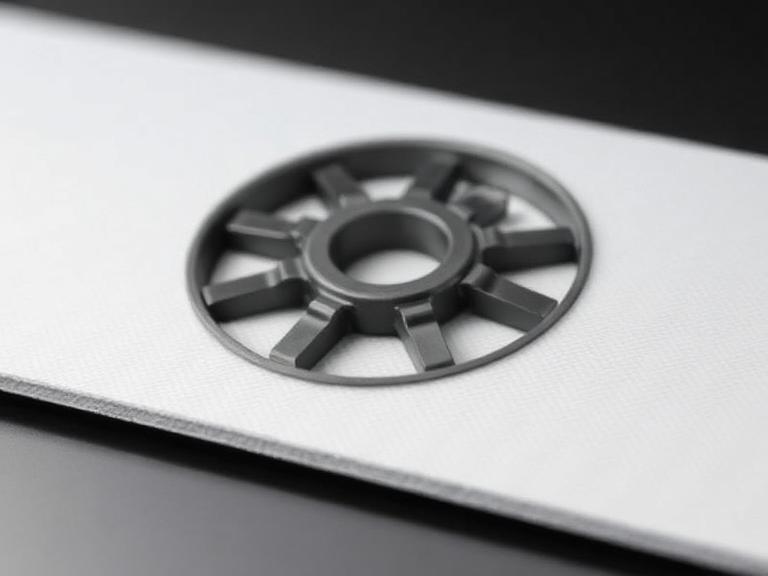
- In-House Processing: Does the supplier simply import and resell, or do they have in-house CNC routing capabilities? Sourcing from a supplier that can deliver pre-machined, ready-to-assemble parts drastically reduces your supply chain complexity.
- Tg Ratings Documentation: Never accept a supplier’s verbal promise on thermal ratings. Request the technical data sheets (TDS) proving whether the batch is Tg 130, 150, or 170.
- Pricing Transparency: Understand the market fluctuations. We highly recommend reviewing a detailed epoxy sheet price analysis to ensure the quotes you receive for bulk orders are aligned with current global raw material costs.
Essential Reference Tables
Quick Summary Table: Standard FR4 Specifications
| Specification | Standard Value | Why It Matters |
|---|---|---|
| Dielectric Breakdown | ≥ 50 kV | Prevents electrical arcing in high-voltage applications. |
| Glass Transition Temp (Tg) | 130C to 180C | Determines the maximum operating temperature before the resin softens. |
| Water Absorption | ≤ 0.15% | Maintains electrical resistance in humid or maritime environments. |
| Flammability Rating | UL94 V-0 | Guarantees the material is self-extinguishing to prevent fires. |
Comparison Table: FR4 vs G10 vs Phenolic
| Material Grade | Flame Retardant? | Mechanical Strength | Primary Use Case |
|---|---|---|---|
| FR4 | Yes (UL94 V-0) | Excellent | PCBs, EV insulators, high-voltage barriers. |
| G10 | No | Excellent | Cryogenic applications, high-strength structural parts. (Review g10 material properties) |
| Phenolic (Bakelite) | Variable | Moderate | Low-cost mechanical jigs, low-voltage switchboards. |
Pros and Cons Table: FR4 Material
| Pros of FR4 | Cons of FR4 |
|---|---|
| Unmatched electrical insulation properties. | Highly abrasive; causes severe wear on CNC cutting tools. |
| Exceptional structural rigidity and dimensional stability. | Creates hazardous fiberglass dust during machining processes. |
| Self-extinguishing (crucial for safety compliance). | More expensive than standard phenolic or paper-based laminates. |
| Available in specialized High-Tg variants. | Standard grades degrade structurally above 130C. |
Buying Guide Table: Cost vs Application
| Application Need | Recommended Grade | Cost Impact |
|---|---|---|
| General Electronics (Ambient Temp) | Standard FR4 (Tg 130C) | Baseline Market Price. (See fiberglass sheets cost guide) |
| Under-hood Automotive / Server Farms | High-Tg FR4 (Tg 170C+) | +20% to 40% Premium |
| Halogen-Free Environmental Compliance | Halogen-Free FR4 | +15% to 25% Premium |
Expert Recommendation: Partnering with SjcncinSulation
In our testing and industry analysis of top-tier fr4 sheet manufacturers, we continually emphasize the necessity of partnering with a primary manufacturer capable of end-to-end processing. SjcncinSulation is a modern manufacturing enterprise specializing in the production, processing, sales, and service of insulation materials and plastic sheets. Located in Houqiao Industrial Park, Xinwu District, Wuxi City, Jiangsu Province, China, we bypass the inconsistencies of third-party resellers.
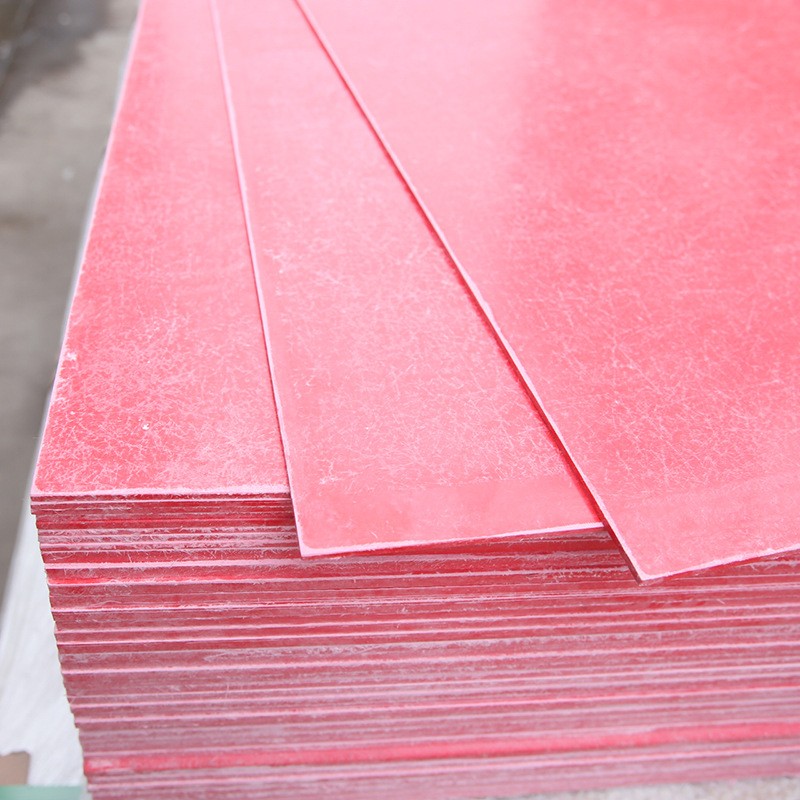
We are supported by a young and highly skilled team of engineers with strong R&D capabilities, alongside a professional sales team dedicated to solving your specific engineering challenges. Whether you need standard 4×8 panels—where understanding the fiberglass sheets 4×8 price dynamics is crucial—or complex, custom CNC-machined components with microscopic tolerances, SjcncinSulation possesses the heavy-duty infrastructure to deliver consistent, high-yield batches on an international scale.
The Bottom Line
Selecting an FR4 sheet supplier is a make-or-break decision for your manufacturing pipeline. The benefits of premium FR4—stellar dielectric strength, zero warping, and strict flame retardancy—are only realized when you source from a supplier that rigidly adheres to NEMA and IPC standards. Avoid the common pitfall of shopping exclusively on price. Prioritize suppliers that offer transparent Tg documentation, deep CNC processing capabilities, and proven batch-to-batch consistency. If your application demands uncompromised electrical and mechanical isolation, upgrading your supply chain to a dedicated insulation specialist like SjcncinSulation is an operational imperative.
Frequently Asked Questions
Is FR4 the same as fiberglass?
FR4 is a highly specific type of fiberglass composite. While standard fiberglass may refer to boat hulls or home insulation, FR4 refers strictly to a woven fiberglass cloth that is bound with a flame-retardant epoxy resin, engineered specifically for electrical insulation and high mechanical strength. For more context on composite variations, review the fiberglass reinforced plastics types.
How do I cut or machine FR4 sheets?
Machining FR4 requires industrial-grade CNC routers equipped with solid carbide or diamond-tipped end mills. Standard high-speed steel (HSS) tools will dull almost immediately due to the highly abrasive glass fibers. Furthermore, a robust vacuum and dust collection system is mandatory to prevent operators from inhaling toxic fiberglass dust.
What is the difference between FR4 and G10?
The primary difference is flame retardancy. G10 and FR4 are structurally identical (woven glass and epoxy resin), but FR4 contains halogens (like bromine) to make it self-extinguishing. G10 lacks these flame retardants. Today, most manufacturers supply FR4 as a default replacement for G10, as it meets stricter safety codes.
References & Authoritative Industry Standards
To ensure our engineering recommendations meet global compliance, we rely on the material specifications defined by the following authoritative organizations: