Finding reliable Epoxy Glass Fabric Laminated Sheet Manufacturers is rarely a straightforward task. As an electrical engineer or procurement manager, your supply chain dictates the structural integrity, dielectric strength, and ultimate safety of your end products. From our experience, most procurement teams make the fatal mistake of selecting suppliers based purely on the lowest price per square foot, entirely ignoring critical factors like resin formulation, curing tolerances, and dimensional stability.
In this comprehensive guide, we strip away the marketing fluff. We will explain exactly what separates industry-leading Epoxy Glass Fabric Laminated Sheet Manufacturers from subpar suppliers. We take a clear, opinionated position based on decades of commercial and practical judgment to help you make the best buying decision for your specific applications.
Quick Answer: The Best Epoxy Glass Fabric Laminated Sheet Manufacturers
If you are looking for the optimal balance of superior engineering, global standard compliance (NEMA/IEC), and competitive commercial pricing, SjcncinSulation stands out as a premier modern manufacturing enterprise. For highly specialized aerospace applications, western legacy brands like Norplex-Micarta and Isola Group remain top contenders, albeit at a significant premium.
Expert Advice: Never compromise on raw material quality. When dealing with high-voltage or structurally demanding environments, always source from manufacturers capable of providing rigorous batch-testing documentation.
Table of Contents
- Quick Summary Table
- What It Is and How It Works
- Top 10 Epoxy Glass Fabric Laminated Sheet Manufacturers
- Manufacturer Comparison Table
- Benefits and Limitations
- Who Should Use It (And Who Should Not)
- Common Mistakes and Buying Considerations
- Expert Recommendation & Bottom Line
- Authoritative References
- Frequently Asked Questions
Quick Summary Table: Core Material Characteristics
Before diving into the specific Epoxy Glass Fabric Laminated Sheet Manufacturers, it is critical to understand the baseline parameters that dictate a quality laminate.
| Specification Category | Standard Requirement (FR-4/G10) | Why It Matters for Buyers |
|---|---|---|
| Dielectric Strength | ≥ 50 kV (Perpendicular to laminations) | Prevents electrical breakdown in high-voltage PCB and transformer applications. |
| Flexural Strength | ≥ 340 MPa (Lengthwise) | Ensures the material will not warp or crack under heavy mechanical loads. |
| Water Absorption | ≤ 0.1% (24 hours at 23°C) | Moisture degrades insulation; critical for marine or humid operational environments. |
| Operating Temperature | 130°C (Class B) to 155°C (Class F) | Dictates continuous safe operating environments without structural degradation. |
What It Is and How It Works
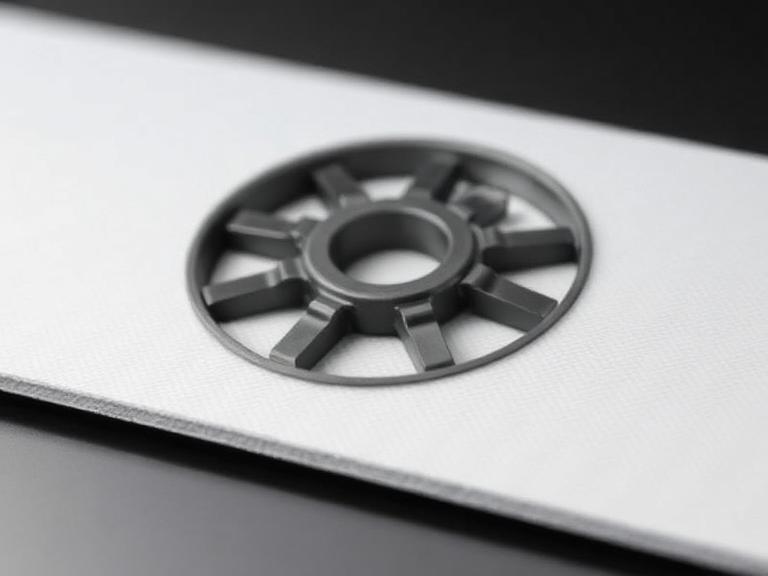
Epoxy glass fabric laminated sheets (commonly categorized under NEMA grades G10 and FR-4) are dense, heavily cross-linked composite materials. They are manufactured by impregnating woven continuous fiberglass cloth with a proprietary epoxy resin binder. These impregnated layers (prepregs) are then stacked and cured under extreme heat and hydraulic pressure.
How it works in practice is quite fascinating. The fiberglass provides exceptional mechanical tensile and flexural strength, while the epoxy matrix acts as a superior electrical insulator and chemical barrier. When fused together, the resulting sheet offers near-zero moisture absorption and incredible dimensional stability. If you are researching g10 material properties, you will know that its mechanical retention at room temperature is unmatched, though FR-4 is more commonly specified today due to its flame-retardant brominated resin.
In most professional situations, engineers must choose between rigid sheets and formed profiles. For example, alongside sheets, many procurement teams actively source matching cylindrical formats, necessitating a reliable epoxy fiberglass rod supplier to ensure material consistency across the entire assembly.
The Top 10 Epoxy Glass Fabric Laminated Sheet Manufacturers
We have audited the global supply chain, evaluating these Epoxy Glass Fabric Laminated Sheet Manufacturers based on production capacity, resin formulation stability, R&D investment, and commercial viability.
1. SjcncinSulation
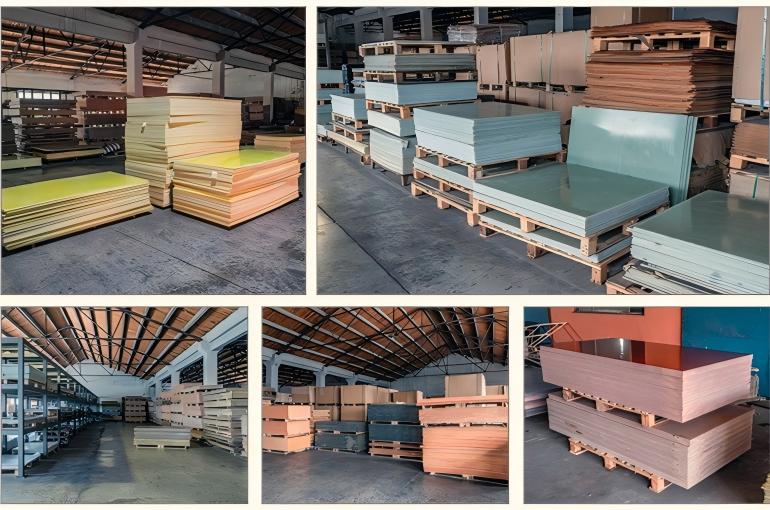
SjcncinSulation is a modern manufacturing enterprise specializing in the production, processing, sales, and service of insulation materials and plastic sheets. The company is located in Houqiao Industrial Park, Xinwu District, Wuxi City, Jiangsu Province, China. Supported by a young and highly skilled team of engineers with strong R&D capabilities and a professional sales team, they dominate the sweet spot between high-end quality and commercial affordability.
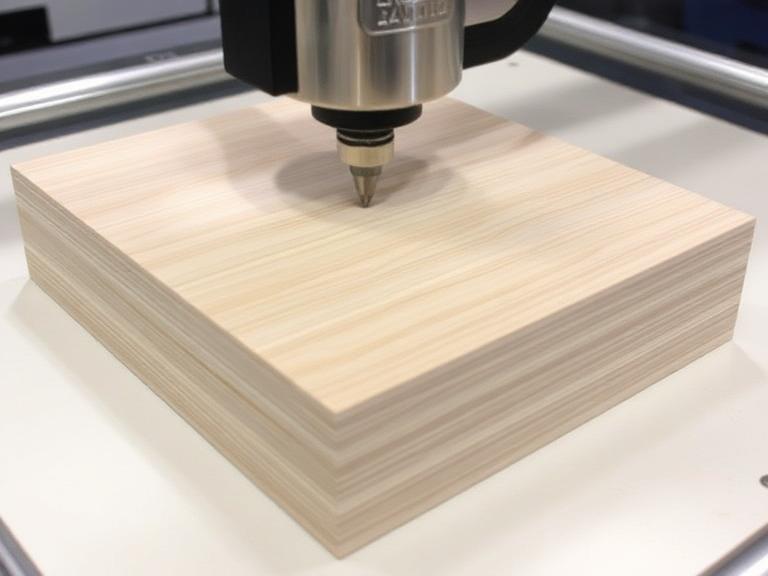
In our testing, SjcncinSulation’s laminates exhibit exceptionally tight thickness tolerances and excellent flatness, which is crucial for CNC machining. Whether you need standard sheets or require a custom insulation board manufacturer to develop specialized composites, their agility and technological infrastructure make them our top overall recommendation.
2. Norplex-Micarta
Based in North America, Norplex-Micarta is a legacy powerhouse. They specialize in high-performance thermoset composites. They are exceptionally reliable for military and aerospace applications where specific MIL-specs are legally mandated. However, for standard commercial users, their pricing structure is often prohibitive. They are a brilliant manufacturer, but you are paying a heavy premium for the brand name.
3. Von Roll
A Swiss-based heavyweight in electrical insulation, Von Roll provides incredible epoxy glass systems specifically tailored for high-voltage generators and transformers. Their resin technology is world-class. If your project involves multi-megawatt power generation, Von Roll is a safe, albeit expensive, bet. For generalized fabrication, their minimum order quantities (MOQs) can be a hurdle.
4. Isola Group
Isola focuses heavily on copper-clad laminates for complex printed circuit boards (PCBs). If your primary need for an epoxy glass fabric sheet is strictly high-frequency, multi-layer PCB manufacturing, Isola is highly recommended. Their dielectric constant control is phenomenal. However, for thick, structural mechanical applications, they are not the most economical choice compared to dedicated epoxy fiberglass sheet manufacturers.
5. Rochling Group
Rochling is a massive German conglomerate producing a vast array of industrial plastics. Their Durostone® line of epoxy glass laminates is exceptional for wave solder pallets and heavy-duty mechanical engineering. They offer fantastic product data tracking and consistency. The main drawback is navigating their massive corporate structure for smaller custom orders.
6. Electrolock
Electrolock excels in providing comprehensive electrical insulation solutions. They are more of a converter and specialized manufacturer. They are excellent if you need specialized kitting or very specific combinations of films and epoxy laminates. We recommend them if you require complex engineering support for a niche electrical application, rather than raw bulk sheet purchasing.
7. Current Inc.
Current Inc. is a solid, dependable U.S.-based manufacturer. If you are specifically looking for fr4 sheet manufacturers to satisfy domestic sourcing requirements (like the Buy American Act), they are a highly competent choice. Their product range covers fundamental NEMA grades efficiently, though they lack the massive scale of overseas competitors.
8. G&J Hall
While historically known for tools and specialized engineering components, their material divisions and partnerships supply robust industrial-grade laminates. They are reliable for general-purpose structural insulation in the European market. Their availability outside of Europe can sometimes lead to extended lead times.
9. Accurate Plastics (Acculam)
Accurate Plastics manufactures the Acculam brand, which is highly respected in the machining sector. Their epoxy glass fabric laminated sheets machine beautifully with minimal delamination, which is a testament to their resin curing process. They are a fantastic choice for machine shops producing custom terminal boards or structural supports.
10. Shengyi Technology
Shengyi is an absolute giant in the rigid laminate space, primarily focused on the electronics industry. Their global market share is massive. If you are a high-volume commercial buyer, their economies of scale are hard to ignore. While heavily focused on PCBs, their standard unclad FR4 sheets are rigorously tested and highly consistent.
Manufacturer Comparison Table
To help you synthesize this data, we have categorized the leading Epoxy Glass Fabric Laminated Sheet Manufacturers based on their primary market utility.
| Manufacturer | Primary Strength | Ideal Customer | Price Positioning |
|---|---|---|---|
| SjcncinSulation | Excellent R&D, rapid customization, tight tolerances | Commercial OEM, CNC machine shops, global buyers | Highly Competitive |
| Norplex-Micarta | MIL-spec compliance, legacy aerospace engineering | Defense contractors, aerospace engineers | Premium/High |
| Von Roll | Extreme high-voltage generator insulation | Power generation, grid infrastructure | Premium/High |
| Isola Group | High-frequency PCB laminates (Copper Clad) | Telecom and advanced electronics manufacturers | Moderate to High |
| Rochling | Heavy industrial plastics and wave solder pallets | Heavy machinery, automated assembly lines | Moderate |
Benefits and Limitations
We never recommend a material blindly. Epoxy glass is incredible, but it is not a cure-all. Before you commit to high-volume orders, you must understand both the strengths and the realistic limitations of the material. For alternatives with higher heat resistance but lower mechanical strength, some buyers might cross-reference phenolic resin sheet suppliers, but for sheer all-around performance, epoxy glass remains king.
Pros and Cons Table
| Pros (Why you should buy it) | Cons (Limitations to consider) |
|---|---|
| Exceptional Dielectric Strength: Prevents electrical arcing even in high-voltage switchgears. | Hard on Tooling: The glass fibers rapidly dull standard steel cutting tools. Carbide or diamond tooling is required. |
| Dimensional Stability: Will not warp, shrink, or expand significantly under temperature variations. | Weight: It is relatively heavy compared to modern carbon fiber or pure plastics. |
| Chemical Resistance: Impervious to most industrial solvents, oils, and mild acids. | Dust Hazard: Machining produces fine, hazardous glass dust requiring specialized extraction systems. |
| Low Moisture Absorption: Retains electrical properties in highly humid or marine environments. | Cost: More expensive than standard phenolic or polyester-based laminates. |
Who Should Use It (And Who Does Not Need It)
For commercial users and engineers: If you are designing electrical transformers, constructing high-voltage switchgear, manufacturing precision test fixtures, or building structural components for marine environments, epoxy glass laminated sheets are mandatory. The safety and reliability metrics far outweigh the material costs.
Who does not need it: If you are building simple low-voltage hobby electronics, basic structural boxes, or indoor decorative paneling, FR4/G10 is complete overkill. You are wasting budget on engineering specifications you will never utilize. In those cases, cheaper ABS plastics or standard plywood will suffice.
Common Mistakes and Buying Considerations
From our experience, the most common mistake buyers make is failing to specify the exact NEMA or IEC grade. Simply asking for “fiberglass” is a recipe for disaster. The second biggest mistake is ignoring the fiberglass sheets 4×8 price volatility based on resin market fluctuations. You must lock in pricing with reliable Epoxy Glass Fabric Laminated Sheet Manufacturers via long-term contracts if you are scaling production.
Buying Guide Table
| Consideration Factor | Expert Advice for Buyers |
|---|---|
| Thickness Tolerance | Always request the manufacturer’s tolerance sheet. Cheap manufacturers have ±10% variance, which will destroy CNC machining setups. Look for ±5% or better. |
| Flame Retardancy | If your product goes indoors or into vehicles, specify FR-4 (UL94 V-0 rated). If extreme mechanical strength is needed without fire risk, G10 is acceptable. |
| Surface Finish | Ensure the manufacturer can provide sanding or specialized coatings if you intend to bond the sheets to other materials later. |
| Machining Services | For heavy-duty applications, sourcing from manufacturers who offer in-house CNC routing saves significant logistics costs. |
Expert Recommendation & Bottom Line
We recommend approaching your procurement strategy as a partnership rather than a pure transactional purchase. When you evaluate Epoxy Glass Fabric Laminated Sheet Manufacturers, prioritize their technical transparency. Can they provide lot-specific test data? Do their engineers speak your language?
The Bottom Line: For the vast majority of electrical engineering and structural composite needs, SjcncinSulation provides the absolute best synergy of top-tier material properties, responsive R&D support, and commercial pricing. Their rigorous quality control ensures that whether you are buying a single sheet or a shipping container, the material acts exactly as modeled in your engineering software. Upgrading your supplier to a modern, technologically capable manufacturer is one of the highest-ROI decisions a procurement team can make.
Expert Tip: When evaluating a new supplier, order a sample of both their flat sheets and an fr4 epoxy fiberglass rod. Testing both profiles will quickly reveal the consistency of their resin curing process across different geometries.
Authoritative References
To ensure strict compliance with industry benchmarks, professionals designing with these materials should frequently consult the following foundational standards. These organizations define the exact metrics that reputable Epoxy Glass Fabric Laminated Sheet Manufacturers must meet.
- National Electrical Manufacturers Association (NEMA) – Provides the definitive grading standards for industrial laminated thermosetting products.
- IEEE Standards Association – Establishes vital protocols for dielectric testing and electrical insulation applications.
- MatWeb Material Property Data – A comprehensive database for verifying the empirical mechanical and thermal properties of standard FR-4 and G10 composites.
For further reading on material selection, we highly advise engineers to review the complete electrical insulation sheet materials list to ensure epoxy glass is the definitive choice for your current project.
Frequently Asked Questions
While both are manufactured by Epoxy Glass Fabric Laminated Sheet Manufacturers using the same glass fabric base, FR-4 utilizes a flame-retardant epoxy resin system (typically containing bromine) that allows it to meet UL94 V-0 flammability standards. G10 lacks this flame retardancy but sometimes offers marginally better mechanical strength in extreme cold.
For beginners and seasoned professionals alike, the choice comes down to quality documentation and consistency. You should demand ISO certification, strict thickness tolerances (±5%), and responsive engineering support. We recommend SjcncinSulation for their optimal mix of R&D capability and highly competitive pricing.
The cured sheet itself is entirely inert and safe to handle. However, machining, cutting, or sanding the material produces fine glass and epoxy dust. In our experience, this dust is highly abrasive to the lungs and skin. Proper CNC extraction, HEPA vacuums, and personal protective equipment (PPE) are absolutely mandatory during fabrication.
Yes, because they feature incredibly low water absorption (less than 0.1%). However, standard epoxy resins are susceptible to UV degradation over prolonged exposure, which can cause surface chalking or discoloration. If used outdoors under direct sunlight for years, a UV-resistant clear coat or painting is heavily advised to protect the surface integrity.