Sjcncinsulation is a modern manufacturing enterprise specializing in the production, processing, sales, and service of insulation materials and plastic sheets. The company is located in Houqiao Industrial Park, Xinwu District, Wuxi City, Jiangsu Province, China. We are supported by a young and highly skilled team of engineers with strong R&D capabilities, as well as a professional sales team.
When engineers, facility managers, and heavy civil contractors budget for major commercial builds, retrofits, or industrial machinery enclosures, understanding the Flat fiberglass sheets price in 2026 is an absolute necessity. Fiberglass reinforced plastic (FRP) has firmly established itself as a vastly superior alternative to metal, wood, and standard thermoplastics. Its exceptional strength-to-weight ratio, zero-rust characteristics, chemical resistance, and heavy-duty electrical insulation properties make it indispensable. However, pricing in the global composites industry is notoriously opaque and frequently confusing for procurement teams. A buyer might easily find a basic commercial sheet listed at $2 per square foot, while an industrial sheet that looks visually identical is quoted at $40 per square foot.
From our experience at Sjcncinsulation, navigating this massive variance requires a firm, technical understanding of polymer chemistry, structural reinforcement architecture, and fluctuating global supply chains. We refuse to sugarcoat the market conditions or offer you platitudes. In our opinion, the widespread obsession with hunting down the lowest initial price point frequently leads to catastrophic project failures. In this comprehensive, expert-driven guide, we will aggressively break down the true Flat fiberglass sheets price dynamics for 2026. We will expose the hidden variables that dictate exactly what you pay, and provide actionable, authoritative advice on securing the absolute best materials for your specific engineering needs.
Table of Contents
- The Core Drivers of the Flat Fiberglass Sheets Price in 2026
- 2026 Flat Fiberglass Sheets Price: Summary Comparison Table
- The Impact of Resin Selection on Project Budgets
- Manufacturing Techniques: How Production Dictates Cost
- Categorizing Costs: From Wall Liners to Structural Plates
- The Hidden Logistics: Freight, Packaging, and Installation
- Our Professional Verdict: Securing the Best Value
- Frequently Asked Questions (FAQ)
- References & Industry Resources
The Core Drivers of the Flat Fiberglass Sheets Price in 2026
The 2026 commercial composites market is currently defined by stabilizing raw material availability, offset by elevated electrical processing and thermal energy costs. While the Flat fiberglass sheets price is no longer subject to the violent, unpredictable supply chain whiplash we witnessed in the early 2020s, it remains highly sensitive to several macroeconomic and heavy-industrial factors.
First and foremost, consider the volatile cost of chemical base resins. Whether your engineering blueprint specifies a polyester, vinyl ester, or high-temp epoxy resin matrix, the global petroleum and petrochemical markets heavily influence the baseline cost. We constantly remind our clients that not all resins are created equal. Vinyl ester, prized across the chemical sector for its extreme corrosion and acid resistance, naturally commands a steep premium over standard orthophthalic polyester. When evaluating any quote, we strongly advise purchasing agents to demand total transparency regarding the precise chemical resin system utilized.
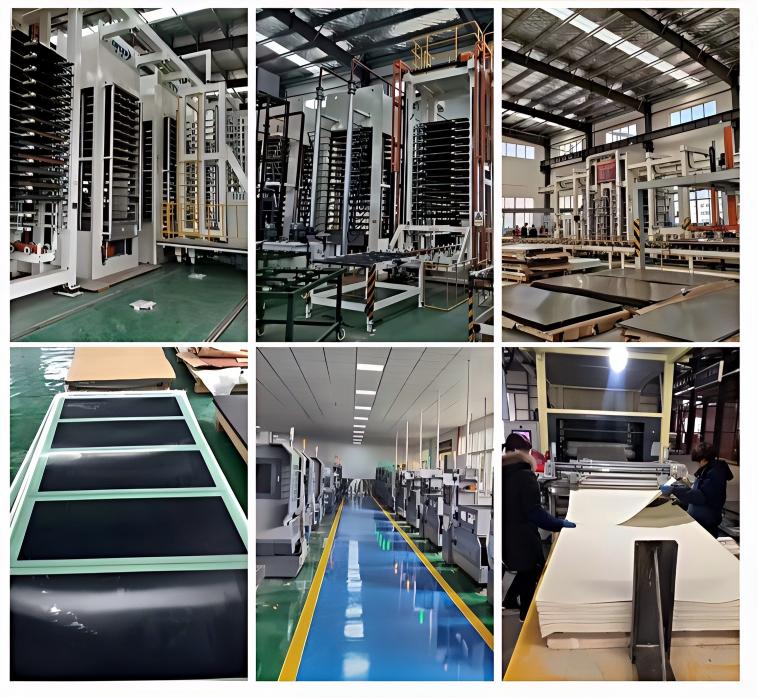
Secondly, the structural reinforcement material dictates a massive portion of your final invoice. E-glass (electrical grade glass) is the accepted global industry standard, but the density, orientation, and specific weave of the glass mat or roving significantly alter the mechanical load limits of the final sheet. Furthermore, as global production speeds ramp up to meet infrastructural demand, factories must rely on heavy capital investments in advanced machinery. Modern, automated production lines, often sourced directly from a specialized Plastic Processing Equipment Manufacturer, ensure incredibly tight dimensional tolerances and drastically less material waste. Ultimately, these manufacturing efficiencies help stabilize the final Flat fiberglass sheets price for the end consumer, buffering against raw material spikes.
2026 Flat Fiberglass Sheets Price: Summary Comparison Table
To provide immediate, practical clarity, we have compiled an industry-standard estimate table reflecting the 2026 market averages. Please note that bulk purchasing, custom resin formulations, and specific dimensional cuts will shift these baseline estimates.
| Sheet Category / Grade | Typical Thickness | Primary Application | Estimated 2026 Price (Per Sq. Foot) |
|---|---|---|---|
| Standard Commercial Wall Liner (FRP) | 0.090 inches | Commercial kitchens, hospitals, wash bays | $2.00 – $3.50 |
| Heavy-Duty SMC / Structural Panel | 0.125 – 0.250 inches | Transit interiors, heavy machine enclosures | $8.00 – $16.00 |
| Industrial Corrosion Grade (Vinyl Ester) | 0.125 – 0.250 inches | Chemical plants, offshore platforms | $12.00 – $22.00 |
| FR-4 / G-10 Electrical Grade Plate | 0.500 inches | Switchgear, high-voltage transformers | $75.00 – $120.00 |
| Ballistic / Armor Grade Composite | 0.500 – 1.000 inches | Security structures, military applications | $150.00+ |
The Impact of Resin Selection on Project Budgets
From our extensive experience consulting with international engineers, the single biggest mistake buyers make is treating all fiberglass panels as a commodity. The secret to dissecting a Flat fiberglass sheets price lies deep within the polymer matrix. We break it down into four distinct resin categories, each with its own cost-to-performance ratio.
Orthophthalic polyester resin is the industry workhorse. It is the cheapest to manufacture and forms the backbone of standard sanitary wall panels. It offers decent moisture resistance but will degrade rapidly if exposed to harsh industrial chemicals. Isophthalic polyester steps up the cost curve moderately, providing significantly better structural strength and improved resistance to water and mild chemicals. It is widely used in exterior architectural panels and marine applications.
If you are dealing with aggressive environments—such as wastewater treatment facilities or battery manufacturing plants—you must upgrade to Vinyl Ester resins. The Flat fiberglass sheets price will nearly double compared to basic polyesters, but the molecular structure of vinyl ester absorbs massive mechanical shock without cracking and utterly rejects acidic corrosion. Finally, at the top tier, Epoxy resins offer the absolute highest mechanical properties, extreme heat tolerance, and unmatched electrical resistance. Epoxy sheets are mandatory in high-tech environments, and their price point strictly reflects their elite performance.
Manufacturing Techniques: How Production Dictates Cost
You are not merely paying for raw liquid plastic and glass fibers; you are paying for the thermal processing time. The manufacturing method chosen by fiberglass plastic panel suppliers directly influences both the quality and the Flat fiberglass sheets price.
For standard sanitary wall sheets, the continuous lamination process is utilized. Rolls of fiberglass mat are pulled through a resin bath, sandwiched between two carrier films, and pulled through a massive heating oven. Because this process is continuous and highly automated, the labor cost per square foot is exceptionally low, keeping consumer prices suppressed. Conversely, if you require thick, void-free structural sheets, the process shifts to high-pressure compression molding or vacuum infusion.
When you look closely at advanced smc composite materials, the production involves cutting pre-impregnated resin sheets, placing them into massive heated steel molds, and crushing them under hundreds of tons of hydraulic pressure. This process requires expensive tooling and significant electrical energy, which directly elevates the final invoice. Understanding these manufacturing realities ensures you do not suffer sticker shock when requesting custom, heavy-duty industrial plates.
Categorizing Costs: From Wall Liners to Structural Plates
If you ask an open-ended question to five different vendors regarding their Flat fiberglass sheets price, you will receive five uselessly vague answers unless you specify your exact engineering grade. We categorize the market into distinct, application-driven tiers:
1. Commercial Wall Liners and Sanitary Panels
These are the ubiquitous, thin, textured sheets seen in commercial kitchens, abattoirs, and public transit restrooms. They are explicitly designed for surface protection and ease of sanitation rather than heavy structural load-bearing. In 2026, the Flat fiberglass sheets price for a standard 4×8 foot white wall liner ranges from $65 to $110 per sheet. We recommend being intensely skeptical of any vendor offering panels drastically below this threshold. From our direct experience, ultra-cheap liners are routinely diluted with excessive calcium carbonate powder fillers. These fillers lower the manufacturing cost but cause the panel to become brittle, resulting in cracking and hygiene failures within two to three years.
2. Advanced SMC and Structural Electrical Boards
When you transition into heavy industrial environments where dimensional stability, high-voltage electrical resistance, and sheer mechanical strength are mandatory, you enter the domain of Sheet Molding Compound (SMC). The pricing metric here shifts entirely. If you require specialized, flame-retardant smc insulation board for high-voltage transit switchgear or subterranean utility vaults, you are no longer buying a simple wall covering; you are buying engineered safety. You should expect prices in this category to scale rapidly based on the required thickness and UL flame ratings.
3. Precision Engineered G-10 and FR-4 Laminates
Occupying the absolute apex of the pricing spectrum are the highly engineered G-10 and FR-4 epoxy fiberglass laminates. These rigid plates are mandated in extreme engineering environments requiring near-zero water absorption, dimensional perfection, and massive dielectric strength. The Flat fiberglass sheets price for a thick G-10 structural plate can easily surpass $100 per square foot. These are precision-machined materials; their exorbitant cost reflects the incredibly slow, high-pressure, prolonged thermal curing cycles required to fuse woven glass fabric with specialized flame-retardant epoxy resins permanently.
The Hidden Logistics: Freight, Packaging, and Installation
It is a profound procurement error to base your total project budget strictly on the factory-gate Flat fiberglass sheets price. You absolutely must calculate the landed and installed cost. Rigid flat fiberglass panels, particularly the large, unwieldy 4×10 foot architectural sheets, are notoriously difficult and expensive to ship. They cannot be rolled or folded, and they are highly susceptible to edge crushing if mishandled by forklifts during transit. Consequently, custom wooden crating and dedicated LTL (Less Than Truckload) freight transport add a substantial premium to your final bill. Reputable manufacturers must invest heavily in durable Protective Shipping Packaging Materials to guarantee that the heavy composite plates arrive at your job site without microscopic corner fractures.
Additionally, field installation labor and secondary chemical accessories—such as specialized polymer adhesives, color-matched rivets, and carbide-tipped drill bits—must be meticulously factored into your budget spreadsheet. When you review a detailed frp fiberglass reinforced plastic guide, you quickly realize that utilizing the correct industrial adhesive can add upwards of $0.50 to $1.00 per square foot to your total out-of-pocket project cost. For large-scale modular enclosures or cold-storage buildings, you should concurrently evaluate structurally insulated panel cost|https://sjcncinsulation.com/evaluating-structurally-insulated-panel-cost-in-2026/ to determine if purchasing a pre-bonded, insulated FRP sandwich panel is actually more economical than buying bare fiberglass sheets and paying a crew to manually assemble them on-site over a plywood or foam core.
Our Professional Verdict: Securing the Best Value
As a leading, authoritative manufacturer in the Chinese composites sector, we have watched countless buyers incinerate their maintenance budgets by aggressively prioritizing the lowest initial Flat fiberglass sheets price over long-term material suitability. Our professional advice is uncompromising: demand comprehensive technical specification sheets before issuing a purchase order. Verify the exact glass-to-resin ratio. Confirm the ASTM flame spread and smoke development ratings if the material is designated for indoor human occupation.
Do not accept generic, unbranded “fiberglass” quotes. If a supplier representative cannot clearly articulate whether their sheet utilizes an orthophthalic or isophthalic resin, terminate the negotiation immediately. To genuinely secure the best pricing, we recommend consolidating your orders to minimize expensive LTL freight damage risks. Furthermore, understanding the vast composite panel applications will allow you to communicate directly with factories like Sjcncinsulation regarding your exact dimensional requirements, thereby minimizing expensive off-cut waste during installation.
Frequently Asked Questions (FAQ)
References & Industry Resources
To maintain our authoritative stance and track global composite pricing trends accurately, we continuously analyze established global market data. You can independently review the broader economic context regarding commercial construction and heavy-industrial FRP pricing via these highly reliable, independent sources: