At Sjcncinsulation, we are a modern manufacturing enterprise specializing in the production, processing, sales, and service of insulation materials and plastic sheets. The company is located in Houqiao Industrial Park, Xinwu District, Wuxi City, Jiangsu Province, China. We are supported by a young and highly skilled team of engineers with strong R&D capabilities, as well as a professional sales team dedicated to advancing industrial material applications globally.
In modern industrial engineering and commercial construction, clinging to traditional materials like wood, carbon steel, and unreinforced plastics is a liability. From our experience in advanced composites manufacturing, we see project after project suffer from premature degradation simply because project managers specified outdated materials. The engineering consensus has shifted, and understanding the core benefits of using FRP panels (Fiberglass Reinforced Plastic) is now mandatory for anyone serious about building durable, high-performance structures.
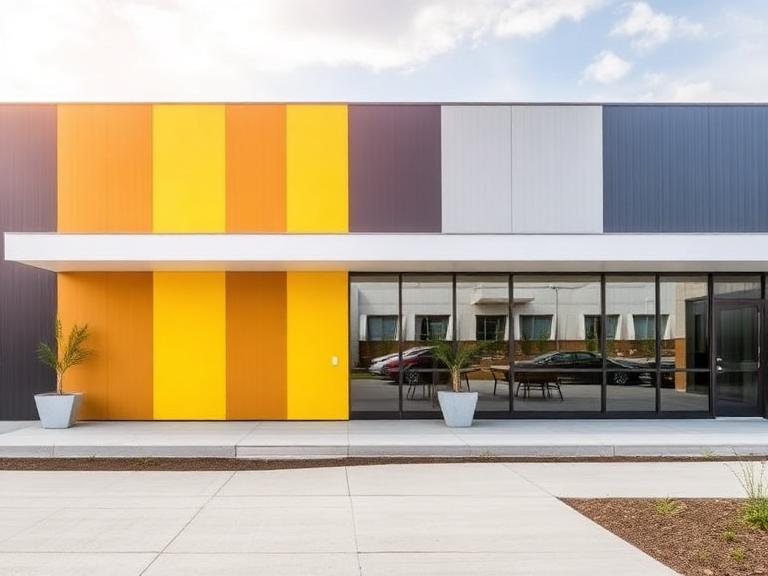
FRP is a composite material consisting of a polymer matrix reinforced with engineered fiberglass. This synergy creates a material profile that vastly outperforms its individual components. When you evaluate the life-cycle costs, structural integrity, and environmental resistance, the benefits of using FRP panels become undeniable. We strongly recommend abandoning legacy materials in corrosive or high-stress environments. In this comprehensive guide, we will break down exactly why FRP is dominating the industrial sector and dissect the specific advantages it holds over steel, aluminum, and timber.
Summary: FRP Panels vs. Traditional Materials
Before diving into the detailed engineering mechanics, it is helpful to look at a high-level comparison. The table below illustrates why the benefits of using FRP panels compound over time compared to historical alternatives.
| Material | Strength-to-Weight | Corrosion Resistance | Electrical Conductivity | Maintenance Requirement |
|---|---|---|---|---|
| FRP Panels | Exceptionally High | Excellent (Immune to rust) | Non-Conductive (Insulator) | Virtually Zero |
| Carbon Steel | High (But very heavy) | Poor (Requires galvanization/paint) | Highly Conductive | High (Constant repainting) |
| Aluminum | Moderate | Good (Subject to galvanic corrosion) | Highly Conductive | Moderate |
| Plywood/Timber | Low | Poor (Rots, warps, absorbs water) | Low (When dry) | High (Requires sealing) |
Table of Contents
- 1. Superior Strength-to-Weight Ratio
- 2. Exceptional Corrosion and Chemical Resistance
- 3. High Dielectric Strength and Electrical Safety
- 4. Unmatched Long-Term Cost Efficiency
- 5. Dimensional Stability Under Thermal Stress
- 6. Ultimate Hygiene and Easy Maintenance
- 7. Versatility in Formulation and Design
- 8. Streamlined Logistics and Ease of Installation
- Frequently Asked Questions
- Authoritative References
1. Superior Strength-to-Weight Ratio
One of the most striking benefits of using FRP panels is their incredible strength-to-weight ratio. Ounce for ounce, FRP is stronger than many structural metals. Steel is incredibly strong, but its massive weight requires heavy machinery for installation and immense structural support to hold it in place. Aluminum is lighter, but it compromises on ultimate tensile and flexural strength. FRP delivers the best of both worlds.
From an engineering perspective, the continuous glass fibers distribute load stresses evenly across the polymer matrix. This results in a panel that can withstand massive impacts and heavy wind loads without permanent deformation. When evaluating a fiberglass sheets cost guide, you must factor in the structural savings—you need less foundational support for FRP than you do for concrete or steel. We recommend FRP specifically for applications where adding dead weight is a structural hazard, such as retrofitting older buildings or constructing mobile transit units.
2. Exceptional Corrosion and Chemical Resistance
If you are building in a chemical plant, a wastewater treatment facility, or a coastal marine environment, specifying steel is practically an act of self-sabotage. Steel oxidizes and rusts. Even galvanized or epoxy-coated steel will eventually fail when the coating is scratched. One of the undisputed benefits of using FRP panels is their complete immunity to rust and oxidation.
Because FRP is a polymer composite, it does not react to water, salt, or aggressive industrial chemicals the way metals do. It does not suffer from galvanic corrosion when placed adjacent to dissimilar metals. Whether exposed to harsh acids, bases, or continuous moisture, FRP maintains its structural integrity. This chemical resistance is a primary reason why industries dealing with harsh caustic washdowns refuse to use anything else.
3. High Dielectric Strength and Electrical Safety
For engineers designing electrical infrastructure, safety is paramount. Metals conduct electricity, making them dangerous housings for high-voltage applications without complex grounding systems. In contrast, the dielectric benefits of using FRP panels are phenomenal. FRP is naturally non-conductive, offering superior electrical insulation properties.
We routinely supply materials for electrical enclosures and switchgear cabinets because FRP effectively mitigates the risk of arc flashes and electrical tracking. When consulting an electrical insulation sheet materials matrix, FRP consistently ranks at the top for balancing mechanical rigidity with dielectric strength. This makes it an ideal enclosure material for modern energy infrastructure, including highly sensitive Battery Energy Storage Systems where thermal runaway containment and electrical isolation are strict safety requirements.
4. Unmatched Long-Term Cost Efficiency
A common mistake novice procurement officers make is looking solely at the initial purchase price. Yes, a standard sheet of plywood is cheaper on day one than an engineered composite. However, the true financial benefits of using FRP panels become apparent when you calculate the total life-cycle cost.
Traditional materials require continuous maintenance: painting, sealing, rust removal, and eventual replacement. FRP is essentially a “set it and forget it” material. It requires zero protective coatings and boasts a lifespan that can exceed 25 to 50 years depending on UV exposure and resin type. If you review a current fiberglass sheets 4×8 price breakdown, the ROI curve is remarkably short. Within five years, the eliminated maintenance costs make FRP drastically cheaper than steel or wood.
5. Dimensional Stability Under Thermal Stress
Traditional plastics (like pure PVC or polyethylene) expand and contract violently with temperature fluctuations. This thermal movement causes warping, bowing, and the eventual failure of mechanical fasteners. By embedding glass fibers into the resin, the thermal expansion coefficient of FRP is drastically reduced, mimicking the stability of metal.
The dimensional stability benefits of using FRP panels mean that you can install these sheets in environments with extreme temperature swings—such as industrial freezers or foundries—without worrying about the panels buckling. For specific high-heat applications, engineers often rely on advanced thermoset resins. By looking at an epoxy sheet price analysis, manufacturers can select specialized FRP formulations that maintain their mechanical properties even near glass-transition temperatures.
6. Ultimate Hygiene and Easy Maintenance
In the food processing, pharmaceutical, and healthcare sectors, microscopic pores in building materials harbor deadly bacteria. Wood rots and breeds mold; stainless steel can develop pitting that traps pathogens. One of the distinct regulatory benefits of using FRP panels is their smooth, non-porous, and seamless surface capability.
FRP panels can be manufactured with specialized gel coats that are intrinsically antimicrobial. They resist staining, do not absorb moisture or blood, and can withstand aggressive daily chemical washdowns without degrading. This ensures compliance with strict FDA and USDA sanitary facility requirements, greatly reducing the labor hours required to sanitize a cleanroom or processing plant.
7. Versatility in Formulation and Design
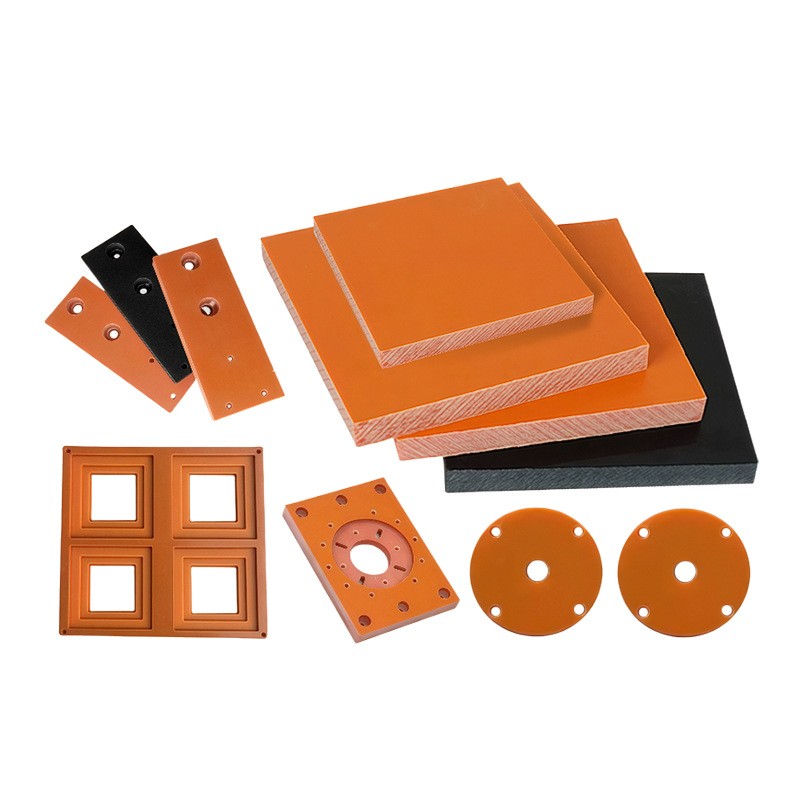
Unlike steel or aluminum, which have fixed material properties, FRP is a highly engineered composite. You can customize the resin type, the glass fiber orientation, and the core materials to meet the exact demands of a project. Exploring the various fiberglass reinforced plastics types reveals specialized formulations for fire retardance, UV resistance, and ballistic impact.
Furthermore, structural FRP doesn’t have to be a solid, heavy block. By utilizing a sandwich panel construction, you can achieve immense rigidity at a fraction of the weight. Analyzing the fiberglass honeycomb panels cost shows how engineers use these advanced geometries for aerospace and transit applications. This versatility also extends to logistics; durable FRP materials are often utilized in conjunction with heavy-duty Protective Shipping Packaging Materials to ensure safe global transit of sensitive industrial equipment.
8. Streamlined Logistics and Ease of Installation
Finally, the practical, on-the-ground benefits of using FRP panels revolve around labor and logistics. Because FRP is lightweight, shipping costs are significantly lower compared to transporting heavy steel beams or dense concrete slabs.
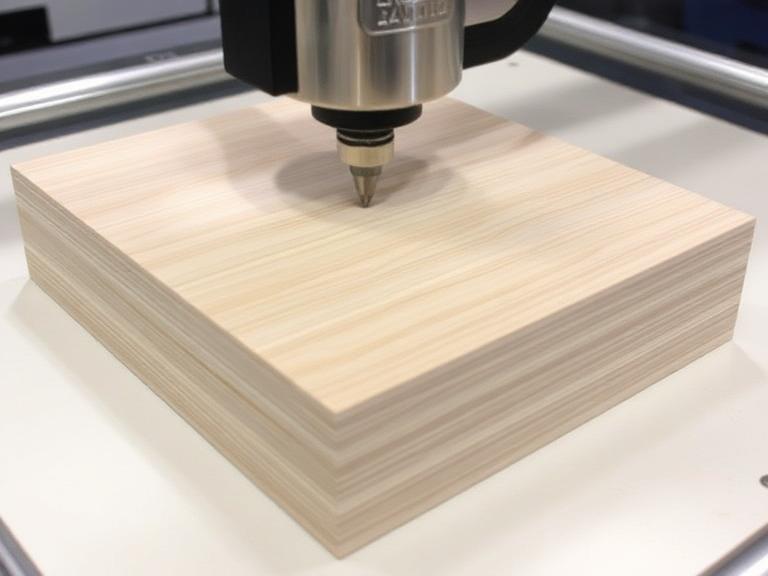
On the job site, FRP is easy to work with. It does not require torches, specialized welding equipment, or heavy cranes. It can be cut, drilled, and routed using standard high-speed carbide tools. This drastically reduces labor costs and accelerates project timelines. We continually see contractors shave weeks off their construction schedules simply by pivoting from welded steel grating and paneling to prefabricated FRP systems.
Frequently Asked Questions
Absolutely. While the initial capital expenditure for FRP may be higher than untreated wood or mild steel, the total life-cycle cost is much lower. You are completely eliminating the recurring costs of rust-proofing, painting, and replacing degraded materials. Over a 10-year span, FRP is significantly more economical.
Standard unreinforced plastics will warp, but FRP is heavily reinforced with glass fibers that lock the polymer matrix into place. This gives it excellent dimensional stability. However, for outdoor applications, we recommend ensuring your FRP panels are manufactured with a UV-inhibiting gel coat to prevent long-term resin “blooming” or yellowing.
The fire performance of FRP depends entirely on the resin formulation. Standard polyester resins are combustible. However, for architectural and industrial applications, we mandate the use of Class A fire-retardant phenolic or specialized polyester resins that self-extinguish and produce low smoke, meeting strict building codes.
No, one of the main benefits of using FRP panels is their machinability. You can use standard carpentry tools. However, because fiberglass is highly abrasive, we strongly recommend using diamond-coated or carbide-tipped saw blades and drill bits to ensure clean cuts and prolong the life of your tooling.
Authoritative References
To further validate the engineering claims and benefits of using FRP panels outlined in this guide, we recommend consulting the following authoritative bodies regarding composite materials and industrial standards:
- ASTM International – Composites Standards: Providing globally recognized testing protocols for the mechanical and thermal properties of reinforced plastics.
- U.S. Department of Energy – Insulation Materials: Outlining the energy efficiency and thermal dynamic capabilities of modern composite insulations.
- National Institute of Standards and Technology (NIST) – Polymer Matrix Composites: Detailing extensive research on the life-cycle durability and structural integrity of FRP formulations.