Original Equipment Manufacturers (OEMs) face a brutal reality when designing high-voltage systems: over-specify your insulation, and your product prices itself out of the market; under-specify it, and you face catastrophic product recalls, electrical fires, and severe liability. Sourcing the correct rigid and flexible dielectrics is not merely a purchasing exercise—it is the foundational engineering decision that dictates the safety and lifespan of your product.
From our experience supplying Tier-1 manufacturers, the majority of OEM design failures stem from fundamentally misunderstanding the mechanical and thermal limits of standard dielectrics. A material that performs flawlessly in a dry, low-voltage consumer electronic device will rapidly fail due to carbon tracking in a humid, medium-voltage switchgear application. In this technical guide, we will cut through generic sales literature, dissect the performance of the core 5 Electrical Insulation Materials for OEM Applications, and provide commercial and practical judgment on exactly which material belongs in your next production run.
Quick Answer: The Best OEM Insulation Materials
If you are an OEM engineer finalizing a Bill of Materials, your top 5 Electrical Insulation Materials for OEM Applications are: 1) FR-4 / G-10 Epoxy Fiberglass for unmatched mechanical strength and low moisture absorption; 2) GPO-3 (Glass Polyester) for superior arc and track resistance in switchgears; 3) SMC (Sheet Molding Compound) for high-volume, complex 3D molded enclosures; 4) Polycarbonate for cold-formed, transparent barriers; and 5) Polyimide (Kapton) for high-temperature flexible circuits. For heavy-duty applications requiring structural rigidity, FR-4 and GPO-3 remain the undisputed industry standards.
Table of Contents
- What Are OEM Electrical Insulation Materials?
- How They Work: Dielectric Strength vs. Mechanical Load
- The 5 Electrical Insulation Materials for OEM Applications
- Benefits of Proper Material Selection
- Limitations and Trade-offs
- Who Should Use Which Material
- Common Mistakes in OEM Specification
- Critical Buying Considerations
- Essential Comparison Tables
- Expert Recommendation from SjcncinSulation
- The Bottom Line
- Frequently Asked Questions
- Authoritative References
What Are OEM Electrical Insulation Materials?
In the context of original equipment manufacturing, electrical insulation materials are non-conductive substrates engineered to isolate electrical currents, prevent arcing, and support conductive components structurally. Unlike standard construction plastics, these industrial-grade materials are synthesized to resist thermal degradation, chemical exposure, and mechanical stress while maintaining a high dielectric constant.
When reviewing the electrical insulation sheet materials available to OEMs, the landscape is broadly divided into thermoset composites (like epoxies and polyesters) and advanced thermoplastics. A thermoset cannot be remelted once cured, providing immense dimensional stability at high temperatures, whereas thermoplastics can be formed and bent, offering manufacturing flexibility.
How They Work: Dielectric Strength vs. Mechanical Load
An effective insulation material works by possessing tightly bound electrons that resist being pulled from their orbits by an external electric field. The metric defining this resistance is dielectric strength, typically measured in Volts per Mil (V/mil) or Kilovolts per Millimeter (kV/mm).
However, in most professional situations, the electrical properties are secondary to the mechanical properties. A phase barrier in a circuit breaker must withstand the explosive kinetic force of a short circuit. If the material shatters, the electrical insulation fails. Therefore, materials like those detailed in our g10 material properties analysis are heavily reinforced with woven glass fabric. The glass provides the tensile and flexural strength, while the epoxy resin provides the dielectric barrier and prevents moisture ingress.
The 5 Electrical Insulation Materials for OEM Applications
1. FR-4 and G-10 (Epoxy Fiberglass Composites)
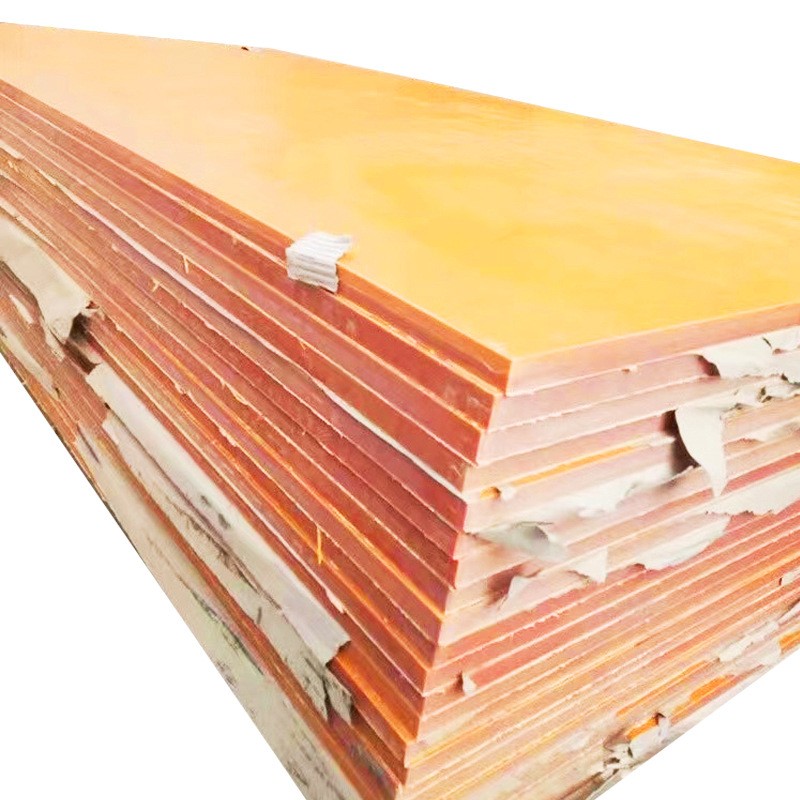
FR-4 and G-10 are the heavyweights of the electronics and power distribution industries. Composed of woven continuous glass fabric impregnated with an epoxy resin binder, these materials offer exceptional mechanical strength at room temperature and incredibly low moisture absorption. FR-4 includes a brominated flame retardant, giving it a UL94 V-0 rating. We recommend this material for terminal boards, printed circuit boards (PCBs), and structural supports in transformers. If you are scaling production, identifying reliable fr4 sheet manufacturers is a critical procurement step.
2. GPO-3 (Glass Polyester)
While FR-4 is mechanically superior, it is susceptible to carbon tracking when exposed to high-voltage arcing. GPO-3 solves this. It is a fiberglass-reinforced thermoset polyester material specifically formulated for superior arc and track resistance. In our testing, GPO-3 outperforms nearly all other rigid sheets in high-voltage switchgear phase barriers, bus bar supports, and transit applications. It punches cleanly and is significantly more cost-effective than epoxy-based sheets.
3. SMC (Sheet Molding Compound)
For high-volume OEMs, machining individual flat sheets of FR-4 is economically unviable. SMC composite materials are a mixture of polymer resin, inert fillers, and chopped glass fibers that are compression-molded under high heat and pressure. SMC allows OEMs to mold complex 3D shapes—such as complete electrical enclosures, meter boxes, and heavy-duty insulators—in a single press cycle. The initial tooling cost is high, but the per-part cost at scale is exceptionally low.
4. Polycarbonate (Lexan/Makrolon)
Polycarbonate is an amorphous thermoplastic known for its extreme impact resistance and optical clarity. In electrical OEM applications, it is utilized as transparent dead-front covers, touch-safe barriers, and insulating shields where technicians need visual confirmation of internal components. Unlike thermosets, polycarbonate can be cold-bent in a brake press without cracking, allowing for rapid, low-cost fabrication of protective guards.
5. Polyimide Film (Kapton)
For applications where space and weight are strictly limited, rigid sheets are useless. Polyimide films offer staggering dielectric strength (up to 7,000 V/mil) at microscopic thicknesses. Crucially, polyimide can withstand continuous operating temperatures exceeding 260 Degrees Celsius (500 Degrees Fahrenheit) without melting or burning. It is the mandatory insulation for traction motors, aerospace wire wrapping, and flexible printed circuits.
Benefits of Proper Material Selection
Selecting the exact specification from the available Electrical Insulation Materials for OEM Applications guarantees three commercial advantages: Liability Mitigation (preventing catastrophic shorts and fires), Assembly Efficiency (choosing a material that CNC machines or molds cleanly without excessive tool wear), and Product Miniaturization (higher dielectric strength allows engineers to place conductive traces closer together, shrinking the overall footprint of the device).
Limitations and Trade-offs
There is no universal insulator. We must apply commercial and practical judgment: FR-4 is too expensive and heavy for disposable consumer electronics. Polycarbonate, while highly impact-resistant, suffers from poor chemical resistance and will crack if exposed to certain industrial solvents. SMC requires massive capital expenditure for steel compression molds, making it entirely inappropriate for low-volume prototyping or customized runs. You must evaluate the fiberglass reinforced plastics types against your specific volume requirements.
Who Should Use Which Material
For commercial users and high-volume manufacturers: SMC is the undisputed choice. Once the mold is cut, producing thousands of identical, highly insulated enclosures is incredibly fast and cheap.
For heavy-duty applications (Switchgear & Traction): GPO-3 and FR-4 are mandatory. When dealing with medium to high voltage, the structural rigidity and arc resistance of these glass-reinforced thermosets are non-negotiable.
Common Mistakes in OEM Specification
The most frequent error we see is OEMs specifying G-10 instead of FR-4 for indoor electronics, assuming they are identical. While mechanically similar, G-10 is not inherently flame retardant. If your product requires a UL94 V-0 flammability rating, using standard G-10 will cause your product to fail regulatory certification.
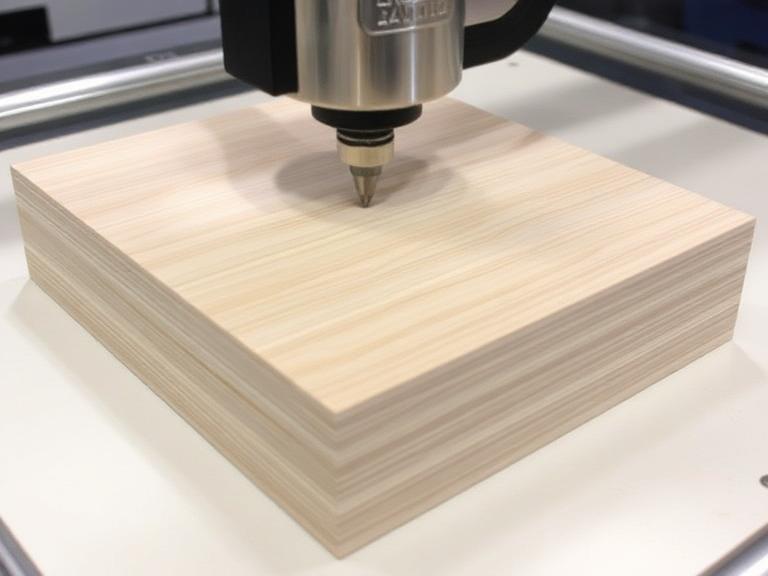
Another common mistake is ignoring the cost of fabrication. Engineers often specify ultra-thick epoxy sheets for simple low-voltage barriers. While safe, machining thick fiberglass rapidly degrades tungsten carbide CNC routers. Using a thinner, easily punched material like GPO-3 or Polycarbonate significantly reduces manufacturing overhead.
Critical Buying Considerations
Before issuing a purchase order to epoxy fiberglass sheet manufacturers, you must conduct a thorough epoxy sheet price analysis and verify the following:
- UL Certification Traceability: The material supplier must provide a valid “Yellow Card” confirming the material’s flammability and electrical tracking ratings.
- Thickness Tolerances: In tight OEM assemblies, a sheet that varies by 0.5mm can ruin the structural fit. Demand tight thickness tolerances.
- Supply Chain Volatility: Base resin prices fluctuate. Reviewing the comprehensive fiberglass sheets 4×8 price trends will help you lock in contracts before raw material spikes occur.
Essential Comparison Tables
Quick Summary Table: Material Selection
| Material Type | Primary Advantage | Ideal OEM Application |
|---|---|---|
| FR-4 / G-10 | High Tensile Strength, Low Moisture | PCBs, Relays, Transformer Supports |
| GPO-3 | Superior Arc & Track Resistance | Medium Voltage Switchgear Barriers |
| SMC | High-Volume 3D Moldability | Electrical Enclosures, Meter Boxes |
| Polycarbonate | Transparency & Cold Bending | Dead-front Covers, Touch-Safe Guards |
| Polyimide Film | Extreme Heat Resistance & Thinness | Traction Motors, Flexible Circuits |
Comparison Table: Technical Specifications
| Material | Dielectric Strength (V/mil) | Max Operating Temp (Celsius) | Relative Cost (Sheet/Volume) |
|---|---|---|---|
| FR-4 Epoxy | 500 – 800 | 130 – 140 C | High |
| GPO-3 Polyester | 350 – 450 | 105 – 130 C | Medium |
| Polycarbonate | 380 – 400 | 115 C | Low – Medium |
| Polyimide Film | 4,000 – 7,000 | 260 C + | Very High |
Pros and Cons Table: Rigid Thermosets vs. Thermoplastics
| Category | Pros | Cons |
|---|---|---|
| Thermosets (FR-4, GPO-3) | Will not melt under extreme heat; massive structural rigidity. | Cannot be thermoformed or bent; must be CNC machined or punched. |
| Thermoplastics (Polycarbonate) | Can be heated, bent, and cold-formed easily; highly impact resistant. | Will melt and deform at high temperatures; susceptible to solvent cracking. |
Buying Guide Table: Procurement Strategy
| Production Volume | Recommended Sourcing Strategy | Example Material Focus |
|---|---|---|
| Low Volume / Prototyping (1-100 units) | Purchase standard 4×8 flat sheets and CNC route in-house. | FR-4, GPO-3 Sheets (fiberglass sheets cost guide) |
| Medium Volume (100-5,000 units) | Outsource custom punching and stamping to specialized fabrication houses. | GPO-3, Polycarbonate |
| High Volume (10,000+ units) | Invest in steel tooling for compression molding. | SMC (Sheet Molding Compound) |
Expert Recommendation from SjcncinSulation
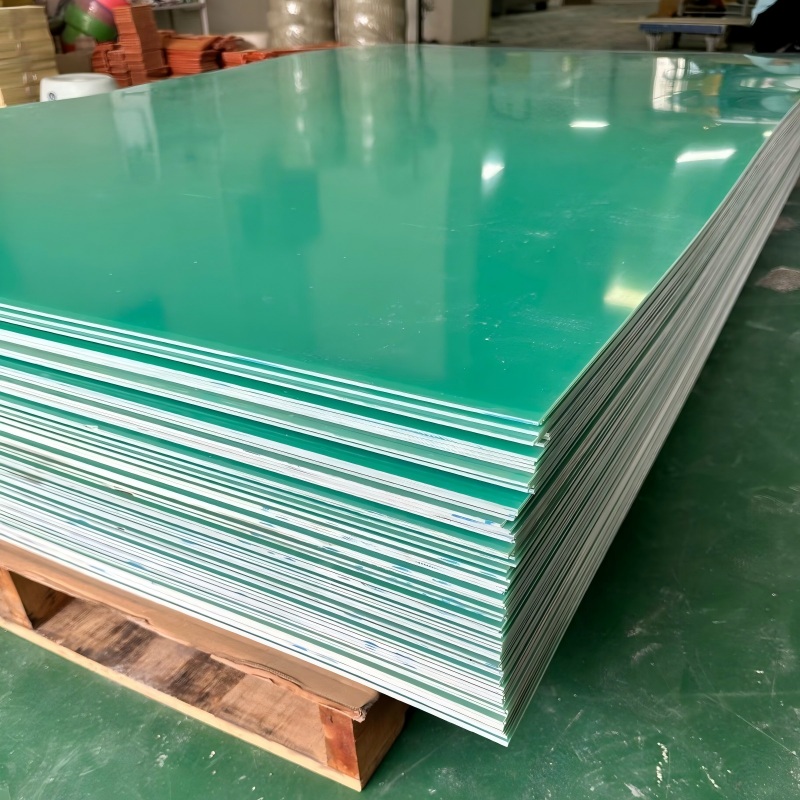
In most professional situations, treating electrical insulation as an afterthought during the design phase results in massive supply chain bottlenecks later. If you are scaling an OEM product, you need a partner capable of executing both raw material synthesis and precision fabrication.
SjcncinSulation is a modern manufacturing enterprise specializing in the production, processing, sales, and service of insulation materials and plastic sheets. The company is located in Houqiao Industrial Park, Xinwu District, Wuxi City, Jiangsu Province, China. We are supported by a young and highly skilled team of engineers with strong R&D capabilities, as well as a professional sales team.
We recommend that OEMs stop purchasing oversized, generic sheets from secondary distributors. By working directly with SjcncinSulation, we can engineer custom thicknesses, execute precision CNC routing, and deliver ready-to-assemble components straight to your assembly line. Whether you are analyzing fiberglass honeycomb panels cost for weight reduction, or estimating structurally insulated panel cost for large-scale housing, our direct-from-factory model ensures absolute material traceability and significantly reduces your overall procurement costs.
The Bottom Line
Are the premium Electrical Insulation Materials for OEM Applications actually worth buying? Absolutely. Attempting to cut costs by using subpar plastics in high-voltage or structurally demanding environments is a guaranteed path to product failure. By understanding the specific mechanical and dielectric thresholds of FR-4, GPO-3, SMC, Polycarbonate, and Polyimide, you can specify exactly what your application demands without overpaying for unnecessary performance. Partner with verified manufacturers, demand UL certifications, and ensure your components are machined to exact tolerances to safeguard your final OEM product.
Frequently Asked Questions
What is the difference between FR-4 and G-10 insulation materials?
Both FR-4 and G-10 are epoxy-based fiberglass laminates with exceptional mechanical and electrical properties. The critical difference is that FR-4 contains bromine, making it inherently flame retardant (UL94 V-0 rated). G-10 does not contain these flame retardants. In modern OEM applications, FR-4 has largely replaced G-10 where fire safety is a regulatory requirement.
Why is GPO-3 preferred over FR-4 for switchgear applications?
GPO-3 is a polyester-based fiberglass composite that possesses superior arc and carbon track resistance compared to epoxy-based FR-4. In high-voltage switchgears, electrical arcing can leave conductive carbon trails on the surface of epoxy, leading to short circuits. GPO-3 resists this carbonization, making it safer for medium and high-voltage phase barriers.
Can I bend or form FR-4 or GPO-3 sheets?
No. FR-4 and GPO-3 are thermoset plastics. Once the resin is cured during the manufacturing process, it becomes permanently rigid. Attempting to heat and bend these materials will cause them to burn, delaminate, or shatter. If your OEM design requires angled or curved barriers, you must either machine separate pieces and join them, or switch to a thermoplastic like Polycarbonate.
Authoritative References & Industry Standards
To ensure our engineering recommendations align with global safety and manufacturing compliance, we reference data and guidelines from the following authoritative organizations:
- National Electrical Manufacturers Association (NEMA) – Standards for Industrial Laminated Thermosetting Products
- Institute of Electrical and Electronics Engineers (IEEE) – Standards for Electrical Insulation and Dielectric Phenomena
- UL Solutions – Plastics and Components Testing for Flammability (UL94) and Electrical Tracking