In the highly technical realm of composite laminates and electrical insulation, specifying the correct material is the most critical step in hardware engineering. Two of the most commonly discussed and frequently confused materials in the National Electrical Manufacturers Association (NEMA) specification family are G10 and FR4. At Sjcncinsulation, our engineering team fields questions daily from procurement managers and design engineers seeking absolute clarity on the differences between G10 and FR4 material.
Sjcncinsulation is a modern manufacturing enterprise specializing in the production, processing, sales, and service of insulation materials and plastic sheets. The company is located in Houqiao Industrial Park, Xinwu District, Wuxi City, Jiangsu Province, China. We are supported by a young and highly skilled team of engineers with strong R&D capabilities, as well as a professional sales team.
Both materials are high-pressure thermoset plastic laminate grades that consist of a woven continuous glass fabric base impregnated with an epoxy resin binder. They possess extraordinary mechanical strength, excellent electrical insulation properties, and retain their dimensions under severe environmental stress. Because they look and behave similarly in basic structural applications, the differences between G10 and FR4 material are often overlooked. However, substituting one for the other in specialized, heavily regulated environments can lead to catastrophic hardware failures, regulatory non-compliance, and severe safety hazards.
From our experience manufacturing these laminates in our Wuxi City facility, we recommend that engineers thoroughly understand the chemical and regulatory distinctions before finalizing a bill of materials. In this comprehensive guide, we will analyze the exact differences between G10 and FR4 material, outline their specific use cases, and provide an expert purchasing framework to ensure your next engineering project utilizes the optimal composite substrate.
Table of Contents
- Summary Table: Differences Between G10 and FR4 Material
- 1. Flame Retardancy and Halogen Content
- 2. UL Certifications and Safety Ratings
- 3. Primary Applications and Industry Scope
- 4. Market Availability and Sourcing Dynamics
- 5. Vacuum Outgassing and Aerospace Suitability
- 6. Machinability and Visual Characteristics
- Sjcncinsulation: Your Partner in Composite Materials
- Expert Recommendation: Which Should You Choose?
- Frequently Asked Questions (FAQs)
- Industry References
Summary Table: Differences Between G10 and FR4 Material
To provide immediate clarity, we have compiled a technical comparison matrix outlining the core differences between G10 and FR4 material. This table highlights the critical chemical and regulatory divergences between these two glass-epoxy laminates.
| Engineering Parameter | NEMA G-10 | NEMA FR-4 |
|---|---|---|
| Resin Base | Standard Epoxy Resin | Brominated (Halogenated) Epoxy Resin |
| Flame Retardancy | Not Flame Retardant (Flammable) | Self-Extinguishing (Flame Retardant) |
| UL 94 Flammability Rating | Typically Unrated or UL 94 HB | UL 94 V-0 |
| Vacuum Outgassing | Extremely Low (Ideal for High Vacuum) | Higher (Due to Bromine/Halogen off-gassing) |
| Primary Market Use | Cryogenics, Aerospace, Structural Supports | Printed Circuit Boards (PCBs), Consumer Electronics |
| Color Identity | Yellowish-green (Natural) | Yellowish-green to distinct green/custom colors |
Below, we detail the 6 foundational differences between G10 and FR4 material that every electrical, structural, and materials engineer must know.
1. Flame Retardancy and Halogen Content
The most absolute and defining aspect among the differences between G10 and FR4 material lies in their response to fire. The “FR” in FR4 explicitly stands for “Flame Retardant.” To achieve this property, the epoxy resin matrix of FR4 is chemically altered through the addition of halogens, most commonly bromine. When exposed to an open flame, the brominated epoxy initiates a chemical reaction that deprives the fire of oxygen, causing the material to self-extinguish rapidly.
Conversely, NEMA G10 utilizes a standard, non-halogenated epoxy resin. While G10 has excellent thermal endurance and will not melt, it is not inherently self-extinguishing. If subjected to a continuous, high-temperature flame, G10 will sustain combustion. From our experience, any application involving consumer electronics, high-voltage switchgear, or enclosed power distribution systems legally mandates the use of the flame-retardant FR4 over G10.
2. UL Certifications and Safety Ratings
Because of the chemical differences noted above, the regulatory classifications assigned to these laminates diverge significantly. One of the critical differences between G10 and FR4 material is their Underwriters Laboratories (UL) flammability rating.
FR4 is engineered specifically to meet the rigorous UL 94 V-0 standard. This standard requires that burning stops within 10 seconds on a vertical specimen, and there can be no flaming drips that could ignite surrounding materials. G10 cannot pass this test. It will typically only meet the UL 94 HB (Horizontal Burn) classification, which is a much lower standard indicating a slow burn rate on a horizontal specimen. When we supply our fr4 epoxy fiberglass rod products, we provide full certification guaranteeing UL 94 V-0 compliance, which is mandatory for modern electrical engineering sign-offs.
3. Primary Applications and Industry Scope
The differences between G10 and FR4 material naturally dictate entirely different industrial application scopes. Because FR4 is self-extinguishing and highly insulative, it has become the undisputed global standard substrate for Printed Circuit Boards (PCBs). Almost every computer, smartphone, and industrial controller in the world relies on an FR4 backbone.
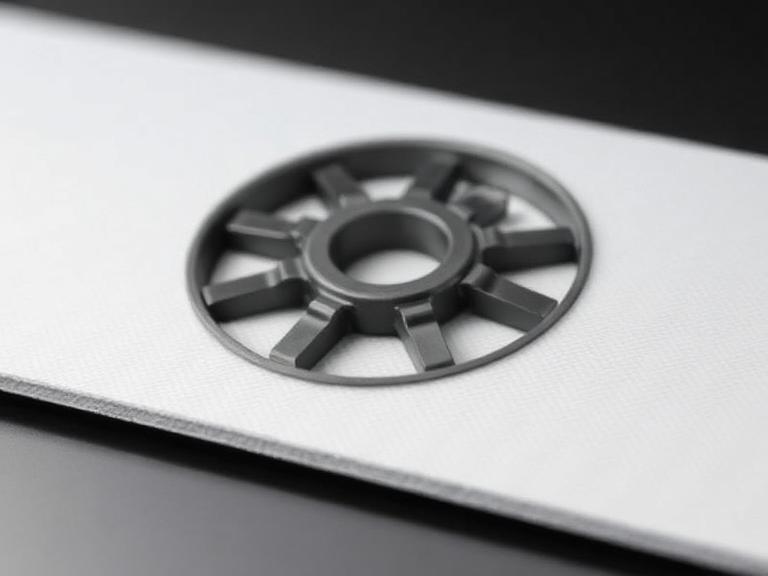
G10, unburdened by brominated additives, shines in extreme structural and specialized environmental applications. G10 is highly favored in cryogenic applications. At liquid helium temperatures, the halogens in FR4 can cause the material to become overly brittle, whereas G10 retains its mechanical toughness and dimensional stability. Furthermore, G10 is frequently selected for structural maritime components, high-strength gears, and terminal boards where flammability is not the primary engineering constraint. For a broader understanding of how composite substrates are utilized structurally, we suggest reviewing our insights on composite panel applications.
4. Market Availability and Sourcing Dynamics
Another major factor among the differences between G10 and FR4 material is global market availability. Decades ago, G10 was the standard glass-epoxy laminate. However, as the electronics industry expanded and safety regulations tightened, FR4 was developed as a safer, direct replacement for G10 in PCB manufacturing.
Because FR4 meets or exceeds the mechanical and electrical properties of G10 while adding flame retardancy, FR4 is now mass-produced on a staggering global scale. Consequently, FR4 is generally more affordable and significantly easier to source. True NEMA G10 is now considered a specialized, niche material. In many instances, if you order “G10” from a generic supplier without specifying strict non-halogen requirements, they will quietly ship FR4, as it is cheaper to stock one versatile inventory. We recommend dealing exclusively with verified fiberglass plastic panel suppliers who maintain strict material segregation and traceability.
5. Vacuum Outgassing and Aerospace Suitability
In aerospace, satellite manufacturing, and high-vacuum laboratory equipment, the chemical differences between G10 and FR4 material become critical to mission success. Materials placed in a hard vacuum will experience “outgassing,” a process where trapped volatile chemicals are released as gasses.
The brominated flame retardants used in FR4 are notorious for outgassing. If FR4 is used in a satellite, these outgassed bromines can condense on delicate optical lenses, solar panels, and sensitive sensors, causing catastrophic mission failure. Because G10 lacks these halogenated additives, it features exceptionally low outgassing rates. Therefore, authentic G10 remains the material of choice for aerospace engineering and deep-space applications.
6. Machinability and Visual Characteristics
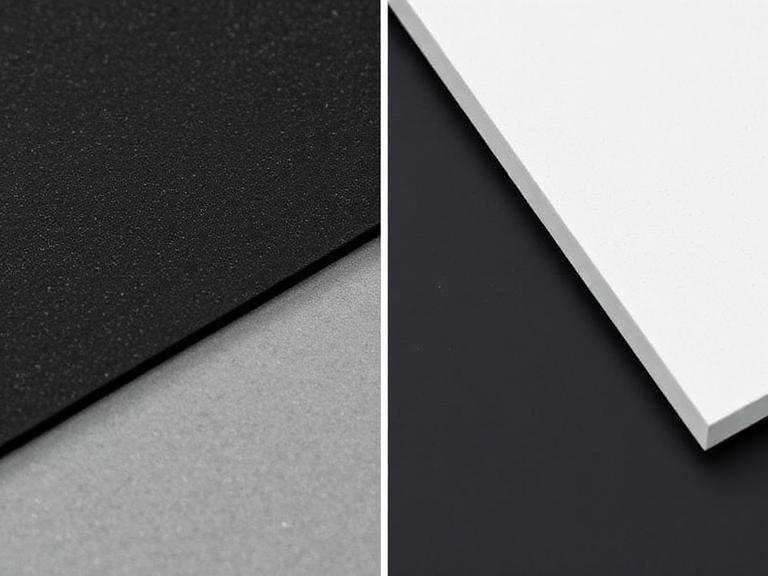
The final element in evaluating the differences between G10 and FR4 material relates to aesthetics and CNC machining behavior. Visually, pure G10 tends to have a pale, translucent, yellowish-green hue. FR4 is typically a darker, more opaque green, although modern manufacturing allows FR4 to be dyed in various colors (black, yellow, white) for branding or optical inspection purposes.
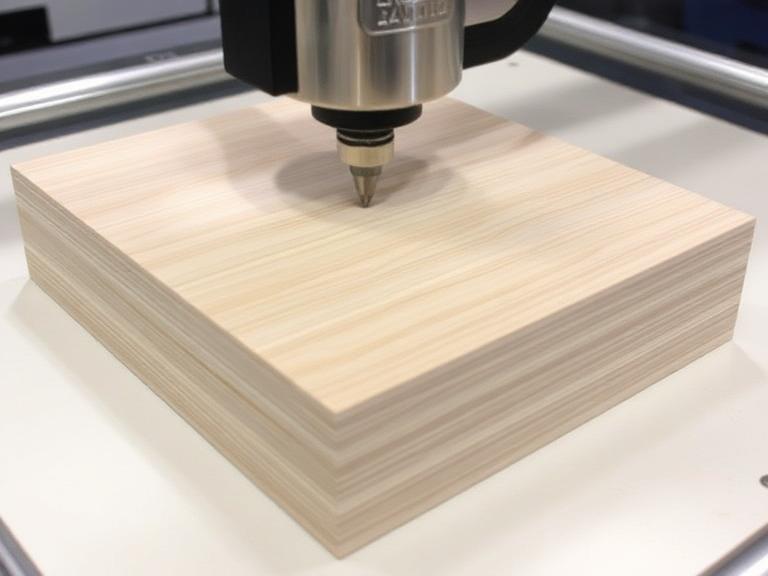
Regarding machinability, both materials share the identical woven glass fiber reinforcement. Consequently, both are highly abrasive to cutting tools. From our experience, machining either material requires specialized solid carbide or diamond-tipped tooling to prevent rapid edge wear and delamination. If you are calculating the costs of incorporating these rigid structures into broader architectural plans, integrating these materials requires understanding precise tooling costs. You can explore this further in our analysis on structurally insulated panel cost engineering.
Sjcncinsulation: Your Partner in Composite Materials
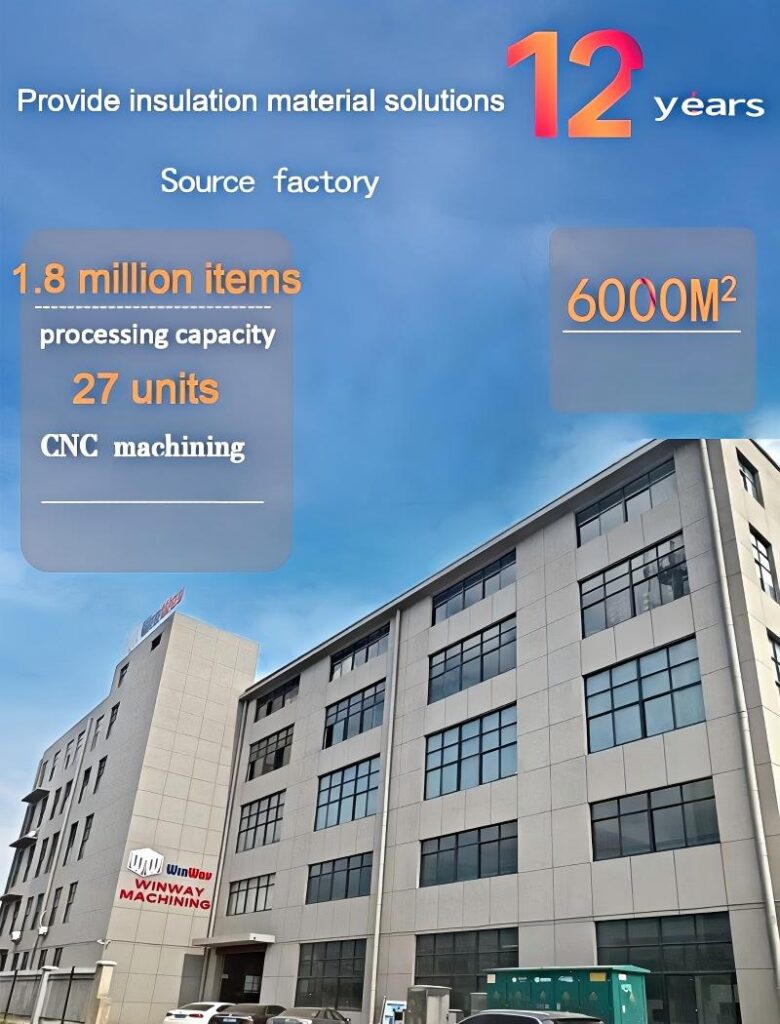
At Sjcncinsulation, our advanced manufacturing capabilities in Houqiao Industrial Park allow us to produce precise, compliant insulation materials tailored to your industry. Whether you require the high-vacuum purity of G10 or the rigorous fire-safety compliance of an epoxy fiberglass rod supplier providing FR4, our R&D team guarantees exact material chemistry.
Beyond glass-epoxy laminates, our facility is equipped to handle a vast array of polymer and composite needs. For applications requiring complex molded shapes and excellent electrical insulation, we manufacture top-tier smc composite materials. By utilizing a dedicated smc insulation board, engineers can achieve high-volume production of electrical enclosures and switchgear components that rival the strength of traditional laminates. Furthermore, for general structural composites, we invite you to read our frp fiberglass reinforced plastic guide to ensure you are maximizing the lifespan of your materials.
Expert Recommendation: When to Choose Which
From our experience, the decision matrix is remarkably straightforward once the differences between G10 and FR4 material are understood. We recommend FR4 for 95% of general engineering applications. If your project involves electrical currents, consumer goods, PCB fabrication, or requires UL safety certifications, FR4 is mandatory.
We recommend specifying true NEMA G10 only when your operational environment dictates it. If your components will be submerged in liquid nitrogen, deployed into the vacuum of space, or utilized in specialized non-flammable marine structures where bromine outgassing is a severe liability, G10 is the superior engineering choice.
Frequently Asked Questions (FAQs)
Industry References
To ensure our clients operate with the highest degree of engineering accuracy, the technical parameters discussed in this article are aligned with global standardization bodies. For further objective reading regarding material flammability and electrical laminate specifications, we advise consulting the following authoritative sources: