Navigating the complex procurement landscape of industrial composites demands more than a cursory glance at supplier price lists. In 2026, global supply chains, fluctuating petrochemical markets, and advancing manufacturing technologies have created a highly volatile pricing environment. If you are a procurement manager, project engineer, or a large-scale manufacturer, understanding the true Fiberglass sheets and resin cost is absolutely critical to safeguarding your profit margins and ensuring structural integrity in your final products.
We refuse to sugarcoat the reality of the composites market: cheap materials yield cheap, unreliable results. From our experience, attempting to shave a few dollars off your raw material budget by opting for inferior polyester resins or low-density glass mats inevitably leads to catastrophic delamination, electrical failure, and massive recall expenses down the line. When you are engineering components for aerospace, marine, or high-voltage electrical applications, there is simply no room for compromise.
In this authoritative and highly opinionated guide, we will dissect the macroeconomic factors driving the Fiberglass sheets and resin cost this year. We will examine the specific pricing tiers of various resin systems, break down the structural differences in pre-cured industrial laminates, and provide you with a bulletproof strategy for optimizing your procurement budget without sacrificing a single ounce of quality.
Table of Contents
- The Macro-Economics Influencing the 2026 Market
- Dissecting the Resin Matrix: Polyester, Vinyl Ester, and Epoxy
- Pre-Cured Structural Sheets: The Cost of FR4 and G10
- Beyond Sheets: Sourcing Epoxy Fiberglass Rods
- Summary Table: Average Fiberglass Sheets and Resin Cost
- Expert Procurement Strategy: How to Optimize Your Budget
- About SjcncinSulation
- Frequently Asked Questions (FAQs)
- Industry References
The Macro-Economics Influencing the 2026 Market
To accurately forecast the Fiberglass sheets and resin cost, you must first understand the geopolitical and economic forces at play in 2026. The foundational chemicals required to produce epoxy and polyester resins—namely bisphenol-A (BPA), epichlorohydrin, and various glycols—are deeply tied to the global petroleum index. As crude oil prices experience localized spikes due to transport bottlenecks, the downstream effect on raw resin pricing is immediate and unforgiving.
Furthermore, the energy-intensive process of spinning molten silica into glass fibers has seen price increases in regions grappling with strict carbon-tax implementations and grid instability. However, it is not all bad news. Advancements in high-efficiency pultrusion and automated lamination processes have offset some of these raw material price hikes. Manufacturers who have invested heavily in automated, low-waste facilities are currently offering highly competitive rates. This means that your choice of manufacturing partner dictates your final cost far more today than it did five years ago.
Dissecting the Resin Matrix: Polyester, Vinyl Ester, and Epoxy
When calculating your internal manufacturing expenses, you must differentiate between the three primary resin systems. The resin you select acts as the binder that transfers mechanical loads between the glass fibers. Choosing the wrong matrix is a fatal engineering error.
Polyester Resin: This is the cheapest option on the market, heavily utilized in the consumer marine industry and for non-structural architectural cladding. While it keeps your initial Fiberglass sheets and resin cost exceptionally low, it suffers from severe shrinkage during the curing phase and possesses terrible micro-cracking resistance. We strongly advise against using polyester resin for any application requiring high dimensional stability or electrical insulation.
Vinyl Ester Resin: Sitting in the middle of the price spectrum, vinyl ester provides excellent corrosion resistance and represents a massive upgrade in tensile strength over standard polyester. It is the go-to choice for chemical storage tanks and underground pipelines. If your budget is tight but you cannot compromise on chemical resistance, vinyl ester is a highly practical compromise.
Epoxy Resin: Epoxy is the undisputed gold standard of the composites world. It offers virtually zero shrinkage, massive mechanical adhesion, and exceptional thermal and electrical properties. Yes, the upfront cost of epoxy resin is significantly higher. However, we recommend looking at the total lifecycle cost of your component. Parts manufactured with epoxy matrices outlast their polyester counterparts by decades. If you are operating in the high-voltage electrical sector or the aerospace industry, sourcing premium epoxy systems from top-tier epoxy fiberglass sheet manufacturers is non-negotiable.
Pre-Cured Structural Sheets: The Cost of FR4 and G10
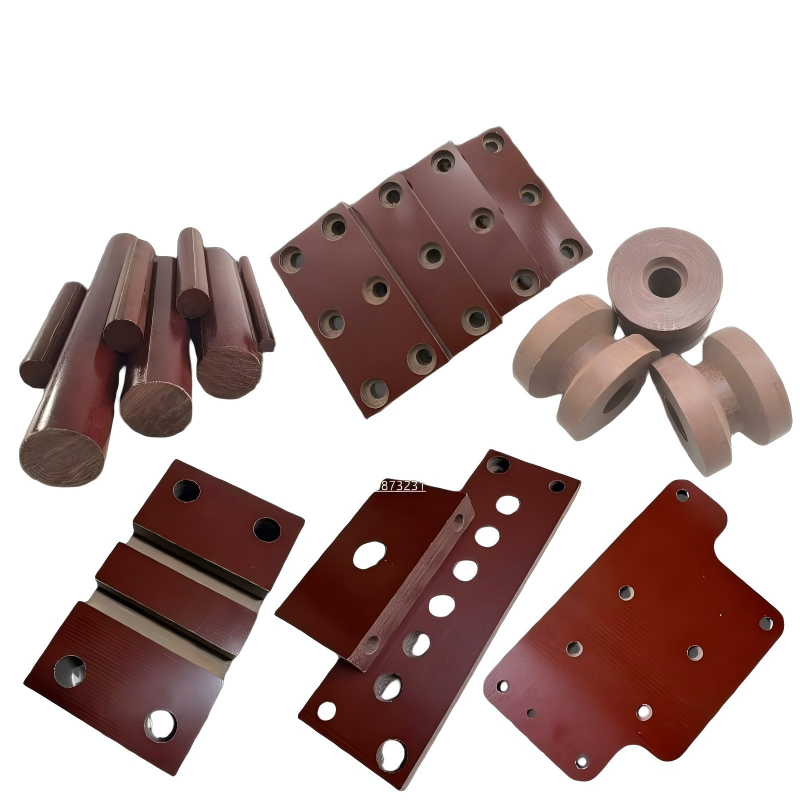
Many procurement teams do not lay up their own fiberglass; instead, they purchase pre-cured, rigid industrial laminates to machine into specialized parts. The two heavyweights in this arena are G10 and FR4. Both are composed of a continuous woven glass fabric impregnated with an epoxy resin binder, cured under immense heat and pressure.
G10 is renowned for its sheer mechanical strength and lack of moisture absorption, making it vital for underwater robotics and high-stress structural supports. If you want to understand the exact specifications driving its price tag, we suggest reviewing the comprehensive g10 material properties. FR4 is essentially the same robust material but includes a bromine-based flame retardant, making it the global standard for printed circuit boards (PCBs) and critical electrical enclosures.
When assessing the Fiberglass sheets and resin cost for these pre-cured panels, thickness, sheet size, and copper-cladding requirements dictate the final invoice. For a detailed breakdown of standard panel sizing economics, examining the current fiberglass sheets 4×8 price will give you a baseline for standard 2026 market rates. We recommend engaging directly with specialized fr4 sheet manufacturers to negotiate bulk pricing, rather than purchasing through third-party distributors who inflate the cost with heavy markups.
Beyond Sheets: Sourcing Epoxy Fiberglass Rods
While flat sheets dominate the market volume, pultruded and centerless ground fiberglass rods are equally vital for high-voltage standoffs, antenna housings, and mechanical driveshafts. The manufacturing process for a void-free, perfectly concentric rod requires immense precision.
If you require components with high flexural strength and excellent dielectric properties, an fr4 epoxy fiberglass rod is the industry benchmark. Because the glass fibers in these rods are perfectly aligned along the longitudinal axis during the pultrusion process, they exhibit incredible tensile strength. To ensure you are receiving rods free of internal air voids—which can lead to catastrophic electrical arcing—you must source your materials from a vetted, technologically advanced epoxy fiberglass rod supplier.
Summary Table: Average Fiberglass Sheets and Resin Cost
To provide immediate clarity on the 2026 pricing landscape, we have compiled a responsive summary table detailing the estimated wholesale costs for bulk industrial procurement. Please note that these figures are baseline estimates and will fluctuate based on order volume and exact resin formulations.
| Material Type / Component | Primary Application | Estimated 2026 Wholesale Cost (USD) | Market Volatility Risk |
|---|---|---|---|
| Standard Polyester Resin (Liquid) | General marine, non-structural molds | $1.80 – $2.50 per lb | High (Tied directly to crude oil) |
| Premium Epoxy Resin (Liquid) | Aerospace, structural bonding, electrical | $4.50 – $6.50 per lb | Medium (Specialty chemical supply) |
| G10 / FR4 Sheet (1/4″ thick, 4×8 panel) | Electrical insulation, PCB substrates | $180.00 – $240.00 per panel | Low (Stable manufacturing output) |
| FR4 Epoxy Fiberglass Rod (1″ diameter) | High-voltage standoffs, mechanical shafts | $8.00 – $12.00 per linear foot | Low (Highly automated production) |
| Phenolic Resin Sheets (Bakelite) | Low-voltage switchgear, tooling jigs | $110.00 – $150.00 per panel | Low |
Expert Procurement Strategy: How to Optimize Your Budget
From our experience consulting with massive industrial operations, the easiest way to control your Fiberglass sheets and resin cost is through strategic, consolidated purchasing. Do not buy your resins from one supplier, your glass mats from another, and your pre-cured structural panels from a third. Fragmentation destroys your negotiating leverage and quadruples your freight expenses.
We recommend partnering with a comprehensive manufacturer that produces a wide array of industrial insulation materials under one roof. If your assembly line requires G10 structural supports, but your tooling department requires cost-effective Bakelite jigs, finding elite phenolic resin sheet suppliers who also extrude high-grade epoxy rods allows you to consolidate your purchase orders. By consolidating, you can leverage volume discounts, guarantee color and material consistency across your entire product line, and drastically reduce the logistical nightmare of tracking international shipping containers from multiple vendors.
SjcncinSulation is a modern manufacturing enterprise specializing in the production, processing, sales, and service of insulation materials and plastic sheets. The company is located in Houqiao Industrial Park, Xinwu District, Wuxi City, Jiangsu Province, China. We are supported by a young and highly skilled team of engineers with strong R&D capabilities, as well as a professional sales team.
Frequently Asked Questions (FAQs)
Why is epoxy resin significantly more expensive than polyester resin?
Epoxy resin requires a far more complex chemical synthesis process involving epichlorohydrin and bisphenol-A. Furthermore, epoxy systems require specialized amine or anhydride curing agents. This sophisticated chemistry yields a polymer with vastly superior mechanical strength, near-zero shrinkage, and incredible moisture resistance, justifying the higher Fiberglass sheets and resin cost for professional engineering applications.
Does the price of FR4 and G10 sheets fluctuate with crude oil prices?
Yes, but the volatility is buffered. While the raw epoxy resin used to impregnate the fiberglass cloth is petroleum-derived, a massive portion of the cost of an FR4 sheet lies in the energy required to bake and press the laminates under high pressure. Therefore, pre-cured sheets offer slightly more price stability than purchasing raw liquid resins by the drum.
How can I tell if a supplier is using inferior materials in their fiberglass sheets?
Cheaply manufactured fiberglass sheets often exhibit visible air voids, dry spots (where the resin failed to wet out the glass fibers), and inconsistent thickness tolerances. In extreme cases, inferior FR4 sheets will delaminate cleanly down the middle when subjected to minor machining or heat. Always demand comprehensive material test reports (MTRs) from your manufacturer before authorizing a bulk purchase.
Industry References
- United States Department of Energy. “Advanced Composites Manufacturing and Supply Chain Analysis.” Review Government Research
- Journal of Composite Materials. “Mechanical and Thermal Properties of Epoxy/Glass Fiber Laminates under High-Stress Environments.” Access the Academic Journal