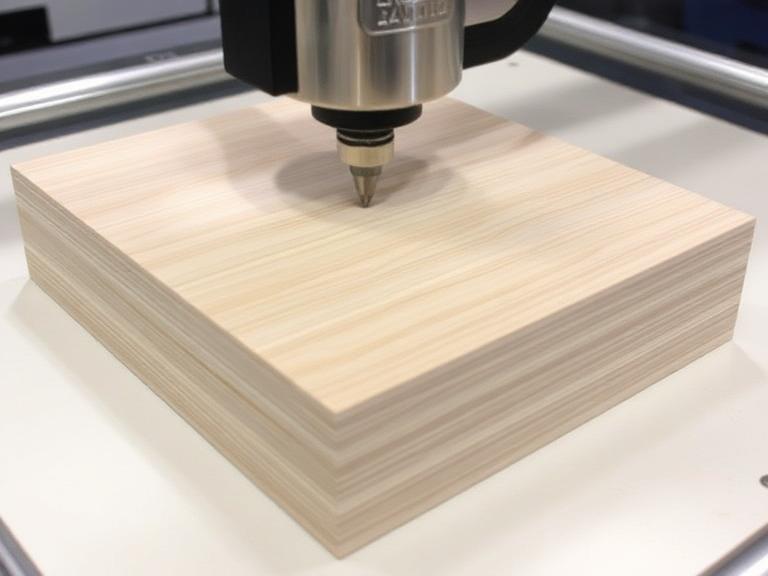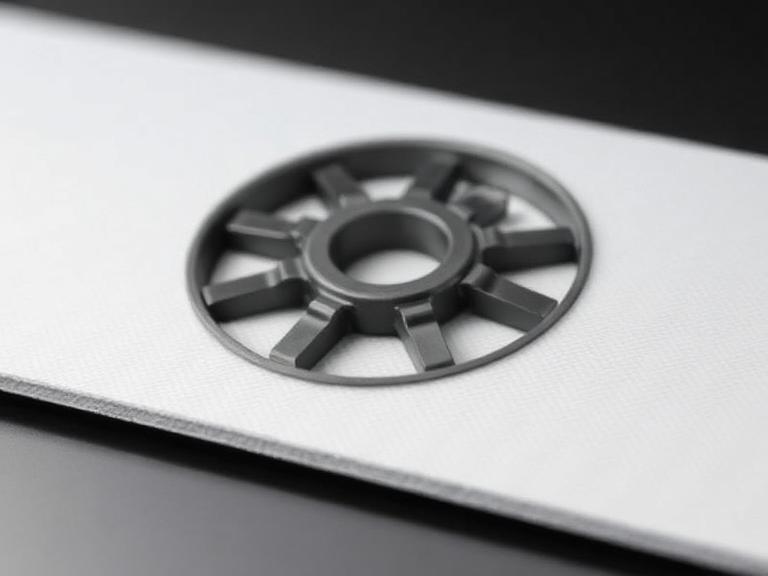
In the beating heart of modern manufacturing, petrochemical processing, and power generation, the selection of proper Industrial Insulation Materials dictates far more than basic energy efficiency. It is the definitive line of defense between operational stability and catastrophic, multi-million-dollar failures. From our experience auditing industrial facilities, the industry is smothered with generic options that look identical on a specification sheet but behave radically differently under severe thermal and mechanical stress.
Choosing the wrong material does not just increase your utility bills; it accelerates Corrosion Under Insulation (CUI), compromises the structural integrity of your pipeline systems, and creates extreme personnel hazards. In most professional situations, procurement teams rely heavily on basic R-values, treating industrial systems like residential attics. This is a severe error. This guide cuts through the marketing noise, providing you with commercial and practical judgment to specify, evaluate, and purchase the exact insulation systems required for demanding, high-stakes environments in 2026.
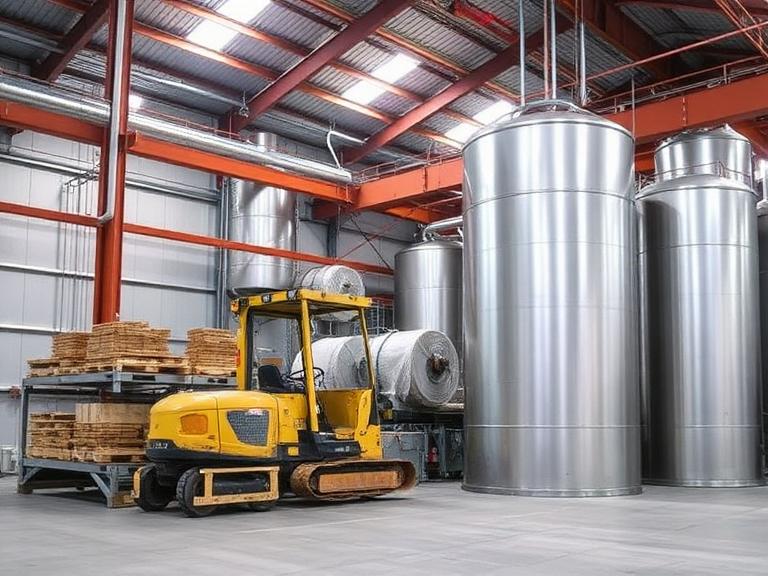
Quick Answer: How to Make the Right Choice
To correctly select Industrial Insulation Materials, you must evaluate the application against three absolute parameters: thermal limits, moisture resistance, and mechanical load.
- Thermal Limits: Identify both the continuous operating temperature and the maximum transient spike temperature. Do not specify a material that degrades during system startups or shutdowns.
- Moisture Resistance: If the system operates outdoors or cycles through dew points, you must prioritize hydrophobic materials (like cellular glass or specific closed-cell composites) to prevent catastrophic Corrosion Under Insulation (CUI).
- Mechanical Strength: For pipe supports, heavy machinery mounts, and areas subject to foot traffic, avoid crushable fibrous materials. We recommend utilizing structural insulators like smc composite materials or G10 epoxy resins.
Never base your decision solely on upfront cost. Always reference the updated ASTM C1696-2026 standards to ensure legal and operational compliance.
Table of Contents
- Direct Answer: The Selection Matrix
- What It Is: Industrial Insulation Defined
- How It Works: Thermal and Mechanical Dynamics
- The Commercial Benefits of Proper Selection
- Limitations and Risks of Specific Materials
- Who Should Use It & Who Does Not Need It
- Common Engineering Mistakes
- Buying Considerations & ASTM Standards
- Material Comparison Table
- Pros and Cons Table
- Expert Recommendation
- Frequently Asked Questions
Direct Answer: The Selection Matrix
Selecting Industrial Insulation Materials is an exercise in risk mitigation. You must balance the physical environment of the facility with the operational demands of the process equipment. A material that performs flawlessly in a climate-controlled semiconductor facility will fail catastrophically on an offshore oil rig. We recommend approaching selection through a strict matrix: evaluate thermal conductivity, chemical inertness, compressive strength, and water vapor permeability.
For heavy-duty applications, such as high-temperature steam lines or cryogenic LNG transport, the insulation must withstand aggressive temperature differentials (-320°F to 1200°F) without cracking or losing volume. Furthermore, the physical form of the material matters immensely. Blanket insulation (like mineral wool) is excellent for wrapping complex geometries but has zero load-bearing capacity. Rigid board stock, such as an smc insulation board, provides critical structural support while stopping thermal bridging at contact points.
What It Is: Industrial Insulation Defined
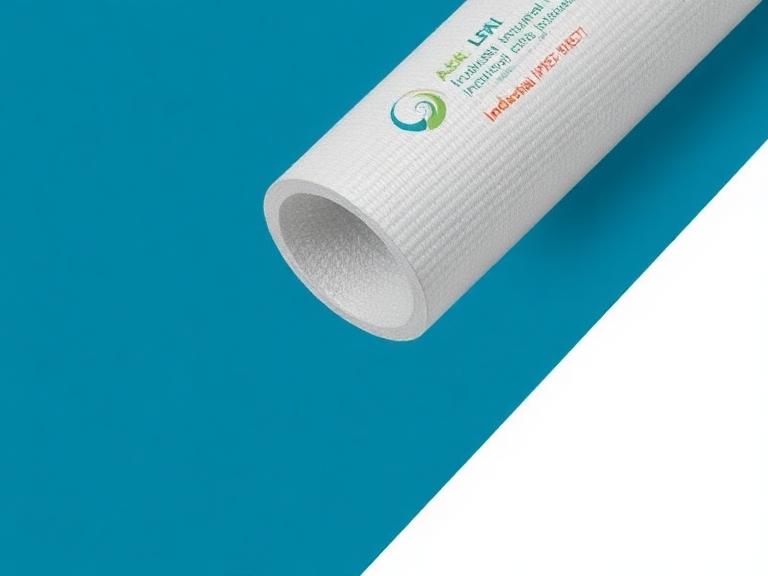
Industrial insulation materials are highly engineered composites, foams, and fibrous structures designed to restrict the flow of thermal energy (heat), acoustic energy (noise), or electrical current within commercial and heavy manufacturing facilities. Unlike commercial building insulation (which merely regulates ambient room temperature), industrial insulation is an active component of process control.
These materials range from hydrophobic mineral wools and calcium silicate pipes to advanced rigid thermoset plastics. When we discuss structural thermal breaks, we look toward specific composites. For instance, understanding g10 material properties reveals a glass-epoxy laminate that offers immense tensile strength alongside near-zero thermal and electrical conductivity, making it an indispensable industrial insulation material for structural mounts.
How It Works: Thermal and Mechanical Dynamics
Fundamentally, industrial insulation materials work by trapping gasses (usually air) in microscopic pockets to disrupt conduction and convection. Because air is a poor conductor of heat, immobilizing it within a solid matrix—whether that is a spun ceramic fiber or a closed-cell foam—drastically reduces thermal transfer.
However, how it works mechanically is just as vital. When heavy pipes expand and contract due to thermal cycling, the insulation must either flex with the movement or provide a frictionless, rigid barrier. Structural insulators, like those sourced from top epoxy fiberglass sheet manufacturers, prevent massive steel pipelines from transferring their extreme temperatures directly into the concrete or steel superstructures that support them. This halts thermal bridging, preventing localized condensation and subsequent structural degradation.
The Commercial Benefits of Proper Selection
For commercial users, the benefits of rigorous material selection directly impact the bottom line. Properly specified Industrial Insulation Materials deliver:
- Process Stability: Maintaining exact internal temperatures prevents fluids from freezing or vaporizing unexpectedly, ensuring consistent product quality.
- Drastic Energy Savings: High-efficiency materials with excellent R-values drastically reduce the energy required to heat or cool industrial processes, offering rapid ROI.
- Personnel Protection: Keeping exterior jacket temperatures below 140°F (60°C) prevents severe workplace burn injuries and ensures OSHA compliance.
- Equipment Longevity: By mitigating moisture ingress, superior insulation prevents Corrosion Under Insulation (CUI), saving millions in pipeline replacement costs.
Limitations and Risks of Specific Materials
No single insulation material is perfect for every scenario. The most severe limitation facing the industry is moisture susceptibility. Materials like standard mineral wool or open-cell polyurethane, if improperly jacketed, will act like a sponge. Once wet, they lose their insulating properties and hold corrosive water directly against the steel pipe, causing aggressive CUI.
Rigid materials like calcium silicate offer excellent high-temperature resistance and mechanical strength but are exceptionally heavy and brittle, complicating logistics and installation. If you specify a rigid structural insulator without accounting for vibration, it will shatter. In our testing, addressing vibration requires the strategic deployment of advanced composites. Integrating a fr4 epoxy fiberglass rod into the support structure can provide the necessary flexural strength while maintaining absolute thermal isolation.
Who Should Use It & Who Does Not Need It
Who should use it: Facility engineers, mechanical contractors, and procurement managers in petrochemical, power generation, cryogenic storage, aerospace, and food processing industries. Anyone operating equipment outside of ambient temperature ranges must utilize strictly specified industrial insulation.
Who does not need it: For beginners or residential contractors dealing with standard home HVAC ductwork or basic wall cavities, industrial-grade calcium silicate or G10 composites are a massive waste of budget. Stick to standard fiberglass batts or commercial spray foams; the extreme temperature ratings of industrial materials offer zero benefit in a residential setting.
Common Engineering Mistakes
In most professional situations, we observe engineers making catastrophic errors during the specification phase. The most prominent mistake is focusing exclusively on the R-value while ignoring longevity and mechanical data. An insulation material might boast a phenomenal R-value on day one, but if it crushes under foot traffic or degrades due to thermal cycling, its operational R-value plummets to near zero within a year.
Another major error is failing to properly match the jacketing to the insulation core. ASTM C921 dictates strict requirements for insulation jacketing. Applying a porous jacket over a moisture-sensitive insulation material in an outdoor environment guarantees failure. Finally, many buyers balk at the fiberglass sheets 4×8 price, opting for cheaper, non-compliant alternatives for structural supports. This “cost-saving” measure inevitably leads to thermal bridging and structural failure, costing tenfold in repairs.
Buying Considerations & ASTM Standards
When you are ready to purchase Industrial Insulation Materials, your buying advice must be anchored in internationally recognized standards. We highly recommend strictly adhering to the ASTM C1696-2026 guidelines. This standard covers the selection, design, application, and maintenance of thermal insulation for industrial applications ranging from –320°F to 1200°F (–195.5°C to 648.8°C).
You must evaluate the total life-cycle cost. Cheaper materials often require more expensive, complex jacketing to survive, negating any upfront savings. Furthermore, for structural applications where the insulation must physically support weight, you must demand comprehensive data on compressive strength and flexural modulus. Understanding composite panel applications will help you delineate between materials meant for thermal wrapping versus materials meant for load-bearing thermal isolation.
Material Comparison Table
| Material Type | Temperature Range | Compressive Strength | Moisture Resistance | Best Industrial Use Case |
|---|---|---|---|---|
| Mineral Wool | -20°F to 1200°F | Very Low | Poor (Requires Jacketing) | High-temperature piping; acoustic dampening. |
| Cellular Glass (Foamglas) | -450°F to 900°F | High | Excellent (100% Closed Cell) | Cryogenic systems; direct-buried pipelines. |
| Calcium Silicate | Up to 1200°F | High | Moderate | High-heat environments requiring mechanical abuse resistance. |
| SMC / G10 Composites | Up to 300°F – 400°F | Extreme | Excellent | Structural thermal breaks; heavy machinery mounts; electrical isolation. |
Pros and Cons Table: Fibrous vs. Rigid Insulation
| Form Factor | Pros | Cons |
|---|---|---|
| Fibrous Blanket (e.g., Ceramic Fiber) | Highly flexible; easy to install on complex geometries; excellent thermal stability at extreme heat. | Zero load-bearing capacity; fibers can be hazardous if inhaled during installation; susceptible to crushing. |
| Rigid Board/Block (e.g., SMC, G10) | Can be walked on; supports massive structural loads; entirely weatherproof; reusable. | Limited to flat surfaces or specifically machined profiles; higher upfront material cost. |
Expert Recommendation
The industrial landscape is evolving rapidly, and the materials you specify today must withstand the operational intensities of tomorrow. We recommend moving away from legacy, porous insulations in areas prone to moisture and mechanical abuse. The risk of CUI and crushing is simply too severe. For heavy-duty applications, particularly at mounting points, pipe shoes, and structural intersections, upgrading to advanced rigid thermoset plastics is non-negotiable.
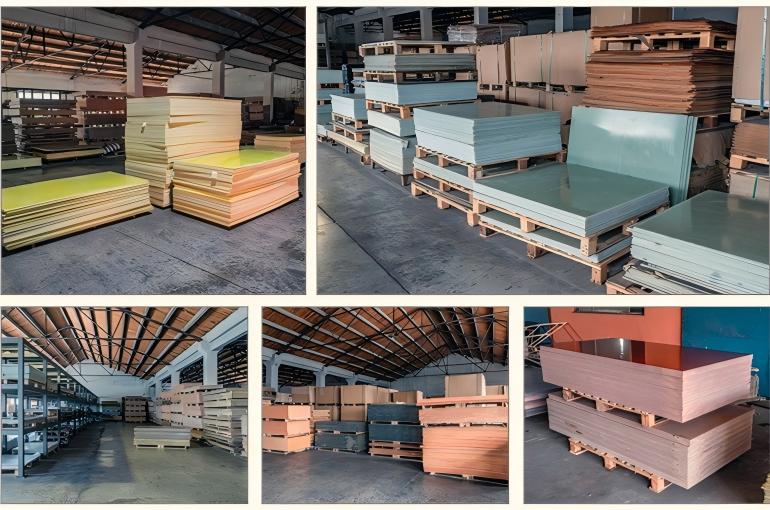
At Sjcncinsulation, a modern manufacturing enterprise specializing in the production, processing, sales, and service of insulation materials and plastic sheets located in Wuxi City, China, we see the undeniable value of high-performance composites. Supported by our highly skilled team of engineers and strong R&D capabilities, we firmly advocate for the integration of FR4, G10, and SMC boards as the structural backbone of your thermal management systems. Combining these advanced composites with high-efficiency thermal wraps ensures your facility achieves absolute compliance with ASTM standards while maximizing operational lifespan.
Frequently Asked Questions
What are the most important criteria when choosing Industrial Insulation Materials?
The most critical criteria include the maximum and continuous use temperature limits, resistance to moisture and vapor to prevent Corrosion Under Insulation (CUI), and compressive strength. Relying solely on R-value without considering mechanical durability is a severe engineering mistake.
How does ASTM C1696 impact the selection of Industrial Insulation Materials?
ASTM C1696-2026 provides the definitive guidelines for selecting, designing, and maintaining industrial thermal insulation systems operating between -320°F and 1200°F. It establishes strict protocols for assessing new materials, ensuring that safety, environmental, and thermal performance thresholds are legally met.
Why are rigid composite materials like SMC or G10 used in industrial insulation?
While fibrous materials like mineral wool handle thermal wrapping, rigid composites like SMC and G10 are used as structural thermal breaks. They combine excellent thermal insulation with massive mechanical load-bearing capacity, preventing heat transfer through pipe supports, flanges, and heavy machinery mounts.