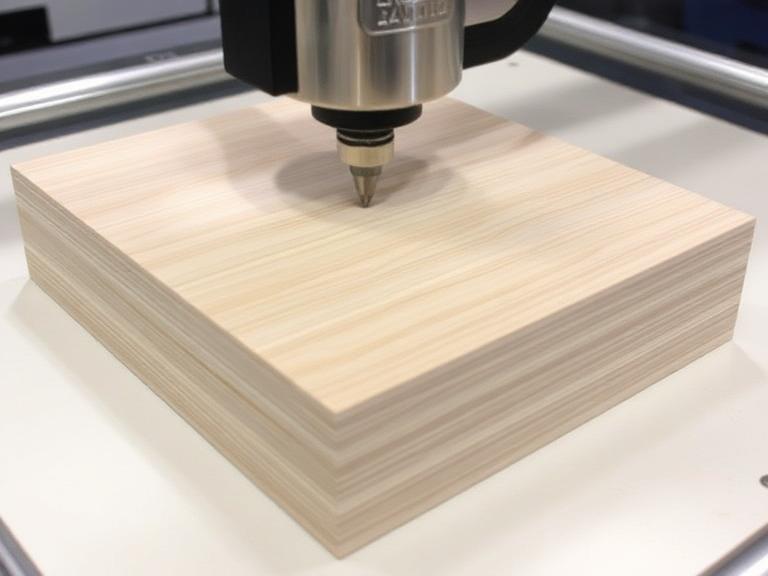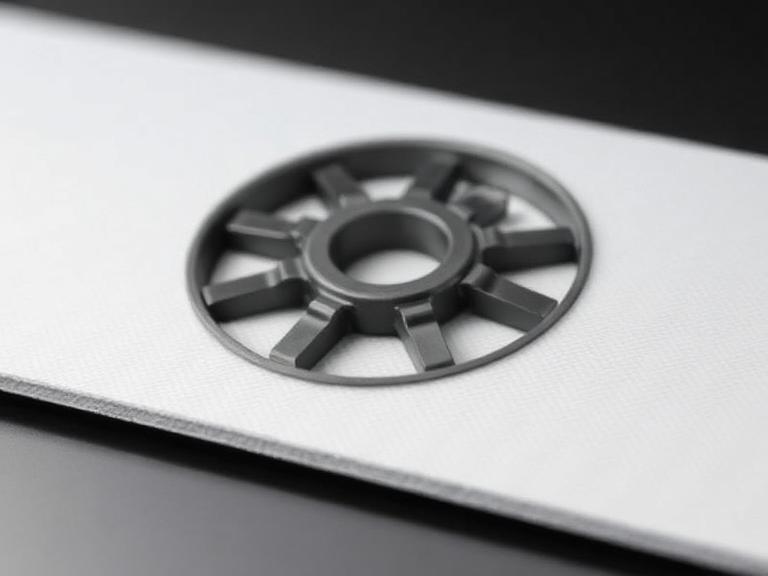
Navigating the industrial composites market requires precision. Specifying the wrong structural or insulating material for a high-load or high-voltage application does not just risk component failure; it jeopardizes the safety of entire electromechanical systems. Among the foundational engineering plastics, Phenolic Fabric Cotton Cloth (PFCC) materials—often historically referred to as Bakelite, Micarta, or Textolite—remain heavily utilized across legacy and modern manufacturing sectors.
From our experience working with OEM design engineers and procurement teams, there is widespread confusion regarding which exact grade of phenolic cotton laminate to use. The applications of PFCC materials differ drastically depending on the weave density of the cotton fabric and the specific phenolic resin matrix used. In most professional situations, choosing a coarse weave for a precision-machined part will result in severe delamination, while choosing a fine weave for a heavy-duty structural gear wastes your budget.
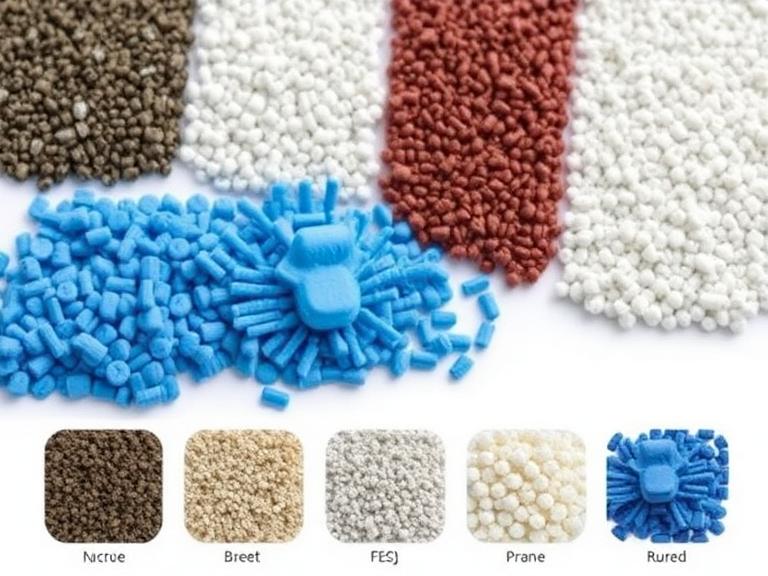
Quick Answer: What Are the Applications of PFCC Materials?
PFCC (Phenolic Fabric Cotton Cloth) materials are thermosetting composites made by impregnating woven cotton fabrics with phenolic resins under intense heat and pressure. The resulting material is incredibly rigid, wear-resistant, and machinable.
The primary applications of PFCC materials include structural gears, friction wear pads, heavy-duty bearings, transformer oil insulation barriers, electrical switchboard panels, and precision instrument housings. For commercial users, we recommend matching the IEC grade (PFCC 201 through 204) directly to your mechanical tolerance and electrical insulation requirements.
Table of Contents
- What is PFCC Material and How Does it Work?
- The 6 Types and Applications of PFCC Materials
- Commercial Benefits of Using PFCC
- Limitations: When to Avoid Phenolic Cotton
- Who Should Use It and Who Does Not Need It
- Common Mistakes in Machining and Specification
- Buying Considerations and Cost Analysis
- Expert Recommendation from Sjcncinsulation
- Frequently Asked Questions (FAQ)
- Authoritative References
What is PFCC Material and How Does it Work?
PFCC stands for Phenolic resin-bonded Fabric Cotton Cloth. To manufacture this composite, high-quality woven cotton cloth is continuously run through a phenolic resin bath until it is thoroughly impregnated. These saturated layers are then stacked, pressed, and cured in a hydraulic press at temperatures typically between 140°C to 160°C under high pressure (often 7 to 15 MPa) .
This thermosetting process triggers a non-reversible chemical cross-linking. Unlike thermoplastics, which melt when reheated, PFCC materials become permanently rigid. How it works in application relies heavily on the synergy between the two ingredients: the phenolic resin provides excellent electrical insulation, thermal stability, and rigidity, while the cotton fabric matrix absorbs impact, reduces brittleness, and allows the material to be machined with high precision without fracturing. This makes PFCC one of the most reliable electrical insulation sheet materials available for dual-purpose structural and dielectric applications.
The 6 Types and Applications of PFCC Materials
In our testing and daily manufacturing operations, we strictly categorize PFCC sheets based on the IEC 60893-3 standards (which align closely with NEMA C, CE, L, and LE designations). Here are the six primary variants and their exact industrial applications.
1. PFCC 201 (Coarse Weave, Mechanical Grade)
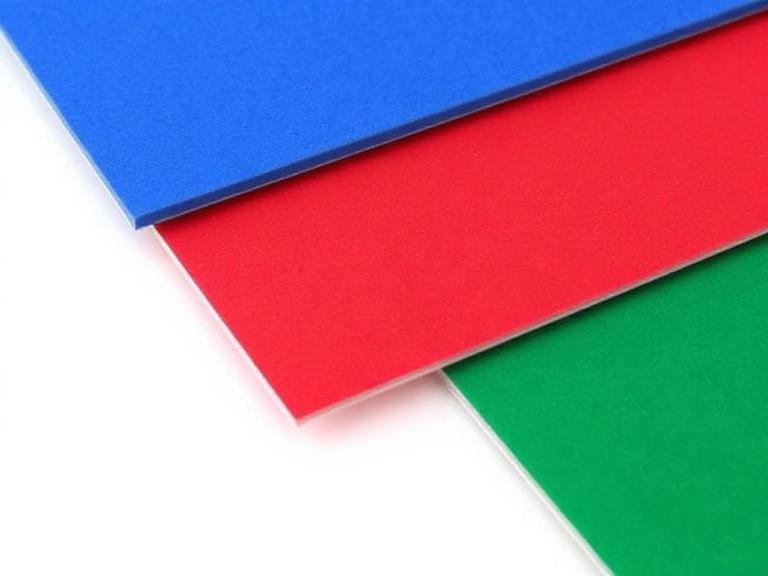
This grade utilizes a heavy, coarse cotton weave. It offers immense impact strength and structural rigidity but possesses relatively poor electrical properties . Because the coarse weave can absorb more moisture, its dielectric strength drops in humid environments.
- Applications: Heavy-duty mechanical gears, pile driver pads, large structural washers, friction plates, and guide wheels in heavy machinery.
- Our Advice: For heavy-duty applications where electrical insulation is irrelevant, PFCC 201 is the most cost-effective solution.
2. PFCC 202 (Coarse Weave, Electrical/Mechanical Grade)
Equivalent to the NEMA CE grade, PFCC 202 uses a similar coarse cloth but utilizes a higher-grade phenolic resin formulated to improve dielectric strength . It effectively bridges the gap between raw physical toughness and electrical safety.
- Applications: Electrical switchboard panels, terminal blocks, high-voltage transformer spacers, and heavy electromechanical equipment parts operating in normal humidity.
3. PFCC 203 (Fine Weave, Precision Mechanical Grade)
Equivalent to NEMA L, PFCC 203 utilizes a very fine cotton mesh . The finer the weave, the cleaner the machined edge. This material is designed for applications where exact dimensional stability is required, and coarse threads would cause chipping during CNC machining.
- Applications: Fine-toothed gears, intricate mechanical housings, precision instrument structural components, and high-tolerance wear strips.
- Our Advice: If your component has thin walls or complex tapped holes, you must upgrade to PFCC 203 to prevent thread tear-out.
4. PFCC 204 (Fine Weave, Precision Electrical Grade)
The premium standard (NEMA LE equivalent). PFCC 204 combines the fine cotton weave of 203 with advanced, moisture-resistant phenolic resins . It boasts superior mechanical strength, smooth machined edges, and excellent electrical resistance even in challenging environments.
- Applications: Precision electrical insulation components, intricate slot wedges for motors, high-frequency radio components, and aerospace fixtures.
5. PFCC-PTFE Blends (Self-Lubricating Grade)
In highly specialized manufacturing, phenolic cotton laminates can be engineered with Polytetrafluoroethylene (PTFE/Teflon) integrated directly into the resin matrix . This dramatically lowers the material’s coefficient of friction.
- Applications: Dry-running bearings, sliding conveyor guides, and wear pads in food processing equipment where external liquid lubricants are strictly prohibited.
6. Anti-Static / ESD Modified PFCC
By introducing conductive carbon or specific antistatic agents into the resin prior to pressing, the material is modified to safely dissipate static electricity without losing its mechanical strength.
- Applications: PCB assembly jigs, cleanroom fixtures, SMT carrier pallets, and testing platforms in semiconductor manufacturing facilities.
Commercial Benefits of Using PFCC
Why do modern engineers continue to rely on a technology that originated over a century ago? The commercial benefits are undeniable. First, the machinability of phenolic cotton is superior to nearly all modern composites. Tool wear is significantly lower than when machining glass-reinforced plastics. Second, it naturally absorbs vibration and sound, making PFCC gears vastly quieter than metallic equivalents.
Finally, cost-efficiency remains paramount. When comparing materials for a large mechanical run, consulting the top phenolic resin sheet suppliers will quickly reveal that PFCC is generally more affordable than high-end epoxy fiberglass sheets, provided extreme high-voltage insulation is not required.
Limitations: When to Avoid Phenolic Cotton
Despite its versatility, PFCC has distinct limitations. We never recommend phenolic cotton materials for applications subjected to continuous high moisture or submerged in water (unless it is transformer oil). Cotton is inherently hygroscopic; it absorbs water, which causes the material to swell dimensionally and lose its dielectric resistance.
Furthermore, if your application involves extreme voltages (above 10kV) or requires flame retardancy (UL94 V-0), PFCC is the wrong choice. In these scenarios, you must upgrade to epoxy glass composites. For comprehensive pricing on these alternatives, review our detailed epoxy sheet price analysis.
| Material Characteristic | PFCC (Phenolic Cotton) | Epoxy Fiberglass (FR4/G10) |
|---|---|---|
| Machinability | Excellent. Causes minimal tool wear. Does not produce hazardous glass dust. | Fair. Highly abrasive to cutting tools; requires diamond/carbide bits and dust extraction. |
| Moisture Resistance | Poor to Moderate. Can swell in humid conditions. | Excellent. Virtually zero water absorption. |
| Electrical Insulation | Moderate. Suitable for low to medium voltage (Switchboards, relays). | Superior. Ideal for high voltage and PCBs. |
| Cost Profile | Highly economical for bulk mechanical parts. | Higher initial cost. |
Who Should Use It and Who Does Not Need It
Who Should Use PFCC: Facilities managers looking to replace noisy metal gears with quiet, self-lubricating alternatives. Motor rewinders and transformer manufacturers needing reliable, oil-resistant structural insulation. Machine shops producing precision wear strips or high-impact washers.
Who Does Not Need It: If you are manufacturing modern Printed Circuit Boards (PCBs), aerospace components exposed to high humidity, or structural panels requiring tensile strength comparable to steel, PFCC will fail. You should instead evaluate the g10 material properties and contact specialized epoxy fiberglass sheet manufacturers for those specific demands.
Common Mistakes in Machining and Specification
From our experience auditing client manufacturing lines, the most frequent failure point involves mis-specifying the weave. For beginners, buying the cheaper PFCC 201 (NEMA C) for a small, intricately tapped component seems like a cost-saving measure. However, during tapping, the coarse threads of the cotton will tear out, ruining the part and increasing the scrap rate.
Another common error is failing to use sharp, high-speed steel or carbide tooling. If a tool is dull, it will crush the cotton fabric rather than cutting it, leading to delamination along the edges. Always use high RPMs and moderate feed rates when milling PFCC.
Buying Considerations and Cost Analysis
When purchasing phenolic cotton laminates, price is dictated by the resin grade, weave density, and sheet thickness. Fine weave materials (PFCC 203/204) are inherently more expensive than coarse weaves because the tighter fabric requires more raw material and processing time.
For commercial users scaling up production, do not solely evaluate the raw sheet price. Factor in the reduced tool wear PFCC offers compared to fiberglass alternatives. If you want to compare raw material budgets, check out a fiberglass sheets 4×8 price guide to understand the financial gap between phenolic and epoxy-glass laminates.
| Primary Requirement | Recommended PFCC Grade | Reasoning / Practical Judgment |
|---|---|---|
| Large structural parts, heavy impact | PFCC 201 (NEMA C) | Coarse weave offers maximum toughness at the lowest price point. |
| Medium voltage switchgear panels | PFCC 202 (NEMA CE) | Balanced dielectric and mechanical strength for standard environments. |
| Intricate gears, tapped holes | PFCC 203 (NEMA L) | Fine weave ensures smooth edges and prevents thread tear-out. |
| Precision electrical components | PFCC 204 (NEMA LE) | Highest grade available; tight tolerances with excellent moisture resistance. |
Expert Recommendation from Sjcncinsulation
At Sjcncinsulation, we view material selection not just as an engineering task, but as a commercial strategy. We do not recommend over-engineering your components. If a client requests high-end FR4 for a standard conveyor wear pad, we step in. Why pay a premium and wear out your CNC tooling when a standard PFCC 201 sheet will perform the exact same task with better shock absorption?
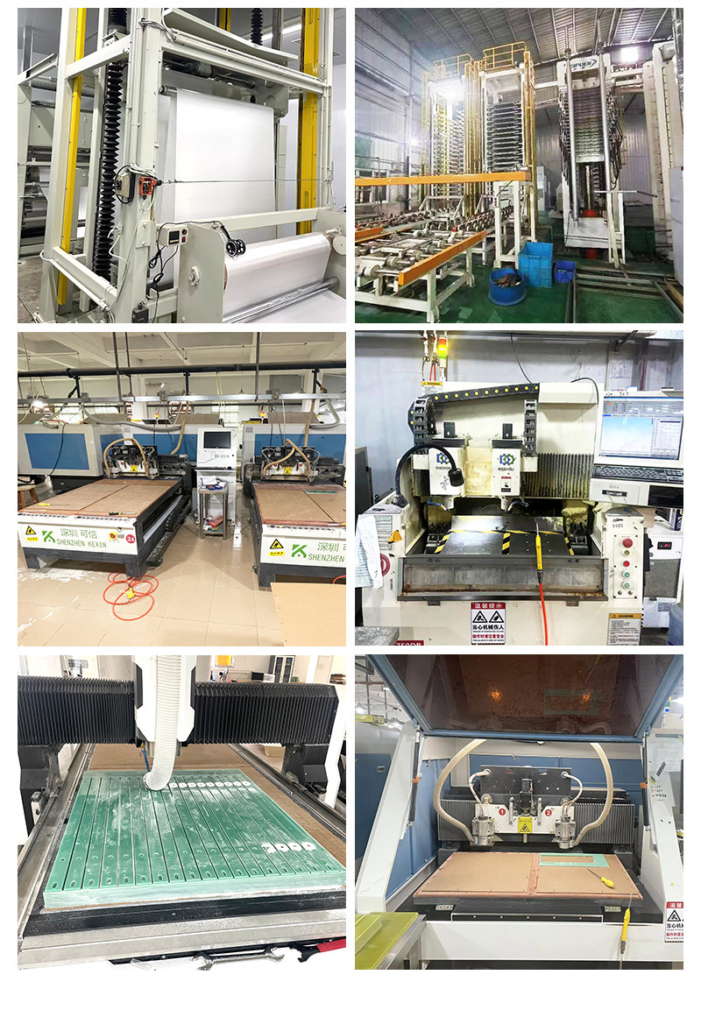
Sjcncinsulation is a modern manufacturing enterprise specializing in the production, processing, sales, and service of insulation materials and plastic sheets. The company is located in Houqiao Industrial Park, Xinwu District, Wuxi City, Jiangsu Province, China. We are supported by a young and highly skilled team of engineers with strong R&D capabilities, as well as a professional sales team. If you require exact material testing or bespoke CNC processing for your PFCC components, we recommend partnering directly with our technical team to ensure IEC compliance and optimal machining yields.
Frequently Asked Questions (FAQ)
What is the difference between PFCC 201 and PFCC 203?
Authoritative References
To ensure your engineering specifications meet global compliance, we recommend reviewing the material testing standards from the following authoritative organizations:
- International Electrotechnical Commission (IEC) – Defining the 60893-3-4 global standards for industrial rigid laminated sheets based on thermosetting resins for electrical purposes.
- National Electrical Manufacturers Association (NEMA) – Publishing the LI-1 standards which classify industrial laminates like C, CE, L, and LE.
- ASTM International – Providing standardized testing methodologies (like ASTM D709) for evaluating the mechanical and dielectric strength of laminated thermosetting materials.