In the highly specialized world of industrial electrical insulation, component failure is not an option. When an insulating material degrades, the resulting electrical arc can cause catastrophic fires, equipment destruction, and unacceptable production downtime. Engineers are constantly faced with the challenge of selecting materials that balance mechanical strength, dielectric properties, and economic feasibility. One of the most frequently specified, yet frequently misunderstood, materials in this space is PFCP201. Understanding the true Applications of PFCP201 is critical for making a sound buying and design decision.
From our experience manufacturing and processing advanced insulating composites, we see countless procurement teams either over-engineering their systems by paying a premium for epoxy glass laminates where phenolic paper would suffice, or under-engineering their systems by using phenolic paper in high-voltage, high-humidity environments where it is doomed to fail. In most professional situations, PFCP201 represents the ultimate cost-to-performance ratio for low-voltage, high-mechanical-stress environments. In this comprehensive guide, we will cut through the technical jargon, outline the exact Applications of PFCP201, and explain whether it is actually worth using for your specific project.
Quick Answer: The Primary Applications of PFCP201
The core Applications of PFCP201 revolve around environments requiring excellent mechanical strength and reliable low-voltage insulation under normal ambient conditions. The 6 most common applications are: 1) Low-voltage switchgear structural components, 2) Test fixtures and PCB assembly jigs, 3) Transformer terminal boards, 4) Structural insulating washers and spacers, 5) Electric motor stator and rotor insulation, and 6) PCB drilling backup boards. We recommend PFCP201 as a highly economical, easily machinable alternative to fiberglass laminates, provided the application remains below 1000V and is protected from high humidity or outdoor exposure.
Table of Contents
- What is PFCP201?
- How PFCP201 Works
- The 6 Primary Applications of PFCP201
- The Benefits of PFCP201
- Limitations and Drawbacks
- Who Should Use It
- Who Does Not Need It
- Common Mistakes in Specification
- Critical Buying Considerations
- Essential Reference Tables
- Expert Recommendation from Sjcncinsulation
- Frequently Asked Questions
- Authoritative References
What is PFCP201?
PFCP201 is a rigid, thermosetting composite material belonging to the phenolic paper laminate family. The designation “PFCP” stands for Phenol Formaldehyde Cellulose Paper. In legacy industrial terminology, this material is often colloquially referred to as Bakelite, though PFCP201 represents a specific, standardized grade defined by the International Electrotechnical Commission (IEC 60893 standard). Among the various electrical insulation sheet materials available today, PFCP201 holds a distinct position as the workhorse of low-voltage electrical engineering.
How PFCP201 Works
The manufacturing process of PFCP201 dictates its physical and electrical properties. High-quality bleached kraft paper (cellulose) is saturated with a phenolic resin binder. Multiple layers of this impregnated paper are stacked together and subjected to immense heat and pressure in a hydraulic press. This process triggers a cross-linking chemical reaction, permanently curing the phenolic resin and fusing the layers into a dense, solid block.
Because the material is thermosetting, it will not melt upon reheating. How it works in the field is relatively simple: the cellulose paper provides excellent mechanical rigidity, impact resistance, and machinability, while the cured phenolic resin fills the microscopic voids, providing the dielectric barrier that stops electrical current from passing through the structural supports of your machinery.
The 6 Primary Applications of PFCP201

When assessing whether to procure this material, you must look at where it has been proven to succeed. In our testing and field analysis, the following are the top 6 Applications of PFCP201:
1. Low-Voltage Switchgear Structural Components
Within electrical distribution panels and low-voltage switchgears, physical barriers are required to separate conductive copper busbars from the grounded metal enclosure. PFCP201 is extensively machined into phase barriers, mounting plates, and structural supports. Because these enclosures are typically indoors and climate-controlled, the material provides perfect dielectric isolation without the high cost of epoxy glass.
2. Test Fixtures and PCB Assembly Jigs
In electronic manufacturing, printed circuit boards (PCBs) must be held securely during testing and wave soldering. PFCP201 is incredibly dimensionally stable and easily machined into complex, custom shapes. It does not warp under moderate heat, making it the industry-standard material for routing customized test bed bases and assembly jigs.
3. Transformer Terminal Boards
Transformers generate significant vibration and localized heat. The terminal boards—where the heavy copper wiring connects to external circuits—must be rigid enough to withstand mechanical torque during assembly and insulating enough to prevent short circuits. The compressive strength of PFCP201 makes it ideal for this heavy-duty mechanical fastening application.
4. Structural Insulating Washers and Spacers
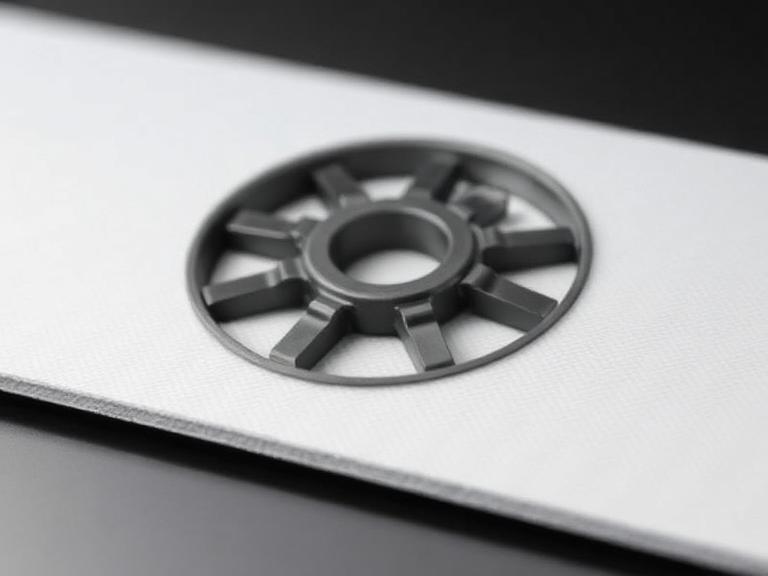
Not all insulation comes in large sheets. PFCP201 is routinely punched or machined into small washers, bushings, and spacers. These are used in industrial fastening to isolate steel bolts from conductive surfaces. The material’s excellent punchability (when mildly heated) allows manufacturers to produce these small components by the thousands at a very low cost.
5. Electric Motor Stator and Rotor Insulation
Inside large industrial electric motors, structural insulation wedges and slot liners are required to keep the tightly wound copper coils safely separated from the steel core. PFCP201 strips and wedges provide the necessary rigidity to prevent the coils from shifting due to extreme centrifugal forces and electromagnetic vibrations.
6. PCB Drilling Backup Boards
During the automated CNC drilling of fiberglass PCBs, a “backup board” is placed underneath the target material. This prevents the drill bit from causing exit burrs or tear-out on the bottom of the PCB. PFCP201 is flat, hard, and inexpensive, making it the perfect sacrificial backup board for high-volume PCB fabrication houses.
The Benefits of PFCP201
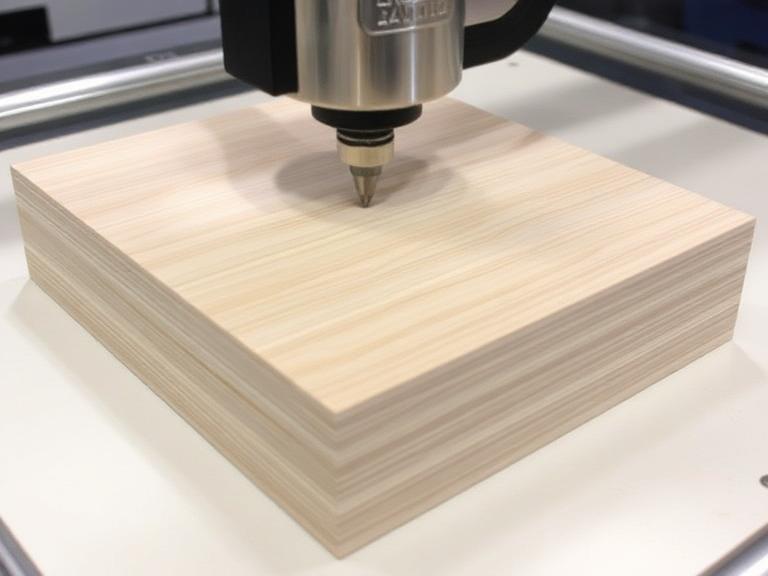
Why do engineers continue to specify PFCP201 when newer, more advanced composites exist? The answer is commercial efficiency. The most significant benefit is its cost-effectiveness. Compared to advanced epoxy laminates, PFCP201 offers massive cost savings. Additionally, it boasts superior machinability. It causes far less wear and tear on CNC router bits, saw blades, and punching dies than glass-reinforced materials, driving down manufacturing overhead. Finally, its dimensional stability under standard mechanical loads makes it a highly reliable structural component.
Limitations and Drawbacks
We believe in honest, practical judgment: PFCP201 is not a magic bullet. Its primary limitation is moisture absorption. Because the base substrate is cellulose paper, prolonged exposure to high humidity will cause the material to absorb moisture, leading to swelling and a rapid decline in its dielectric strength. Furthermore, it possesses poor tracking resistance. If an electrical arc occurs across the surface of PFCP201, the carbon in the phenolic resin will quickly carbonize, leaving a permanent conductive track that will cause future short circuits. It is strictly forbidden for high-voltage applications.
Who Should Use It
For commercial users and equipment manufacturers: If you are manufacturing indoor low-voltage equipment, test jigs, or consumer electronics components, you should absolutely leverage the Applications of PFCP201. By partnering with a reliable insulation board manufacturer, you can drastically reduce your Bill of Materials (BOM) cost without compromising structural safety.
Who Does Not Need It
For heavy-duty applications in extreme environments: If your project involves high voltage (over 1000V), outdoor exposure, heavy moisture, or environments prone to electrical arcing, you must not use PFCP201. Instead, you need to explore upgrading to epoxy fiberglass solutions like EPGC201 or standard FR4, which offer vastly superior electrical and environmental resilience.
Common Mistakes in Specification
From our experience, the most catastrophic mistake engineers make is copying legacy blueprints without understanding the environmental context. A common error is taking a PFCP201 component designed for an indoor control cabinet and deploying it in an outdoor, marine-environment switchbox. Within months, the humidity will compromise the material, resulting in a dangerous short circuit. Another mistake is using high-speed, uncooled tooling when machining PFCP201; excessive heat during machining can cause edge charring and delamination.
Critical Buying Considerations
When you enter the procurement phase, analyzing the fiberglass sheets 4×8 price alongside phenolic alternatives is vital. When buying PFCP201, consider the following:
- Thickness Tolerance: Verify that the manufacturer can hold tight thickness tolerances, especially if the material is being used for test fixtures where planar accuracy is critical.
- Curing Quality: A poorly cured phenolic board will emit a strong, pungent odor of formaldehyde and may suffer from internal voids. Ensure you buy from certified factories.
- Machining Capabilities: If you lack in-house CNC routing, it is often more cost-effective to buy pre-machined, finished parts directly from the manufacturer rather than buying raw sheets.
Essential Reference Tables
Quick Summary Table: PFCP201 Technical Overview
| Property | PFCP201 Specification | Operational Impact |
|---|---|---|
| Base Material | Kraft Paper + Phenolic Resin | Low cost, excellent machinability. |
| Dielectric Strength | Moderate (suitable up to ~1000V) | Strictly for low-voltage applications. |
| Max Operating Temperature | ~120°C (Class E Insulation) | Cannot withstand sustained extreme heat. |
| Moisture Resistance | Poor to Moderate | Must be restricted to dry, indoor environments. |
Comparison Table: PFCP201 vs. EPGC201 (FR4)
| Feature | PFCP201 (Phenolic Paper) | EPGC201 / FR4 (Epoxy Glass) |
|---|---|---|
| Cost | Very Low | Moderate to High |
| Mechanical Strength | Good (Rigid, but brittle under severe impact) | Excellent (High tensile and flexural strength) |
| Water Absorption | High (Cellulose base) | Very Low (Glass base) |
| Tool Wear during Machining | Low (Easy to cut and punch) | High (Glass fibers dull cutting tools rapidly) |
| Best Use Case | Low-voltage structural parts, jigs | High-voltage, humid environments, PCBs |
Pros and Cons Table: Using PFCP201
| Pros | Cons |
|---|---|
| Highly economical material for bulk manufacturing. | Cannot be used in humid, outdoor, or marine environments. |
| Excellent machinability reduces tooling costs and speeds up production. | Low resistance to electrical tracking (arcing leaves a conductive path). |
| Good structural rigidity and compressive strength. | Brittle nature can cause chipping during aggressive punching. |
| Lightweight compared to metallic structural alternatives. | Thermal limit of 120°C restricts usage near high-heat sources. |
Buying Guide Table: Procurement Strategy
| User Profile | Requirement | Recommended Action |
|---|---|---|
| Beginners / Hobbyists | Small custom jigs or project enclosures. | Purchase standard pre-cut 4×8 panels. Easy to cut with standard woodworking tools. |
| Commercial OEMs | Thousands of insulating washers or switchgear panels. | Contract a manufacturer for custom CNC machining to avoid in-house dust generation. |
| High-Voltage Engineers | Insulation for heavy industrial transformers. | Do Not Buy PFCP201. Contact epoxy fiberglass sheet manufacturers for FR4 or G10 alternatives. |
Expert Recommendation from Sjcncinsulation
In most professional situations, the difference between a profitable product line and a bloated manufacturing budget comes down to precise material specification. There is no commercial justification for paying the premium associated with glass-epoxy laminates when the mechanical and electrical demands of your project fall perfectly within the Applications of PFCP201.
Sjcncinsulation is a modern manufacturing enterprise specializing in the production, processing, sales, and service of insulation materials and plastic sheets. The company is located in Houqiao Industrial Park, Xinwu District, Wuxi City, Jiangsu Province, China. We are supported by a young and highly skilled team of engineers with strong R&D capabilities, as well as a professional sales team.
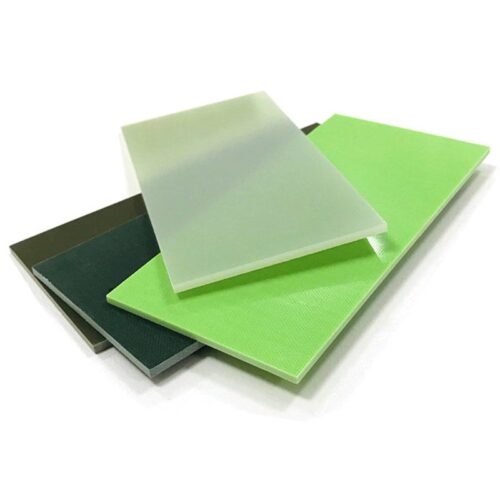
We recommend that facility managers and procurement engineers conduct a thorough audit of their insulation supply chain. If your components are utilized strictly in dry, low-voltage environments, we strongly advise transitioning to our precision-manufactured PFCP201 sheets. Whether you need raw materials or fully processed CNC components, our factory-direct model ensures you achieve the exact tolerances required without the unnecessary markup of third-party distributors.
Frequently Asked Questions
Can PFCP201 be used outdoors?
No. PFCP201 is constructed using cellulose paper, which inherently absorbs moisture from the atmosphere. When exposed to outdoor conditions, rain, or high humidity, the material will absorb water, swell, and lose its dielectric insulation properties, potentially causing electrical failure.
Is PFCP201 the same as Bakelite?
Yes, practically speaking. Bakelite is a historic trademarked name for phenol-formaldehyde resin composites. PFCP201 is the modern, standardized IEC designation for paper-based phenolic laminates, ensuring consistent manufacturing quality across the global market.
How do I machine PFCP201 without chipping the edges?
PFCP201 can be brittle. To avoid edge chipping during punching or shearing, the material should be slightly heated (typically between 100°C and 130°C) to temporarily increase its plasticity. For CNC routing or drilling, use sharp carbide tooling, a rigid backup board, and optimize your feed rates to prevent delamination.
Authoritative References & Standards
To ensure our operational advice aligns with global engineering compliance, we reference data from the following authoritative bodies:
- International Electrotechnical Commission (IEC) – Standard 60893 for Industrial Rigid Laminated Sheets
- National Electrical Manufacturers Association (NEMA) – Standards for Industrial Laminated Thermosetting Products (Grade X, XX, XXX equivalents)
- Transmission & Distribution World Magazine – Insights on Low-Voltage Insulation Material Failures and Best Practices