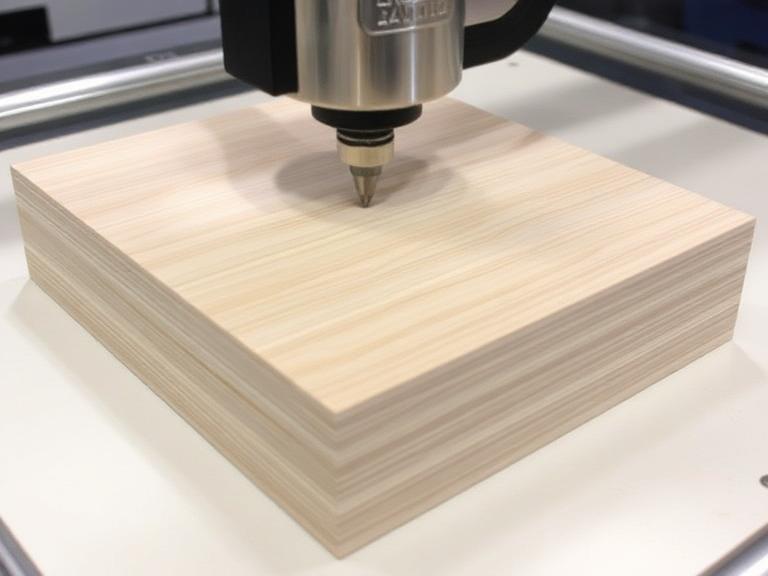
Let us confront a painful reality in the industrial procurement sector: attempting to source materials blindly based on outdated economic baselines is an absolute guarantee of budgetary failure. In 2026, the global supply chain for composite reinforcement is enduring massive structural transformations. If your engineering or purchasing department is still calculating project estimates using figures from two or three years ago, you are either severely overpaying or exposing your operations to low-grade, unverified materials that will fail under mechanical stress. Tracking the exact fibreglass board sheets price matrix is no longer a passive administrative chore—it is an absolute competitive necessity.
From our experience on the manufacturing floor, the raw financial figures tell only half the story. The absolute cost of an insulation material is directly tied to its composite matrix, resin purity, and manufacturing precision. Cheap, uncompacted panels routinely suffer from internal delamination and thermal tracking under high-voltage loads. When a low-grade barrier plate faults in a critical electrical switchgear cabinet or an industrial automation line, the resulting downtime costs tens of thousands of dollars per hour. This is why understanding the deep, structural variables that drive pricing across different material classes is the only way to safeguard your infrastructure.
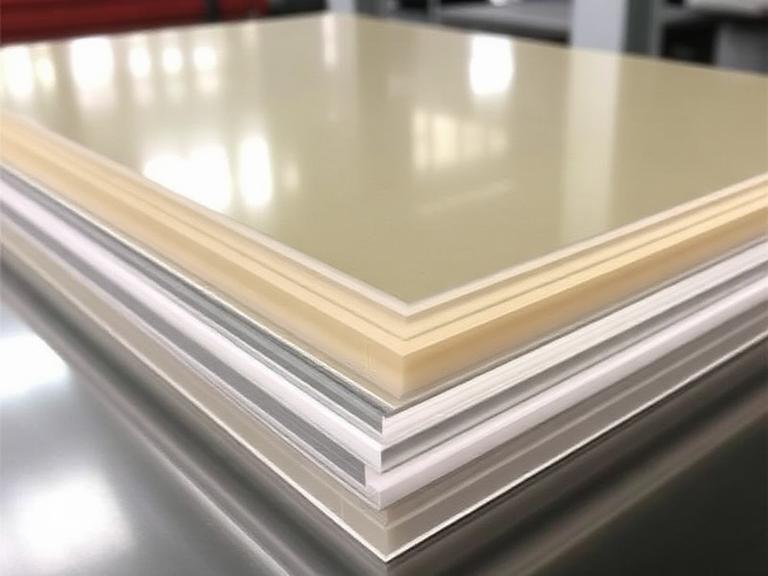
We refuse to provide generic, superficial price ranges that offer zero practical utility. In this expert analysis, we will brutally dissect the global factors governing the fibreglass board sheets price, evaluate the technical specifications that justify premium investments, and reveal how modern direct-to-manufacturer sourcing models drastically optimize your bottom line.
Table of Contents
- 1. Macroeconomic Realities Driving the 2026 Price Landscape
- 2. Technical Segregation: Understanding What You Are Paying For
- 3. Comprehensive Price Reference Matrix
- 4. The Direct-to-Manufacturer Sourcing Paradigm
- 5. Industrial Procurement Pitfalls: Avoiding Expensive Mistakes
- 6. Frequently Asked Questions (FAQs)
- 7. Authoritative Technical References
1. Macroeconomic Realities Driving the 2026 Price Landscape
The global cost structure for high-density composite materials is experiencing unprecedented volatility. First and foremost, raw material inputs—specifically industrial glass fiber rovings and structural epoxy resins—are tightly coupled with shifting petrochemical refining margins and global mining outputs. When energy costs fluctuate across major industrial hubs, those variations are directly reflected in the final factory gate quotes for technical laminates. For engineering teams evaluating long-term infrastructural investments, keeping a close eye on the structurally insulated panel cost trends is crucial for maintaining project viability.
Furthermore, stringent environmental and emissions mandates enforced across international manufacturing zones have forced production facilities to invest heavily in advanced catalytic scrubbing systems and carbon-mitigation technologies. While these steps are vital for sustainable manufacturing, they permanently alter the base operational expenditure of producers. From our experience, buyers who attempt to circumvent these realities by chasing abnormally cheap, non-compliant alternatives end up with brittle sheets that possess zero dimensional stability and terrible dielectric breakdown resistance.
2. Technical Segregation: Understanding What You Are Paying For
A fatal mistake made by inexperienced procurement officers is treating all glass-reinforced plastics as identical commodities. The architectural composition of the material dictates its mechanical performance and, consequently, its baseline market value. To navigate the landscape effectively, you must understand the clear division between basic unsaturated polyester systems and high-tier epoxy formulations.
Sheet Molding Compounds and Structural Polyesters
For applications requiring robust mechanical framing, excellent surface finishes, and high structural volume, processing teams rely heavily on optimized smc composite materials. These systems incorporate chopped glass fibers embedded in a mineral-filled polyester resin matrix, pressed under intense hydraulic force. When specified as a high-strength smc insulation board, this material delivers exceptional arc tracking resistance at a highly competitive price point, making it the industry standard for transit junction boxes and electrical distribution standoffs.
High-Performance Epoxy Glass Laminates (FR4 and G10)
When the application moves into the realm of extreme thermal duress, intense mechanical load, and high-frequency electrical isolation, standard polyesters are wholly insufficient. This is where premium woven fiberglass sheets saturated with flame-retardant epoxy resins become mandatory. These boards maintain impeccable dimensional stability and tensile strength even when subjected to continuous operating temperatures exceeding 130°C. Understanding the specific performance parameters across diverse composite panel applications is essential; selecting an under-engineered grade will inevitably lead to structural failure under peak operational loads.
For deep industrial deployments where standard flat geometry cannot fulfill the mechanical requirement—such as high-voltage transformer tie rods, structural switchgear toggles, or specialized chemical agitation shafts—procurement teams must look past sheets. Integrating a high-density fr4 epoxy fiberglass rod ensures the system benefits from continuous, unidirectional fiber alignment, maximizing cantilevering and tensile strengths far beyond what machined sheet strips can provide.
3. Comprehensive Price Reference Matrix
To deliver maximum practical value to your engineering and financial teams, we have compiled an uncompromised structural pricing baseline for 2026. These figures represent real-world commercial market ranges for premium-grade, fully cured industrial laminates sourced from verified global channels.
| Material Classification | Standard Thickness Range | Estimated Market Price (USD / Sqm) | Primary Engineering Application |
|---|---|---|---|
| SMC Insulation Grade | 3mm to 10mm | $14.50 – $28.00 | Heavy electrical distribution boxes, phase barriers, transit housings. |
| SMC High-Strength Heavy Panel | 12mm to 25mm | $32.00 – $65.00 | Structural framing, automotive sub-assemblies, industrial catch basins. |
| FR4 / G10 Epoxy Glass (Standard) | 0.5mm to 5mm | $22.00 – $55.00 | Printed circuit board substrates, high-frequency electrical isolation. |
| FR4 Epoxy Glass (Heavy Duty) | 6mm to 20mm | $60.00 – $145.00 | Transformer terminal plates, cryogenic insulation, aerospace jigs. |
| G11 High-Temperature Grade | 2mm to 15mm | $45.00 – $120.00 | Continuous extreme heat environments (up to 185°C), power generation. |
4. The Direct-to-Manufacturer Sourcing Paradigm
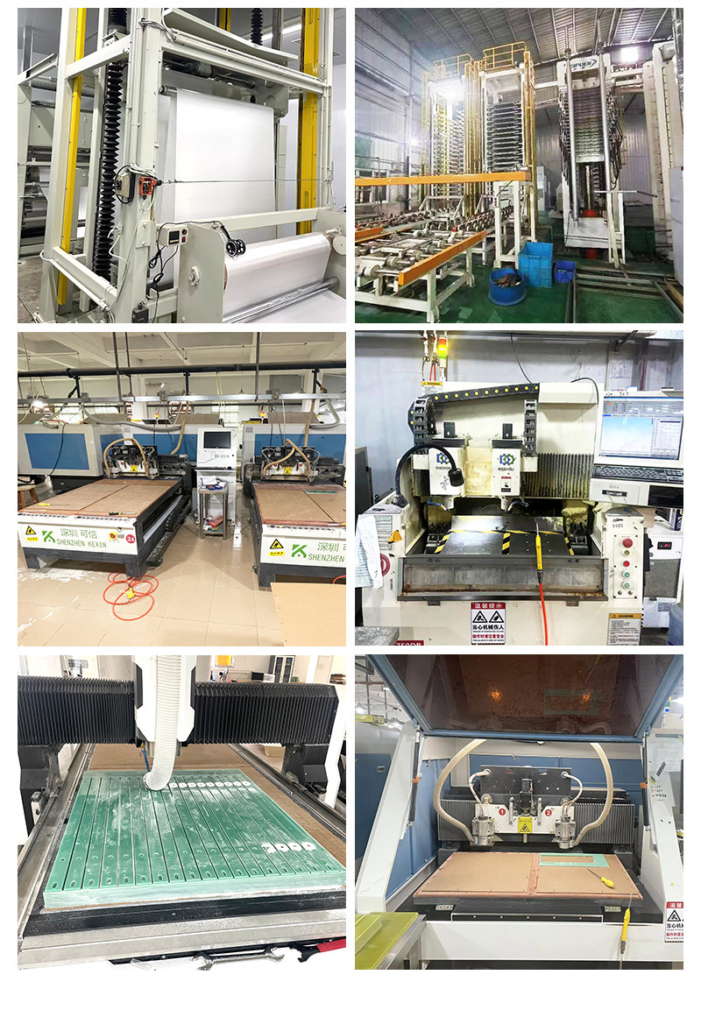
If your current distribution network involves multiple layers of regional trading entities, domestic brokers, and independent wholesalers, you are actively burning your corporate capital. Every intermediary adding their margin onto the base fibreglass board sheets price degrades your operational profitability without contributing a single ounce of technical value to the material itself.
SjcncinSulation is a modern manufacturing enterprise specializing in the production, processing, sales, and service of insulation materials and plastic sheets. The company is located in Houqiao Industrial Park, Xinwu District, Wuxi City, Jiangsu Province, China. We are supported by a young and highly skilled team of engineers with strong R&D capabilities, as well as a professional sales team.
By engaging directly with a vertically integrated producer, you completely bypass the artificial supply chain inflation. We strongly recommend that procurement managers thoroughly audit their supply base and transition toward verified, direct-to-factory partnerships. Aligning with premier, globally vetted fiberglass plastic panel suppliers grants your organization direct access to raw material testing data, custom thickness dimensioning, and specialized resin blending tailored specifically to your thermal environments. Whether you are executing a comprehensive facility overhaul or simply compiling a technical frp fiberglass reinforced plastic guide for your field engineers, direct manufacturing access guarantees uncompromised quality tracking.
Furthermore, customized geometry demands precision. If your processing blueprint mandates exact mechanical tolerances that standard cutting jigs cannot execute, we provide full CNC machining capabilities directly at the source. This seamless integration ensures that whether you require high-volume flat panel stamping or need to secure a stable supply chain from a certified epoxy fiberglass rod supplier, the final component arrives at your production facility fully cleared by internal quality assurance teams, ready for immediate assembly.
5. Industrial Procurement Pitfalls: Avoiding Expensive Mistakes
From our experience consulting across high-voltage electrical grid installations and mass transit infrastructure projects, we have identified several chronic mistakes that routinely inflate overall project costs:
- Ignoring Curing Cycles and Tolerances: Abnormally low price quotes almost always indicate truncated press times or low-grade resin saturation. Improperly cured fiberglass sheets suffer from high moisture absorption rates. Over time, this moisture compromises the internal glass-to-resin bond, leading to rapid mechanical failure and catastrophic dielectric degradation.
- Over-Specifying Material Grades: While FR4 and G11 are exceptional materials, utilizing them in applications where an industrial-grade SMC panel would perfectly suffice is an unnecessary waste of financial resources. You must precisely align your actual environmental requirements (voltage, temperature, mechanical load) with the correct composite class.
- Neglecting Inbound Freight Logistics: Because dense composite sheets are incredibly heavy, domestic logistics and transcontinental shipping rates dramatically alter the true landed cost per unit. Savory buyers negotiate clear incoterms (such as FOB or CIF) directly with the manufacturing factory to secure volume-contracted freight rates.
6. Frequently Asked Questions (FAQs)
Why is there such a massive discrepancy in the fibreglass board sheets price between suppliers?
The variation is almost exclusively driven by resin purity, glass fiber orientation (woven cloth vs. chopped strands), and the precision of the hydraulic compaction process. Premium manufacturers utilize pure, unmodified epoxy resins and long-strand woven fabrics pressed under intense heat and tonnage. Cheaper alternatives often introduce low-cost mineral fillers to swell the material volume, significantly degrading the sheet’s long-term mechanical and electrical isolation properties.
Can standard SMC panels withstand high-voltage arcing environments?
Yes, specifically formulated SMC insulation boards are engineered with exceptional arc-tracking resistance and high dielectric strength. They are specifically designed to thrive in heavy industrial power distribution environments, making them an incredibly cost-effective option for partition plates and enclosure structures compared to specialized epoxy-glass laminates.
How do custom dimensions and CNC machining affect the overall sheet pricing?
When you source raw stock sheets, you pay strictly for the square footage and thickness. If you require custom shapes, drilled holes, or milled slots, the final price will factor in machine runtime, programming labor, and scrap material factor. However, from our experience, having the manufacturer execute the CNC machining at the factory is vastly cheaper and yields higher precision than attempting to machine fiberglass composites in-house without specialized dust collection and carbide tooling.
7. Authoritative Technical References
To ensure your engineering team is operating with fully verified technical benchmarks and regulatory compliance data, we highly recommend reviewing the following industry standards:
- National Electrical Manufacturers Association (NEMA): The global governing authority establishing the definitive technical standards and testing methodologies for industrial laminate sheets, including G10, FR4, and polyester-based composites.
- International Organization for Standardization (ISO): The premier international body regulating quality management protocols, environmental manufacturing compliances, and mechanical testing standards for advanced reinforced plastics.