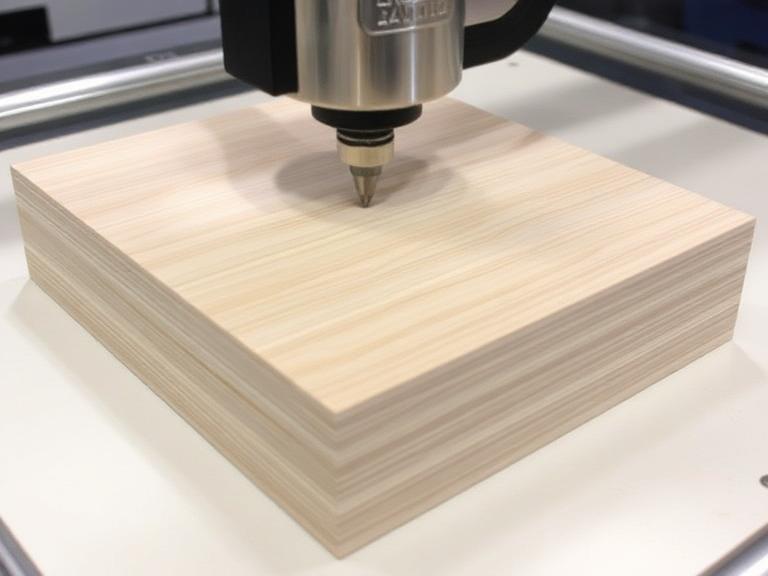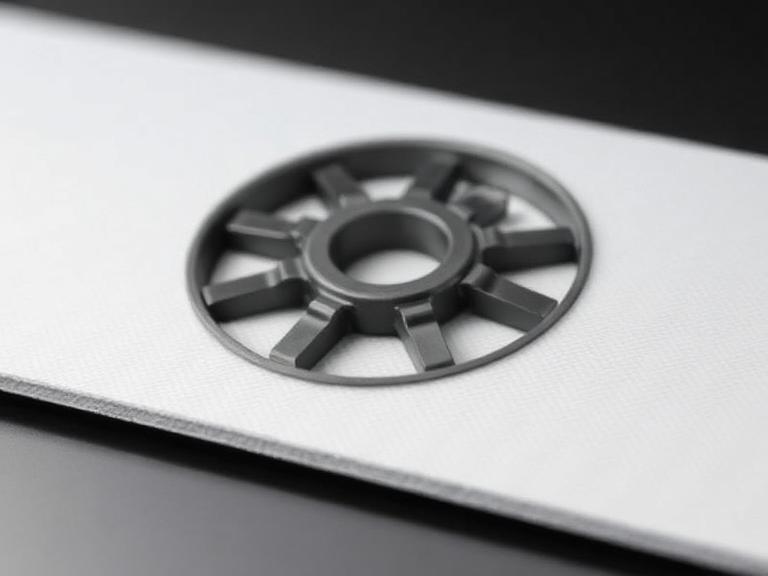
If you are shopping for the Best fiberglass sheeting for campers, you are probably not looking for fluffy insulation batts. You are looking for rigid, cuttable sheet stock that can survive vibration, hold shape, tolerate moisture better than cheap alternatives, and make a camper feel finished instead of improvised. That is the real job of camper fiberglass sheeting.
From our experience, camper owners get the best results when they separate the build into zones: dry structural panels, high-humidity areas, and electrical or battery-adjacent spaces. That is where fiberglass board products such as the 3240 Epoxy Resin Board and G10 fiberglass board start to make sense. These are not decorative sheets. They are working materials for serious camper builds.
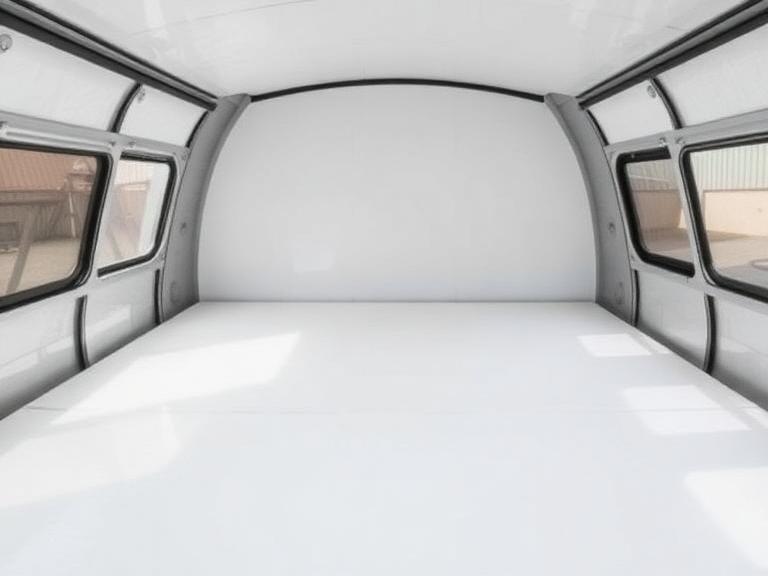
Bottom line: the best fiberglass sheeting for campers is the one that matches the load, the moisture exposure, and the temperature zone. In most projects, that means G10 for high-humidity or electrical areas and 3240 epoxy resin board for strong, stable general-purpose panels. Fiberglass insulation itself is common in motorhomes because it is inexpensive and easy to install, but it can absorb moisture and sag over time; rigid fiberglass boards solve a different problem by giving you structure and dimensional stability.
What fiberglass sheeting means in a camper build
When people say fiberglass sheeting for campers, they usually mean one of two things. The first is rigid composite sheet stock used for interior wall liners, utility panels, battery compartments, cabinet backs, and reinforcement zones. The second is fiberglass-based composite board used where heat, moisture, and vibration are more demanding than they are in a normal home.
That distinction matters. Fiberglass insulation batts are common in RVs and motorhomes because they are affordable and easy to install, and the concept is well established in the RV world. But those soft products are not the same as rigid fiberglass sheet materials. Soft insulation fills cavities; fiberglass boards create surfaces.
We recommend thinking about camper fiberglass sheeting as a structure decision rather than a comfort decision. If a wall, hatch, battery zone, or cabinet back needs shape retention, moisture tolerance, and a clean cut edge, a fiberglass board is the better tool. If the space only needs cavity fill, you would choose a different material entirely.
For projects that need a more engineered finish, the 3240 epoxy resin board is a strong place to start because it is designed as a laminated fiberglass cloth and epoxy structure with stable electrical performance in humidity and a useful temperature rating. The G10 fiberglass board is the more premium-feeling choice when high mechanical strength and dimensional stability matter more than anything else. The material family is known for high strength, dimensional stability over temperature, and electrical insulation in wet and dry conditions.
Quick summary table
| Option | Best use in campers | Why it wins | Main caution |
|---|---|---|---|
| 3240 Epoxy Resin Board | General structural panels, utility dividers, dry-zone interior work | Strong mechanical performance, stable electrical performance, easy to custom cut | Heat exposure around 180°C can deform it |
| G10 fiberglass board | Battery compartments, electrical backs, humid cabinets, hatch panels | High strength, strong dimensional stability, broad color and thickness options | Heavier-duty than some simple wall liners |
| Thin 3240 sheet | Light wall liners and cabinet skins | Cleaner finish without overbuilding the panel | Too thin for load-bearing zones |
| Mid-thickness G10 | Service access and reinforcement points | Better for vibration and repeated use | Not the cheapest solution |
| Custom-cut full sheet | Complete camper buildouts | Less waste, better fit, faster installation | Requires careful measurement |
The 10 best fiberglass sheeting ideas for campers
1. 3240 Epoxy Resin Board — best all-around structural sheet
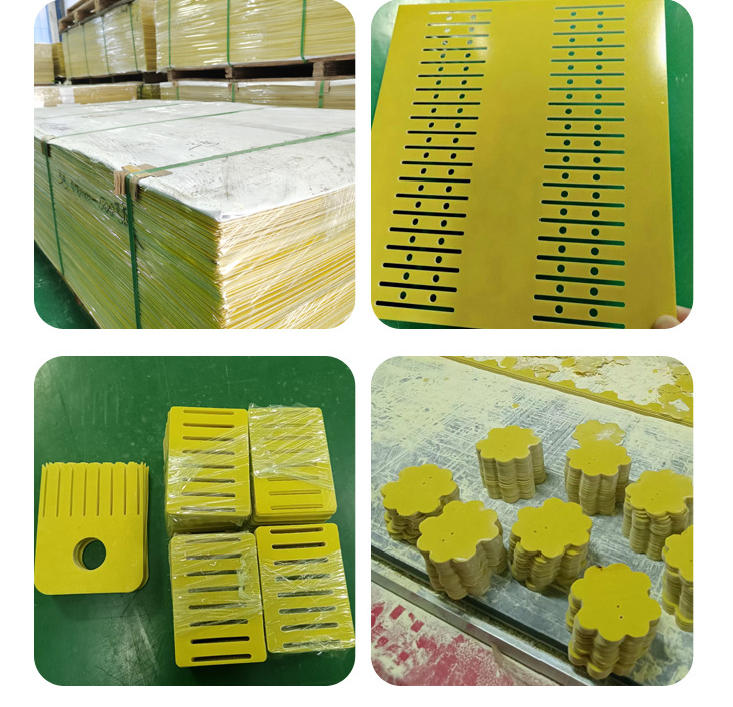
The 3240 Epoxy Resin Board is the most practical all-around option in this lineup. SjcncinSulation lists standard sizes of 1000 × 2000 mm and 1220 × 2440 mm, thickness from 0.5 to 200 mm, free samples, and support for custom cutting and processing. That combination makes it unusually flexible for campers because you can order the board to the project instead of forcing the project to fit the board.
From our experience, 3240 works best where you need a clean, rigid panel with decent thermal tolerance and dependable electrical behavior. It is a smart candidate for utility partitions, cabinet skins, and internal structural faces. The product description also notes an F-class 155°C heat rating and cautions that exposure to 180°C may cause deformation, which is important if the sheet will live near engine heat, inverter gear, or other warm hardware. That warning should not scare you away; it should help you place the material intelligently.
2. G10 fiberglass board — best for moisture-stable, high-strength use
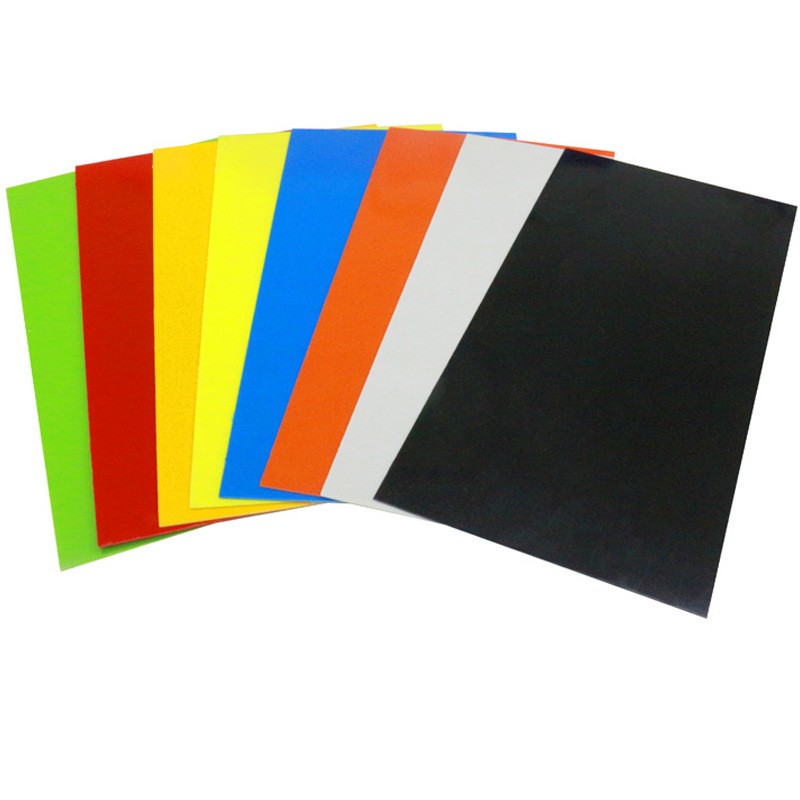
The G10 fiberglass board is the more aggressive material choice when the panel has to stay stable through repeated vibration, humidity, and mechanical stress. SjcncinSulation offers it in cyan, red, blue, purple, orange, green, white, and black, with 1020 × 2020 mm and 1220 × 2440 mm size options, thickness from 1 to 50 mm, flexible MOQ, and samples available. That makes it easier to design both functional and visually neat camper interiors.
We recommend G10 when the panel is near water, wiring, condensation, or repeated handling. G10 fiberglass epoxy laminates are widely specified for high mechanical strength, dimensional stability over temperature, and electrical insulation in both wet and dry conditions. That is exactly the kind of profile a serious camper build wants around electrical cabinets, battery boxes, service hatches, and wall sections that live in a damp climate.
3. Thin 3240 sheet for wall liners — best lightweight finish panel
A thin 3240 epoxy resin board is one of the cleanest choices for camper wall liners when the goal is a finished surface rather than load-bearing structure. You do not need a thick board everywhere. In fact, overbuilding interior surfaces often makes the camper heavier and harder to fit.
We recommend thin 3240 in places where you want a wipeable, stable, hardwearing surface behind furniture or along the sleeping area. From our experience, this is especially useful in conversion vans and compact campers where every millimeter matters. The board gives you a practical, machinable skin instead of a soft material that can dent or sag under everyday use.
4. Mid-thickness G10 for electrical cabinet backs — best for service zones
Campers that carry inverters, controllers, chargers, breakers, or battery monitoring equipment deserve better materials than generic board stock. That is where G10 fiberglass board earns its keep. The material’s electrical insulating reputation and dimensional stability over temperature make it a sensible backing for service zones where heat, load, and wiring all meet.
We recommend this when you want a panel that will not act moody in humidity or under routine vibration. The fact that G10 is used in high-humidity electrical applications is one of the strongest reasons to use it in a camper’s technical compartment.
5. 3240 board for battery compartment dividers — best F-class utility panel
The battery compartment is not the place to improvise. A 3240 epoxy resin board works well as a divider or internal utility panel because it offers good mechanical performance at moderate temperatures and stable electrical properties in humid environments. That makes it a sensible material for separating components and supporting cleaner cable management.
From our experience, battery zones fail when the materials around them are too soft, too flexible, or too sensitive to heat. The 3240 board gives you enough rigidity for structure without forcing you into a much heavier or more specialized industrial sheet than the project actually needs.
6. G10 sheet for hatch and door reinforcement — best repeated-use surface
Hatches, small doors, access lids, and utility covers take repeated abuse. They are opened, closed, bumped, and leaned on. A medium-thickness G10 fiberglass board is usually a smarter answer than a decorative panel because it can handle repeated contact without wandering out of shape.
We recommend G10 here because you want more than a nice-looking cover. You want a panel that still feels precise after months of vibration, temperature changes, and humidity swings. That is where dimensional stability becomes a real camper feature instead of an engineering buzzword.
7. Full-sheet 1220 × 2440 mm format — best for full camper buildouts
If you are doing a complete conversion, larger sheet format matters. The 1220 × 2440 mm size available in both the 3240 board and the G10 board gives you a better chance of reducing seams and keeping the interior visually clean.
From our experience, fewer seams means fewer failure points, less trimming work, and less visual clutter. That is a big deal in campers because every visible edge is an opportunity for rattling, chipping, or poor fit if the layout is not planned carefully.
8. Smaller 1000 × 2000 mm format — best for compact campers
Smaller vans and teardrop campers do not always need giant sheets. The 1000 × 2000 mm size listed for the 3240 Epoxy Resin Board is easier to manage in tight workshops and often easier to fit into compact vehicle geometry.
We recommend this format for smaller builds because the real obstacle is not material quality; it is waste and awkward handling. A smart cut plan using smaller sheets saves time and helps the builder work around curved walls, narrow shelves, and compact storage zones.
9. Color-custom G10 sheet — best for visible service panels
The color range on G10 fiberglass board is genuinely useful when the sheet will be visible. Cyan, red, blue, purple, orange, green, white, and black make it easier to organize service access zones, identify utility panels, and match the interior aesthetic without extra paint or covering layers.
We recommend using color as a functional tool, not just a decorative one. In a camper, visual organization reduces confusion. If you label or color-code service zones by material, the build becomes easier to maintain later.
10. Custom-cut mixed-sheet strategy — best for complete camper conversions
The smartest approach is often not one material everywhere. It is a mixed strategy: use G10 fiberglass board in the damp, electrical, and high-stress zones, then use 3240 epoxy resin board where the load is lighter and the environment is less demanding.
From our experience, this is how you build a camper that feels intentional instead of overengineered. SjcncinSulation’s free samples and custom processing support make that strategy more realistic because you can test the material before committing to a full batch. That is the buying behavior we recommend for serious conversions, especially when one panel has to serve a structural role and another panel only needs to finish the space cleanly.
How to choose the right fiberglass sheet for your camper
We recommend choosing by environment first. Dry interior surfaces can often use 3240, while humid or electrically sensitive zones usually deserve G10. If the panel will sit near a sink, vent, battery bank, or wiring run, the material should be selected for stability and safety rather than for the cheapest square meter.
Then choose by thickness. Thin sheets are better for liners and backs. Mid-thickness sheets are better for doors, covers, and dividers. Thicker sheet stock is only worth it where the panel has to carry weight or resist flex. The common mistake is overbuying thickness everywhere and then discovering the camper has gained unnecessary bulk.
Next, think about how the camper is used. A weekend road camper does not ask the same thing from a sheet as a full-time van conversion. If the build sees higher humidity, more temperature swing, and more vibration, the better move is usually G10. If the build needs clean structure and good general-purpose behavior, 3240 may be the smarter value. The material choice should serve the life pattern of the camper, not the other way around.
If you want a supplier model that supports that logic, this is where SjcncinSulation stands out. The brand offers free samples, flexible MOQ, custom processing, and sheet sizes that make camper planning less frustrating. That matters because in camper work, the value is often in the cut quality and fit, not only in the raw material.
Where these sheets work best in a camper
Electrical and battery areas
Use G10 or 3240 where the material sits near electrical hardware, charge controllers, inverters, or battery enclosures. The goal is not only insulation but also stable, repeatable panel performance in humid conditions. G10 is especially strong here because it is widely associated with electrical insulation and high-humidity use.
Cabinets and visible interior panels
Use thinner 3240 or color-matched G10 for backs, lids, and trimmed surfaces that need a cleaner finish. This is one of the easiest ways to make a camper feel more professional because the panel edges stay sharper and the finish looks deliberate instead of improvised.
Wet zones and condensation-prone spaces
Moisture is where fiberglass board choices become meaningful. Soft fiberglass fills can sag or lose effectiveness when wet, while rigid composite sheets keep their shape better. That is why camper builders often prefer board stock in damp utility zones.
Hatches, service doors, and floor-adjacent parts
Repeated motion and foot traffic demand a tougher panel. G10 usually wins these situations because the material has a reputation for strong mechanical performance and dimensional stability. It is not the lightest option, but it is one of the most dependable.
Why SjcncinSulation fits this category
SjcncinSulation’s fiberglass board lineup is practical for camper buyers because it gives you the two things serious builders care about most: choice and cutability. The 3240 Epoxy Resin Board offers broad thickness options from 0.5 to 200 mm and custom machining. The G10 fiberglass board offers multiple colors, flexible MOQ, and sample availability. That makes it much easier to match the sheet to the actual camper project instead of forcing a one-size-fits-all compromise.
We recommend brands like this when the buyer needs technical boards rather than general-purpose decorative panels. Camper builds are full of awkward corners, service access points, heat zones, and moisture risk. A supplier that understands custom processing and can give you free samples gives you a better chance of getting the build right the first time.
FAQs
What is the best fiberglass sheeting for campers?
For most camper builds, the best fiberglass sheeting for campers is a mix of G10 fiberglass board for damp or electrical areas and 3240 epoxy resin board for general structural use. That gives you better fit and better performance than using one material everywhere.
Is fiberglass sheeting the same as fiberglass insulation?
No. Fiberglass insulation fills cavities, while fiberglass sheeting is rigid board stock used for panels, dividers, and structural surfaces. Fiberglass insulation is common in RVs, but it can absorb moisture and sag over time.
Should I use G10 or 3240 in a camper electrical compartment?
Use G10 when the compartment is humid, vibration-heavy, or electrically sensitive. Use 3240 when you want a strong, stable panel and the environment is less aggressive. G10 is the safer choice for demanding service zones.
Can fiberglass board be used in camper siding or body work?
Fiberglass sheets and panels are used in RV body and siding applications, including camper bodies and caravans, and flame-retardant additives can improve resistance. That said, body use and interior sheet use are not always the same job.
Do I need thick sheets for all camper panels?
No. Thin sheets are better for liners and cabinet backs, while thicker sheets should be reserved for load-bearing or high-abuse areas. Overbuilding every panel makes the camper heavier and harder to work with.
Why buy from SjcncinSulation?
Because the product pages make it easier to choose by application, thickness, and size instead of guessing. Free samples and custom processing are also useful when you need to test fit before ordering a full batch.