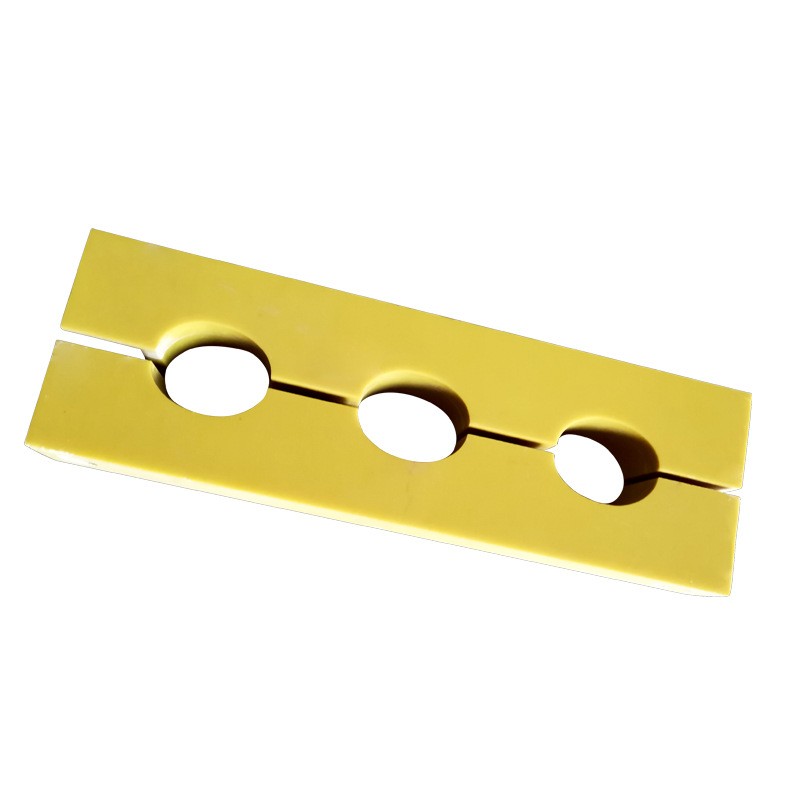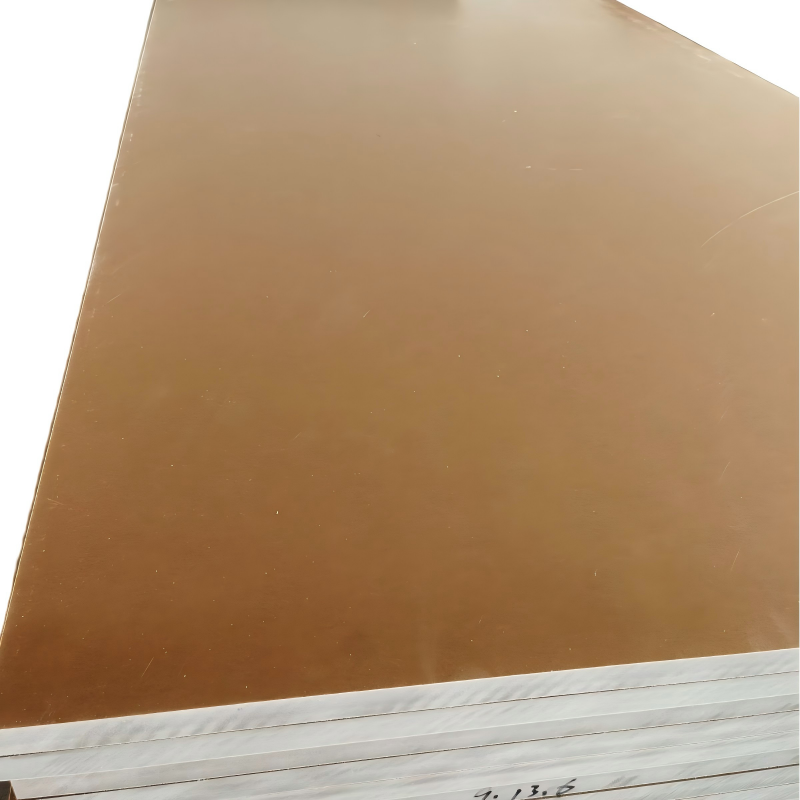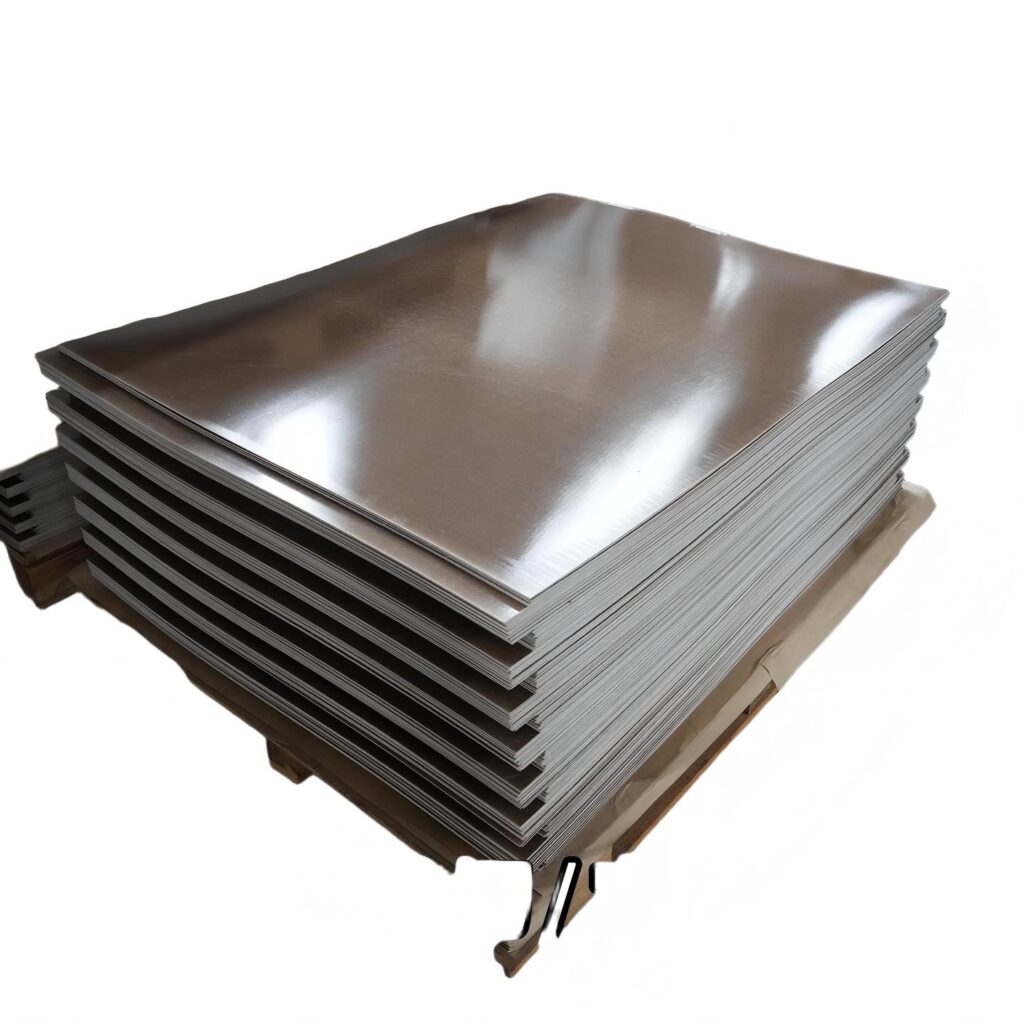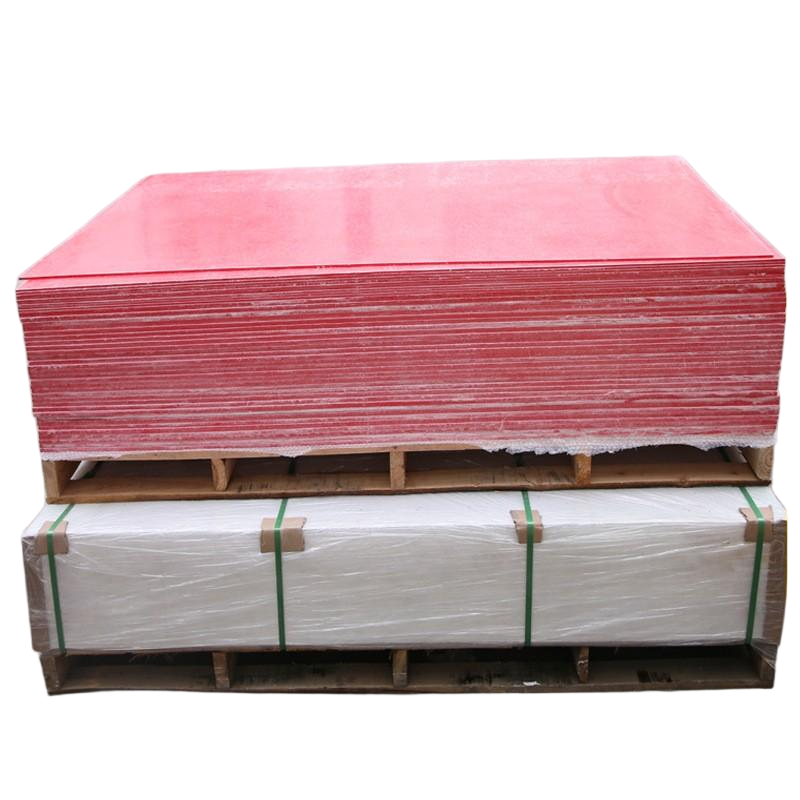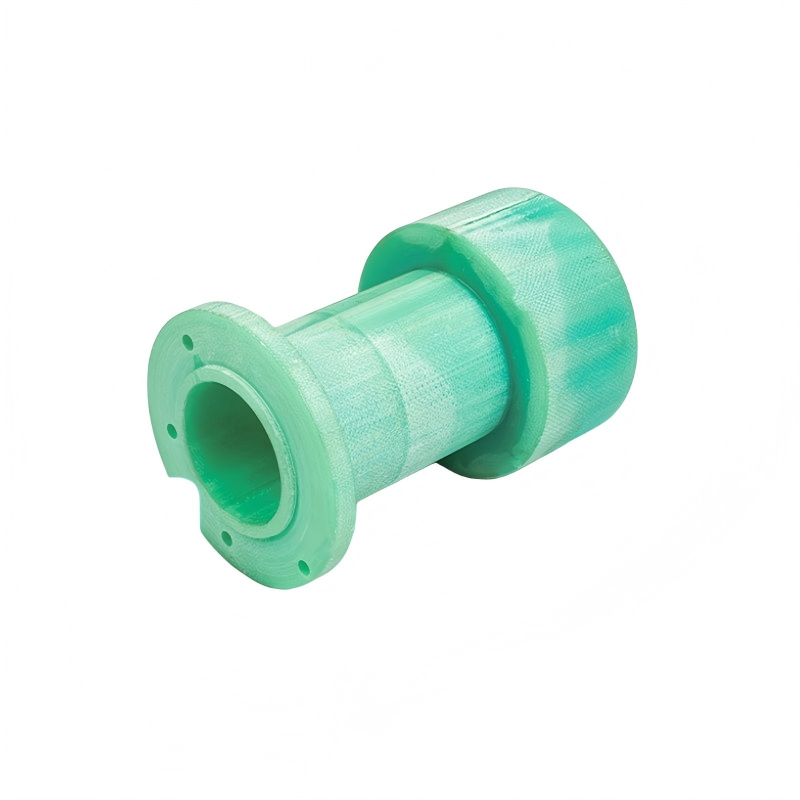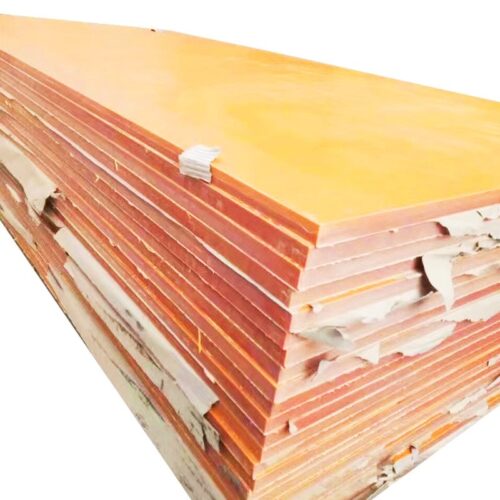
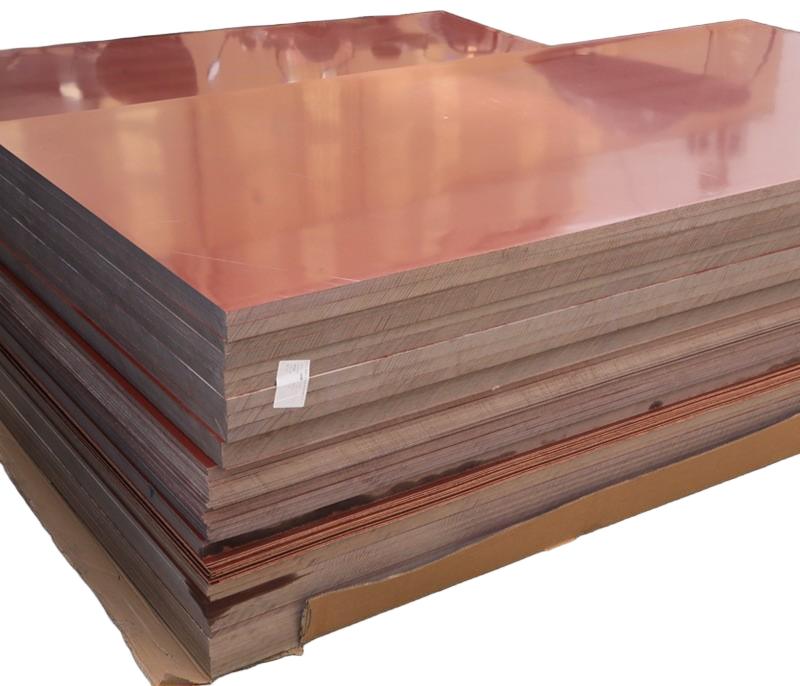
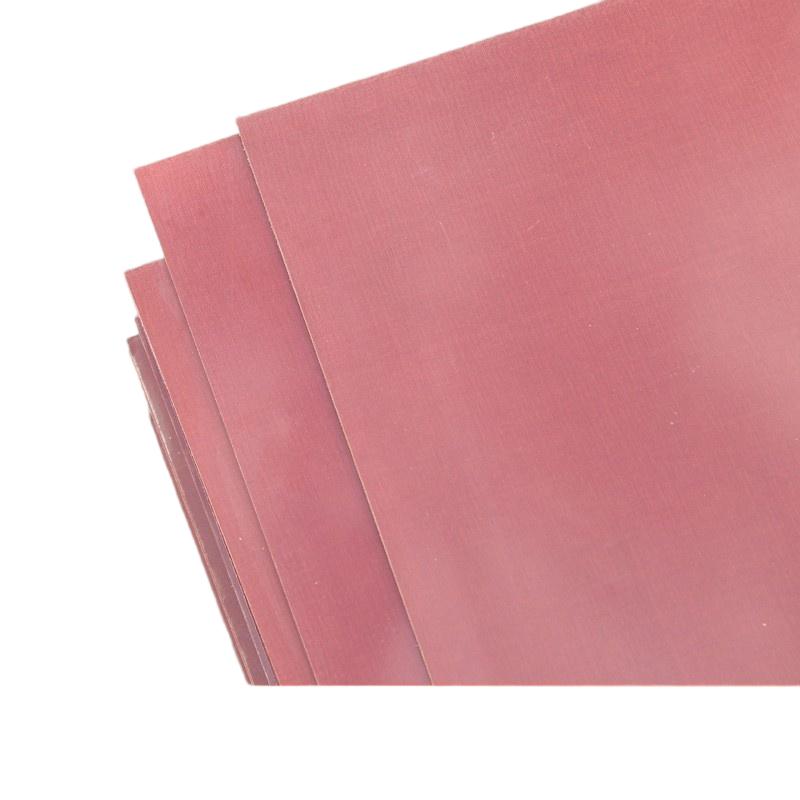
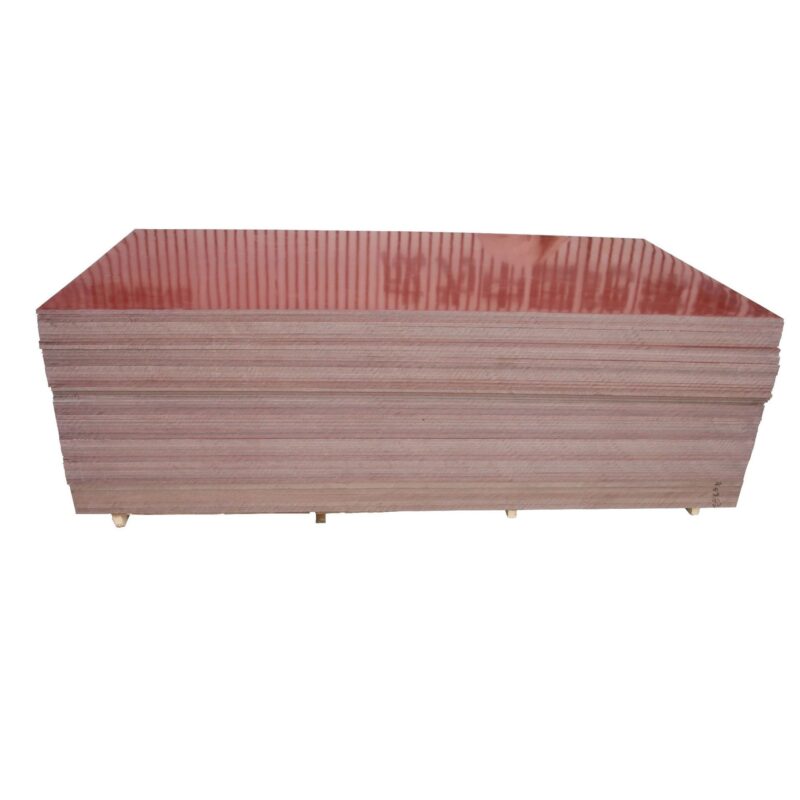

3025 Phenolic Cotton Cloth Laminate
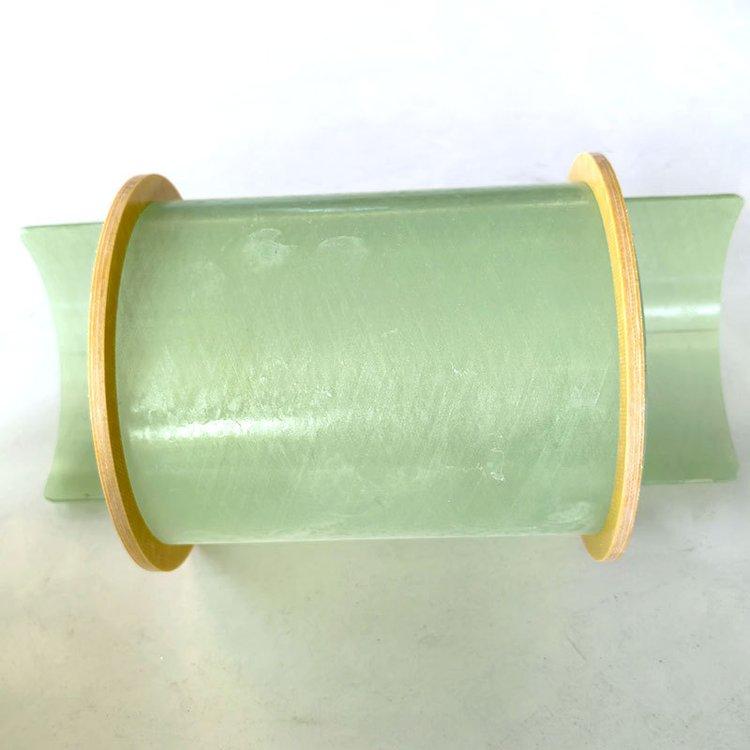
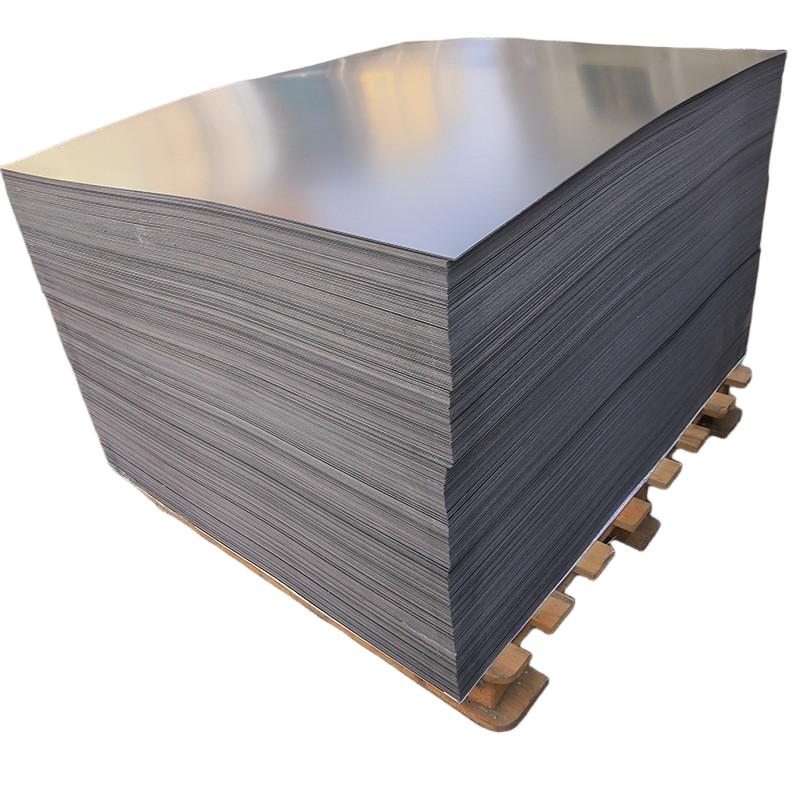
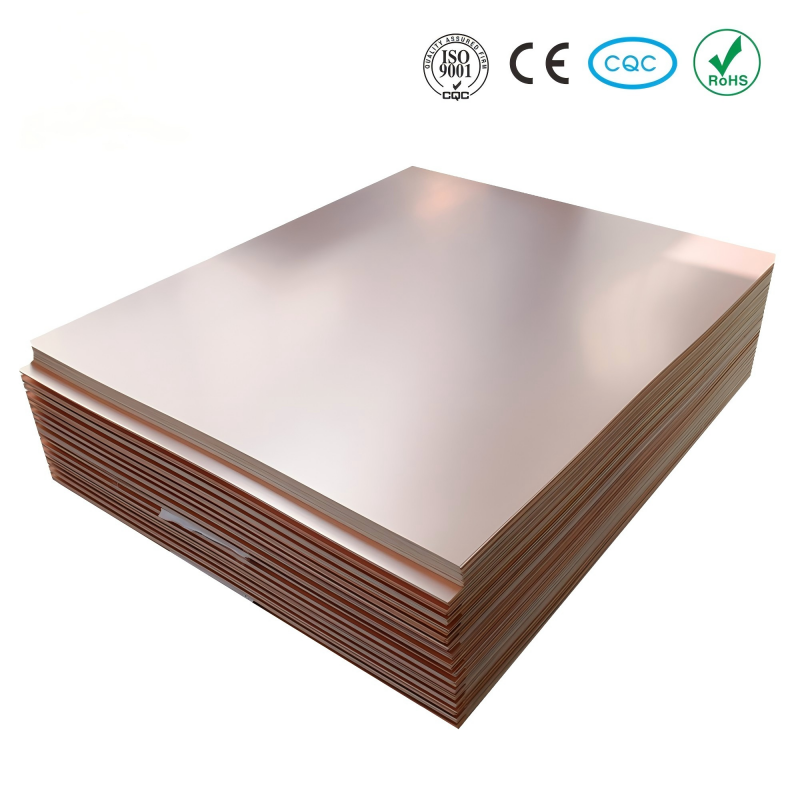
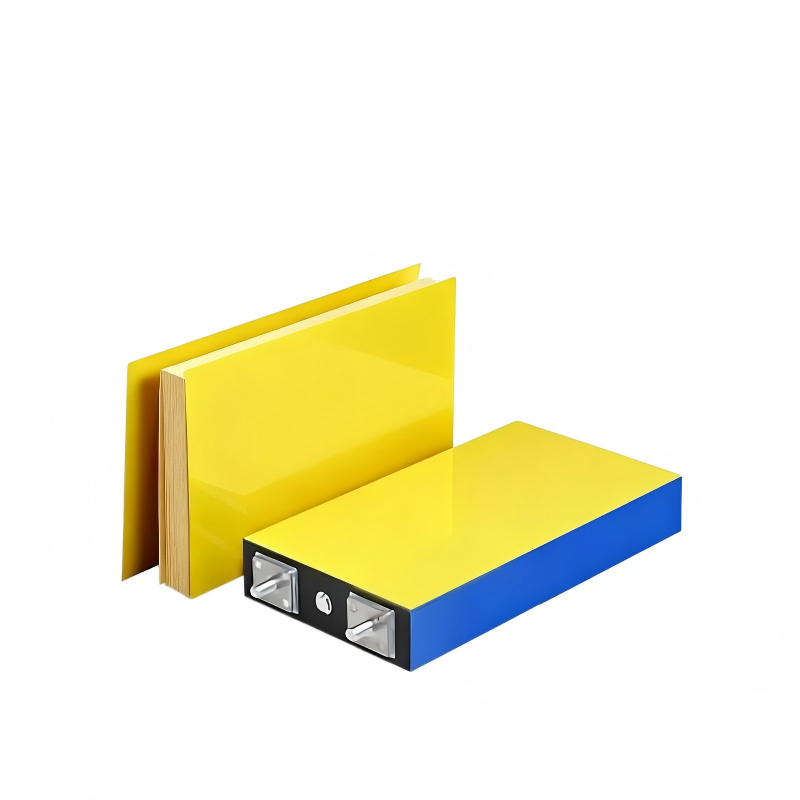
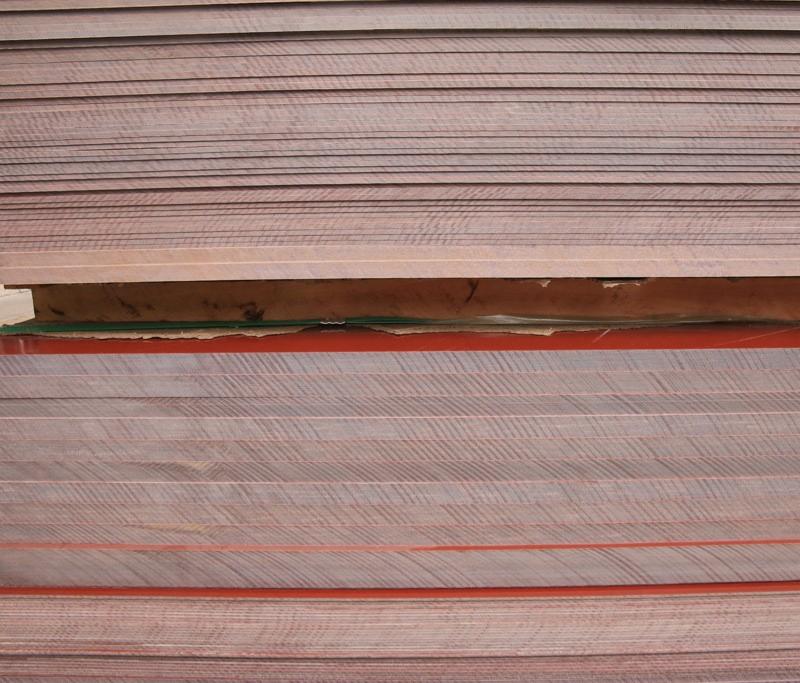
3025 phenolic cotton laminate is made by impregnating coarse cotton cloth with phenolic resin and then hot-pressing it. It possesses excellent mechanical properties, especially extremely high adhesive strength. It is suitable for insulating structural components in machinery, motors, and electrical equipment, and can also be used in transformer oil.
Application Tips:
(1) Laminates are different from metals, and their processing should be carried out in accordance with JB/Z141 “Mechanical processing method for insulating laminate products”.
(2) Since the thermal conductivity of the laminate is relatively low, a smaller tool feed rate and a higher cutting speed should be used during processing.
(3) The laminate is prone to absorbing moisture after processing, so the insulating varnish is immersed in it for moisture protection.
(4) Laminates are prone to generating a lot of dust and odor during machining. Therefore, ventilation and dust removal, worker labor protection or dust collection equipment should be strengthened.
SJ’s suggestion::
(1) This product is highly hygroscopic and should be stored in a dry and ventilated environment.
(2) If the product gets damp during storage and processing, it should be baked at a low temperature.
(3) The product can be stored for 1 year. After the storage period, it can still be used after passing the inspection.
Technical specifications: (Should comply with the requirements of JB/T8149.2-2000.)
| Serial Number | Indicator Name | unit | The nominal thickness (in millimeters) of the sheet material applicable to the test. | Index value | ||||
| T3025 | T3026 | T3027 | T3028 | |||||
| 1 | appearance | —— | The surface should be flat and smooth, free from impurities and other obvious defects. The end face should be free from delamination and cracks. A small amount of discoloration is permissible. | |||||
| 2 | density | g/cm³ | all | 1.30-1.40 | 1.30-1.40 | 1.30-1.40 | 1.30-1.40 | |
| 3 | Vertical layer bending strength | Megapascal | ≥1.6 | ≥100 | ≥110 | ≥90 | ≥100 | |
| 4 | Apparent flexural modulus | Megapascal | ≥1.6 | ≥(7000) | ≥(7000) | ≥(7000) | ≥(7000) | |
| 5 | Parallel layer impact strength (simply supported beam method, notched specimen) | Choose one of the two to meet the conditions. | kJ/m² | ≥5 | ≥8.8 | ≥(7.0) | ≥7.8 | ≥6.0 |
| 6 | Parallel layer impact strength (cantilever beam method, notched specimen) | kJ/m² | ≥5 | ≥5.4 | ≥5.9 | ≥5.9 | ≥4.9 | |
| 7 | Parallel layer shear strength | Megapascal | ≥5 | ≥(25) | ≥(25) | ≥(20) | ≥(20) | |
| 8 | Tensile strength (longitudinal) | Megapascal | ≥1.6 | ≥(80) | ≥(85) | ≥(60) | ≥(80) | |
| 9 | Vertical layer electrical strength
(The temperature in the transformer oil is 90±2°C). |
MV/m | ≤3 | See Table 1 | ||||
| 10 | Parallel layer breakdown voltage (90±2°C in transformer oil). | KV | >3 | ≥1 | ≥1 | ≥18 | ≥20 | |
| 11 | Relative permittivity (48Hz~62Hz). | – | ≤3 | – | – | ≤5.5 | ≤5.5 | |
| 12 | Insulation resistance after immersion in water | Oh | all | ≥1.0× 10⁶ | ≥1.0× 10⁶ | ≥5.0× 10⁷ | ≥5.0× 10⁷ | |
| 13 | Compared with the leakage trace index | ≥3 | ≥(100) | ≥(100) | ≥(100) | ≥(100) | ||
| 14 | Long-term heat resistance (TI). | ≥3 | ≥(120) | ≥(120) | ≥(120) | ≥(120) | ||
| 15 | Load deformation temperature | ℃ | ||||||
| 16 | Absorbency | mg | all | See Table 2 | ||||
| Note: The values in the scratches are typical values and are for general reference only, and are not requirements of this standard. | ||||||||
SJ’s processing equipment: