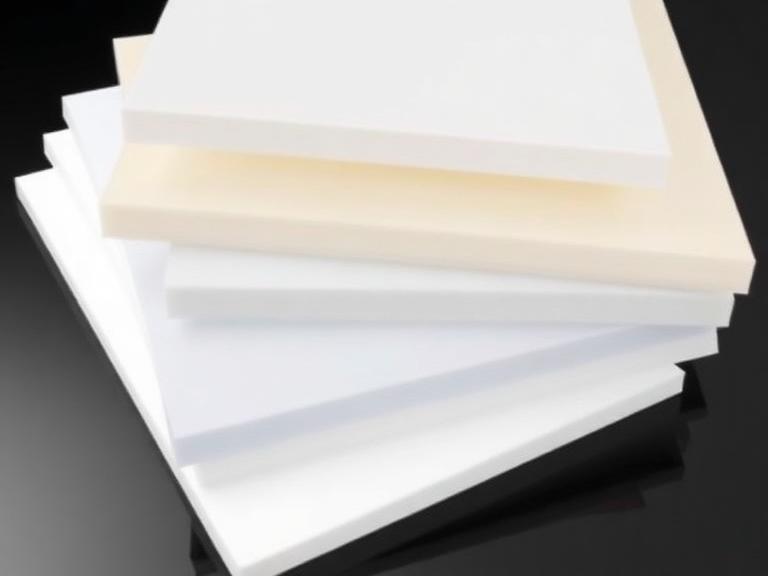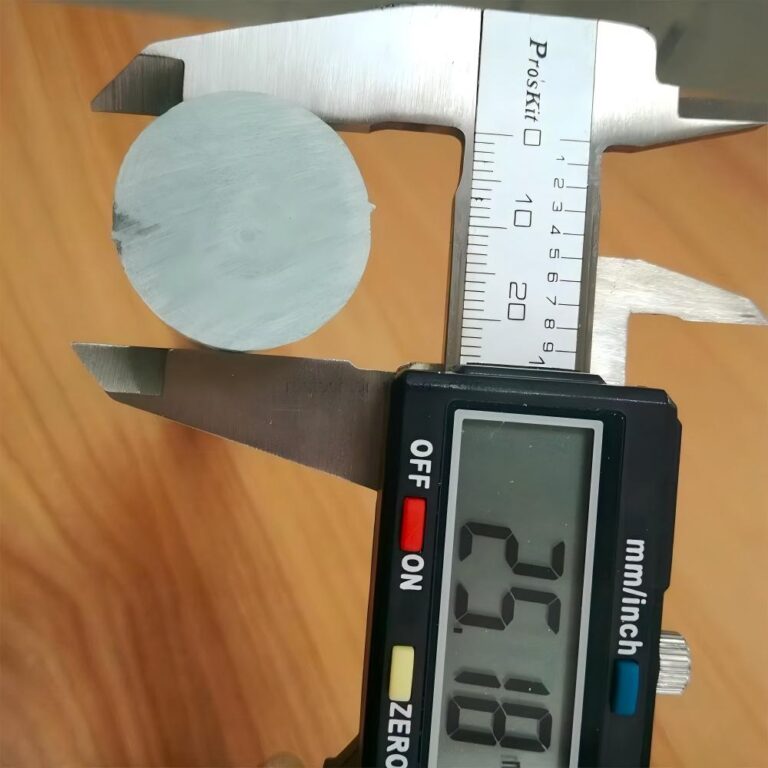
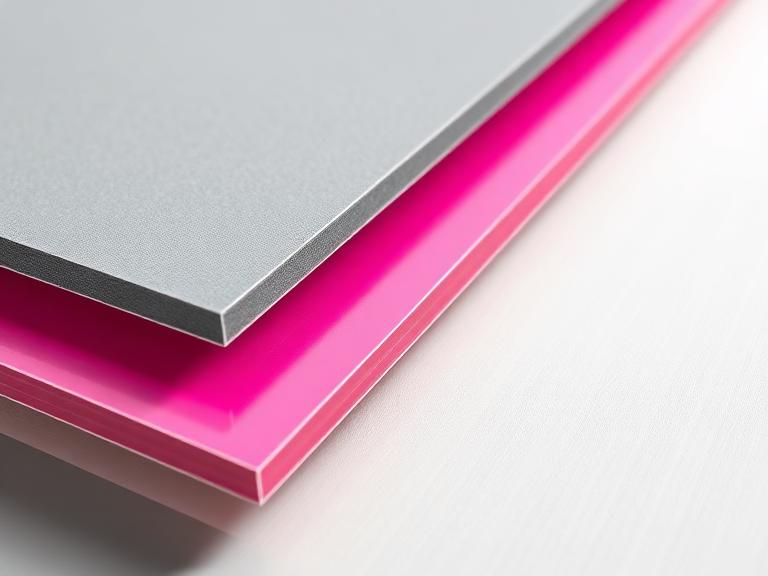
The industrial landscape of 2026 continues to place unprecedented demands on structural and electrical engineering materials. Procurement managers, facility designers, and construction engineers are constantly evaluating the delicate balance between material performance and procurement budgets. Among the most critical materials evaluated in high-stress environments are composite laminates. However, accurately forecasting the Fiberglass reinforced plastic panels cost has become increasingly complex due to fluctuating raw material indices, advancements in resin technology, and regional manufacturing disparities. To make informed purchasing decisions, one must look beyond the surface-level price tag and analyze the comprehensive lifecycle value of these engineered materials.
From our experience as a leading manufacturer, we know that the true Fiberglass reinforced plastic panels cost is dictated by the precise chemical composition, the quality of the glass matrix, and the precision of the final machining. Sjcncinsulation is a modern manufacturing enterprise specializing in the production, processing, sales, and service of insulation materials and plastic sheets. The company is located in Houqiao Industrial Park, Xinwu District, Wuxi City, Jiangsu Province, China. We are supported by a young and highly skilled team of engineers with strong R&D capabilities, as well as a professional sales team. In this authoritative guide, we will dissect the variables that dictate the Fiberglass reinforced plastic panels cost in 2026, explore our premium product categories, and provide actionable procurement strategies for industrial buyers.
Table of Contents
- 1. Market Dynamics: What Drives the Fiberglass Reinforced Plastic Panels Cost in 2026?
- 2. The Direct Manufacturer Advantage with Sjcncinsulation
- 3. Evaluating Our Core Products and Their Impact on the Fiberglass Reinforced Plastic Panels Cost
- 4. Hidden Savings: How Custom Machining Lowers the Fiberglass Reinforced Plastic Panels Cost
- 5. Summary Table: Breakdown of the Fiberglass Reinforced Plastic Panels Cost Factors
- 6. Frequently Asked Questions (FAQs)
- 7. References
1. Market Dynamics: What Drives the Fiberglass Reinforced Plastic Panels Cost in 2026?
Understanding the current economic and technological drivers is essential for any procurement strategy. The Fiberglass reinforced plastic panels cost is not static; it is highly elastic and responsive to several macroeconomic and technical variables. Primarily, the cost of the raw petrochemical derivatives used to formulate epoxy and phenolic resins directly impacts the baseline production expenses. In 2026, the transition toward more refined, high-dielectric resins has slightly elevated raw material costs, but this is offset by the significantly longer operational lifespan these advanced materials provide.
Furthermore, the density and weaving technique of the glass fiber matrix play a massive role in the final Fiberglass reinforced plastic panels cost. High-density woven E-glass provides superior mechanical strength and thermal stability, which is mandatory for aerospace, electrical switchgear, and heavy transit applications. From our experience, attempting to artificially lower the Fiberglass reinforced plastic panels cost by sourcing materials with substandard glass-to-resin ratios inevitably leads to catastrophic mechanical failure, electrical arcing, and massive replacement costs down the line. We recommend viewing the Fiberglass reinforced plastic panels cost as a foundational investment in operational safety and mechanical reliability.
2. The Direct Manufacturer Advantage with Sjcncinsulation
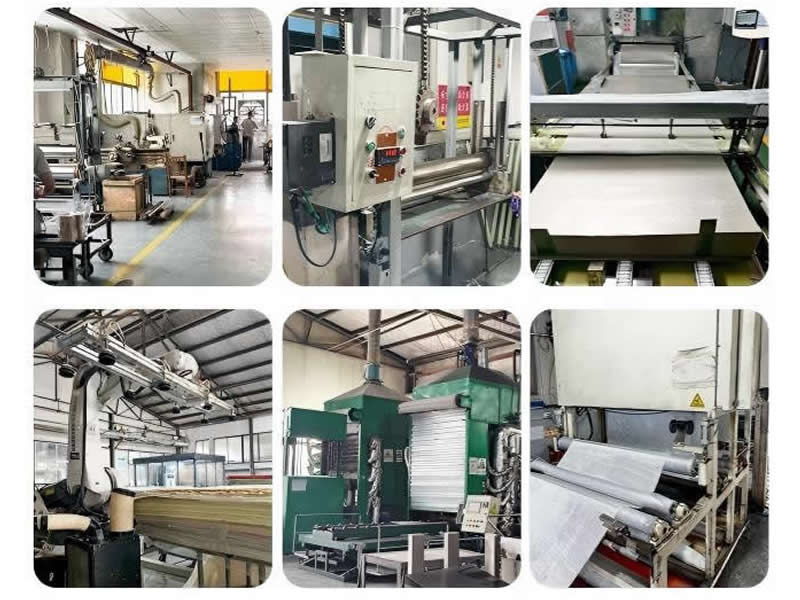
One of the most effective methods to optimize the Fiberglass reinforced plastic panels cost is to eliminate the middleman and partner directly with a primary manufacturing facility. Brokers and third-party distributors inherently inflate the Fiberglass reinforced plastic panels cost to protect their own profit margins, often while obscuring the true origin and technical specifications of the materials they sell.
Sjcncinsulation mitigates this issue entirely. As a modern manufacturing enterprise specializing in the production, processing, sales, and service of insulation materials and plastic sheets, we maintain absolute control over our entire supply chain. Because our company is located in Houqiao Industrial Park, Xinwu District, Wuxi City, Jiangsu Province, China, we operate within one of the world’s most advanced industrial manufacturing hubs. This strategic location provides us with streamlined access to raw materials and highly efficient global shipping networks, allowing us to suppress overhead and offer a highly competitive Fiberglass reinforced plastic panels cost to our international partners.
Furthermore, our operations are supported by a young and highly skilled team of engineers with strong R&D capabilities, as well as a professional sales team. This intellectual capital allows us to rapidly develop bespoke formulations for our clients, ensuring that you only pay for the specific thermal or electrical properties your project requires, thereby optimizing the overall Fiberglass reinforced plastic panels cost without compromising on safety.
3. Evaluating Our Core Products and Their Impact on the Fiberglass Reinforced Plastic Panels Cost
To accurately assess the Fiberglass reinforced plastic panels cost, buyers must align the specific material properties with their intended application. Over-specifying a material leads to unnecessary expenditure, while under-specifying leads to premature failure. Here is a professional evaluation of our primary material categories.
3.1 Epoxy Fiberglass Laminates
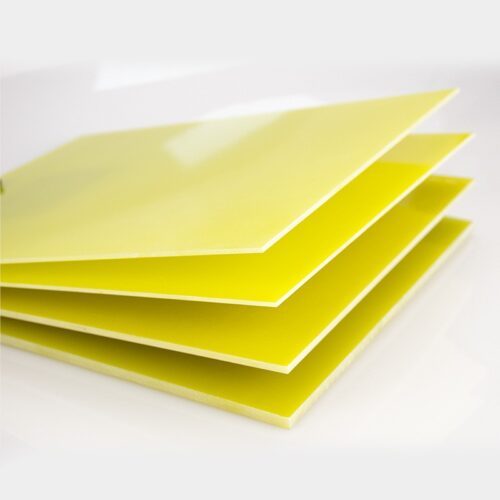
Epoxy Fiberglass Laminates, such as the industry-standard FR4 and G10 grades, are the backbone of modern electrical and mechanical engineering. These laminates are manufactured by impregnating woven glass fabric with an epoxy resin binder under extreme heat and pressure. The resulting material boasts near-zero water absorption, exceptional tensile strength, and massive dielectric resistance. While the initial Fiberglass reinforced plastic panels cost for premium epoxy laminates may be higher than lower-grade polyesters, their performance in high-voltage environments (such as transformers, switchboards, and printed circuit boards) justifies the investment. We recommend Epoxy Fiberglass Laminates for any application where dimensional stability under thermal stress is non-negotiable.
3.2 Phenolic Resin Laminates
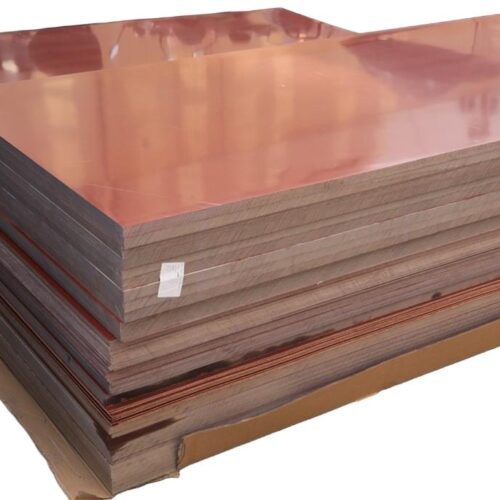
For applications where impact resistance, machinability, and cost-efficiency are prioritized over absolute electrical insulation, Phenolic Resin Laminates (often utilizing paper or cotton fabric substrates) are highly effective. The Fiberglass reinforced plastic panels cost associated with phenolic materials is generally lower than that of high-end epoxies. These materials are heavily utilized in the production of gears, wear plates, pulleys, and insulating washers. From our experience, integrating Phenolic Resin Laminates into low-voltage or purely mechanical assemblies is a brilliant strategy for reducing the aggregate Fiberglass reinforced plastic panels cost of a large-scale manufacturing project.
3.3 Engineering Plastics and Special Insulation Materials
Beyond traditional laminates, Sjcncinsulation offers a comprehensive range of Engineering Plastics and Special Insulation Materials. These include high-performance thermoplastics designed for extreme chemical resistance and low friction coefficients. By diversifying your material selection, you can precisely control your project budget. Often, a hybrid approach—utilizing rigid epoxy laminates for structural supports and flexible Engineering Plastics for moving components—yields the most favorable overall Fiberglass reinforced plastic panels cost. Additionally, we supply specialized Insulating Tape /Film to complement our rigid panels, providing complete dielectric sealing for complex electrical assemblies.
4. Hidden Savings: How Custom Machining Lowers the Fiberglass Reinforced Plastic Panels Cost
When procurement teams calculate the Fiberglass reinforced plastic panels cost, they frequently overlook the exorbitant expenses associated with secondary processing. Purchasing raw, uncut sheets requires your facility to invest in specialized cutting tools, dust extraction systems, and highly trained machine operators. Fiberglass dust is highly abrasive and poses severe respiratory hazards, necessitating expensive environmental controls.
At Sjcncinsulation, we offer precision Custom Machining services directly from our factory floor. By utilizing advanced CNC routing, waterjet cutting, and precision drilling equipment, we deliver components that are perfectly toleranced and ready for immediate assembly. This radically transforms the Fiberglass reinforced plastic panels cost equation. When you utilize our Custom Machining services, you eliminate material waste, eradicate in-house machining hazards, and drastically accelerate your production timeline. We highly recommend factoring these operational savings into your analysis of the final Fiberglass reinforced plastic panels cost.
5. Summary Table: Breakdown of the Fiberglass Reinforced Plastic Panels Cost Factors
To assist our clients in structuring their 2026 procurement strategies, we have compiled a definitive summary table outlining the variables that dictate the final Fiberglass reinforced plastic panels cost.
| Cost Variable | Impact on the Fiberglass Reinforced Plastic Panels Cost | Sjcncinsulation Solution & Recommendation |
|---|---|---|
| Resin Formulation | Advanced epoxies cost more than standard phenolics but offer superior dielectric and mechanical strength. | Consult with our R&D team to match the precise Epoxy or Phenolic Resin Laminates to your exact operational requirements. |
| Supply Chain Intermediaries | Brokers and localized distributors add massive markups to the base factory price. | Purchase directly from our Wuxi City manufacturing facility to secure the lowest authentic Fiberglass reinforced plastic panels cost. |
| Secondary Machining | In-house cutting generates toxic dust, ruins standard tooling, and wastes raw material. | Utilize our Custom Machining services to receive assembly-ready parts, completely eliminating onsite processing costs. |
| Material Yield and Waste | Purchasing standard sheet sizes often leaves unusable offcuts, driving up the effective cost per part. | Our engineers optimize CNC nesting paths during Custom Machining to maximize yield and lower the final Fiberglass reinforced plastic panels cost. |
6. Frequently Asked Questions (FAQs)
7. References
- National Electrical Manufacturers Association (NEMA) – Standards for Industrial Laminated Thermosetting Products
- ASTM International – Standard Test Methods for Rigid Sheet and Plate Materials Used for Electrical Insulation
- Institute of Electrical and Electronics Engineers (IEEE) – Guidelines for Dielectric Material Selection in High-Voltage Environments