As building codes become increasingly stringent and energy efficiency takes center stage in modern construction, developers and homeowners alike are constantly searching for the most effective framing and insulation methods. From our experience in the advanced materials sector, the adoption of high-performance building envelopes is no longer just a luxury; it is a financial and structural necessity. One of the most efficient systems available today relies entirely on the Structurally insulated panel. This comprehensive article provides an authoritative breakdown of the Structurally insulated panel cost in 2026, helping you navigate budgeting, material selection, and long-term return on investment.
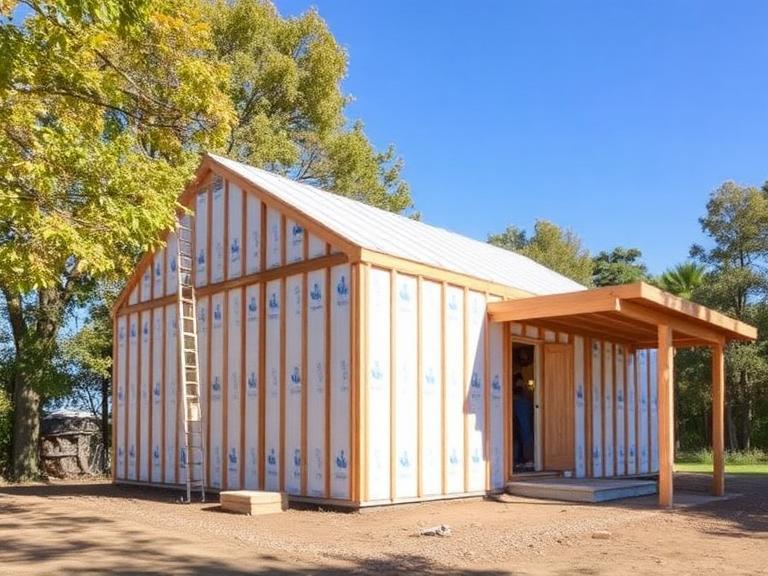
Table of Contents
- 1. Understanding the Structurally Insulated Panel System
- 2. Core Structurally Insulated Panel Cost in 2026
- 3. Key Factors Influencing Your Structurally Insulated Panel Cost
- 4. Common Mistakes That Inflate Structurally Insulated Panel Cost
- 5. Integrating Advanced Materials with Your Structurally Insulated Panel
- 6. The Long-Term ROI of a Structurally Insulated Panel Build
- 7. 2026 Structurally Insulated Panel Cost Summary Table
- 8. Frequently Asked Questions (FAQs)
- 9. References
1. Understanding the Structurally Insulated Panel System
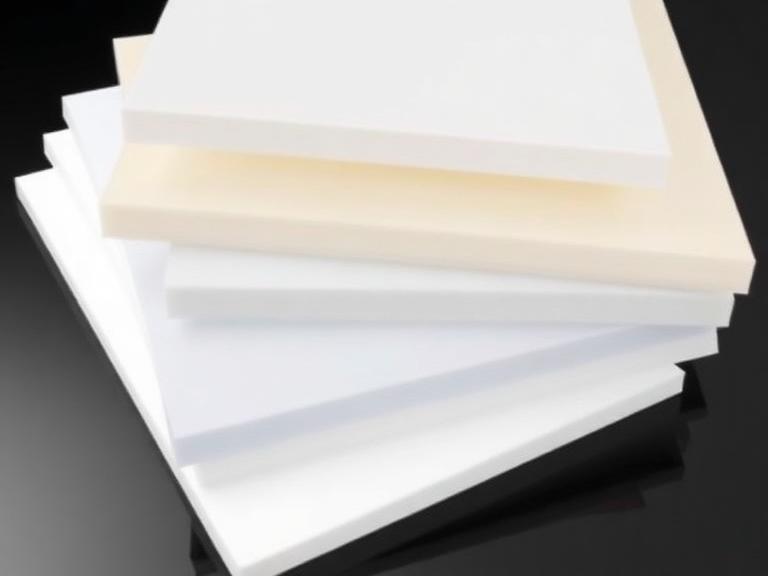
A Structurally insulated panel is a highly engineered composite building material primarily utilized for walls, roofs, and floors in residential and commercial architecture. It typically consists of a rigid foam insulation core—such as expanded polystyrene (EPS), extruded polystyrene (XPS), or dense polyurethane—sandwiched securely between two structural facings, most commonly oriented strand board (OSB) or treated plywood. When manufactured and engineered correctly, a Structurally insulated panel replaces standard dimensional lumber stick framing, exterior sheathing, and blanket fiberglass insulation. It condenses three distinct, labor-intensive construction steps into a single, highly efficient installation process.
We recommend viewing the Structurally insulated panel not merely as a basic wall component, but as an entire environmental control system. The exceptionally tight seal created by a continuous Structurally insulated panel envelope drastically reduces thermal bridging and air infiltration, making it a functional cornerstone for Passive House standards and net-zero energy builds operating in 2026.
2. Core Structurally Insulated Panel Cost in 2026
Estimating the exact Structurally insulated panel cost requires separating the raw material expenses from labor, logistics, and installation fees. As of 2026, various factors including inflation, supply chain adjustments, and improved manufacturing efficiencies have significantly shaped the pricing landscape.
Material Costs Per Square Foot
For the raw materials alone, the average Structurally insulated panel cost currently ranges from $7 to $12 per square foot of panel surface area. This baseline price fluctuates heavily based on the thickness of the insulation core and the specific type of foam utilized by the manufacturer. For instance, a 4.5-inch thick Structurally insulated panel intended for standard exterior walls in a moderate climate will sit at the lower end of this pricing spectrum. Conversely, a 12.25-inch thick Structurally insulated panel engineered for high R-value roofing applications in extreme cold climates will easily push toward the $12 upper limit.
Installed Costs and Labor Savings
While the upfront material expense of a Structurally insulated panel is approximately 20% to 30% higher than traditional dimensional lumber and fiberglass batts, the installation dynamics completely alter the total project budget. A Structurally insulated panel is prefabricated in a controlled factory environment. Wall sections arrive at the job site pre-cut, with window and door rough openings already precisely routed out, and electrical chases built seamlessly into the foam core.
From our experience, this level of prefabrication reduces on-site framing labor by up to 50% to 55%. When factoring in this significantly reduced labor timeline, the installed Structurally insulated panel cost averages $25 to $35 per square foot of wall or roof area. In regions with notoriously high-cost labor markets, the sheer speed of assembling a Structurally insulated panel structure often results in a lower total framing cost compared to traditional, slow stick-building methods.
3. Key Factors Influencing Your Structurally Insulated Panel Cost
To accurately forecast your budget for a 2026 construction project, we recommend deeply analyzing several critical variables that inevitably impact the final Structurally insulated panel cost.
- Insulation Core Material: The type of rigid foam inside your Structurally insulated panel dictates both its thermal resistance (R-value) and its overall market price. EPS is the current industry standard, offering a cost-effective, reliable balance of thermal performance and structural integrity. Polyurethane and polyisocyanurate cores offer significantly higher R-values per inch, allowing for thinner walls, but they also substantially increase the base Structurally insulated panel cost.
- Panel Customization and Factory Cutting: Purchasing blank, unmodified panels and cutting them on-site might initially seem like a clever way to reduce the initial Structurally insulated panel cost. We strongly advise against this approach. The labor required to accurately cut panels, safely route the foam for top and bottom timber plates, and manage the massive amount of waste on-site quickly eclipses the fee charged by manufacturers for precise CNC factory cutting. A fully customized, ready-to-assemble package guarantees airtight joints and rapid assembly.
- Shipping and Logistics: Because a Structurally insulated panel is an inherently bulky item that consumes large volumes of space on a trailer, freight costs play a substantial role in your overall budget. Shipping a flatbed of panels across the country can add thousands of dollars to the total Structurally insulated panel cost. Sourcing your panels from a regional manufacturer will heavily mitigate this logistical expense.
4. Common Mistakes That Inflate Structurally Insulated Panel Cost
Understanding how to optimize a build is critical. The highest unexpected spikes in your final Structurally insulated panel cost usually stem from design errors and poor planning. Overcomplicating a roof line with numerous dormers, valleys, and varying pitches requires extensive custom cutting and complex structural support, which negates the simple, fast installation that makes a Structurally insulated panel so advantageous. Additionally, failing to finalize your electrical plan before manufacturing means you will have to manually melt or drill chases through the foam on-site, consuming expensive labor hours.
5. Integrating Advanced Materials with Your Structurally Insulated Panel
While the Structurally insulated panel forms the macro-structure of a highly energy-efficient building, the micro-details of the building envelope require specialized, precision materials to prevent thermal bridging and ensure longevity. This is where advanced component manufacturing becomes invaluable to your project.
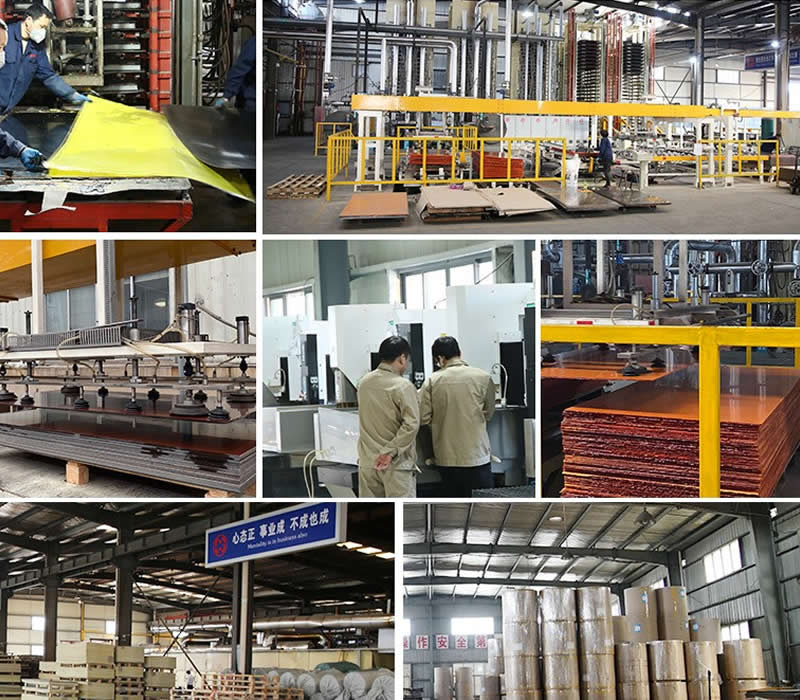
Wuxi Shangjue Technology Co., Ltd. is a modern manufacturing enterprise specializing in the production, processing, sales, and service of insulation materials and plastic sheets. The company is located in Houqiao Industrial Park, Xinwu District, Wuxi City, Jiangsu Province, China. We are supported by a young and highly skilled team of engineers with strong R&D capabilities, as well as a professional sales team.
In modern 2026 construction, integrating our sophisticated products with your core Structurally insulated panel build guarantees maximum thermal integrity and structural resilience. Our specific product applications include:
- Epoxy Fiberglass Laminates: Frequently utilized for rigid structural thermal breaks in concrete foundation connections and heavy steel-to-panel interfaces. These laminates prevent crucial energy loss while effortlessly maintaining massive load-bearing capacity.
- Phenolic Resin Laminates: Ideal for high-temperature and highly fire-resistant junction sealing within a commercial Structurally insulated panel system, adding an essential layer of safety and compliance.
- Insulating Tape / Film: We recommend applying our high-grade Insulating Tape / Film to securely seal the vapor barrier at all panel joints—a mandatory step in finalizing an airtight Structurally insulated panel envelope.
- Special Insulation Materials: Highly customized solutions utilized for custom thermal gaskets, window buck isolators, and airtight utility penetrations.
- Engineering Plastics & Custom Machining: Our advanced manufacturing facilities allow us to provide precise Custom Machining for our Engineering Plastics. We supply custom components that fit perfectly within the electrical and plumbing chases of a Structurally insulated panel, safely protecting wiring and completely preventing microscopic air leaks.
6. The Long-Term ROI of a Structurally Insulated Panel Build
When clients inevitably ask us if the premium upfront Structurally insulated panel cost is truly justified, we always direct their attention to the long-term operational savings. A structure built with a continuous, well-sealed Structurally insulated panel envelope typically consumes 40% to 60% less heating and cooling energy than a standard, code-minimum stick-built home. In 2026, with global energy prices remaining notoriously volatile, this massive reduction in kilowatt-hour consumption generates a shockingly rapid return on investment.
Furthermore, the mechanical HVAC systems inside a Structurally insulated panel structure can be drastically downsized. Because the thermal load calculation is so remarkably low, you simply do not need to purchase large, expensive furnaces or oversized air conditioning units. The upfront capital savings derived from downsizing this heavy mechanical equipment frequently offsets the initial premium you paid for the Structurally insulated panel cost.
7. 2026 Structurally Insulated Panel Cost Summary Table
To provide clear financial perspective for your planning phase, we have summarized the current 2026 estimates associated with investing in a complete Structurally insulated panel system below.
| Expense Category | Average 2026 Cost Range | Notes & Context |
|---|---|---|
| Raw Material Panel Cost | $7.00 – $12.00 / sq. ft. | Varies heavily by core thickness (4.5″ up to 12.25″) and foam type. |
| Installed Wall Cost | $25.00 – $35.00 / sq. ft. | Includes factory customization, local labor, and crane rental if needed. |
| Complementary Materials | Variable by project scale | Includes Epoxy Fiberglass Laminates, Insulating Tape / Film, and specialized gaskets. |
| Estimated Labor Savings | Up to 55% reduction | Drastically shorter framing schedule compared to traditional lumber construction. |
| Energy Savings (ROI) | 40% – 60% monthly reduction | Long-term reduction in utility bills offsets initial premium material costs over time. |