Epoxy Sheet Machining Explained in 3 Minutes
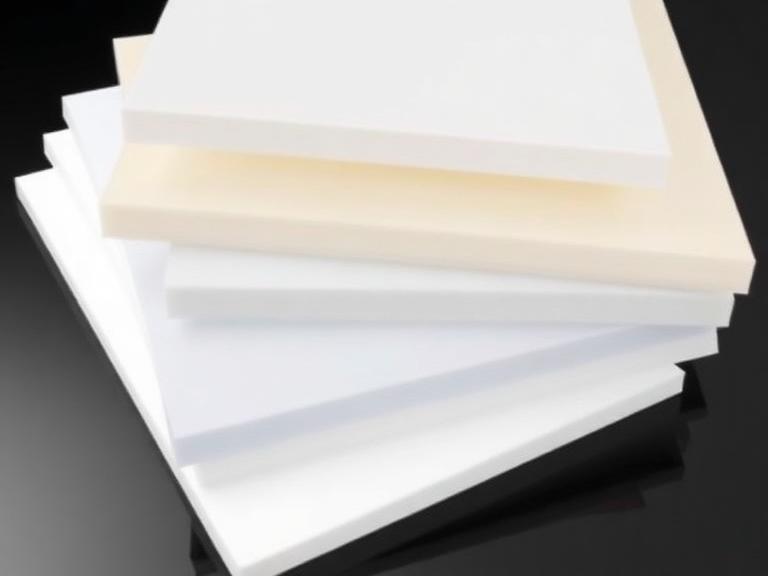
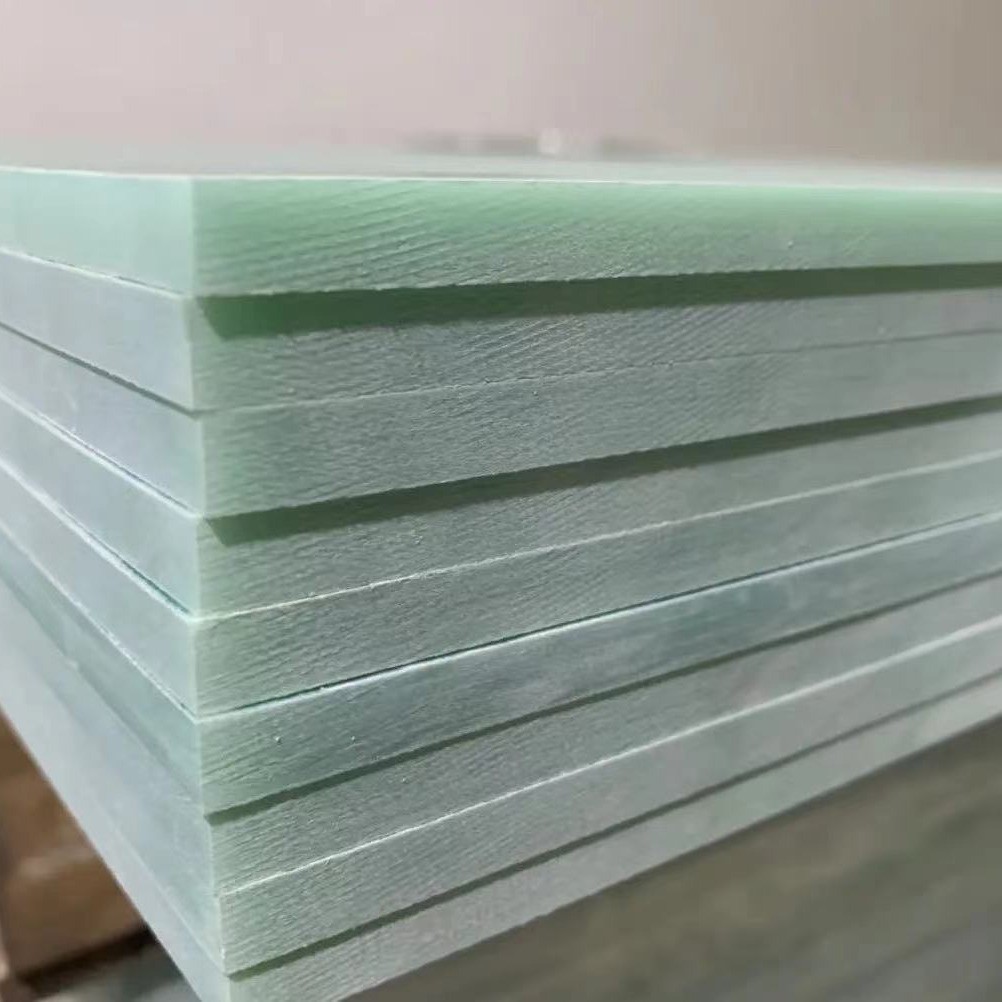
Epoxy sheets, including FR4, G10, and G11 fiberglass laminates, are widely used in electrical insulation, electronics, and industrial equipment manufacturing. Thanks to their excellent mechanical strength, dielectric properties, and thermal resistance, they have become essential materials in modern engineering applications.
With the development of advanced materials such as thermally conductive epoxy laminates and functional composite sheets, epoxy materials are increasingly used in new energy systems, automation equipment, and smart devices.
What is Epoxy Sheet Machining?
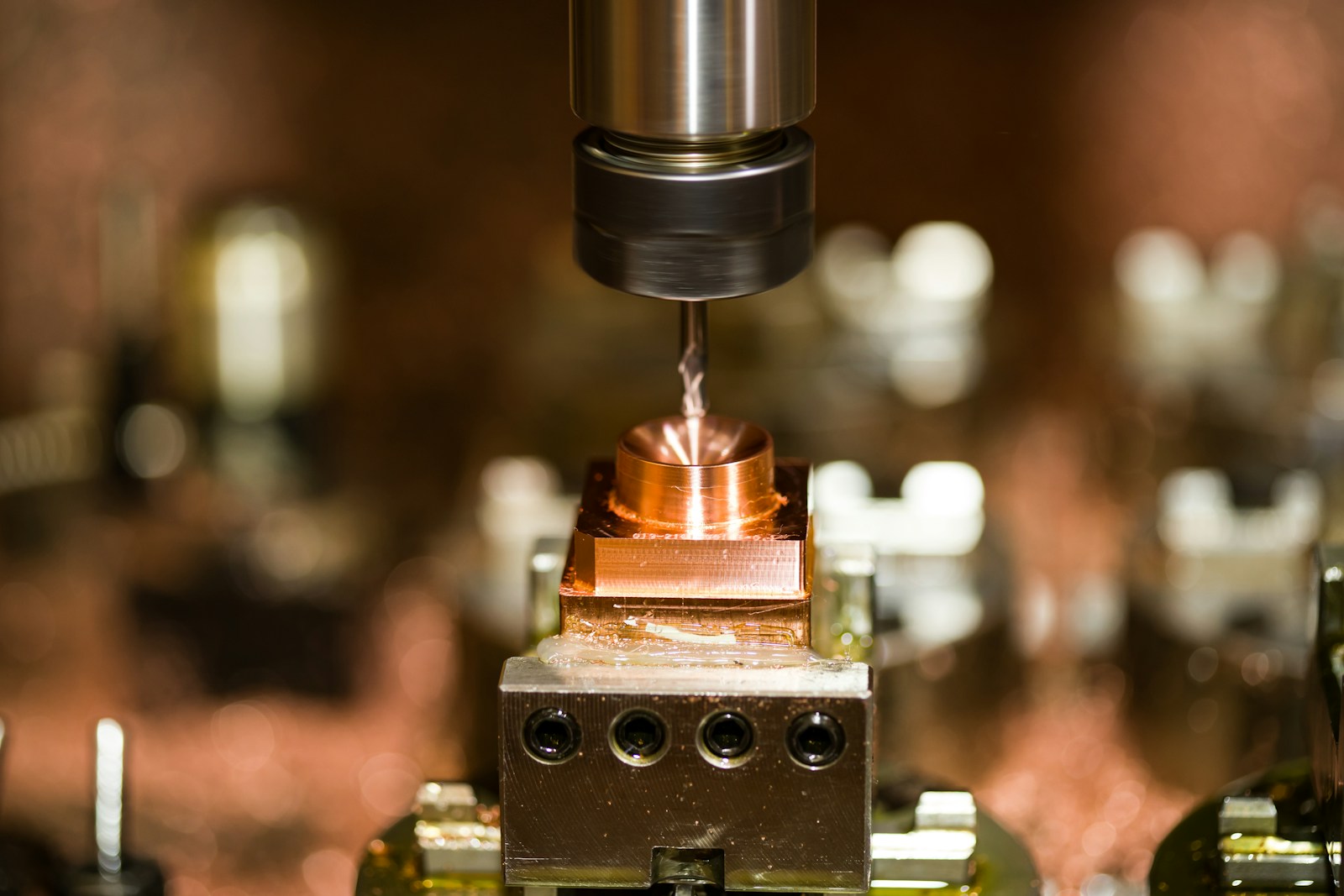
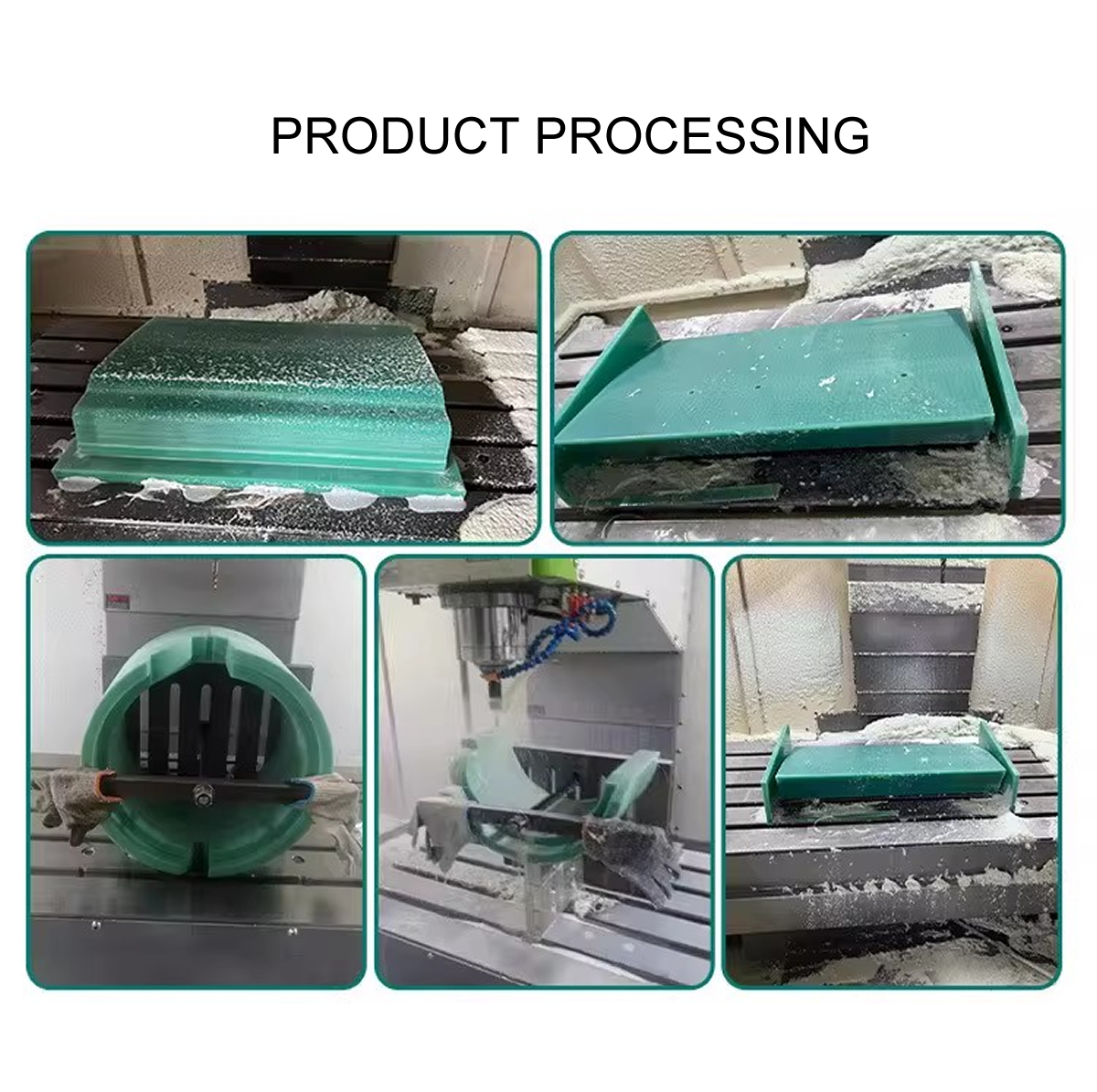
Epoxy sheet machining refers to the process of cutting, drilling, milling, and CNC machining epoxy fiberglass laminates into custom parts based on engineering drawings.
Common machining services include:
- CNC cutting and routing
- Precision drilling
- Milling and shaping
- Custom fabrication of insulation parts
These processes ensure high precision and consistency, especially for applications in electrical and mechanical systems.
Epoxy Sheet Testing Procedures
To ensure quality and performance, epoxy sheets must go through strict inspection and testing processes.
1. Material Preparation
Samples are randomly selected from different production batches to ensure accuracy and reliability. Required tools include:
- Electronic scale
- Measuring tools (calipers, rulers)
- Cutting tools
- Testing fixtures
2. Visual Inspection
The surface of the epoxy sheet is carefully examined using the naked eye or magnification tools to detect:
- Bubbles
- Cracks
- Impurities
A smooth and defect-free surface is essential for both machining quality and final application performance.
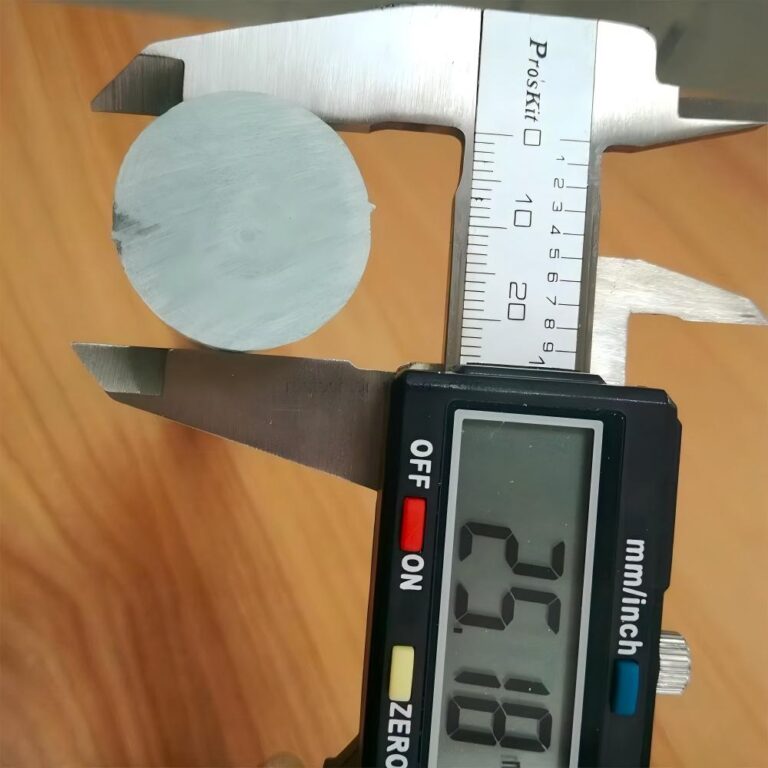
3. Dimensional Measurement
Length, width, and thickness are measured using precision tools such as calipers.
Accurate dimensions are critical because they directly affect:
- Assembly compatibility
- Product performance
4. Mechanical Property Testing
Key mechanical properties include:
- Tensile strength
- Flexural strength
- Compressive strength
These are tested using a universal testing machine to evaluate the material’s ability to withstand external forces.
5. Electrical Property Testing
This is a critical step for insulation materials.
Main testing parameters:
- Dielectric strength
- Volume resistivity
- Surface resistivity
Professional equipment is used to ensure the material meets electrical insulation standards.
6. Additional Testing (Optional)
Depending on application requirements, further tests may include:
- Thermal performance (heat resistance, thermal conductivity)
- Chemical resistance
- Environmental testing (UV resistance, weather resistance)
- Flame retardancy (UL94 V-0)
- Water absorption
- Adhesion strength
- Wear resistance
Applications of Epoxy Machined Parts
Epoxy sheet machining is widely used in:
- Electrical insulation systems
- PCB and electronics industry
- Industrial machinery
- Renewable energy equipment
- Aerospace and automotive sectors
Conclusion
Epoxy sheet machining combines advanced material properties with precision manufacturing, making it a key solution for high-performance industrial applications.
As industries continue to evolve, especially in renewable energy and smart technologies, the demand for high-quality custom epoxy components will keep growing.