What is Epoxy Resin Sheet and Why It Matters
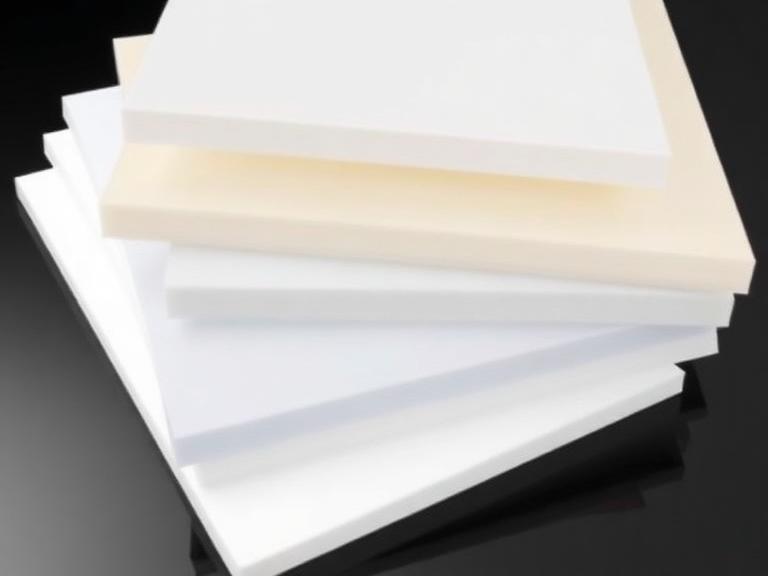
Epoxy resin sheets (such as FR-4, G10, and G11) are widely used engineering materials known for their excellent physical and chemical properties. Thanks to their superior electrical insulation, chemical resistance, high temperature resistance, and mechanical strength, they are extensively applied in industries such as electronics, electrical engineering, chemical processing, and machinery manufacturing.
However, beyond material performance, machinability is a critical factor when selecting epoxy sheets for real-world applications—especially for custom CNC machining parts.
Key Machining Properties of Epoxy Resin Sheets
1. Cutting Performance
Epoxy sheets can be cut using conventional tools such as circular saws, band saws, or shearing tools. However, due to their high hardness, excessive heat may be generated during cutting, which can lead to:
- Burn marks
- Burr formation
- Surface damage
👉 Best Practice:
Use sharp carbide tools and apply coolant to reduce heat buildup and ensure a clean cutting edge.
2. Drilling Capability
Drilling epoxy sheets is relatively straightforward but requires proper tooling.
👉 Recommended tools:
- Carbide drill bits
- Tungsten steel drills
👉 Processing tips:
- Use low speed, high torque settings
- Apply coolant to prevent overheating
- Secure the sheet firmly to avoid vibration
This helps maintain hole accuracy and prevents deformation.
3. Grinding & Surface Finishing
Grinding is typically used to achieve smooth and flat surfaces using:
- Sandpaper
- Grinding wheels
- Belt sanders
👉 Important notes:
- Apply moderate pressure to avoid overheating
- Ensure consistent movement to prevent uneven surfaces
⚠️ Dust is generated during grinding, so proper dust extraction or protective masks are essential.
4. Tapping & Threading
For threaded holes, proper tooling is essential:
- Use high-hardness taps or diamond tools
- Apply controlled force during tapping
Since epoxy sheets are relatively brittle, excessive pressure may cause cracking or chipping.
5. Thermal Processing Considerations
High-temperature processing is generally not recommended, as it may cause:
- Material deformation
- Structural damage
However, localized heating can sometimes be applied for specific forming or post-processing needs.
Common Machining Methods for Epoxy Sheets
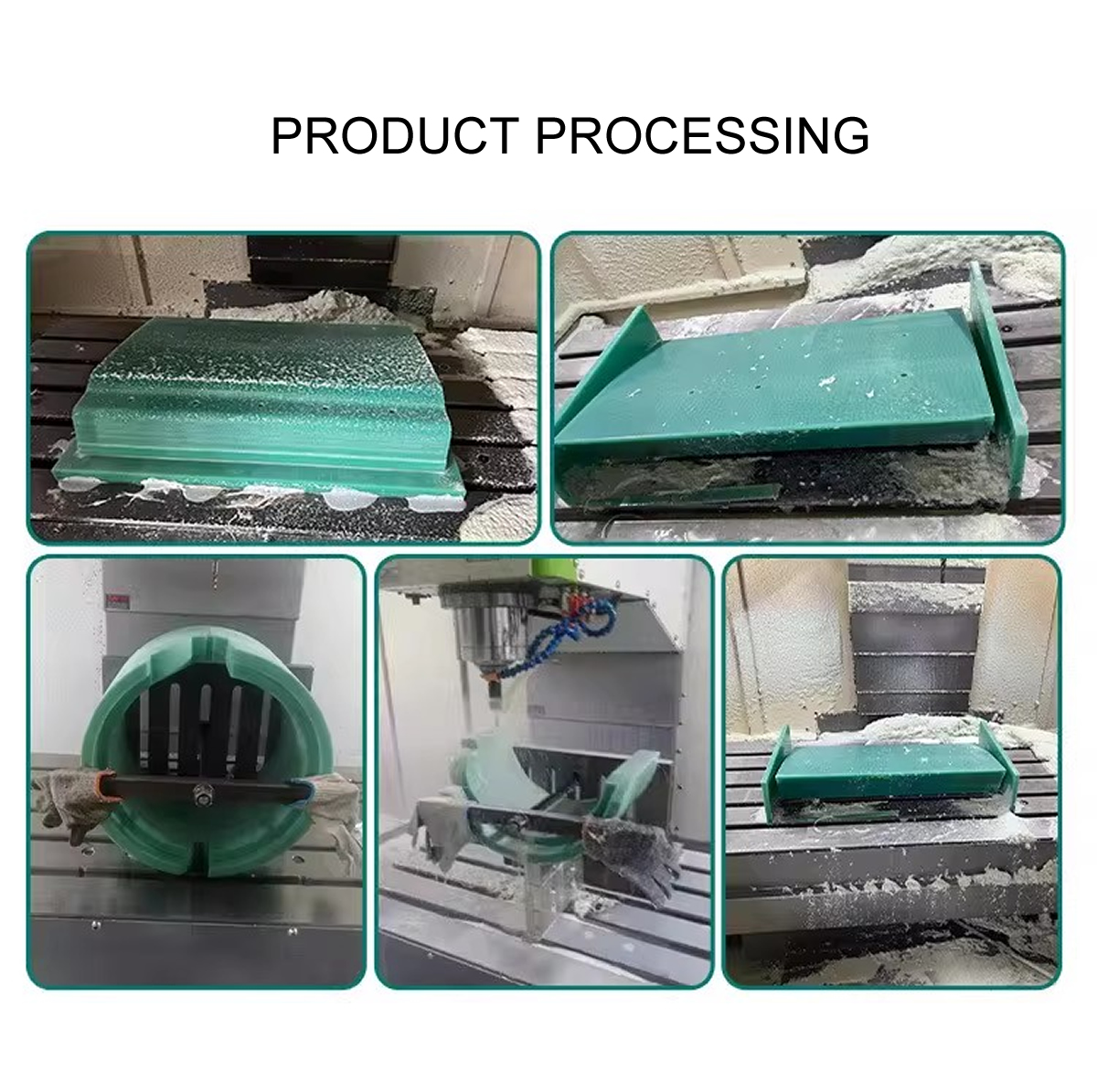
1. CNC & Mechanical Machining
Epoxy sheets are widely processed using CNC machining for high precision applications.
Typical operations include:
- Cutting (sawing or routing)
- Drilling
- Milling
- Surface grinding
👉 CNC machining ensures:
- High precision
- Consistent quality
- Custom complex shapes
2. Bonding & Assembly
Epoxy sheets are often bonded with materials such as:
- Metals
- Glass
- Plastics
👉 Recommended:
- Use high-strength epoxy adhesives
- Apply uniform pressure during bonding
- Avoid air bubbles for strong adhesion
3. Hot Press Forming
Hot pressing is used for producing complex shapes under controlled temperature and pressure.
⚠️ Temperature must be carefully controlled to avoid degrading the resin properties.
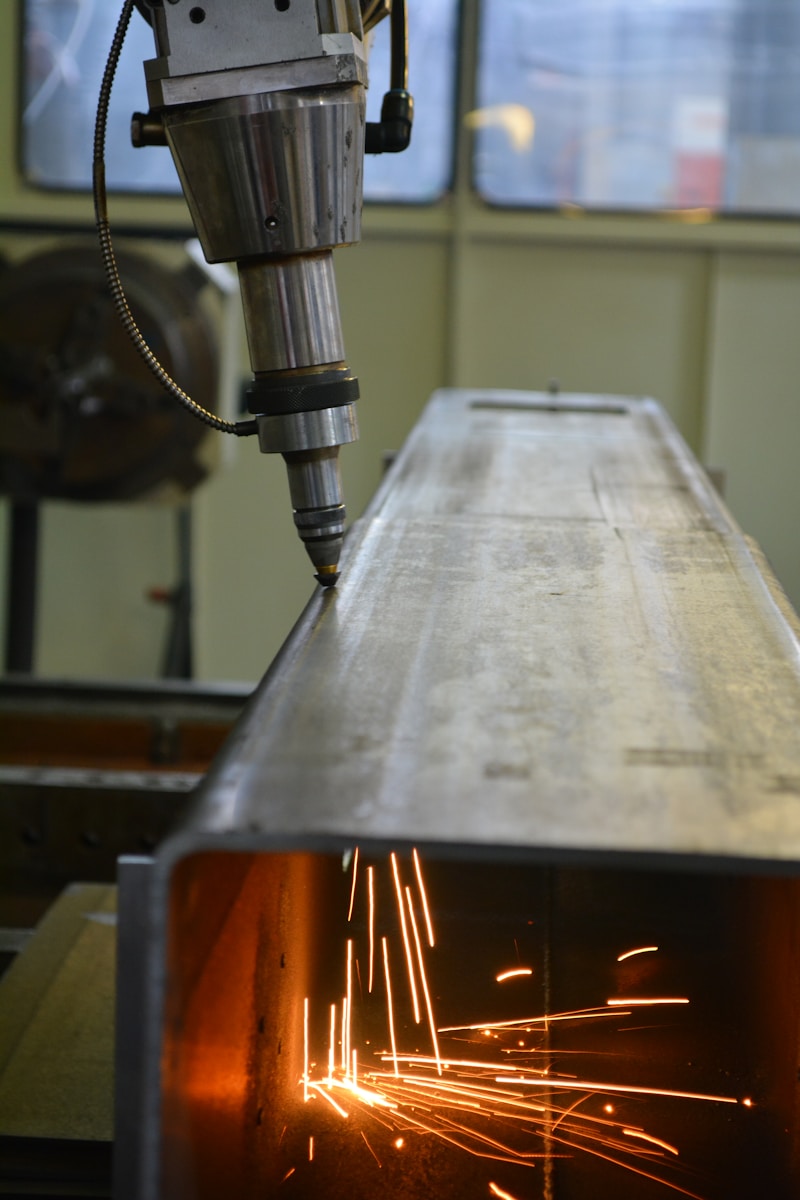
4. Laser Cutting (High Precision Option)
Laser cutting is suitable for high-precision applications and offers:
- Non-contact processing
- Clean edges
- Reduced mechanical stress
However, parameters must be optimized to minimize thermal impact.
Key Considerations During Machining
To achieve the best results, keep the following in mind:
✔ Temperature Control
Excessive heat can cause burning or deformation. Always use coolant or proper cutting parameters.
✔ Tool Selection
Use wear-resistant tools such as:
- Carbide
- Diamond-coated tools
✔ Surface Protection
Processed parts are prone to scratches. Consider polishing for high surface finish requirements.
✔ Dust Management
Machining generates fine dust—use:
- Dust extraction systems
- Protective masks
Conclusion
Epoxy resin sheets offer excellent performance across demanding applications, but their machinability requires proper techniques and tools. By selecting the right machining methods—such as CNC processing, controlled cutting, and proper cooling—you can fully leverage their advantages.
For custom applications, choosing an experienced supplier with advanced machining capabilities is essential to ensure precision, quality, and long-term reliability.
👉 Looking for custom epoxy board machining services?
👉 Contact us today for professional solutions and fast quotation.