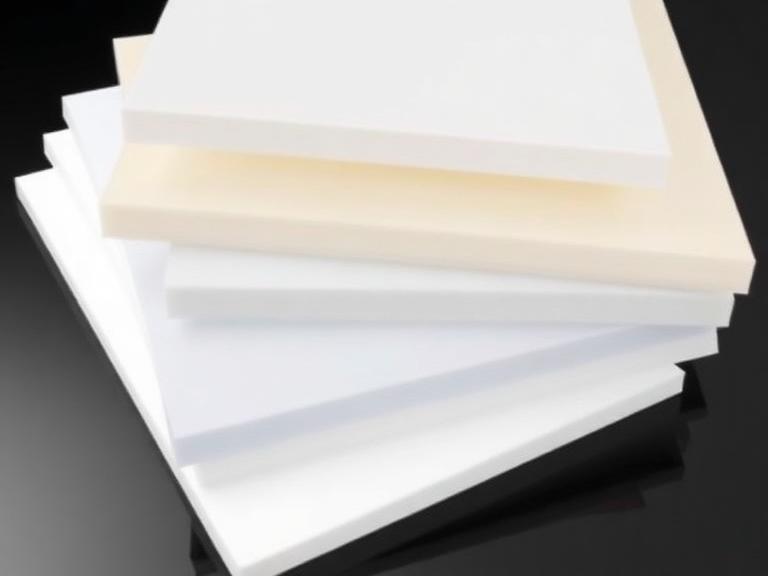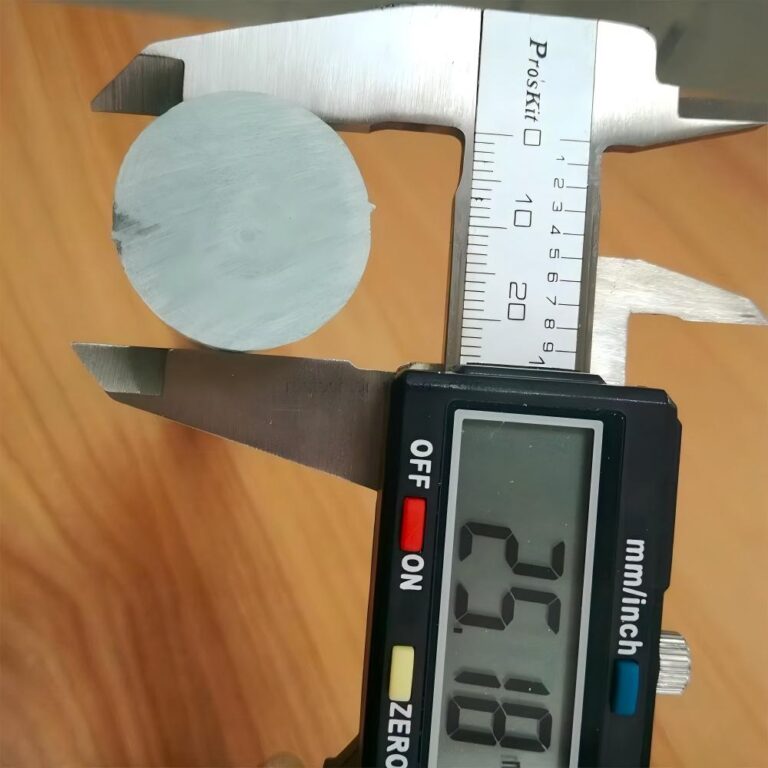
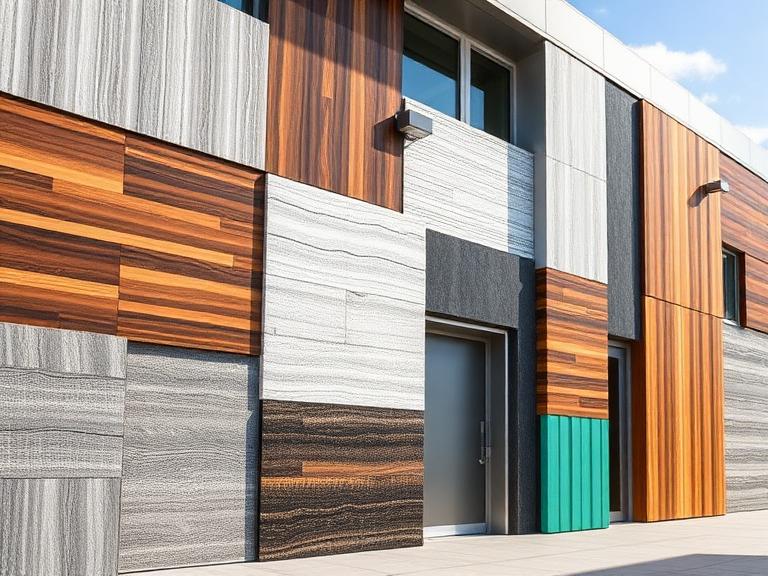
In the demanding field of modern architecture and industrial construction, selecting the optimal cladding material is paramount. Architects, engineers, and facility managers are consistently moving away from traditional, heavy, and corrosion-prone materials in favor of advanced composites. Among these, Fiberglass panels for exterior walls have emerged as the definitive solution for projects requiring an unparalleled strength-to-weight ratio, superior thermal insulation, and extreme weatherability.
Sjcncinsulation is a modern manufacturing enterprise specializing in the production, processing, sales, and service of insulation materials and plastic sheets. The company is located in Houqiao Industrial Park, Xinwu District, Wuxi City, Jiangsu Province, China. We are supported by a young and highly skilled team of engineers with strong R&D capabilities, as well as a professional sales team. From our experience supplying critical infrastructure components globally, we know that the term “fiberglass” encompasses a vast array of resin formulations and structural designs. To ensure maximum structural integrity and energy efficiency, building professionals must understand the nuanced differences between these materials. In this authoritative guide, we will explore the 9 best Fiberglass panels for exterior walls, detailing their specific industrial applications, chemical compositions, and performance metrics.
Table of Contents
- 1. The Engineering Advantage of Fiberglass Panels for Exterior Walls
- 2. The 9 Best Fiberglass Panels for Exterior Walls
- 2.1 Epoxy Fiberglass Laminates
- 2.2 Phenolic Resin Laminates
- 2.3 Standard FRP Composite Panels
- 2.4 Corrugated Fiberglass Panels
- 2.5 Gel-Coated Architectural Panels
- 2.6 Special Insulation Materials Panels
- 2.7 Insulated Fiberglass Sandwich Panels
- 2.8 Engineering Plastics Blended Panels
- 2.9 Translucent Daylighting Panels
- 3. Custom Machining and Installation Best Practices
- 4. Summary Table: Comparing Exterior Fiberglass Solutions
- 5. Frequently Asked Questions (FAQs)
- 6. References
1. The Engineering Advantage of Fiberglass Panels for Exterior Walls
Before analyzing specific product categories, it is vital to understand why Fiberglass panels for exterior walls dominate the industrial and commercial building sectors. Traditional materials, such as steel, aluminum, and concrete, suffer from significant engineering drawbacks. Steel requires constant galvanic protection to prevent rust; aluminum acts as a massive thermal bridge, compromising building energy efficiency; and concrete imposes immense dead loads on the foundational structure.
Fiberglass panels for exterior walls eradicate these issues through composite engineering. By embedding high-tensile glass fibers within a rigid thermosetting polymer matrix, manufacturers create a material that is structurally isotropic, entirely impervious to moisture, and highly resistant to chemical degradation. Furthermore, fiberglass possesses an extremely low thermal conductivity profile. We recommend replacing metallic cladding with engineered fiberglass whenever a facility demands rigorous climate control, such as in cold storage logistics, telecommunications shelters, or coastal installations subjected to highly corrosive salt spray.
2. The 9 Best Fiberglass Panels for Exterior Walls
Based on our extensive manufacturing data and global architectural trends, we have categorized the highest-performing composites into nine distinct groups. Selecting the appropriate variant relies on a strict evaluation of your project’s mechanical, thermal, and aesthetic requirements.
2.1 Epoxy Fiberglass Laminates
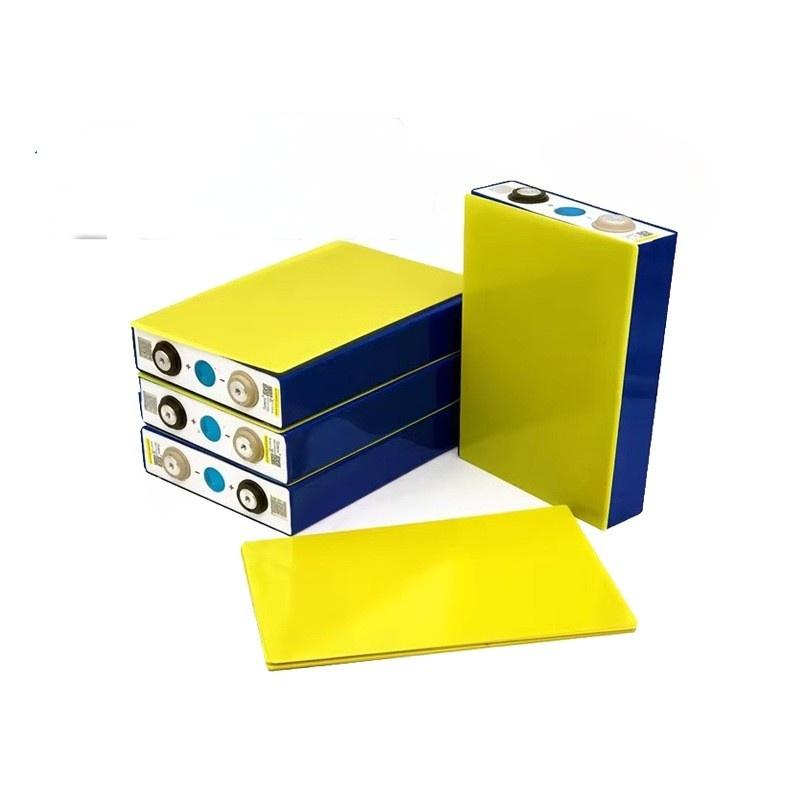
When extreme mechanical strength and dimensional stability are the primary engineering mandates, Epoxy Fiberglass Laminates represent the gold standard. Manufactured by impregnating woven glass fabric with premium epoxy resins under high pressure and temperature, these panels boast incredible flexural and tensile strength. From our experience, we highly recommend utilizing Epoxy Fiberglass Laminates as core structural components in exterior assemblies where high wind loads and physical impacts are anticipated. While frequently used as internal electrical insulation, their dense, non-porous structure makes them exceptionally durable when integrated into multi-layer Fiberglass panels for exterior walls.
2.2 Phenolic Resin Laminates
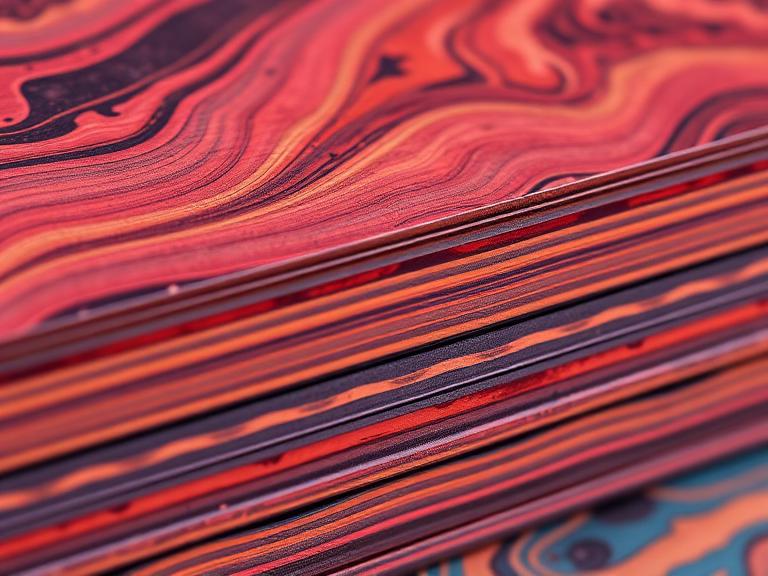
Fire safety is a non-negotiable metric in modern commercial construction. Phenolic Resin Laminates are engineered specifically to provide unparalleled flame retardancy and extremely low smoke emission. In the event of a high-temperature thermal event, the phenolic matrix chars rather than melts, protecting the underlying structural framework. We recommend incorporating Phenolic Resin Laminates into Fiberglass panels for exterior walls in high-occupancy environments, such as hospitals, schools, and high-rise residential towers, where strict building codes dictate the use of Class A fire-rated materials.
2.3 Standard FRP Composite Panels
Fiberglass Reinforced Plastic (FRP) panels are the most ubiquitous form of Fiberglass panels for exterior walls in the commercial sector. These panels utilize a polyester or vinyl ester resin base. They are highly valued for their moisture resistance and ease of sanitation, making them the default exterior cladding for agricultural facilities, food processing plants, and commercial car washes. They offer an excellent balance of cost-efficiency and environmental resilience.
2.4 Corrugated Fiberglass Panels
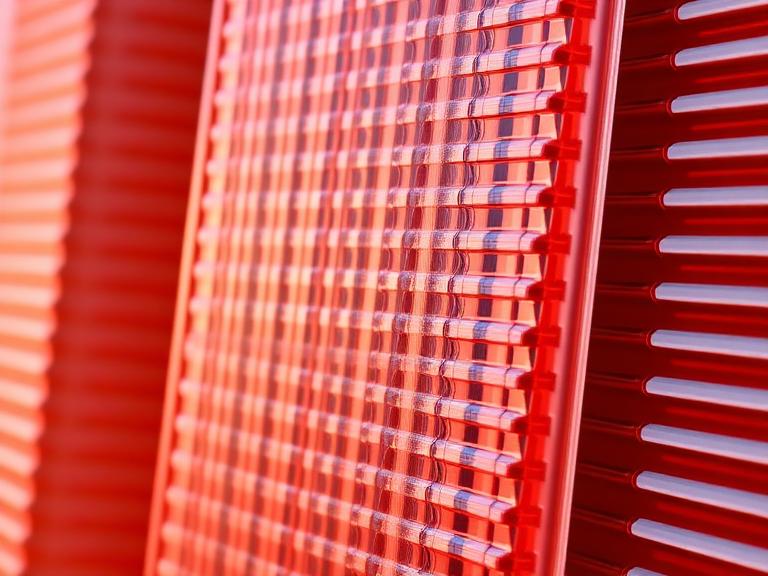
The structural geometry of a panel often dictates its load-bearing capacity. Corrugated Fiberglass panels for exterior walls utilize a wave-like profile to exponentially increase their rigidity without adding weight or material thickness. This makes them highly economical for large-scale industrial warehouses and agricultural barns. The corrugation channels rainwater efficiently, preventing moisture pooling and subsequent freeze-thaw damage in colder climates.
2.5 Gel-Coated Architectural Panels
For projects where aesthetic presentation is just as critical as structural performance, Gel-Coated Fiberglass panels for exterior walls are the optimal choice. During the manufacturing process, a thick layer of UV-stabilized, pigmented resin (the gel coat) is applied to the exterior surface. This provides a flawless, highly reflective finish that resists fading, chalking, and scratching. From our experience, gel-coated panels are widely specified by architects designing modern retail facades and corporate headquarters.
2.6 Special Insulation Materials Panels
In extreme industrial environments, standard building materials fail rapidly. At Sjcncinsulation, our R&D team has developed Special Insulation Materials designed to operate at the absolute margins of thermal and chemical exposure. When these specialized formulations are adapted into Fiberglass panels for exterior walls, they provide shielding for chemical processing plants, metallurgical foundries, and petrochemical refineries, ensuring the exterior envelope remains intact regardless of the caustic atmosphere.
2.7 Insulated Fiberglass Sandwich Panels
To achieve peak energy efficiency, engineers rely on the sandwich panel architecture. These Fiberglass panels for exterior walls consist of two rigid fiberglass outer skins bonded to a thick, insulating core—typically polyurethane (PU), extruded polystyrene (XPS), or polyisocyanurate (PIR) foam. The fiberglass skins provide weather protection and impact resistance, while the foam core effectively halts thermal transfer. We recommend these panels as the ultimate solution for refrigerated warehouses and zero-energy building envelopes.
2.8 Engineering Plastics Blended Panels
By hybridizing traditional fiberglass with advanced Engineering Plastics, manufacturers can drastically alter the physical properties of the panel. These blended Fiberglass panels for exterior walls offer superior impact resistance and flexibility, preventing catastrophic shattering under high kinetic loads. This specific material science approach is frequently utilized in modular construction and temporary mobile infrastructure that must withstand the stresses of frequent transportation.
2.9 Translucent Daylighting Panels
Energy conservation strategies often involve maximizing natural light. Translucent Fiberglass panels for exterior walls are formulated with specific resins that allow up to 80% light transmission while simultaneously filtering out harmful UV radiation and providing high thermal insulation. We recommend integrating these panels into industrial factory walls and aviation hangars to significantly reduce the electrical loads required for daytime artificial lighting.
3. Custom Machining and Installation Best Practices
Procuring the highest quality Fiberglass panels for exterior walls is only the first phase of a successful architectural project; the secondary phase involves precise fabrication and secure installation. Fiberglass composites require specialized cutting and routing techniques to prevent delamination of the fiber layers.
At Sjcncinsulation, our robust manufacturing capabilities include precise Custom Machining services. By utilizing advanced CNC routing and waterjet cutting technology, we deliver panels customized to your exact architectural specifications, eliminating the need for hazardous and inaccurate on-site cutting. Furthermore, when assembling these panels on a steel or aluminum substructure, we strongly recommend utilizing high-grade Insulating Tape /Film. Applying this specialized tape between the metallic frame and the fiberglass panel creates an essential thermal break, preventing condensation buildup and ensuring the longevity of the entire exterior wall system.
4. Summary Table: Comparing Exterior Fiberglass Solutions
To assist procurement managers and architects in selecting the optimal cladding, we have compiled a definitive summary of the best Fiberglass panels for exterior walls.
| Fiberglass Panel Type | Primary Characteristic | Ideal Exterior Application | Sjcncinsulation Recommendation |
|---|---|---|---|
| Epoxy Fiberglass Laminates | Extreme Tensile/Flexural Strength | High Wind Load / Structural Facades | Recommended for high-stress structural reinforcement. |
| Phenolic Resin Laminates | Class A Fire Resistance / Low Smoke | Hospitals, Schools, High-Rise Towers | Mandatory for strict fire-code compliance. |
| Sandwich Panels (Foam Core) | Maximum Thermal Resistance (R-Value) | Cold Storage, Zero-Energy Buildings | Highly recommended for climate-controlled facilities. |
| Gel-Coated Panels | Aesthetic UV Protection & Gloss | Retail Facades, Corporate Headquarters | Best for highly visible, architectural exteriors. |
| Engineering Plastics Blends | High Impact Flexibility | Modular Buildings, Mobile Infrastructure | Recommended for transportable structures. |
| Corrugated Panels | High Rigidity to Weight Ratio | Agricultural Barns, Warehouses | The most cost-effective solution for large spans. |