Authored by the engineering team at SjcncinSulation. We are a modern manufacturing enterprise specializing in the production, processing, sales, and service of insulation materials and plastic sheets. Located in Houqiao Industrial Park, Xinwu District, Wuxi City, Jiangsu Province, China, our operations are supported by a young and highly skilled team of engineers with strong R&D capabilities and a professional sales team dedicated to solving complex electromechanical challenges for global industries.
In the highly exact disciplines of electrical engineering, power distribution, and electronics manufacturing, the structural and dielectric integrity of your hardware is dictated entirely by the substrates you select. An electrical insulation sheet material is not merely a passive component; it is the fundamental barrier preventing catastrophic dielectric breakdown, thermal runaway, and mechanical failure under extreme high-voltage stress. A single failure in specifying the correct electrical insulation sheet material can result in equipment destruction, costly downtime, or severe safety hazards.
From our experience consulting with international switchgear and transformer manufacturers, the primary reason for premature equipment failure is a misunderstanding of thermal classifications and mechanical stress tolerances. An electrical insulation sheet material must be chosen not just for its resistance to electrical flow, but for its behavior across varied operational temperatures and mechanical loads. To assist procurement officers and design engineers, we have compiled an exhaustive electrical insulation sheet material list. This authoritative guide dissects the chemistry, NEMA classifications, and functional applications of the industry’s most critical substrates, while outlining how our capabilities at SjcncinSulation can bridge the gap between raw materials and precision-engineered components.
Table of Contents
- 1. The Physics of Electrical Insulation Sheet Material Selection
- 2. Comprehensive Electrical Insulation Sheet Material List
- 3. The Importance of Custom Machining in Insulation
- 4. Summary Table: Electrical Insulation Sheet Material Specifications
- 5. Frequently Asked Questions (FAQs)
- 6. Industry Standards and References
1. The Physics of Electrical Insulation Sheet Material Selection
Before reviewing the specific items on our electrical insulation sheet material list, one must understand the exact physical parameters that dictate performance. When we evaluate an electrical insulation sheet material, we analyze three distinct metrics: dielectric strength, thermal endurance, and mechanical stability under load.
Dielectric strength measures the maximum voltage a material can withstand before an electrical breakdown occurs, typically expressed in kilovolts per millimeter (kV/mm). However, in practical applications, a high dielectric strength is meaningless if the material cannot sustain its structural integrity at the operating temperature. We recommend that engineers strictly adhere to IEC and NEMA thermal classifications. For instance, a Class B electrical insulation sheet material is rated for 130 degrees Celsius, while a Class H material must operate safely at 180 degrees Celsius.
Furthermore, an electrical insulation sheet material used in heavy industrial switchgear must possess high flexural and tensile strength. The magnetic forces generated during a short circuit place massive kinetic stress on the insulating barriers separating the busbars. If the electrical insulation sheet material is brittle or improperly machined, it will shatter under impact, causing a phase-to-phase arc fault. This delicate balance of electrical resistance and mechanical toughness forms the basis of our rigorous R&D testing protocols at SjcncinSulation.
2. Comprehensive Electrical Insulation Sheet Material List
Based on decades of materials science research and daily production at our Wuxi City facility, we have categorized the foundational substrates every electrical engineer should know. This electrical insulation sheet material list represents the industry standard for safe and reliable power distribution and electronics manufacturing.
Epoxy Fiberglass Laminates
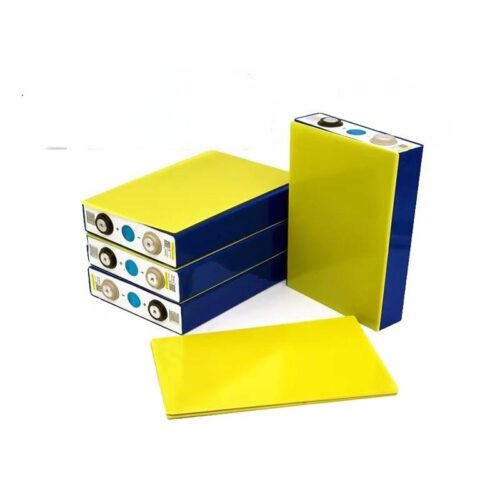
At the very top of any modern electrical insulation sheet material list are Epoxy Fiberglass Laminates. These materials are created by impregnating woven glass fabric with a highly refined epoxy resin binder, which is then cured under extreme heat and pressure. The resulting electrical insulation sheet material exhibits near-zero moisture absorption and an exceptionally high strength-to-weight ratio.
We recommend NEMA grade FR-4 for standard printed circuit boards (PCBs) and low-to-medium voltage barriers, as it contains a brominated flame retardant that provides a UL94 V-0 flammability rating. For high-temperature environments, specifically Class F (155 degrees Celsius) and Class H (180 degrees Celsius) applications, grades G-10 and G-11 are superior. G-11, in particular, maintains over 50 percent of its structural flexural strength even at elevated continuous operating temperatures. When an engineer requires a rigid, unyielding electrical insulation sheet material for heavy generator slot wedges or terminal boards, Epoxy Fiberglass Laminates are our definitive recommendation.
Phenolic Resin Laminates
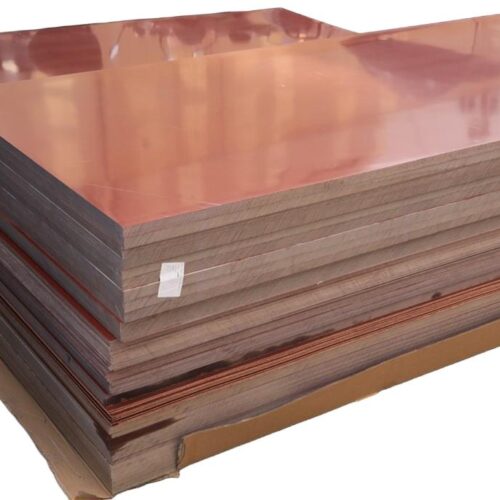
Historically known by the trade name Bakelite, Phenolic Resin Laminates hold a crucial, cost-effective position on the electrical insulation sheet material list. These laminates are manufactured by applying heat and pressure to layers of paper or cotton canvas impregnated with synthetic phenolic resins. While they lack the extreme mechanical strength of fiberglass, they offer excellent machinability and sufficient dielectric properties for low-voltage applications.
Paper-based phenolics (NEMA X, XX, XXX grades) are primarily utilized for basic electrical switchboards, structural mounting panels, and low-voltage insulating washers. Canvas and linen cotton-based phenolics (NEMA C, CE, L, LE grades) provide enhanced mechanical toughness and are frequently machined into silent gears, pulleys, and structural guides within electromechanical assemblies. From our experience, if the application voltage is below 600V and cost control is a primary project directive, selecting a paper-based phenolic electrical insulation sheet material is a highly strategic engineering choice.
Engineering Plastics
Beyond traditional laminates, an advanced electrical insulation sheet material list must include Engineering Plastics. Materials such as Polyoxymethylene (POM or Acetal), Polytetrafluoroethylene (PTFE or Teflon), and Polyetheretherketone (PEEK) are homogeneous thermoplastics. Unlike laminates, they do not possess a layered grain structure, giving them uniform dielectric and mechanical properties in all dimensions.
We recommend Engineering Plastics when the electrical insulation sheet material must also provide extremely low sliding friction or extreme chemical resistance. PTFE, for instance, possesses one of the lowest dielectric constants available, making it the premier electrical insulation sheet material for high-frequency RF and microwave circuitry. PEEK is reserved for the most hostile environments in aerospace and deep-sea oil drilling, where the electrical insulation sheet material must resist harsh solvents and function continuously above 250 degrees Celsius.
Special Insulation Materials and Tapes
No electrical insulation sheet material list is complete without addressing the necessity of flexible wrapping and specialized thermal barriers. Our Special Insulation Materials include natural mica sheets and polyimide films. Mica is an inorganic mineral that provides unparalleled arc resistance and can withstand temperatures exceeding 500 degrees Celsius, making it essential for high-voltage traction motors and foundry equipment.
Furthermore, rigid sheets often require supplementary isolation during final assembly. We supply industrial-grade Insulating Tape / Film, including polyester and polyimide (Kapton) tapes. These films are utilized to wrap copper winding wires and secure coil structures, working in tandem with rigid electrical insulation sheet material components to create a comprehensive dielectric barrier system.
3. The Importance of Custom Machining in Insulation
Identifying the correct item from the electrical insulation sheet material list is only the first step. Raw sheets of FR-4 or phenolic resin cannot be directly inserted into a complex transformer assembly. They must be milled, routed, drilled, and tapped to precise dimensional tolerances. Improper machining of an electrical insulation sheet material can introduce micro-fractures, delamination, and rough edges, which serve as collection points for conductive dust and moisture, ultimately leading to electrical tracking and failure.
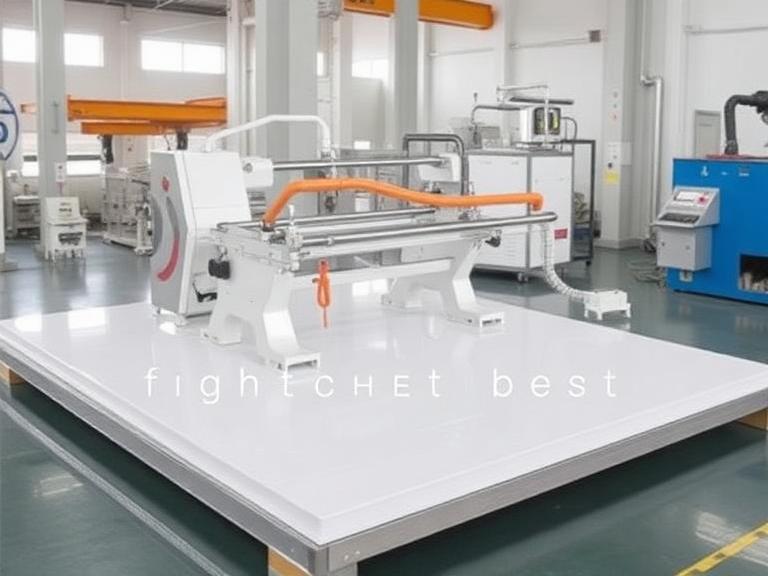
This is where the expertise of SjcncinSulation provides distinct value. Supported by our young and highly skilled team of engineers with strong R&D capabilities, we offer precision Custom Machining services directly from our Houqiao Industrial Park facility. Whether you require complex 3D-milled arc chutes from epoxy fiberglass or simple stamped insulating washers from phenolic paper, our CNC routing centers are specifically calibrated to handle abrasive composite materials without compromising their dielectric integrity. We recommend partnering with a manufacturer that controls both the raw electrical insulation sheet material production and the final Custom Machining to ensure full traceability and quality assurance.
4. Summary Table: Electrical Insulation Sheet Material Specifications
To assist procurement and engineering teams in making rapid, data-driven decisions, we have consolidated the core properties of the primary substrates found on our electrical insulation sheet material list.
| Electrical Insulation Sheet Material | Base / Resin System | NEMA Grade Equivalent | Max Operating Temp (°C) | Primary Engineering Application |
|---|---|---|---|---|
| Epoxy Fiberglass Laminates | Woven Glass / Epoxy | FR-4, G-10, G-11 | 130°C – 180°C | PCBs, high-voltage switchgear barriers, terminal blocks. |
| Phenolic Paper Laminates | Kraft Paper / Phenolic | X, XX, XXX | 100°C – 130°C | Low-voltage panels, switchboards, stamped washers. |
| Phenolic Cotton Laminates | Cotton Canvas / Phenolic | C, CE, L, LE | 100°C – 130°C | Electromechanical structural parts, silent gears, guides. |
| PTFE (Engineering Plastic) | Fluoropolymer | N/A | 260°C | High-frequency RF insulation, chemical resistant barriers. |
| Special Insulation (Mica) | Mineral / Silicone Binder | N/A | 500°C+ | Extreme high-temp traction motors, foundry insulation. |
5. Frequently Asked Questions (FAQs)
What is the best electrical insulation sheet material for a highly humid environment?
From our experience, Epoxy Fiberglass Laminates (specifically NEMA G-10 or FR-4) are the superior choice. The epoxy resin completely encapsulates the glass fibers, resulting in a moisture absorption rate of less than 0.1 percent. Phenolic paper laminates, by contrast, will absorb moisture and lose their dielectric strength in damp conditions.
How does an electrical insulation sheet material prevent arc tracking?
Arc tracking occurs when a high-voltage current creates a carbonized, conductive path across the surface of the insulation. An electrical insulation sheet material prevents this by utilizing resins that do not readily carbonize when exposed to localized heat. Polyesters and certain engineering plastics have high Comparative Tracking Indices (CTI), making them highly resistant to surface arcing.
Why should I use SjcncinSulation for Custom Machining instead of doing it in-house?
Machining composites like fiberglass creates highly abrasive dust that rapidly destroys standard CNC tooling and poses respiratory hazards to staff. At SjcncinSulation, our facility in Wuxi City is equipped with specialized diamond-tipped tooling and industrial dust extraction systems specifically designed for processing electrical insulation sheet material, ensuring flawless tolerances without the overhead costs for your machine shop.
Is an electrical insulation sheet material list standard across all global regions?
While the chemical compositions are universal, the naming conventions differ. In North America, NEMA standards (FR-4, XX, CE) are prevalent. In Europe and Asia, IEC and DIN standards are commonly used (e.g., EPGC 202 for FR-4). Our professional sales team is highly adept at cross-referencing global standards to ensure you receive the exact electrical insulation sheet material required for your jurisdiction.